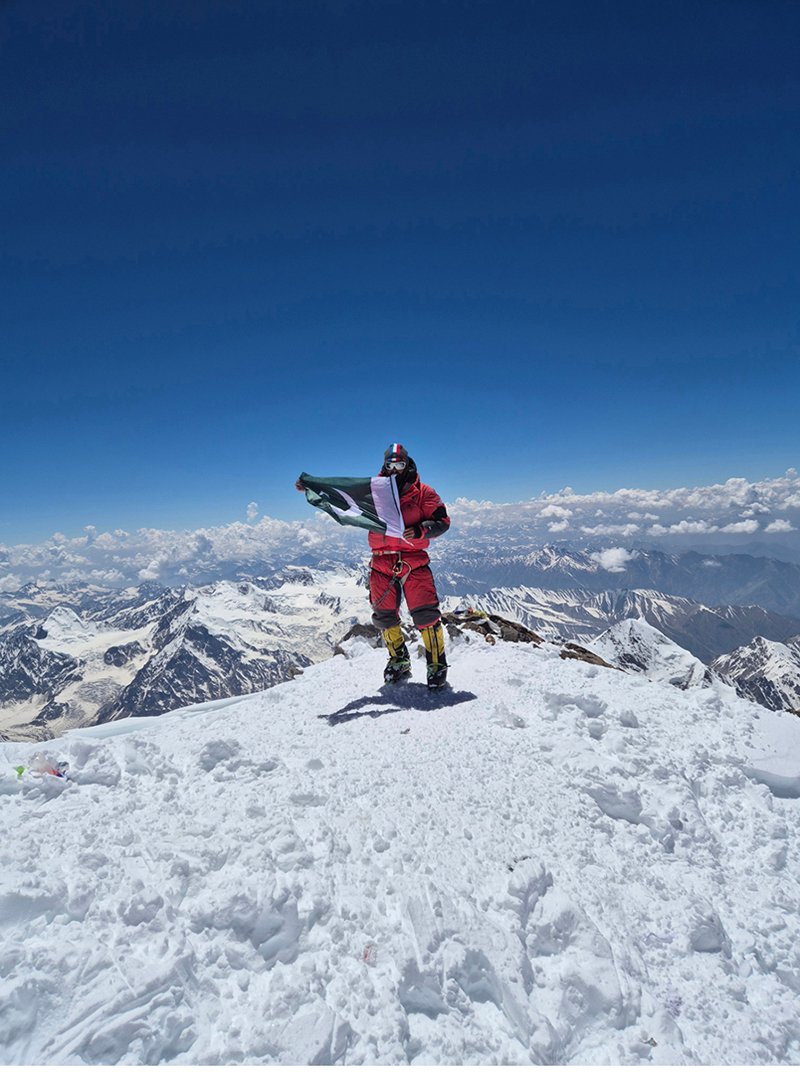
CHILAS — On June 30, Mehboob Ali, a 27-year-old climber from Arandu, Pakistan, reached the summit of Nanga Parbat, the world’s ninth-highest mountain at 8,125 meters. Ali was part of a group of four Pakistani climbers who successfully ascended the peak, known as the ‘Killer Mountain’ due to its challenging conditions. The team returned to Chilas on July 3 after their successful expedition.
What Happened
The expedition, which included Mehboob Ali, Abbas Ali Arandu, Muhammad Ali Hushe, and Ilyas Hushe, was part of the Seven Summit and 8K expedition teams. These climbers embarked on their journey to conquer Nanga Parbat, a formidable challenge for even the most experienced mountaineers. The ascent was completed at 12:13 p.m. on June 30, marking a significant achievement for the Pakistani climbers.
Speaking at the Nanga Parbat Base Camp on June 25, Mehboob Ali expressed his determination and excitement about the climb. The team faced numerous challenges, including harsh weather conditions and treacherous terrain, but their perseverance and skill led them to the summit. The climbers’ return to Chilas was met with celebration and admiration for their accomplishment.
The successful ascent of Nanga Parbat by these climbers adds to the growing list of Pakistani mountaineers who have conquered some of the world’s highest peaks. The expedition not only highlights the capabilities of Pakistani climbers but also serves as an inspiration for future generations.
Background
Nanga Parbat, located in the Gilgit-Baltistan region of Pakistan, is notorious for its difficult climbing conditions. It has claimed the lives of many climbers over the years, earning its nickname ‘Killer Mountain.’ Despite its dangers, it remains a coveted summit for mountaineers worldwide.
Historically, Nanga Parbat has been a site of numerous expeditions, with the first successful ascent recorded in 1953 by Austrian climber Hermann Buhl. Since then, climbers from around the world have attempted to reach its peak, with varying degrees of success. The mountain’s challenging conditions, including avalanches and severe weather, make it one of the most difficult climbs in the world.
Why It Matters
The successful ascent of Nanga Parbat by Mehboob Ali and his team holds significant importance for Pakistan’s mountaineering community. It showcases the skill and determination of Pakistani climbers, who are increasingly making their mark on the global stage. This achievement also brings attention to the potential of Pakistan’s mountainous regions as prime locations for adventure tourism.
Economically, the success of such expeditions can boost tourism in the region, attracting climbers and adventure enthusiasts from around the world. This influx can provide much-needed economic benefits to local communities, creating jobs and promoting cultural exchange.
Socially, the achievement serves as an inspiration for young Pakistanis, encouraging them to pursue their passions and challenge themselves. It highlights the importance of perseverance and teamwork in overcoming obstacles, values that are crucial in any field.
On an international level, the accomplishment enhances Pakistan’s reputation as a country with rich natural resources and talented individuals. It demonstrates the potential for further development in adventure sports and tourism, contributing to a positive image of the country globally.
Key Takeaways
- Four Pakistani climbers, including Mehboob Ali, successfully summited Nanga Parbat on June 30.
- The expedition faced challenging conditions, highlighting the skill and determination of the climbers.
- Nanga Parbat is known as the ‘Killer Mountain’ due to its treacherous climbing conditions.
- The achievement boosts Pakistan’s reputation in the global mountaineering community and can enhance adventure tourism.
- The success serves as an inspiration for young Pakistanis to pursue their passions and overcome challenges.
Source Attribution
This article is based on official government statements, press releases, and public communications from relevant authorities.