
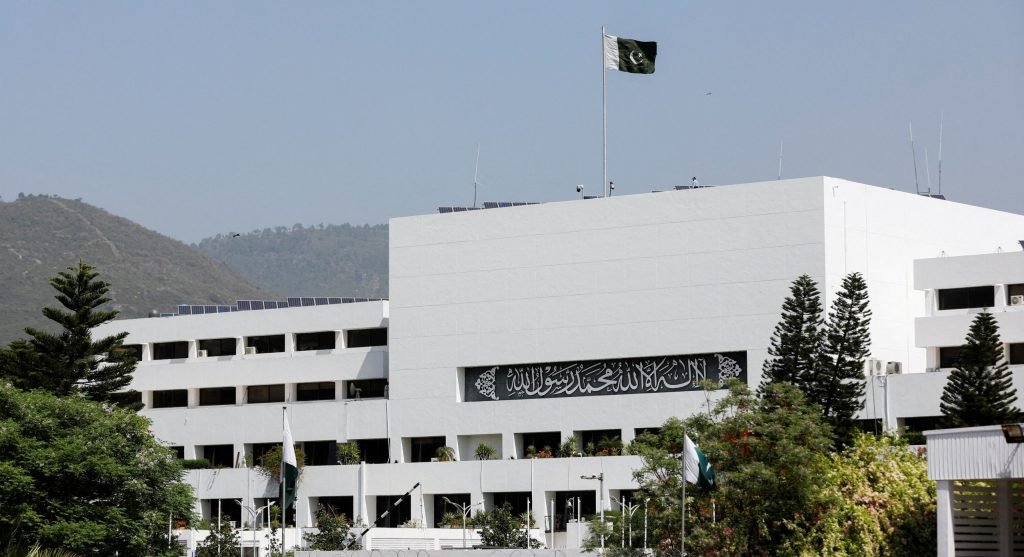
ISLAMABAD — The National Assembly Standing Committee on Federal Education and Professional Training was briefed that approximately 18,000 out-of-school children have been enrolled in non-formal education programs. This update was provided during a meeting chaired by Mahtab Akbar Rashdi, Member of the National Assembly, held at the Constitution Avenue on August 3.
What Happened
The National Assembly’s committee convened to discuss the progress and challenges in addressing the issue of out-of-school children in Pakistan. Officials reported that out of an identified 26,000 out-of-school children, about 18,000 have been successfully enrolled in non-formal education setups. These initiatives are part of broader efforts to provide educational opportunities to children who have been left out of the formal schooling system.
Mahtab Akbar Rashdi, who chaired the meeting, emphasized the importance of these programs in bridging the educational gap in the country. The committee was informed about the strategies being implemented to reach the remaining 8,000 children and the challenges faced in this endeavor. The discussion also highlighted the need for increased funding and resources to expand these non-formal educational initiatives.
During the session, various stakeholders, including education experts and government officials, shared insights into the effectiveness of non-formal education in integrating out-of-school children into the learning environment. The committee was urged to consider policy adjustments and increased collaboration with non-governmental organizations to enhance the reach and impact of these programs.
Background
Pakistan has long faced challenges in ensuring universal education, with millions of children remaining out of school due to various socio-economic factors. The government has been striving to address this issue through both formal and non-formal educational frameworks. Non-formal education serves as a flexible and accessible alternative for children who cannot attend regular schools due to financial constraints, geographical barriers, or other personal circumstances.
Historically, efforts to reduce the number of out-of-school children have included initiatives like the National Education Policy and various provincial programs aimed at increasing enrollment rates. However, the progress has been slow, necessitating innovative approaches such as non-formal education to meet the educational needs of marginalized populations.
Why It Matters
The enrollment of 18,000 out-of-school children into non-formal education programs is a significant step towards addressing Pakistan’s educational challenges. This initiative not only provides these children with access to education but also helps in reducing the long-term socio-economic disparities that arise from lack of education.
Education is a fundamental right and a critical factor in economic development and social stability. By integrating out-of-school children into the educational system, Pakistan can work towards achieving its national and international commitments, such as the Sustainable Development Goals (SDGs), which emphasize inclusive and equitable quality education.
The success of these programs could serve as a model for other regions facing similar challenges. It highlights the potential of non-formal education as a viable solution to educational access issues, especially in rural and underprivileged areas. Furthermore, this initiative reflects the government’s commitment to improving educational outcomes and investing in the future of its young population.
Key Takeaways
- Approximately 18,000 out-of-school children have been enrolled in non-formal education programs in Pakistan.
- The National Assembly Standing Committee on Federal Education discussed strategies to reach the remaining 8,000 identified out-of-school children.
- Non-formal education is crucial for providing educational access to children who cannot attend regular schools.
- This initiative aligns with Pakistan’s efforts to meet the Sustainable Development Goals related to education.
- Increased funding and policy support are needed to expand the reach of non-formal education programs.
Source Attribution
This article is based on official government statements and public communications from relevant authorities.














