

2026

Pakistan

PCB Celebrates Pakistan, South Africa Women’s Under-19 Teams with Karachi Dinner

KARACHI — The Pakistan Cricket Board (PCB) hosted a dinner in Karachi to honor the Pakistan and South Africa Women’s Under-19 cricket teams. The event took place on July 24, 2023, and was attended by team members, management, and match officials as a gesture of goodwill and sportsmanship. What Happened The dinner, organized by the PCB, was held in recognition of the ongoing five-match series between the Pakistan and South Africa Women’s Under-19 teams. Rafia Haider, Head of the Women’s Wing at PCB, welcomed the teams and officials, emphasizing the importance of fostering international cricket relations and providing young athletes with opportunities to showcase their talent on an international platform. The series, which has garnered significant attention, is currently tied at 2-2, with both teams having demonstrated remarkable skill and competitive spirit. The series-deciding match is scheduled to take place today at the National Bank Stadium in Karachi, with the game set to begin at 7 p.m. local time. This match is expected to draw a large crowd, eager to see which team will emerge victorious. Rafia Haider, in her address, highlighted the PCB’s commitment to promoting women’s cricket in Pakistan and providing young female cricketers with the necessary infrastructure and support to excel at the international level. She stated, “The PCB is dedicated to nurturing young talent and ensuring that our female cricketers receive the same opportunities as their male counterparts.” Background The PCB has been actively working to promote women’s cricket in Pakistan, recognizing its potential to inspire young girls across the nation. Over the years, the board has implemented various initiatives aimed at increasing participation and improving the quality of women’s cricket. The ongoing series against South Africa is part of these efforts, providing valuable international exposure to the Under-19 players. Historically, women’s cricket in Pakistan has faced numerous challenges, including limited resources and societal barriers. However, recent years have seen a positive shift, with increased investment and attention from the PCB and other stakeholders. The Under-19 series is a testament to these efforts, showcasing the progress made in developing the next generation of female cricketers. Why It Matters The significance of this series extends beyond the cricket field. It represents a broader movement towards gender equality in sports within Pakistan, challenging traditional norms and encouraging young girls to pursue their passions. By hosting international events and engaging with teams from other countries, the PCB is not only enhancing the skills of local players but also promoting cultural exchange and mutual respect. Economically, the growth of women’s cricket can lead to increased sponsorship opportunities and media coverage, which in turn can provide financial support for further development programs. Socially, it empowers young women by offering them role models and demonstrating that they can achieve success in fields traditionally dominated by men. Internationally, this series strengthens ties between Pakistan and South Africa, fostering goodwill and collaboration in sports. Such events contribute to Pakistan’s image as a nation capable of hosting international sporting events safely and successfully, which is crucial for attracting future tours and tournaments. Key Takeaways The PCB hosted a dinner in Karachi for the Pakistan and South Africa Women’s Under-19 teams. The ongoing series between the two teams is tied at 2-2, with the final match scheduled for today. The event underscores PCB’s commitment to promoting women’s cricket and providing international exposure. This series is part of broader efforts to empower women in sports and challenge societal norms. Internationally, the series enhances Pakistan’s reputation as a capable host for sporting events. Source Attribution This article is based on official statements and public communications from the Pakistan Cricket Board and other relevant authorities. Author: NEN Editorial Desk | Editor: NEN Newsroom | Fact Checked By: NEN Editorial Team Author: NEN Editorial Desk  |  Editor: NEN Newsroom  |  Last Updated: July 24, 2026  |  Source: NEN Reporter This article was produced by the NEN Editorial Desk in accordance with NEN Agency’s Editorial Policy and Fact-Checking Policy.
Pakistan

Bangladesh Faces Kazakhstan in Thrilling Volleyball Championship Clash

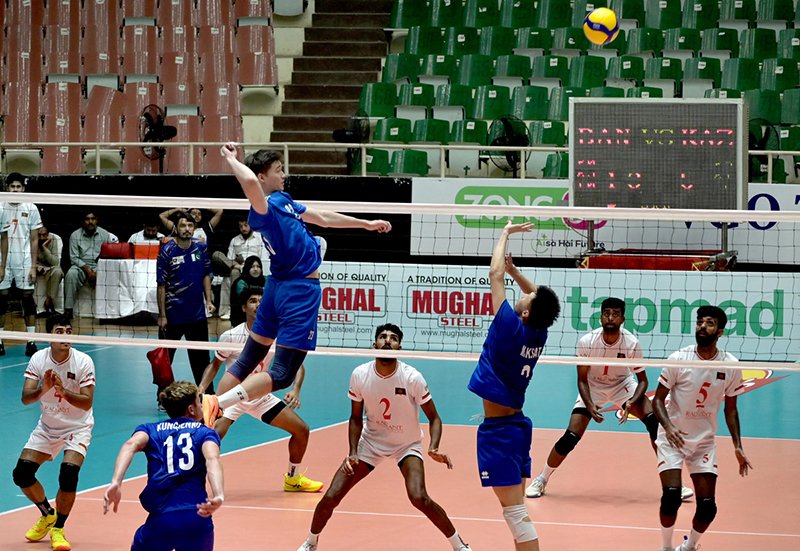
ISLAMABAD — Bangladesh and Kazakhstan players showcased their skills in a thrilling encounter at the CAVA Men’s Volleyball Championship 2026, held at the Liaquat Gymnasium, Pakistan Sports Complex on July 23. The match was marked by intense competition as both teams vied for supremacy on the court. What Happened The CAVA Men’s Volleyball Championship 2026 match between Bangladesh and Kazakhstan was a display of high-caliber volleyball, with both teams demonstrating exceptional attacking and defensive skills. The players engaged in a fierce battle at the net, captivating the audience with their athletic prowess. The Liaquat Gymnasium, known for hosting numerous international sporting events, provided the perfect backdrop for this intense matchup. Throughout the match, both teams exhibited a blend of strategic plays and powerful spikes. The players from Bangladesh and Kazakhstan were relentless in their pursuit of victory, with each set showcasing their determination and skill. The match was not only a test of physical endurance but also of mental fortitude, as both teams navigated the pressures of an international championship. Direct quotes from the players highlighted the competitive spirit of the match. A Bangladeshi player remarked, “We came here to win and give our best performance. The competition was tough, but we remained focused on our strategy.” A Kazakhstani player added, “Playing against Bangladesh was challenging. They are a strong team, and we had to be at our best to match their intensity.” Background The CAVA Men’s Volleyball Championship is a prestigious event in the international volleyball calendar, attracting teams from across Asia. The championship serves as a platform for teams to showcase their talent and gain valuable experience on the international stage. Pakistan has been a regular host for such events, providing a venue that meets international standards and offers excellent facilities for players and spectators alike. Historically, both Bangladesh and Kazakhstan have been active participants in regional volleyball tournaments, with each team striving to enhance their standing in the sport. The championship is part of a broader effort to promote volleyball in Asia, encouraging participation and fostering competitive spirit among emerging volleyball nations. Why It Matters This championship match holds significant importance for both Bangladesh and Kazakhstan as they seek to establish themselves as formidable contenders in Asian volleyball. For Bangladesh, participating in such international events is crucial for gaining experience and improving their global ranking. The exposure to high-level competition helps players refine their skills and strategies, contributing to the overall development of the sport in the country. For Kazakhstan, the match is an opportunity to assert their dominance and showcase their volleyball prowess. Success in such tournaments can enhance the country’s reputation in the sport and attract more resources and support for volleyball development programs. Additionally, the championship provides a platform for young talent to emerge, offering them the chance to compete against some of the best players in the region. The event also underscores Pakistan’s capability to host international sporting events, highlighting its commitment to promoting sports and fostering international cooperation through athletics. The successful organization of the championship can boost Pakistan’s standing as a preferred destination for international sports events, potentially leading to increased tourism and economic benefits. Key Takeaways Bangladesh and Kazakhstan engaged in a competitive match at the CAVA Men’s Volleyball Championship 2026 in Islamabad. The match showcased high-level volleyball skills, with both teams displaying strong attacking and defensive strategies. The championship is part of efforts to promote volleyball in Asia and enhance the sport’s profile. The event highlights Pakistan’s ability to host international sports events, with potential economic and tourism benefits. Participation in such events is crucial for the development and global ranking of teams like Bangladesh and Kazakhstan. Source Attribution This article is based on official government statements, press releases, and public communications from relevant authorities. Author: NEN Editorial Desk | Editor: NEN Newsroom | Fact Checked By: NEN Editorial Team Author: NEN Editorial Desk  |  Editor: NEN Newsroom  |  Last Updated: July 24, 2026  |  Source: NEN Reporter This article was produced by the NEN Editorial Desk in accordance with NEN Agency’s Editorial Policy and Fact-Checking Policy.
Pakistan

Pakistan and Sri Lanka to Enhance Youth Cooperation and Boost Trade

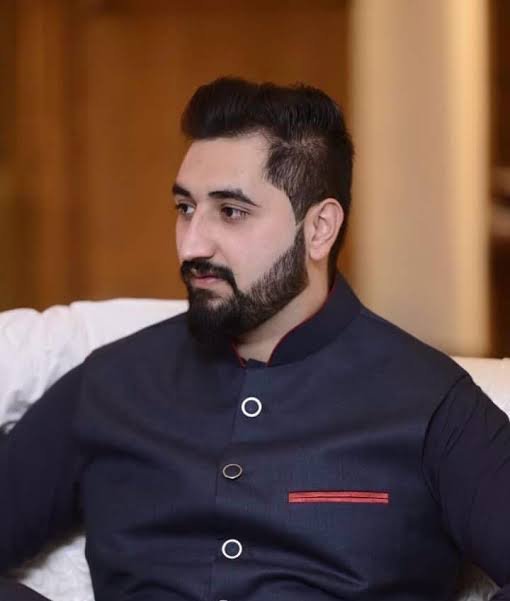
ISLAMABAD — Pakistan and Sri Lanka have reaffirmed their commitment to strengthening bilateral relations through enhanced youth cooperation and increased trade and investment opportunities. This was discussed during a meeting between Shaheryar Memon, the Prime Minister’s Youth Programme Focal Person on Trade and Investment, and Pakistan’s High Commissioner to Sri Lanka, Major General (Retd) Muhammad Saad Khattak, held on July 24 in Islamabad. What Happened During the meeting, both parties emphasized the importance of fostering youth cooperation and educational exchanges between the two countries. Shaheryar Memon highlighted the potential for collaboration in various sectors, including education, where student exchange programs could play a pivotal role in enhancing mutual understanding and cultural ties. “Our youth are our future, and by investing in their education and skills, we are investing in the future of our nations,” Memon stated. He further elaborated on the need for establishing robust mechanisms that facilitate student mobility and knowledge exchange. The discussions also covered the expansion of trade and investment between Pakistan and Sri Lanka. Major General (Retd) Saad Khattak expressed optimism about the potential for increased economic collaboration, noting that both countries have complementary strengths that could be leveraged for mutual benefit. “There is a significant opportunity for us to enhance our trade relations, particularly in sectors such as textiles, agriculture, and technology,” he remarked. The meeting concluded with an agreement to explore new avenues for cooperation, including joint ventures and partnerships that could drive economic growth and development in both nations. Background Pakistan and Sri Lanka have enjoyed a long-standing relationship, marked by mutual respect and cooperation in various fields. Historically, the two countries have collaborated closely on regional security and economic initiatives. The recent focus on youth cooperation and trade is part of a broader effort to deepen ties and create sustainable development opportunities. In recent years, both countries have participated in several bilateral agreements aimed at boosting trade and investment. The Pakistan-Sri Lanka Free Trade Agreement, which came into effect in 2005, has been a cornerstone of economic relations, facilitating increased trade volumes and investment flows. Why It Matters The emphasis on youth cooperation and trade expansion between Pakistan and Sri Lanka holds significant implications for both countries. By fostering educational exchanges and youth engagement, the two nations can build a foundation for long-term collaboration and understanding. This is particularly important in a globalized world where cross-cultural competencies are increasingly valuable. Economically, the focus on trade and investment is crucial for both Pakistan and Sri Lanka as they seek to diversify their economies and enhance growth prospects. By identifying and leveraging complementary strengths, the two countries can create new opportunities for businesses and entrepreneurs, thereby boosting economic resilience and competitiveness. For Pakistan, enhancing trade relations with Sri Lanka can help mitigate some of the economic challenges it faces, including trade deficits and reliance on a narrow range of export markets. Similarly, Sri Lanka stands to benefit from increased access to Pakistan’s large consumer market and its strategic position as a gateway to Central Asia. Key Takeaways Pakistan and Sri Lanka are committed to enhancing youth cooperation and educational exchanges. The meeting focused on expanding trade and investment opportunities between the two countries. Both nations aim to leverage complementary strengths in sectors such as textiles, agriculture, and technology. Enhanced trade relations could help diversify economies and boost economic resilience. The Pakistan-Sri Lanka Free Trade Agreement remains a cornerstone of bilateral economic relations. Source Attribution This article is based on official government statements, press releases, and public communications from relevant authorities. Author: NEN Editorial Desk | Editor: NEN Newsroom | Fact Checked By: NEN Editorial Team Author: NEN Editorial Desk  |  Editor: NEN Newsroom  |  Last Updated: July 24, 2026  |  Source: NEN Reporter This article was produced by the NEN Editorial Desk in accordance with NEN Agency’s Editorial Policy and Fact-Checking Policy.
Pakistan

FBR Announces Temporary Suspension Of Online Tax Services For Maintenance

ISLAMABAD — The Federal Board of Revenue (FBR) has announced a temporary suspension of its online tax services due to scheduled maintenance. The services will be unavailable from 12:30 a.m. on Saturday, August 8, 2026, until 5:00 a.m. on Monday, August 10, 2026, as part of a planned system upgrade. What Happened The FBR, responsible for tax administration in Pakistan, has informed taxpayers and stakeholders about the upcoming downtime of its online services. The suspension is necessary to carry out essential maintenance and upgrades aimed at improving the efficiency and security of the tax system. The affected services include the online portals used for filing tax returns, accessing tax records, and other related functionalities. An official statement from the FBR highlighted that the maintenance is part of ongoing efforts to enhance the digital infrastructure of the tax system. The FBR has urged taxpayers to plan their activities accordingly to avoid any inconvenience during the maintenance period. “We apologize for any inconvenience this may cause and appreciate the cooperation of all stakeholders as we work to improve our services,” the statement read. During the maintenance window, taxpayers will be unable to access the online tax filing system, which is a critical tool for both individual and corporate taxpayers in Pakistan. The FBR has emphasized the importance of this upgrade to ensure the system’s robustness and to address any potential vulnerabilities. Background The FBR has been progressively digitizing its services to streamline tax processes and improve compliance. In recent years, the board has introduced several initiatives to facilitate taxpayers, including online tax return filing, electronic payment of taxes, and the development of mobile applications for easier access to tax services. These efforts are part of the broader digital transformation agenda of the government, which aims to modernize public sector services and increase transparency. The FBR’s digital initiatives are also aligned with the government’s objectives to broaden the tax base and improve revenue collection. Historically, the FBR has faced challenges related to tax evasion and low compliance rates. By enhancing its digital infrastructure, the board aims to address these issues and provide a more user-friendly experience for taxpayers. Why It Matters The temporary suspension of online tax services is significant for several reasons. Firstly, it underscores the FBR’s commitment to maintaining and upgrading its digital infrastructure, which is crucial for efficient tax administration. The improvements are expected to enhance the overall user experience, reduce system downtimes, and increase the security of sensitive taxpayer data. Economically, the maintenance activity reflects the ongoing efforts to improve revenue collection in Pakistan. A more robust and efficient tax system can lead to increased compliance, thereby boosting government revenues. This is particularly important for Pakistan, which is striving to stabilize its economy and reduce its fiscal deficit. Socially, the upgrade is expected to reduce the burden on taxpayers by providing a more reliable and accessible platform for fulfilling their tax obligations. This aligns with the government’s broader goal of facilitating ease of doing business and improving public services. Internationally, the move is part of Pakistan’s efforts to align with global best practices in tax administration. A modernized tax system can enhance the country’s reputation as a business-friendly destination, potentially attracting foreign investment. Key Takeaways The FBR will suspend online tax services from August 8 to August 10, 2026, for maintenance. The maintenance aims to improve system efficiency, security, and user experience. This initiative is part of the FBR’s ongoing digital transformation efforts. The upgrade is expected to enhance tax compliance and revenue collection. Improved tax services can positively impact Pakistan’s economic and international standing. Source Attribution This article is based on official statements and public communications from the Federal Board of Revenue. Author: NEN Editorial Desk | Editor: NEN Newsroom | Fact Checked By: NEN Editorial Team Author: NEN Editorial Desk  |  Editor: NEN Newsroom  |  Last Updated: July 24, 2026  |  Source: NEN Reporter This article was produced by the NEN Editorial Desk in accordance with NEN Agency’s Editorial Policy and Fact-Checking Policy.
Pakistan

President, PM Condemn Tank Terror Attack, Praise Security Forces’ Response

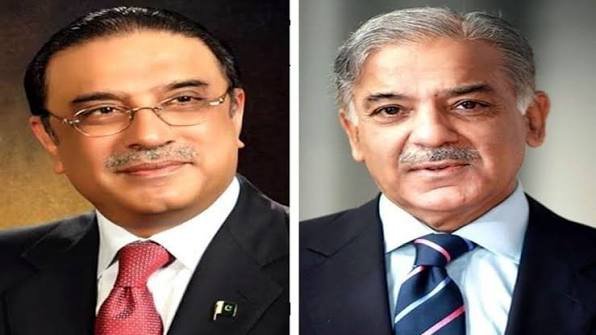
ISLAMABAD — President Asif Ali Zardari and Prime Minister Muhammad Shehbaz Sharif strongly condemned a terrorist attack on a joint security checkpoint in Tank district on Friday. They commended the security forces for their swift action in foiling the assault and eliminating 12 militants, reaffirming Pakistan’s commitment to combating terrorism. What Happened The attack occurred at a security checkpoint in Tank district, a region that has witnessed sporadic militant activity. According to official reports, a group of heavily armed militants launched an assault on the checkpoint. Security forces, already on high alert, responded promptly, engaging the attackers in a firefight that lasted several hours. During the confrontation, 12 militants were killed, while the security personnel successfully repelled the attack without sustaining any casualties. The swift and effective response by the security forces was widely praised by both President Zardari and Prime Minister Sharif, who emphasized the importance of maintaining vigilance against terrorist threats. In a statement, President Zardari lauded the bravery and dedication of the security personnel. “The nation stands united with our security forces in their efforts to eliminate the menace of terrorism,” he said. Prime Minister Sharif echoed these sentiments, expressing his gratitude for the sacrifices made by the security forces to ensure the safety and security of the country. Background The Tank district, located in the Khyber Pakhtunkhwa province, has been a focal point for security operations against militant groups. The region’s proximity to the tribal areas and the border with Afghanistan has historically made it a hotspot for militant activity. Over the years, Pakistan has intensified its efforts to root out terrorism through military operations and intelligence-led initiatives. In recent years, Pakistan has made significant strides in reducing the incidence of terrorist attacks, although sporadic incidents continue to pose challenges. The government has implemented a comprehensive National Action Plan aimed at dismantling terrorist networks and addressing the root causes of extremism. Why It Matters The successful repulsion of the attack in Tank underscores the ongoing threat posed by militant groups in Pakistan, despite the country’s substantial progress in counter-terrorism efforts. The incident highlights the need for continued vigilance and the strengthening of security measures to protect vulnerable areas. Economically, such attacks can have destabilizing effects, deterring investment and affecting the livelihoods of local populations. The government’s response and the security forces’ effectiveness in handling such threats are crucial in maintaining investor confidence and ensuring economic stability. On a social level, the attack serves as a reminder of the sacrifices made by security personnel in their fight against terrorism. It also underscores the importance of national unity and resilience in the face of extremist threats. The government’s reaffirmation of its commitment to eradicating terrorism is likely to bolster public confidence in its ability to maintain security and order. Internationally, Pakistan’s efforts to combat terrorism are closely monitored by global partners. The successful handling of such incidents can enhance Pakistan’s standing in the international community, reinforcing its role as a key player in regional security and stability. Key Takeaways President Zardari and Prime Minister Sharif condemned the terrorist attack in Tank and praised security forces for their effective response. The attack resulted in the elimination of 12 militants, with no casualties reported among security personnel. Tank district, a historically volatile region, remains a focal point for counter-terrorism efforts in Pakistan. The incident underscores the ongoing threat of militancy and the need for continued vigilance and security measures. Successful counter-terrorism operations enhance Pakistan’s international standing and contribute to regional stability. Source Attribution This article is based on official government statements, press releases, and public communications from relevant authorities. Author: NEN Editorial Desk | Editor: NEN Newsroom | Fact Checked By: NEN Editorial Team Author: NEN Editorial Desk  |  Editor: NEN Newsroom  |  Last Updated: July 24, 2026  |  Source: Press Release from Government of Pakistan This article was produced by the NEN Editorial Desk in accordance with NEN Agency’s Editorial Policy and Fact-Checking Policy.
Pakistan

Amir Muqam Condemns Tank Terrorist Attack, Honors Martyred Personnel

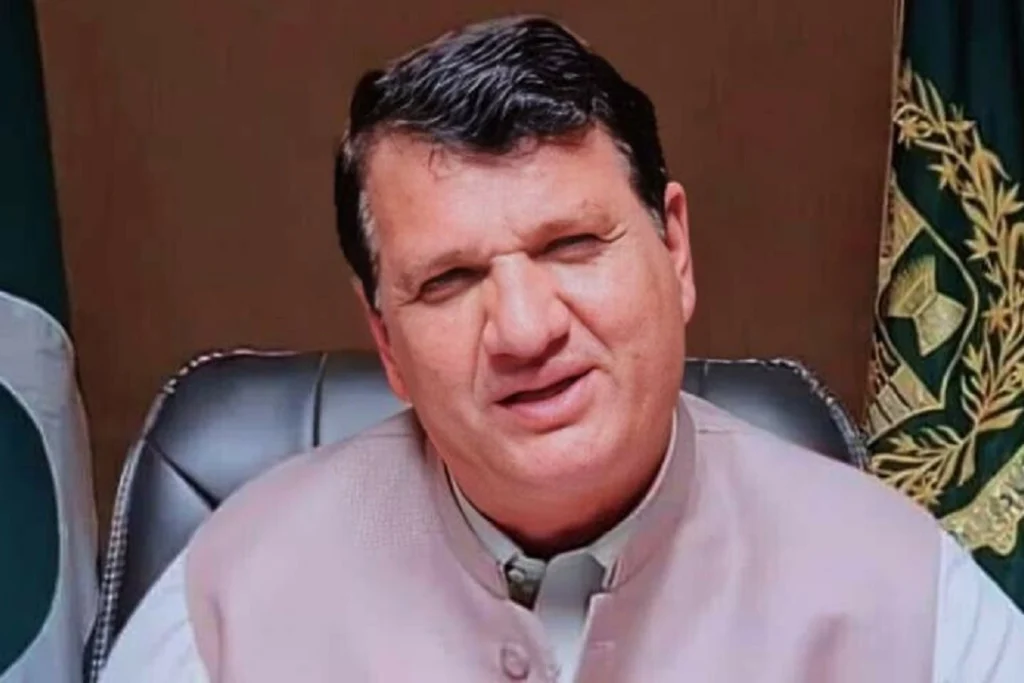
ISLAMABAD — Federal Minister for Kashmir Affairs and Gilgit-Baltistan, Engineer Amir Muqam, has expressed strong condemnation of the recent terrorist attack on a security check post in Tank, Khyber Pakhtunkhwa. The attack, which occurred on Friday, resulted in the loss of lives of several security personnel, prompting widespread condemnation from political leaders and officials across Pakistan. What Happened The attack took place on a security check post in Tank, a district in Khyber Pakhtunkhwa, where security forces have been actively engaged in counter-terrorism operations. According to initial reports, the assailants launched a surprise attack on the post, leading to a fierce exchange of gunfire. The incident resulted in the martyrdom of several security personnel who were stationed at the post. In his statement, Amir Muqam paid tribute to the bravery and sacrifices of the martyred personnel, emphasizing that their dedication to protecting the nation would not be forgotten. “The sacrifices of our security forces are the backbone of our fight against terrorism,” Muqam stated. He further reiterated the government’s commitment to eradicating terrorism from the region, assuring that such acts of violence would not deter the resolve of the security forces and the nation. Background Tank, located in the southern part of Khyber Pakhtunkhwa, has been a focal point of security operations due to its proximity to the tribal areas bordering Afghanistan. The region has witnessed numerous terrorist incidents over the years, often attributed to militant groups operating along the porous border. The Pakistani government, along with its security forces, has been engaged in extensive operations to dismantle terrorist networks and restore peace in the region. The ongoing conflict in the region has its roots in the broader geopolitical dynamics of South Asia, where militant groups have exploited the rugged terrain and historical tribal conflicts to establish strongholds. Over the years, Pakistan has launched several military operations, such as Operation Zarb-e-Azb and Operation Radd-ul-Fasaad, aimed at eliminating terrorist elements and stabilizing the region. Why It Matters The attack in Tank highlights the persistent threat posed by terrorist groups in Pakistan, particularly in areas close to the Afghan border. The incident underscores the challenges faced by security forces in maintaining peace and stability in regions that have long been affected by militancy. The sacrifices of the martyred personnel serve as a stark reminder of the ongoing struggle against terrorism and the need for continued vigilance. Economically, such attacks can have detrimental effects on local development and investment, as security concerns deter potential investors and disrupt economic activities. Socially, the loss of security personnel impacts communities, instilling fear and uncertainty among residents. Politically, the attack places pressure on the government to enhance security measures and address the root causes of militancy, including socio-economic disparities and radicalization. Internationally, Pakistan’s efforts to combat terrorism are closely monitored, with implications for its relations with neighboring countries and global partners. Successful counter-terrorism operations can bolster Pakistan’s standing in the international community, while persistent security challenges may affect its diplomatic and economic engagements. Key Takeaways Federal Minister Amir Muqam condemned the terrorist attack on a security check post in Tank, Khyber Pakhtunkhwa. The attack resulted in the martyrdom of several security personnel, highlighting ongoing security challenges. Tank is a strategically significant region due to its proximity to the Afghan border and history of militancy. The incident underscores the need for continued counter-terrorism efforts and regional stability. Pakistan’s counter-terrorism operations have significant economic, social, and international implications. Source Attribution This article is based on official government statements, press releases, and public communications from relevant authorities. Author: NEN Editorial Desk | Editor: NEN Newsroom | Fact Checked By: NEN Editorial Team Author: NEN Editorial Desk  |  Editor: NEN Newsroom  |  Last Updated: July 24, 2026  |  Source: NEN Reporter This article was produced by the NEN Editorial Desk in accordance with NEN Agency’s Editorial Policy and Fact-Checking Policy.
Pakistan

PMAS-AAUR Conducts AI Training for Faculty in Higher Education

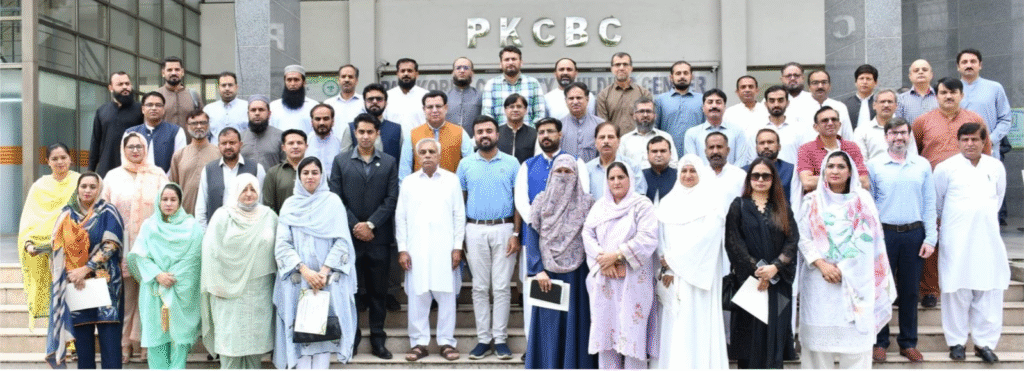
RAWALPINDI — Pir Mehr Ali Shah Arid Agriculture University Rawalpindi (PMAS-AAUR) has successfully concluded a faculty development training programme aimed at integrating artificial intelligence (AI) tools into higher education. The event, organized by the University Institute of Information Technology (UIIT), took place from July 13 to 24 and was titled “Artificial Intelligence for Everyone.” What Happened The training programme was designed to enhance the digital competencies of faculty members, equipping them with the necessary skills to incorporate AI technologies in their teaching and research activities. Over the course of nearly two weeks, participants engaged in a series of workshops and lectures that provided hands-on experience with cutting-edge AI tools. According to university officials, the initiative was part of PMAS-AAUR’s broader strategy to modernize its educational practices and ensure that faculty members are well-versed in the latest technological advancements. “The goal is to prepare our educators to meet the challenges of the digital age,” stated a spokesperson from the university. “By integrating AI into our curriculum, we can offer students a more dynamic and relevant educational experience.” Participants reported a significant increase in their understanding of AI applications, including machine learning, data analysis, and automation. The training also covered ethical considerations and best practices for using AI in an educational context. Faculty members expressed enthusiasm about the potential of AI to transform traditional teaching methods and improve student engagement. Background PMAS-AAUR, established in 1994, is a prominent institution in Pakistan specializing in agricultural education and research. The university has consistently sought to innovate its curriculum and teaching methodologies to align with global educational trends. The recent focus on AI tools is part of a larger movement within higher education institutions worldwide to integrate technology into learning environments. AI in education is not a new concept, but its adoption has accelerated in recent years due to advancements in technology and increased accessibility. Universities globally are investing in AI to enhance learning outcomes, streamline administrative processes, and conduct advanced research. In Pakistan, initiatives like those at PMAS-AAUR are crucial for bridging the technological gap and preparing students for a competitive global job market. Why It Matters The integration of AI in higher education has significant implications for Pakistan’s educational landscape. As the country seeks to improve its educational standards and produce graduates equipped for the modern workforce, initiatives like PMAS-AAUR’s training programme are vital. By empowering educators with AI tools, universities can offer more personalized and effective learning experiences, potentially leading to better student performance and higher employability rates. Economically, the adoption of AI in education can contribute to Pakistan’s growth by fostering a tech-savvy workforce capable of driving innovation and productivity. As industries increasingly rely on AI technologies, there is a growing demand for professionals skilled in these areas. Educational institutions that prioritize AI integration position their students to meet this demand, thereby enhancing the country’s competitiveness on the global stage. Socially, the use of AI in education can help address disparities in access to quality education. AI tools can provide personalized learning experiences, catering to diverse learning needs and helping students overcome educational barriers. This democratization of education aligns with Pakistan’s goals of improving literacy rates and educational equity. Key Takeaways PMAS-AAUR conducted a faculty training programme on AI integration from July 13 to 24. The initiative aimed to enhance digital competencies and familiarize faculty with AI tools. Participants gained hands-on experience with AI applications in teaching and research. AI integration in education can improve learning outcomes and student engagement. The programme supports Pakistan’s efforts to modernize its educational system and workforce. Source Attribution This article is based on official statements and public communications from Pir Mehr Ali Shah Arid Agriculture University Rawalpindi. Author: NEN Editorial Desk | Editor: NEN Newsroom | Fact Checked By: NEN Editorial Team Author: NEN Editorial Desk  |  Editor: NEN Newsroom  |  Last Updated: July 24, 2026  |  Source: NEN Reporter This article was produced by the NEN Editorial Desk in accordance with NEN Agency’s Editorial Policy and Fact-Checking Policy.

World

Pakistani And Kyrgyz Foreign Ministers Discuss Regional Cooperation

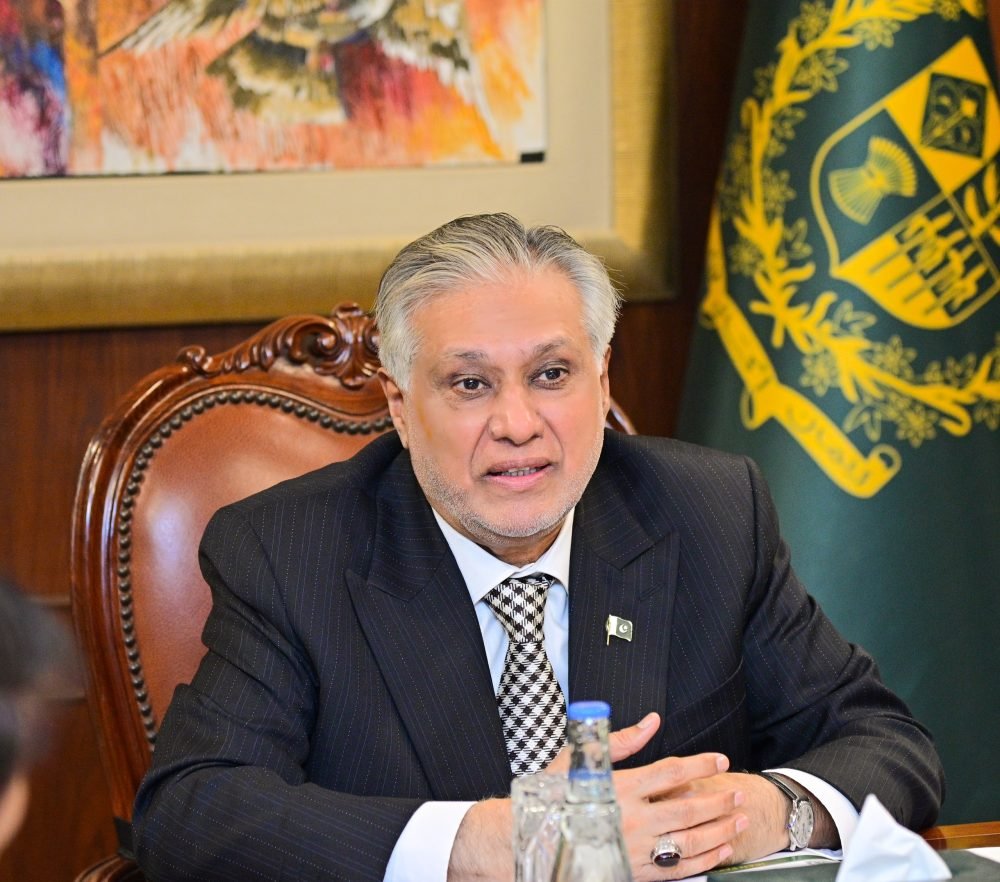
ISLAMABAD — Deputy Prime Minister and Foreign Minister Senator Mohammad Ishaq Dar met with Kyrgyz Foreign Minister Zheenbek Moldokanovich Kulubaev on Friday during the Shanghai Cooperation Organisation (SCO) Council of Foreign Ministers Meeting in Cholpon-Ata, Kyrgyzstan. The two leaders exchanged views on regional and international developments, emphasizing their commitment to collaborate in multilateral forums. What Happened During the meeting, Senator Mohammad Ishaq Dar and Foreign Minister Zheenbek Moldokanovich Kulubaev discussed various issues of mutual interest, focusing on enhancing bilateral relations between Pakistan and Kyrgyzstan. The discussions took place on the sidelines of the SCO Council of Foreign Ministers Meeting, which serves as a platform for member states to discuss issues of regional significance and promote cooperation. Both ministers underscored the importance of working together within the framework of the SCO to address regional challenges and promote peace and stability. They reaffirmed their resolve to strengthen ties through increased diplomatic engagement and collaboration in multilateral settings. The discussions also touched upon economic cooperation, trade, and investment opportunities between the two countries. Senator Dar highlighted Pakistan’s commitment to fostering regional connectivity and economic integration, emphasizing the potential for collaboration in sectors such as energy, infrastructure, and education. Foreign Minister Kulubaev expressed Kyrgyzstan’s interest in expanding economic ties with Pakistan and acknowledged the importance of joint efforts in addressing regional security issues. Background The SCO, established in 2001, is a Eurasian political, economic, and security alliance that includes China, India, Kazakhstan, Kyrgyzstan, Pakistan, Russia, Tajikistan, and Uzbekistan. The organization aims to promote regional cooperation, security, and economic development among its member states. Pakistan and Kyrgyzstan, both members of the SCO, have historically maintained cordial relations, with shared interests in regional stability and economic development. In recent years, Pakistan has sought to strengthen its ties with Central Asian countries, including Kyrgyzstan, to enhance regional connectivity and economic cooperation. The two countries have engaged in various diplomatic and economic initiatives, including trade agreements and cultural exchanges, to bolster their bilateral relationship. Why It Matters The meeting between the foreign ministers of Pakistan and Kyrgyzstan holds significant implications for regional cooperation and stability. By reaffirming their commitment to work together within the SCO framework, both countries demonstrate their willingness to address common challenges and pursue shared goals. This collaboration is crucial in the context of regional security dynamics, particularly in light of ongoing geopolitical tensions and economic uncertainties. For Pakistan, strengthening ties with Kyrgyzstan and other Central Asian nations aligns with its broader strategy to enhance regional connectivity and economic integration. By fostering closer economic and diplomatic relations, Pakistan aims to create new opportunities for trade and investment, which can contribute to its economic growth and development. Additionally, collaboration in multilateral forums like the SCO enables Pakistan to play a more active role in regional decision-making processes and enhance its diplomatic influence. For Kyrgyzstan, expanding its economic ties with Pakistan offers potential benefits in terms of increased trade and investment opportunities. As both countries seek to address regional security challenges, their cooperation can contribute to greater stability and peace in the region. This partnership also underscores the importance of multilateralism in addressing complex global issues and promoting sustainable development. Key Takeaways Pakistani and Kyrgyz foreign ministers discussed regional cooperation at the SCO meeting. The discussions focused on enhancing bilateral relations and economic ties. Both countries emphasized collaboration within the SCO framework. The meeting underscores the importance of regional connectivity and economic integration. Strengthening ties with Kyrgyzstan aligns with Pakistan’s broader regional strategy. Source Attribution This article is based on official government statements, press releases, and public communications from relevant authorities. Author: NEN Editorial Desk | Editor: NEN Newsroom | Fact Checked By: NEN Editorial Team Author: NEN Editorial Desk  |  Editor: NEN Newsroom  |  Last Updated: July 24, 2026  |  Source: Press Release from Government of Pakistan This article was produced by the NEN Editorial Desk in accordance with NEN Agency’s Editorial Policy and Fact-Checking Policy.
Pakistan

Gold Prices Drop by Rs4,600 Per Tola in Pakistan

ISLAMABAD — The price of gold in Pakistan’s local market experienced a notable decline on Friday, with the rate for 24-karat gold per tola decreasing by Rs4,600. This adjustment brings the new price to Rs427,436, as per the latest figures from the All Pakistan Sarafa Gems and Jewellers Association. What Happened On Friday, the All Pakistan Sarafa Gems and Jewellers Association reported a significant reduction in gold prices, marking a decrease of Rs4,600 per tola for 24-karat gold. This price adjustment reflects the dynamic nature of the gold market, which is influenced by a variety of factors, including international market trends, currency fluctuations, and local demand. The association’s statement indicated that the price of gold per tola now stands at Rs427,436, a substantial drop from the previous rate. This decline is part of a broader trend observed in recent weeks, where gold prices have shown volatility due to shifting economic conditions both domestically and internationally. Gold traders and jewellers in major cities such as Karachi, Lahore, and Islamabad have confirmed the new rates, noting that the decrease aligns with global market trends where gold prices have been under pressure. The international market has seen similar fluctuations, with changes in investor sentiment and economic forecasts contributing to the current pricing. Background Gold has traditionally been a safe-haven asset in times of economic uncertainty, and its prices are closely monitored by investors and consumers alike. In Pakistan, gold is not only a commodity but also a cultural asset, often used in weddings and other significant life events. The local gold market is influenced by a combination of international market trends and local factors, including currency exchange rates and economic policies. Historically, gold prices in Pakistan have shown sensitivity to global economic conditions. For instance, during periods of economic downturn or geopolitical instability, gold prices tend to rise as investors seek safer investment options. Conversely, when the global economy shows signs of stability and growth, gold prices may decrease as investors shift their focus to other assets. Why It Matters The recent drop in gold prices holds significant implications for various stakeholders in Pakistan. For consumers, particularly those planning weddings or other events requiring gold purchases, the decrease offers a more affordable opportunity to buy gold. This can lead to increased consumer spending in the jewellery sector, potentially boosting local businesses. Economically, the fluctuation in gold prices can impact Pakistan’s trade balance. Gold imports constitute a considerable portion of the country’s import bill, and changes in gold prices can affect the overall trade deficit. A decrease in gold prices could reduce the cost of imports, providing some relief to the national economy. Politically, the gold market’s performance can influence public perception of economic management. As gold is often seen as a barometer of economic stability, significant price changes can reflect broader economic conditions, affecting public confidence in government policies. Internationally, the changes in Pakistan’s gold prices can also affect regional markets, as gold is a globally traded commodity. The interplay between local and international markets highlights the interconnectedness of global economies and the impact of international trends on domestic markets. Key Takeaways The price of 24-karat gold per tola in Pakistan decreased by Rs4,600, settling at Rs427,436. The decline aligns with global market trends and reflects changes in investor sentiment. The reduction in gold prices may benefit consumers and boost local jewellery businesses. Fluctuations in gold prices can impact Pakistan’s trade balance and economic stability. Gold price changes can influence public perception of economic management and policy effectiveness. Source Attribution This article is based on official statements and public communications from the All Pakistan Sarafa Gems and Jewellers Association. Author: NEN Editorial Desk | Editor: NEN Newsroom | Fact Checked By: NEN Editorial Team Author: NEN Editorial Desk  |  Editor: NEN Newsroom  |  Last Updated: July 24, 2026  |  Source: NEN Reporter This article was produced by the NEN Editorial Desk in accordance with NEN Agency’s Editorial Policy and Fact-Checking Policy.

World

Ishaq Dar Joins SCO Delegation Heads in Kyrgyzstan Painting Ceremony

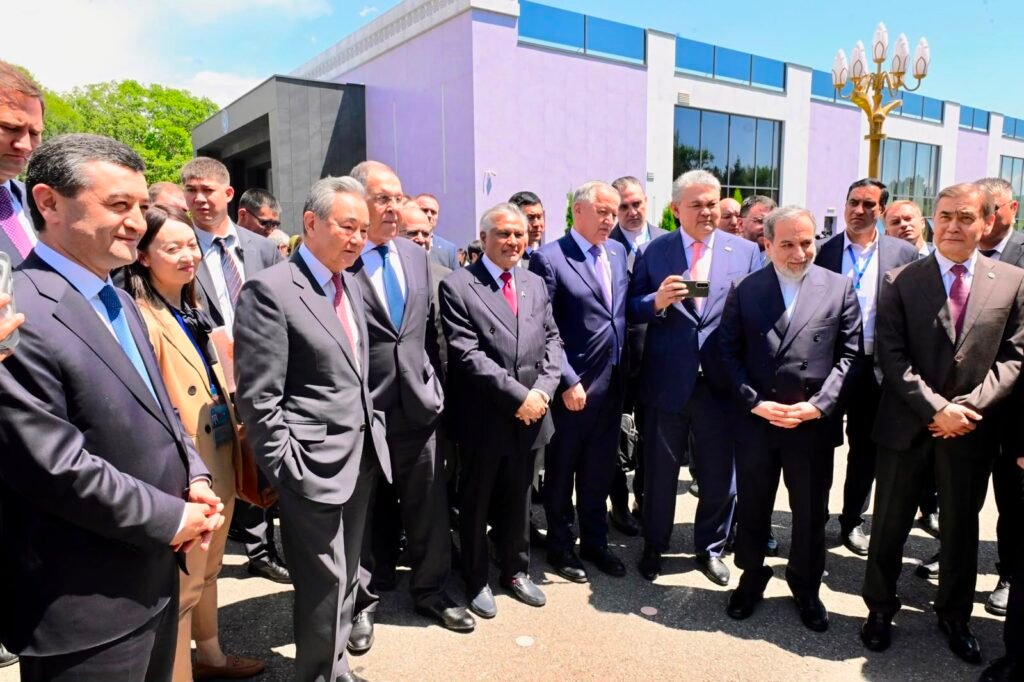
ISLAMABAD — Deputy Prime Minister and Foreign Minister Senator Mohammad Ishaq Dar, along with the Heads of Delegation from the Shanghai Cooperation Organization (SCO) Member States, participated in a Joint Painting Ceremony on Friday. The event took place on the sidelines of the SCO Council of Foreign Ministers Meeting in Cholpon-Ata, Kyrgyzstan. What Happened The Joint Painting Ceremony, held in Cholpon-Ata, Kyrgyzstan, was a symbolic event where leaders from the SCO member countries came together to contribute to a collaborative artwork. The ceremony featured the painting of tree branches, a metaphorical representation of unity and growth among the member states. The event was part of the broader agenda of the SCO Council of Foreign Ministers Meeting, which aims to foster cooperation and dialogue among the member nations. Deputy Prime Minister Ishaq Dar, representing Pakistan, joined his counterparts from other SCO countries in this artistic endeavor. The painting ceremony was not just an artistic expression but also a diplomatic gesture underscoring the importance of cultural exchange and mutual understanding within the SCO framework. The leaders used this opportunity to discuss various issues of mutual interest, emphasizing the need for enhanced collaboration in areas such as security, trade, and cultural exchange. The SCO, which includes major Asian powers such as China, Russia, and India, along with several Central Asian nations, serves as a platform for addressing regional challenges and promoting economic and security cooperation. The meeting in Kyrgyzstan is part of the ongoing efforts to strengthen ties and address common challenges faced by the member states. Background The Shanghai Cooperation Organization was founded in 2001 and has since grown to include eight member states, four observer states, and several dialogue partners. The organization focuses on regional security, economic cooperation, and cultural exchange. Over the years, the SCO has played a significant role in fostering dialogue and cooperation among its members, addressing issues such as terrorism, separatism, and extremism. Pakistan became a full member of the SCO in 2017, marking a significant step in its diplomatic relations with Central Asian countries and other member states. The country has since been actively participating in SCO activities, contributing to discussions on regional security, economic development, and cultural cooperation. Why It Matters The participation of Deputy Prime Minister Ishaq Dar in the Joint Painting Ceremony highlights Pakistan’s commitment to engaging with regional partners through the SCO. This engagement is crucial for Pakistan as it seeks to enhance its diplomatic and economic ties with neighboring countries and major powers in the region. The SCO provides a valuable platform for Pakistan to voice its concerns, share its perspectives, and collaborate on issues of mutual interest. Economically, the SCO represents a significant opportunity for Pakistan to expand its trade relations and attract investment from member countries. The organization’s emphasis on economic cooperation aligns with Pakistan’s goals of boosting its economy through increased trade and investment. Additionally, cultural exchanges, such as the painting ceremony, help build trust and understanding among the member states, fostering a sense of community and shared purpose. Politically, Pakistan’s active participation in the SCO enhances its standing in the international arena and reinforces its role as a key player in regional affairs. The organization serves as a counterbalance to other regional alliances, providing Pakistan with a platform to engage with both regional and global powers on an equal footing. Key Takeaways Deputy Prime Minister Ishaq Dar participated in a Joint Painting Ceremony in Kyrgyzstan with SCO leaders. The ceremony symbolized unity and growth among SCO member states through collaborative artwork. The SCO meeting in Kyrgyzstan focused on enhancing regional cooperation in security, trade, and culture. Pakistan’s involvement in the SCO underscores its commitment to regional diplomacy and economic collaboration. The SCO provides Pakistan with opportunities for economic growth and increased international engagement. Source Attribution This article is based on official government statements, press releases, and public communications from relevant authorities. Author: NEN Editorial Desk | Editor: NEN Newsroom | Fact Checked By: NEN Editorial Team Author: NEN Editorial Desk  |  Editor: NEN Newsroom  |  Last Updated: July 24, 2026  |  Source: NEN Reporter This article was produced by the NEN Editorial Desk in accordance with NEN Agency’s Editorial Policy and Fact-Checking Policy.

Scroll to Top