
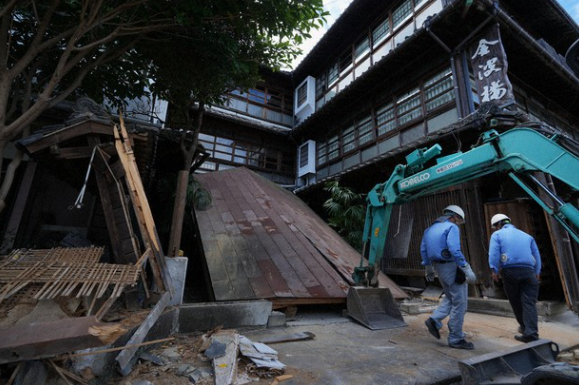
ISLAMABAD — Over 8,000 individuals remain in evacuation shelters one week after a powerful earthquake struck Kumamoto Prefecture in southwestern Japan, as the region grapples with persistent water shortages and extreme heat conditions.
What Happened
A magnitude 7.1 earthquake hit Kumamoto Prefecture in southwestern Japan last week, causing significant damage to infrastructure and displacing thousands of residents. As of Tuesday, more than 8,000 people continue to reside in evacuation shelters, struggling with the dual challenges of water shortages and an ongoing heatwave.
The earthquake, which struck on a Thursday, led to widespread destruction, with buildings collapsing and roads becoming impassable. The Japanese government has been actively working to restore essential services, but the recovery process has been hampered by the persistent heat, which has exacerbated the living conditions for those displaced.
Local authorities have been distributing water and other essential supplies to those in shelters. However, the combination of high temperatures and limited access to clean water has raised concerns about the health and well-being of evacuees. “The situation is dire, and we are doing everything we can to provide relief,” a local official stated.
Efforts to restore water services are ongoing, but officials have warned that it may take several more days before normalcy is restored. In the meantime, emergency services are prioritizing the delivery of water and medical aid to the most affected areas.
Background
Japan is no stranger to seismic activity, with its location along the Pacific Ring of Fire making it prone to earthquakes. The Kumamoto region has experienced significant seismic events in the past, including a series of earthquakes in 2016 that resulted in considerable damage and loss of life. The Japanese government has since implemented stricter building codes and emergency preparedness measures to mitigate the impact of such natural disasters.
The recent earthquake is a stark reminder of the region’s vulnerability to natural disasters and the ongoing need for robust disaster response mechanisms. The current situation has also highlighted the challenges posed by climate change, as extreme weather conditions become more frequent and severe.
Why It Matters
The ongoing crisis in Kumamoto Prefecture underscores the critical importance of disaster preparedness and the need for resilient infrastructure. The prolonged displacement of thousands of residents not only poses immediate health risks but also has long-term implications for the region’s economic recovery.
The economic impact of the earthquake is expected to be significant, with damage to infrastructure affecting local businesses and industries. The disruption of essential services, such as water supply, further compounds the economic challenges faced by the region. As Japan continues to recover from the COVID-19 pandemic, the additional strain of natural disasters could hinder national recovery efforts.
Socially, the crisis has brought communities together, with volunteers and local organizations stepping up to provide support to those in need. However, the psychological toll on evacuees, particularly children and the elderly, cannot be overlooked. The stress of displacement and uncertainty about the future may have lasting effects on mental health and community cohesion.
Internationally, the situation in Kumamoto serves as a reminder of the global challenges posed by natural disasters and climate change. Countries around the world must prioritize disaster risk reduction and climate adaptation strategies to protect vulnerable populations and ensure sustainable development.
Key Takeaways
- Over 8,000 people remain in evacuation shelters in Kumamoto Prefecture one week after a magnitude 7.1 earthquake.
- Water shortages and extreme heat are exacerbating living conditions for displaced residents.
- Efforts to restore essential services are ongoing, but challenges remain due to the heatwave.
- The crisis highlights the importance of disaster preparedness and resilient infrastructure.
- The economic and social impacts of the earthquake are significant, with long-term implications for the region.
Source Attribution
This article is based on official government statements, press releases, and public communications from relevant authorities.














