
UNITED NATIONS — A recent United Nations survey has revealed that 94 percent of Gaza’s 2.1 million residents are in dire need of shelter assistance as Israeli military actions persist in the region. UN agencies and peacekeepers issued this warning on Thursday, highlighting the severe humanitarian crisis unfolding in the war-torn enclave.
What Happened
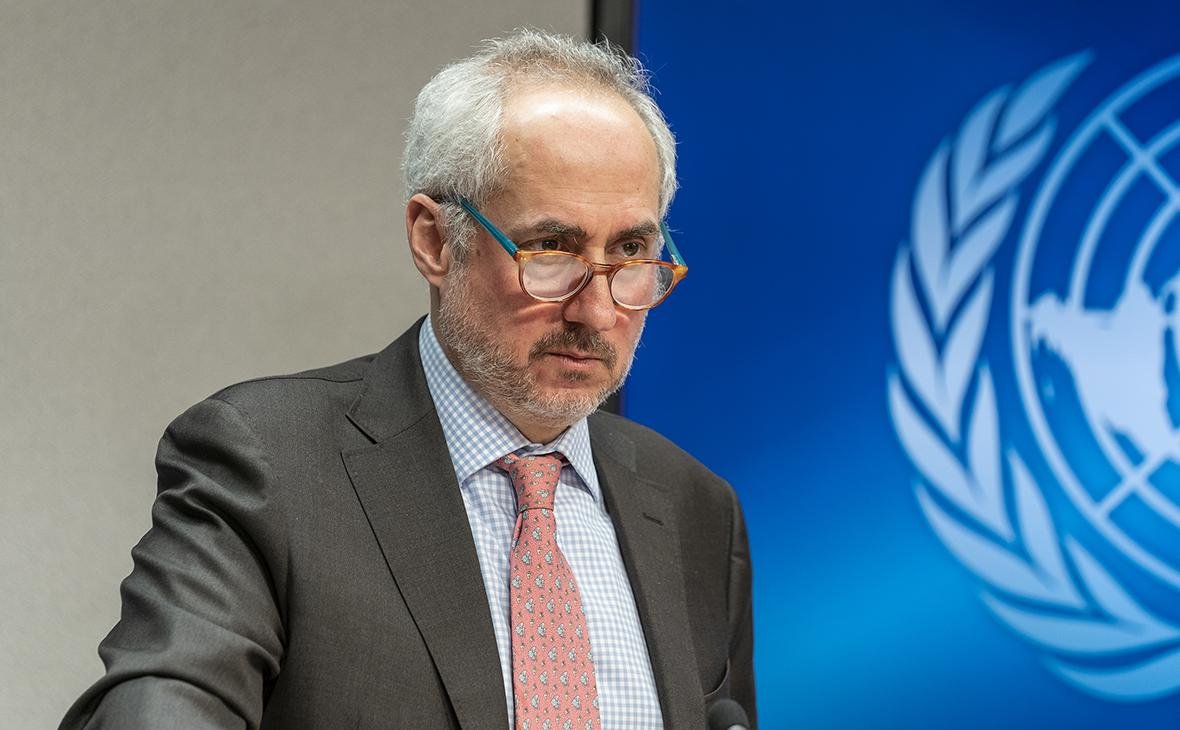
According to the UN, more than four out of five families in Gaza are experiencing critical or catastrophic living conditions. These conditions are exacerbated by a lack of fuel, energy, and essential household items. UN Spokesperson Stephane Dujarric explained that these shortages severely impact daily life, affecting residents’ ability to perform basic tasks such as sleeping, cooking, washing, storing food and water, maintaining adequate lighting, and coping with extreme weather conditions.
Nearly two-thirds of Gaza’s families are currently residing in tents or makeshift shelters, which are rapidly deteriorating due to their temporary nature. Last winter, over 70 percent of these families faced flooding, underscoring the urgent need for more permanent housing solutions. Dujarric noted the ongoing challenges in delivering structured shelter to Gaza, citing funding shortages and Israeli restrictions on the entry of construction materials and equipment. The UN and its partners estimate that $562 million is needed to improve living conditions in the area.
The UN Office for the Coordination of Humanitarian Affairs (OCHA) continues to report on the civilian toll of the conflict, with Palestinian civilians, including children, being killed or injured by Israeli airstrikes, shelling, and gunfire. On Thursday, the remains of 50 individuals, including 19 children, were interred after being recovered from the rubble in Gaza, having been killed over two years ago.
Efforts to clear rubble and retrieve bodies are hampered by restrictions on the entry of heavy machinery and other essential supplies. Meanwhile, the UN Development Programme (UNDP) has expanded pest control activities to address unsanitary conditions, reaching over 3,250 high-risk sites since May.
Background
The Gaza Strip has been a focal point of conflict for decades, with the most recent escalation in violence stemming from long-standing political and territorial disputes between Israel and Palestinian groups. The blockade imposed by Israel and Egypt has severely restricted the movement of goods and people, contributing to the humanitarian crisis. International efforts to broker peace have repeatedly stalled, leaving the region in a state of perpetual conflict.
The UN has been actively involved in providing humanitarian aid and advocating for the rights of civilians in Gaza. However, the delivery of aid has been consistently challenged by logistical and political barriers, including restrictions imposed by the Israeli government.
Why It Matters
The humanitarian crisis in Gaza has significant implications for regional stability and international relations. The dire living conditions faced by the majority of Gaza’s population highlight the urgent need for a sustainable resolution to the conflict. The inability to provide adequate shelter and basic necessities not only exacerbates the suffering of civilians but also fuels further unrest and instability in the region.
Economically, the ongoing conflict and humanitarian crisis hinder development and investment opportunities, perpetuating a cycle of poverty and dependency on international aid. Socially, the lack of basic infrastructure and services severely impacts the health and well-being of residents, particularly children, who are deprived of education and safe living environments.
Internationally, the situation in Gaza continues to draw attention and criticism from human rights organizations and governments worldwide. The UN’s call for increased funding and support underscores the global responsibility to address the humanitarian needs of Gaza’s population and work towards a peaceful resolution of the conflict.
Key Takeaways
- 94 percent of Gaza’s population requires shelter assistance due to ongoing Israeli military actions.
- UN agencies report critical living conditions, with shortages of fuel, energy, and essential items.
- Efforts to provide permanent housing are hindered by funding shortfalls and Israeli restrictions.
- The humanitarian crisis in Gaza has broader implications for regional stability and international relations.
- Increased global support and funding are needed to address the urgent needs of Gaza’s residents.
Source Attribution
This article is based on official government statements, press releases, and public communications from relevant authorities.














