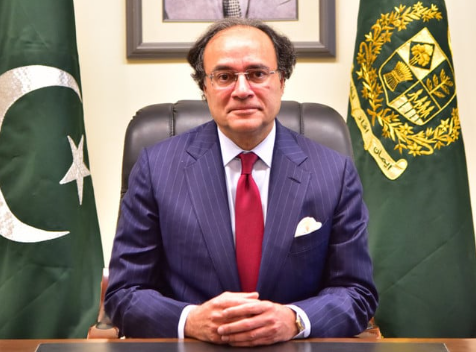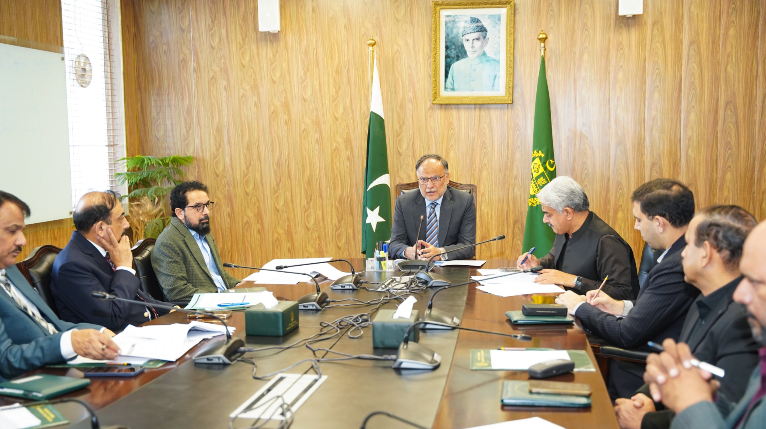
ISLAMABAD — Federal Minister for Planning, Development and Special Initiatives, Professor Ahsan Iqbal, emphasized the importance of comprehensive tax reforms and digitalization as key drivers for Pakistan’s economic transformation. Speaking on Thursday, he highlighted these measures as essential components of the Uraan Pakistan initiative aimed at revitalizing the national economy.
What Happened
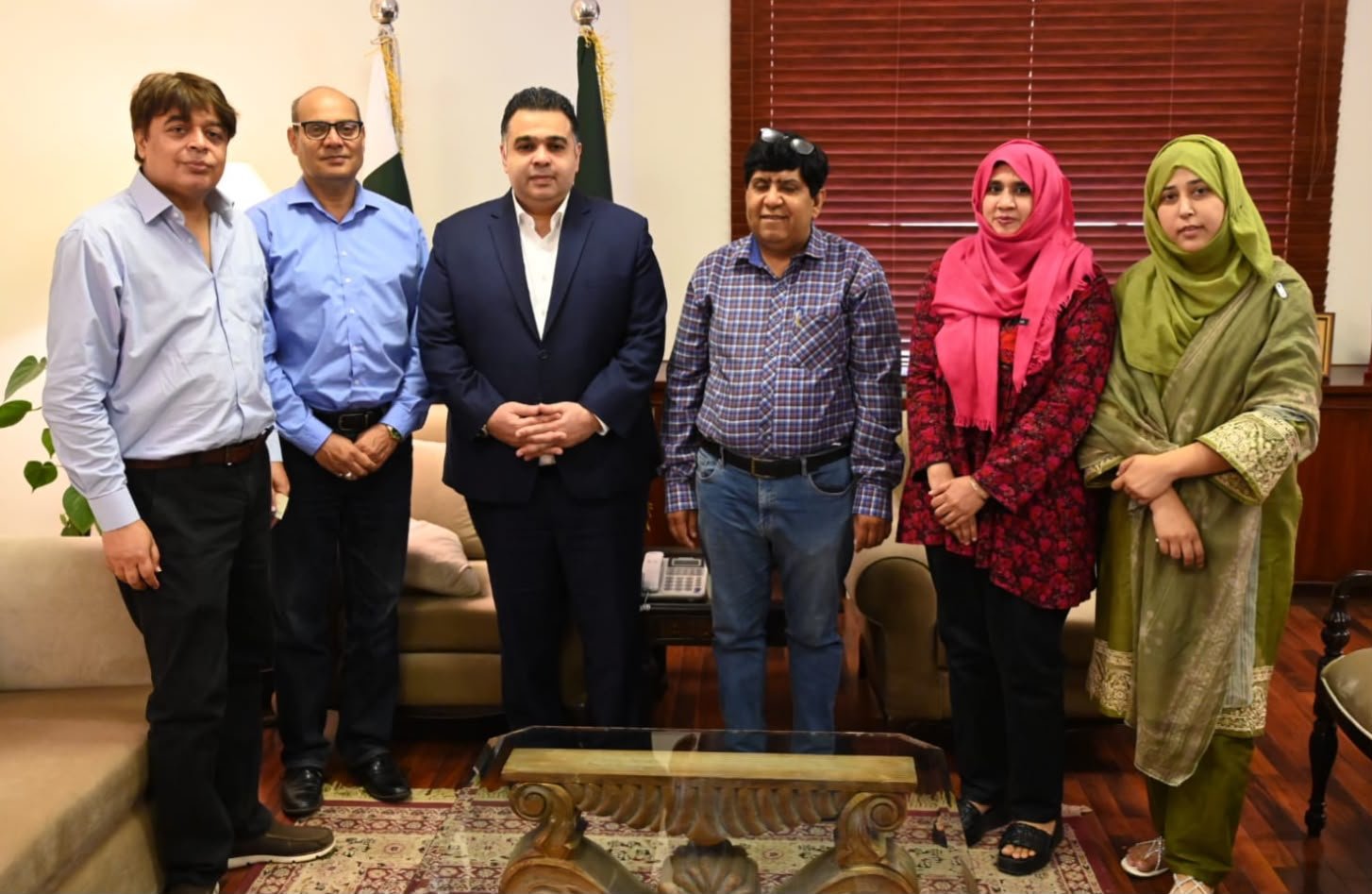
During a meeting focused on the National Economic Mission of Uraan Pakistan, Ahsan Iqbal underscored the need for strategic tax reforms and enhanced resource mobilization to achieve the initiative’s ambitious targets. He stated, “Comprehensive tax reforms and digitalization are crucial to providing the financial engine required for the economic transformation envisioned by Uraan Pakistan.” The meeting brought together key stakeholders to discuss the roadmap for implementing these changes.
Iqbal elaborated on the role of digitalization in streamlining government processes and improving efficiency across various sectors. He noted that adopting digital technologies could significantly enhance transparency and accountability, thereby fostering a more conducive environment for economic growth. The minister also pointed out that resource mobilization efforts would be critical in ensuring that the financial goals of Uraan Pakistan are met, enabling the country to achieve sustainable development.
The meeting also addressed the challenges faced in implementing these reforms, including resistance to change and the need for capacity building within governmental institutions. Iqbal called for a collaborative approach, involving both public and private sectors, to overcome these hurdles and ensure the successful execution of the Uraan Pakistan initiative.
Background
The Uraan Pakistan initiative is part of the government’s broader strategy to stimulate economic growth and development. Launched with the aim of transforming Pakistan into a competitive economy, the initiative focuses on key areas such as infrastructure development, technological advancement, and human capital enhancement. Historically, Pakistan has faced challenges in tax collection and resource mobilization, which have hindered economic progress. Previous attempts at reform have met with limited success due to various structural and administrative barriers.
In recent years, the government has increasingly recognized the potential of digitalization as a tool for economic development. Efforts have been made to integrate digital technologies into public administration and service delivery, although progress has been uneven across different sectors.
Why It Matters
The emphasis on tax reforms and digitalization is significant for several reasons. Economically, these measures are expected to broaden the tax base, increase government revenue, and reduce fiscal deficits. By improving resource mobilization, the government can invest more in critical areas such as education, healthcare, and infrastructure, which are vital for long-term economic stability and growth.
Socially, digitalization can lead to more equitable service delivery, reducing disparities in access to essential services. It can also empower citizens by providing them with more efficient and transparent government interactions. Politically, successful implementation of these reforms could enhance public trust in government institutions, which is crucial for maintaining social cohesion and stability.
On an international level, demonstrating a commitment to economic reform and digitalization could improve Pakistan’s standing with global investors and financial institutions. This could lead to increased foreign investment, which is essential for driving economic growth and development.
Key Takeaways
- Federal Minister Ahsan Iqbal emphasizes tax reforms and digitalization as key components of Uraan Pakistan.
- These reforms aim to provide the financial engine for economic transformation and sustainable development.
- Challenges include resistance to change and the need for capacity building within governmental institutions.
- Successful implementation could enhance economic stability, social equity, and international investment.
- Uraan Pakistan is part of a broader strategy to make Pakistan a competitive economy through infrastructure and technological advancements.
Source Attribution
This article is based on official government statements and public communications from relevant authorities.