
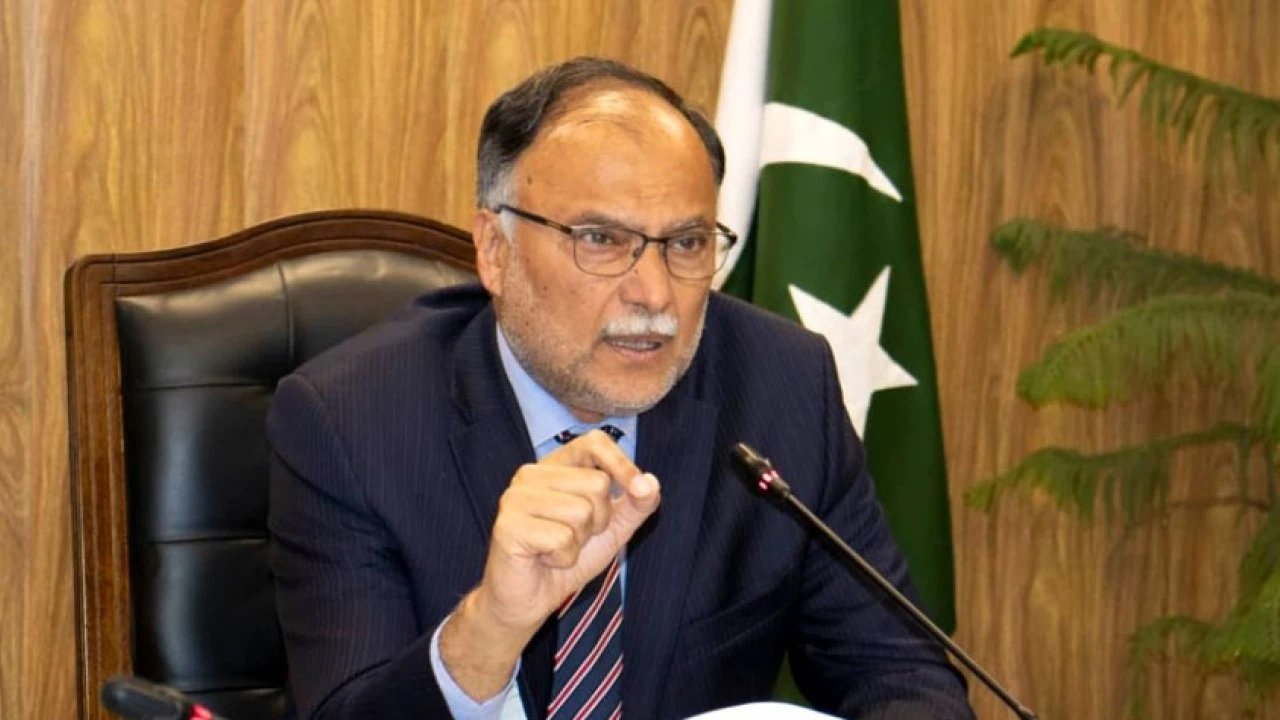
LAHORE — Federal Minister for Planning, Development and Special Initiatives Ahsan Iqbal emphasized on Saturday that Artificial Intelligence (AI) and Information Technology (IT) exports are pivotal for Pakistan’s economic future. Speaking at a conference in Lahore, he highlighted the potential of these sectors to drive economic growth without the need for large-scale industrial infrastructure.
What Happened
During his address, Minister Ahsan Iqbal underscored the transformative potential of AI and IT exports for Pakistan’s economy. He noted that the success in these sectors does not hinge on substantial physical infrastructure or heavy capital investments. Instead, it relies on the country’s pool of talented individuals, their knowledge, and innovative capabilities. “Our youth have the potential to lead the world in technology and innovation,” he stated, urging the government and private sector to invest in nurturing this talent.
Iqbal pointed out that Pakistan’s current economic challenges could be alleviated through strategic investments in the IT sector. He called for a focus on enhancing the digital skills of the workforce to meet global standards, thereby increasing the country’s competitiveness in the international market. The minister also highlighted the importance of creating a conducive environment for startups and tech companies to flourish.
The minister’s remarks come at a time when Pakistan is striving to boost its exports and reduce its trade deficit. The IT sector, with its relatively low entry barriers and high potential returns, is seen as a promising avenue for achieving these goals.
Background
Pakistan’s IT sector has been growing steadily over the past decade, contributing significantly to the country’s GDP. The government has implemented various initiatives to bolster this growth, including tax incentives for IT companies and the establishment of technology parks. Despite these efforts, the sector still faces challenges such as inadequate infrastructure, limited access to capital, and a shortage of skilled professionals.
Historically, Pakistan’s economy has been heavily reliant on agriculture and textiles. However, with the global shift towards digital economies, there is a growing recognition of the need to diversify and strengthen the IT sector. Previous government efforts have included the Digital Pakistan initiative, which aims to improve internet connectivity and digital literacy across the country.
Why It Matters
The emphasis on AI and IT exports is crucial for several reasons. Economically, these sectors offer a pathway to diversify Pakistan’s export portfolio, which has traditionally been dominated by textiles. By tapping into the global IT market, Pakistan can increase its foreign exchange earnings and reduce its trade deficit.
Socially, the development of the IT sector can lead to job creation and skill development, particularly among the youth. With a significant portion of Pakistan’s population under the age of 30, there is a pressing need to provide employment opportunities that align with global technological trends. Enhancing digital literacy and skills can empower young Pakistanis to compete in the global job market.
On an international level, strengthening the IT sector can improve Pakistan’s standing as a competitive player in the global economy. By exporting technology and innovation, Pakistan can build stronger economic ties with other countries and attract foreign investment.
Key Takeaways
- AI and IT exports are seen as key drivers for Pakistan’s economic growth.
- Minister Ahsan Iqbal emphasized the potential of the IT sector to overcome economic challenges.
- Investment in digital skills and infrastructure is crucial for enhancing competitiveness.
- Developing the IT sector can diversify Pakistan’s export portfolio and create jobs.
- Strengthening the IT sector can improve Pakistan’s international economic standing.
Source Attribution
This article is based on official statements and public communications from relevant authorities.














