
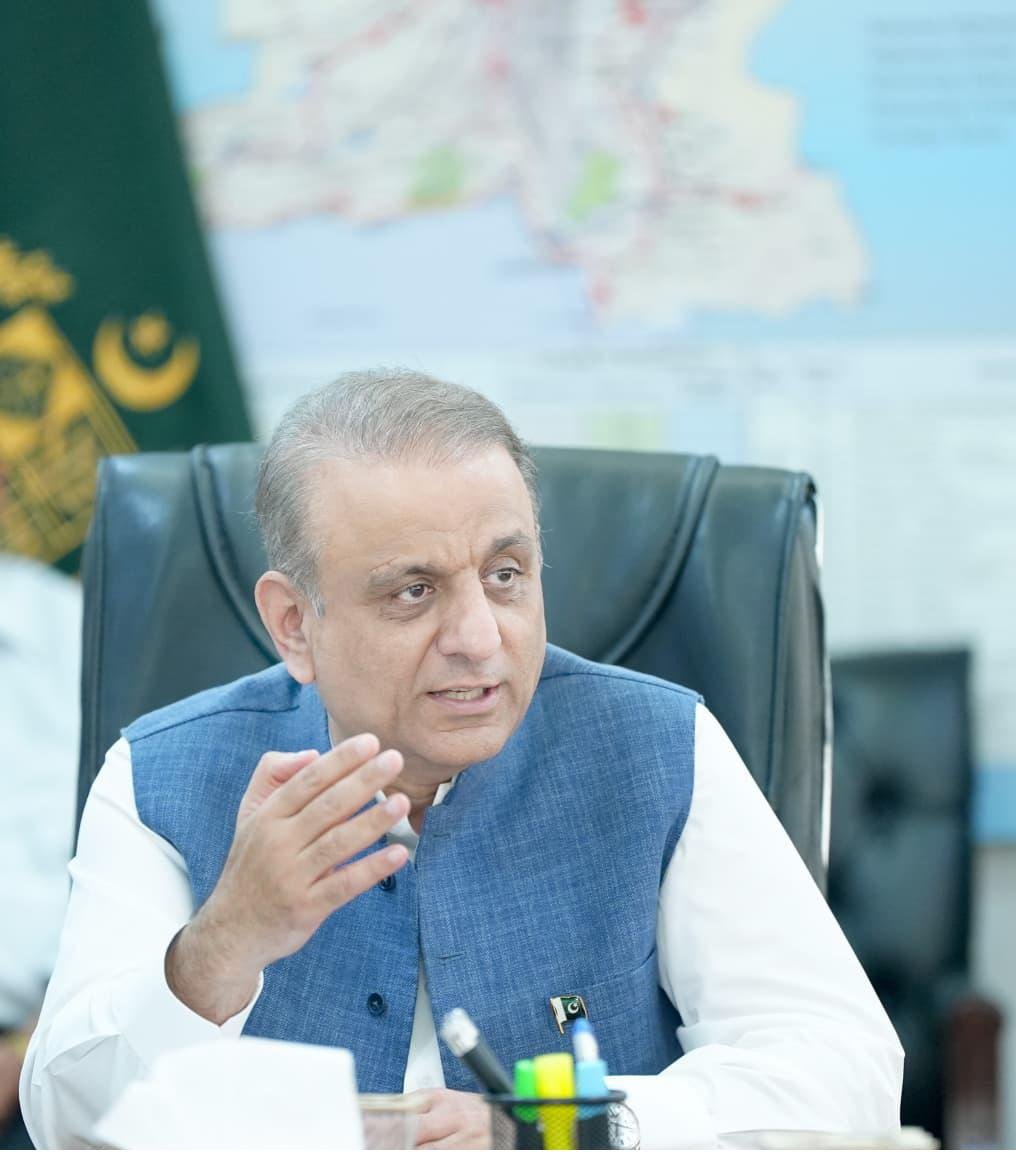
MUZAFFARABAD — Abdul Aleem Khan, President of the Istehkam-e-Pakistan Party (IPP), has called upon the electorate of Azad Jammu and Kashmir (AJK) to prioritize national interests and the performance of candidates in the upcoming elections. Speaking to a gathering on Sunday, Khan emphasized the importance of responsible voting, particularly urging the youth to make informed decisions that align with the broader aspirations of the nation.
What Happened
In a recent address to the people of Azad Jammu and Kashmir, Abdul Aleem Khan urged voters to exercise their electoral rights with a focus on national interests and the track record of candidates. Khan highlighted the critical role that voters play in shaping the future of the region and the country at large. He stressed that the youth, as a significant demographic, should lead the way in making choices that reflect a commitment to progress and development.
Khan’s appeal comes as AJK prepares for its electoral process, which is set to take place in the coming months. He remarked, “The power of the vote is immense, and it is the responsibility of every citizen to use it wisely. Our national interests should guide our choices, ensuring that we elect representatives who are dedicated to serving the people and advancing our collective goals.”
The IPP President also addressed the need for political accountability and transparency. He urged voters to scrutinize the past performance of candidates and political parties, advocating for a shift towards merit-based politics. Khan’s statements reflect a broader call for political reform and the strengthening of democratic institutions in the region.
Background
Azad Jammu and Kashmir, a self-governing administrative region, conducts its elections to elect representatives for its Legislative Assembly. The political landscape in AJK is influenced by both local and national dynamics, with various parties vying for influence in the region. Historically, elections in AJK have been a platform for addressing regional issues, with parties often aligning their agendas with national political narratives.
The Istehkam-e-Pakistan Party, led by Abdul Aleem Khan, is a relatively new political entity aiming to establish itself as a significant force in Pakistan’s political arena. The party’s focus on national interests and performance-based politics is part of its strategy to appeal to voters seeking change and accountability.
Why It Matters
The upcoming elections in AJK hold significant implications for the political stability and development of the region. Voter decisions will not only impact local governance but also influence the broader political climate in Pakistan. Khan’s call for prioritizing national interests underscores the interconnectedness of regional and national politics, highlighting the importance of informed and responsible voting.
For the youth of AJK, who represent a substantial portion of the electorate, this election is an opportunity to assert their influence and drive change. By emphasizing performance and accountability, voters can contribute to a political environment that prioritizes development and transparency, ultimately benefiting the region’s socio-economic landscape.
Moreover, the focus on national interests aligns with Pakistan’s broader goals of political stability and economic growth. As AJK navigates its electoral process, the choices made by its voters will resonate beyond its borders, affecting Pakistan’s trajectory on the national and international stage.
Key Takeaways
- Abdul Aleem Khan urges AJK voters to prioritize national interests and candidate performance in elections.
- The youth demographic is encouraged to lead responsible voting efforts in the region.
- Khan’s appeal emphasizes the importance of political accountability and transparency.
- The elections in AJK have significant implications for regional and national political dynamics.
- Voter decisions in AJK will influence Pakistan’s broader political and economic landscape.
Source Attribution
This article is based on official statements and public communications from relevant authorities.














