
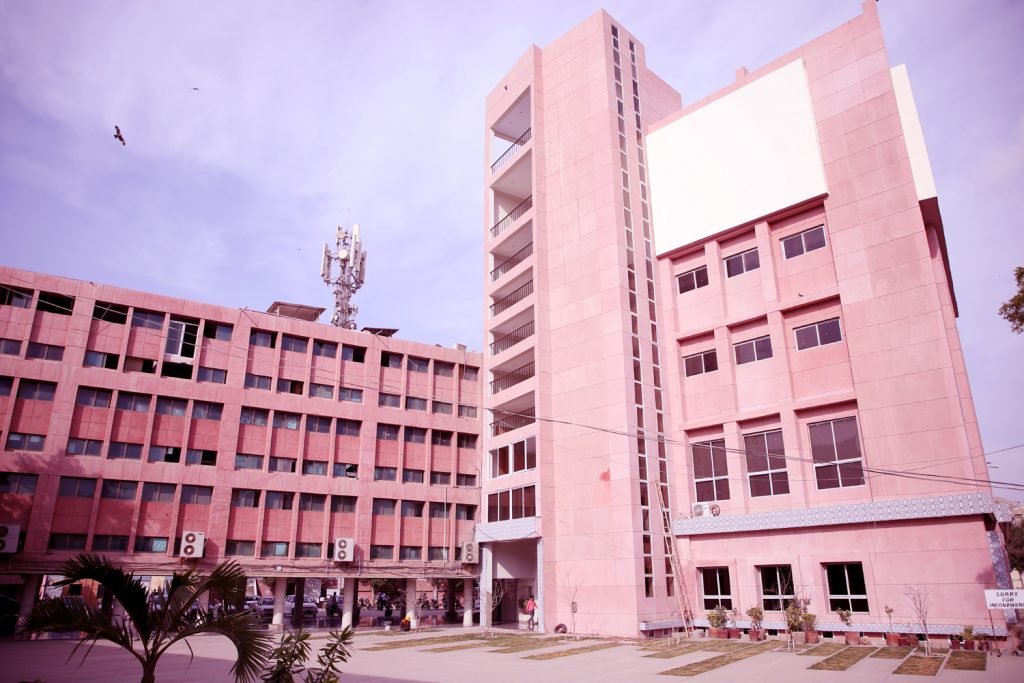
KARACHI — The Arts Council of Pakistan Karachi has successfully staged the classical drama “Naql-e-Makani” as part of its Alumni Series, showcasing the talents of the School of Visual & Performing Arts (SOVAPA). The event took place at Studio II, drawing theatre enthusiasts and art lovers from across the city.
What Happened
The Arts Council of Pakistan Karachi, in collaboration with its School of Visual & Performing Arts (SOVAPA), presented the fifth production of its Alumni Series with the staging of “Naql-e-Makani”. This classical drama, a hallmark of traditional storytelling, was performed at Studio II, a venue known for its intimate setting that allows for a closer connection between the audience and performers.
The play, “Naql-e-Makani”, is a celebrated piece in the annals of classical drama, renowned for its intricate narrative and rich character development. Directed by a team of experienced alumni from SOVAPA, the production brought together a cast of both seasoned actors and emerging talent, providing a platform for artistic expression and cultural exchange.
According to the Arts Council, the event was well-received, with attendees praising the high-quality performances and the dedication of the cast and crew. “The staging of ‘Naql-e-Makani’ is a testament to our commitment to preserving and promoting classical theatre in Pakistan,” said a spokesperson for the Arts Council.
Background
The Arts Council of Pakistan Karachi has a long-standing tradition of supporting the arts and fostering a vibrant cultural scene in the city. The School of Visual & Performing Arts (SOVAPA) is an integral part of this mission, providing education and training in various artistic disciplines. The Alumni Series is an initiative designed to highlight the work of former students, offering them a platform to showcase their talents and contribute to the cultural landscape.
“Naql-e-Makani” is a classical drama that has been part of the cultural heritage of the region. Its themes of identity, tradition, and societal change resonate with audiences, making it a popular choice for theatrical productions. The play’s historical significance and its relevance to contemporary issues make it a compelling piece for both performers and viewers.
Why It Matters
The staging of “Naql-e-Makani” at the Arts Council Karachi is significant for several reasons. Culturally, it underscores the importance of preserving classical literature and theatre, which are vital components of Pakistan’s rich artistic heritage. By bringing such works to the stage, the Arts Council not only honors tradition but also inspires a new generation of artists and audiences.
Economically, events like these contribute to the local economy by attracting visitors and supporting jobs in the arts and hospitality sectors. The successful execution of such productions enhances Karachi’s reputation as a cultural hub, potentially drawing more tourists and art aficionados to the city.
Socially, the play offers a platform for dialogue and reflection on themes that are pertinent to contemporary society. It encourages audiences to engage with complex issues through the lens of art, fostering a deeper understanding and appreciation of diverse perspectives.
Furthermore, the involvement of SOVAPA alumni highlights the role of educational institutions in nurturing talent and promoting professional growth in the arts. By providing opportunities for alumni to showcase their work, the Arts Council reinforces the value of arts education in shaping the cultural fabric of the nation.
Key Takeaways
- The Arts Council Karachi staged the classical drama “Naql-e-Makani” as part of its Alumni Series.
- The play was performed at Studio II, featuring a cast of SOVAPA alumni and emerging talent.
- “Naql-e-Makani” is a significant piece of classical literature, relevant to contemporary societal themes.
- The event underscores the importance of preserving cultural heritage and fostering new artistic talent.
- Such productions contribute to Karachi’s cultural and economic landscape.
Source Attribution
This article is based on official statements and public communications from the Arts Council of Pakistan Karachi.














