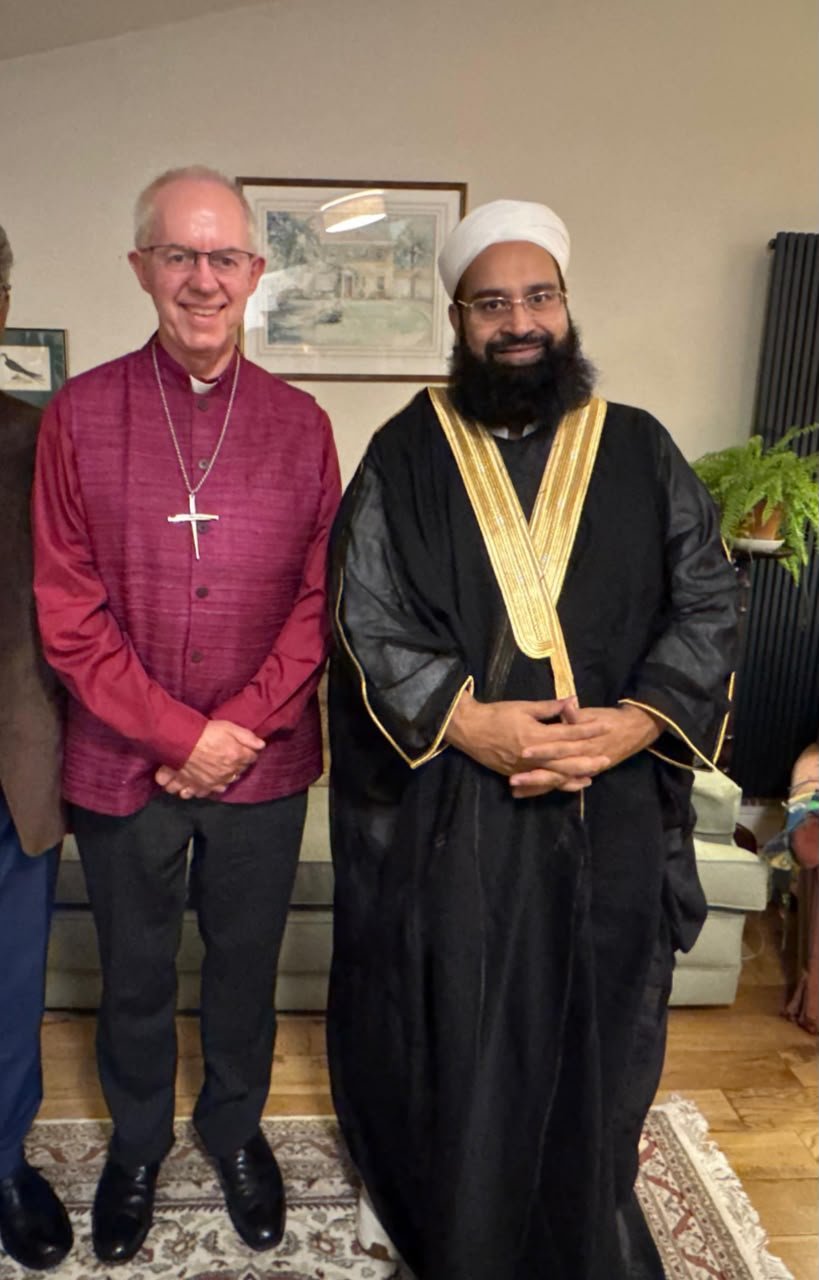
ISLAMABAD — Chairman of the Pakistan Ulema Council, Hafiz Muhammad Tahir Mehmood Ashrafi, met with former Archbishop of Canterbury, Justin Welby, to discuss strategies for promoting global peace and interfaith harmony. The meeting took place at Welby’s residence in Islamabad on September 13, with a focus on addressing the current global situation and fostering interfaith dialogue.
What Happened
During the meeting, Ashrafi and Welby engaged in an in-depth discussion on the role of religious leaders in promoting peace and understanding across different faiths. They deliberated on the importance of interfaith dialogue as a tool to bridge gaps between communities and to counteract the rising tide of extremism and intolerance worldwide. Both leaders emphasized the need for strengthening contacts among religious communities to foster a culture of peace.
Ashrafi highlighted the efforts of the Pakistan Ulema Council in promoting religious tolerance and peace within Pakistan and beyond. He stated, “The role of religious leaders is crucial in guiding their followers towards peaceful coexistence and mutual respect.” Welby, who served as the Archbishop of Canterbury until 2021, shared his experiences in interfaith initiatives and stressed the importance of collaborative efforts to achieve lasting peace.
The dialogue also touched upon the prevailing global challenges, including conflicts in various regions, the refugee crisis, and the impact of climate change on vulnerable communities. Both leaders agreed that religious communities have a unique position to influence positive change and address these issues through collective action.
Background
Hafiz Muhammad Tahir Mehmood Ashrafi is a prominent religious leader in Pakistan, known for his efforts in promoting peace and interfaith harmony. As the Coordinator of the National Paigham-e-Aman Committee, he has been instrumental in organizing dialogues and conferences aimed at reducing sectarian tensions and promoting unity among different religious groups in Pakistan.
Justin Welby, who served as the Archbishop of Canterbury from 2013 to 2021, has been an advocate for peace and reconciliation. He has been involved in numerous interfaith initiatives and has worked towards building bridges between different religious communities globally. His tenure was marked by efforts to address social justice issues and promote understanding across faiths.
Why It Matters
The meeting between Ashrafi and Welby is significant in the context of ongoing global efforts to address religious intolerance and promote peace. Religious leaders play a crucial role in shaping the beliefs and attitudes of their followers, making their involvement in peace initiatives vital. By engaging in dialogue and collaboration, leaders like Ashrafi and Welby can influence positive change and encourage their communities to embrace diversity and coexist peacefully.
In Pakistan, where religious tensions have historically been a source of conflict, efforts to promote interfaith harmony are particularly important. The Pakistan Ulema Council’s initiatives, supported by international figures like Welby, can contribute to reducing sectarian violence and fostering a more inclusive society.
Globally, the challenges of extremism, climate change, and humanitarian crises require a collective response. Religious communities, with their extensive networks and influence, are well-positioned to lead efforts in addressing these issues. The collaboration between leaders from different faiths can set an example for others to follow, demonstrating that peace and understanding are achievable through dialogue and cooperation.
Key Takeaways
- Hafiz Muhammad Tahir Mehmood Ashrafi and former Archbishop Justin Welby discussed global peace and interfaith harmony.
- The meeting emphasized the role of religious leaders in promoting peace and understanding.
- Discussions included global challenges such as extremism, the refugee crisis, and climate change.
- Ashrafi highlighted the Pakistan Ulema Council’s efforts in promoting religious tolerance.
- Collaboration between religious leaders is crucial for addressing global issues and fostering peace.
Source Attribution
This article is based on official statements and public communications from relevant authorities.