
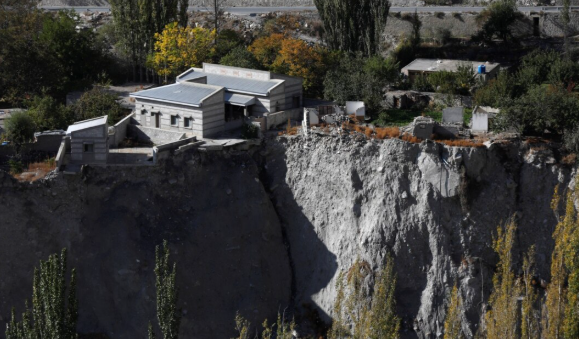
ASTORE — Deputy Commissioner Astore Madam Neelam Ali and Assistant Commissioner Shounter Taufeeq Ahmed conducted a comprehensive review of the compensation process for properties affected by the Goreekot–Shaghurthang Road project. The officials visited the project site to oversee the efforts of the revenue team responsible for evaluating and compensating land and property owners impacted by the development.
What Happened
The visit by Deputy Commissioner Neelam Ali and Assistant Commissioner Taufeeq Ahmed to the Goreekot–Shaghurthang Road project site marks a significant step in ensuring fair compensation for those whose properties lie in the path of the road’s expansion. The officials engaged with the revenue team, which has been tasked with meticulously assessing the value of the affected properties to determine appropriate compensation.
During their visit, the officials reviewed the ongoing work and provided guidance to ensure that the compensation process is conducted transparently and efficiently. The project, which aims to improve connectivity in the region, has necessitated the acquisition of land, impacting several property owners along the proposed route.
Deputy Commissioner Neelam Ali emphasized the importance of a fair and timely compensation process, stating, “Our primary goal is to ensure that all affected parties receive just compensation for their properties. This project is crucial for regional development, and we are committed to addressing the concerns of the local community.”
Assistant Commissioner Taufeeq Ahmed added, “We are closely monitoring the progress and are in constant communication with the revenue team to expedite the process. Transparency and fairness are our top priorities.”
Background
The Goreekot–Shaghurthang Road project is part of a broader initiative to enhance infrastructure in the Astore district. The road is expected to significantly improve transportation links, facilitating economic growth and access to essential services for local residents. However, the project requires the acquisition of land, which has raised concerns among property owners regarding fair compensation.
Historically, infrastructure projects in Pakistan have faced challenges related to land acquisition and compensation. Ensuring that affected parties are adequately compensated has been a recurring issue, often leading to delays and disputes. The involvement of district officials in the current project aims to mitigate such challenges and ensure a smooth execution of the compensation process.
Why It Matters
The Goreekot–Shaghurthang Road project holds significant economic and social implications for the Astore region. Improved road infrastructure is expected to boost local commerce by facilitating easier access to markets, reducing transportation costs, and attracting investment. This, in turn, could lead to job creation and improved livelihoods for residents.
From a social perspective, better connectivity will enhance access to healthcare, education, and other essential services, contributing to an improved quality of life for the community. However, the success of the project hinges on the fair treatment of affected property owners. The involvement of district officials in overseeing the compensation process underscores the government’s commitment to addressing local concerns and ensuring equitable outcomes.
Moreover, the project is a reflection of broader national efforts to improve infrastructure and promote regional development. Successful execution of such projects can serve as a model for other regions, demonstrating the benefits of transparent and fair compensation practices in infrastructure development.
Key Takeaways
- Deputy Commissioner Neelam Ali and Assistant Commissioner Taufeeq Ahmed reviewed the compensation process for the Goreekot–Shaghurthang Road project.
- The project aims to improve connectivity and economic growth in the Astore district.
- Ensuring fair compensation for affected property owners is a priority for local officials.
- Improved infrastructure is expected to enhance access to markets and essential services.
- The project reflects broader efforts to promote regional development in Pakistan.
Source Attribution
This article is based on official government statements, press releases, and public communications from relevant authorities.














