

Author name: NEN News

Pakistan

LCCI Urges Government to Address Petroleum Dealers’ Concerns

LAHORE — The Lahore Chamber of Commerce and Industry (LCCI) has called on the federal government to address the pressing issues faced by petroleum dealers across Pakistan. Faheem-ur-Rehman Saigol, a representative of LCCI, emphasized the need for immediate engagement and meaningful consultation to resolve these concerns. What Happened On Wednesday, Faheem-ur-Rehman Saigol of the LCCI expressed the chamber’s concerns regarding the challenges faced by petroleum dealers in Pakistan. Saigol urged the federal government to take swift action to engage with the dealers and address their issues through constructive dialogue. According to Saigol, the petroleum sector is a critical component of the national economy, and any disruption in its operations could have far-reaching implications. Saigol highlighted that the petroleum dealers have been facing numerous challenges, including issues related to pricing, supply chain disruptions, and regulatory hurdles. He stressed that these problems not only affect the dealers but also have a cascading effect on consumers and the overall economic stability of the country. “The government must prioritize this matter and ensure that the concerns of petroleum dealers are addressed promptly,” Saigol stated. The LCCI’s call for action comes at a time when the petroleum sector is grappling with fluctuating global oil prices and domestic supply chain issues. The chamber believes that effective communication and collaboration between the government and petroleum dealers are essential to finding sustainable solutions. Background The petroleum sector in Pakistan has historically been a vital part of the country’s economy, providing fuel for transportation, industry, and domestic use. However, the sector has faced challenges over the years, including price volatility, regulatory changes, and infrastructure constraints. In recent times, global oil price fluctuations have further complicated the situation, impacting the cost of petroleum products in the domestic market. In previous instances, petroleum dealers have raised concerns about the government’s pricing policies and the need for a more transparent and predictable regulatory environment. These issues have often led to tensions between the dealers and the government, necessitating dialogue and negotiation to find common ground. Why It Matters The concerns raised by the LCCI regarding petroleum dealers are significant for several reasons. Economically, the petroleum sector is a major contributor to Pakistan’s GDP and plays a crucial role in the functioning of various industries. Any disruption in the supply of petroleum products can lead to increased costs for businesses and consumers, affecting inflation and overall economic stability. Socially, the availability and pricing of petroleum products have a direct impact on the daily lives of citizens. Transportation costs, which are heavily influenced by fuel prices, affect the cost of goods and services, impacting household budgets and living standards. Ensuring a stable and predictable supply of petroleum products is therefore essential for maintaining social stability. Politically, the government’s ability to effectively manage the petroleum sector is a reflection of its broader economic management capabilities. Addressing the concerns of petroleum dealers through constructive dialogue can enhance public confidence in the government’s economic policies and foster a more collaborative relationship with key stakeholders. Key Takeaways The LCCI has called on the government to address the issues faced by petroleum dealers through meaningful consultation. Challenges in the petroleum sector include pricing, supply chain disruptions, and regulatory hurdles. The sector is crucial for Pakistan’s economy, affecting both businesses and consumers. Effective government-dealer collaboration is essential for ensuring economic stability and public confidence. Addressing these issues can prevent disruptions in the supply of petroleum products and mitigate inflationary pressures. Source Attribution This article is based on official government statements, press releases, and public communications from relevant authorities. Author: NEN Editorial Desk | Editor: NEN Newsroom | Fact Checked By: NEN Editorial Team Author: NEN Editorial Desk  |  Editor: NEN Newsroom  |  Last Updated: July 22, 2026  |  Source: NEN Reporter This article was produced by the NEN Editorial Desk in accordance with NEN Agency’s Editorial Policy and Fact-Checking Policy.
World

UN Honors Pakistan’s Football Initiative for Mental Health Advocacy

ISLAMABAD — Pakistan’s “Football for Mental Health Programme” has received international recognition from the United Nations, marking a significant achievement in the country’s sports diplomacy. The accolade was announced during a recent UN event, highlighting Pakistan’s commitment to leveraging sports for social causes and enhancing its global image. What Happened The United Nations recently acknowledged Pakistan’s innovative “Football for Mental Health Programme,” which aims to use the sport as a tool for promoting mental health awareness and support. This recognition was part of a broader initiative by the UN to spotlight programs that effectively integrate sports into social development strategies. The acknowledgement places Pakistan’s efforts on the international stage, showcasing the country’s ability to harness the power of football beyond mere entertainment. The programme, which has been operational for several years, focuses on engaging youth and communities through football, providing them with a platform to discuss mental health issues openly. It also aims to reduce the stigma associated with mental health challenges by using the universal appeal of football to foster dialogue and understanding. The initiative has been praised for its innovative approach and its potential to create lasting social impact. Officials from the Pakistan Football Federation expressed their gratitude for the UN’s recognition, stating that it validates the hard work and dedication of all those involved in the programme. “This recognition by the United Nations is a testament to our commitment to using football as a means to address critical social issues,” said a spokesperson from the federation. Background Pakistan has a rich history in sports, with cricket traditionally being the most popular. However, football has been gaining traction, particularly in regions like Balochistan and Khyber Pakhtunkhwa, where the sport is deeply rooted in local culture. The “Football for Mental Health Programme” was launched as part of a broader strategy to diversify Pakistan’s sports initiatives and address pressing social issues through sports. The programme aligns with global trends where sports are increasingly used as a vehicle for social change. Internationally, similar initiatives have been implemented, focusing on various social issues such as education, gender equality, and health. Pakistan’s programme specifically targets mental health, a topic that has gained prominence globally but remains stigmatized in many societies, including Pakistan. Why It Matters The UN’s recognition of Pakistan’s programme is significant for several reasons. Economically, it opens up opportunities for international funding and partnerships, which can further enhance the programme’s reach and effectiveness. Socially, it underscores the importance of addressing mental health, a critical issue that affects millions yet often goes unaddressed due to cultural stigmas. Politically, the recognition bolsters Pakistan’s image on the international stage, portraying it as a country committed to progressive social policies. This can have positive implications for diplomatic relations, as countries often seek to collaborate on initiatives that have a proven social impact. Additionally, it positions Pakistan as a leader in sports diplomacy within the region, potentially influencing neighboring countries to adopt similar approaches. On a broader scale, the programme’s success could inspire other nations to explore sports as a medium for social change, particularly in areas where traditional interventions have failed. By integrating mental health advocacy into a popular sport like football, Pakistan is setting a precedent for innovative solutions to global challenges. Key Takeaways Pakistan’s “Football for Mental Health Programme” has been recognized by the United Nations for its innovative approach to mental health advocacy. The programme uses football to engage communities and reduce the stigma surrounding mental health issues. This recognition enhances Pakistan’s global image and opens up opportunities for international collaboration and funding. The initiative aligns with global trends of using sports for social change, positioning Pakistan as a leader in sports diplomacy. The success of the programme could inspire similar initiatives worldwide, promoting sports as a tool for addressing social issues. Source Attribution This article is based on official government statements, press releases, and public communications from relevant authorities. Author: NEN Editorial Desk | Editor: NEN Newsroom | Fact Checked By: NEN Editorial Team Author: NEN Editorial Desk  |  Editor: NEN Newsroom  |  Last Updated: July 22, 2026  |  Source: NEN Reporter This article was produced by the NEN Editorial Desk in accordance with NEN Agency’s Editorial Policy and Fact-Checking Policy.
Pakistan

Karachi Mayor, NADRA Discuss New Identity Registration Centers

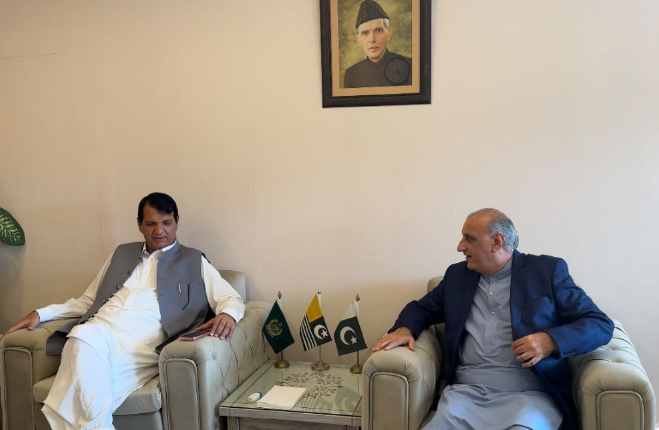
KARACHI — Mayor Karachi Barrister Murtaza Wahab met with the Director General of NADRA Sindh on Wednesday to discuss the establishment of new NADRA centers across Karachi. The meeting aimed to enhance identity registration services for the city’s residents and explore avenues for mutual cooperation. What Happened The meeting between Mayor Murtaza Wahab and the Director General of the National Database and Registration Authority (NADRA) Sindh focused on expanding the network of NADRA centers in Karachi. This initiative is part of a broader effort to improve access to essential identity registration services for the city’s burgeoning population. During the discussions, both officials emphasized the importance of making identity registration more accessible and efficient. Mayor Wahab highlighted the challenges faced by Karachi’s residents in obtaining identity documents due to the limited number of centers currently available. He stated, “The establishment of additional NADRA centers will significantly reduce the burden on existing facilities and improve service delivery.” The Director General of NADRA Sindh assured the Mayor of their commitment to enhancing service provision and exploring feasible locations for new centers. The meeting also covered potential strategies for optimizing existing resources and ensuring that the new centers are strategically placed to serve high-demand areas. In addition to the establishment of new centers, the officials discussed the integration of technology to streamline processes and reduce wait times for citizens. The use of digital solutions was highlighted as a key component in modernizing identity registration services. Background NADRA, established in 2000, is responsible for maintaining the national database of Pakistan and issuing identity cards to citizens. Over the years, the demand for NADRA’s services has increased significantly, particularly in urban centers like Karachi, which is Pakistan’s largest city with a population exceeding 15 million. Historically, Karachi has faced challenges in providing adequate public services due to its rapid population growth and urban sprawl. The limited number of NADRA centers has often resulted in long queues and delays, prompting calls for increased capacity and improved service delivery. Efforts to expand NADRA’s presence in Karachi align with broader governmental initiatives to enhance public service infrastructure and ensure that all citizens have access to essential services. Why It Matters The establishment of new NADRA centers in Karachi is a significant development for the city’s residents, who have long faced difficulties in accessing identity registration services. The expansion is expected to alleviate pressure on existing centers, reducing wait times and improving the overall efficiency of service delivery. From an economic perspective, streamlined identity registration processes can facilitate better access to financial services, employment opportunities, and social welfare programs. Identity cards are a prerequisite for many essential services, and improving access to these documents can have a broad impact on the socio-economic well-being of citizens. Politically, the move demonstrates a commitment by local authorities to address public service challenges and improve governance. It reflects an understanding of the needs of Karachi’s diverse population and a willingness to invest in infrastructure that supports equitable access to services. Internationally, enhancing identity registration systems aligns with global trends towards digital governance and the use of technology to improve public service delivery. As Pakistan continues to modernize its administrative frameworks, initiatives like this can contribute to its reputation as a forward-looking nation committed to improving the lives of its citizens. Key Takeaways Mayor Karachi and NADRA Sindh discussed establishing new NADRA centers in Karachi. The initiative aims to improve access to identity registration services for residents. Discussions included the integration of technology to streamline processes. New centers are expected to reduce wait times and enhance service delivery. The expansion aligns with broader efforts to modernize public service infrastructure. Source Attribution This article is based on official government statements, press releases, and public communications from relevant authorities. Author: NEN Editorial Desk | Editor: NEN Newsroom | Fact Checked By: NEN Editorial Team Author: NEN Editorial Desk  |  Editor: NEN Newsroom  |  Last Updated: July 22, 2026  |  Source: NEN Reporter This article was produced by the NEN Editorial Desk in accordance with NEN Agency’s Editorial Policy and Fact-Checking Policy.
Pakistan

Commerce Minister Urges Samsung to Export Mobile Phones from Pakistan

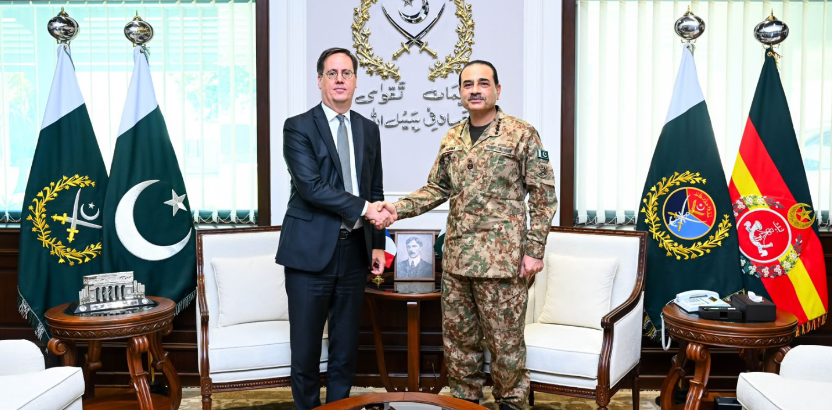
ISLAMABAD — Federal Minister for Commerce Jam Kamal Khan has extended an invitation to Samsung to consider exporting mobile phones from Pakistan, offering government support to enhance exports and industrial investment. The minister highlighted the potential for Pakistan to become a regional hub for manufacturing and refurbishing mobile devices, assuring Samsung of incentives to facilitate this transformation. What Happened During a recent meeting, Commerce Minister Jam Kamal Khan reached out to Samsung, proposing that the company leverage Pakistan’s strategic location and growing industrial capabilities to establish a manufacturing and export base in the country. Khan emphasized the government’s commitment to providing a conducive environment for foreign investors, particularly in the technology sector, which is seen as a key driver of economic growth. The minister assured Samsung that the government would offer various incentives aimed at promoting exports, value addition, and industrial investment. These incentives are part of Pakistan’s broader strategy to attract foreign direct investment (FDI) and boost its manufacturing sector. Khan expressed confidence that with Samsung’s involvement, Pakistan could significantly increase its share in the global mobile phone market. Samsung, a global leader in electronics, has been exploring opportunities to expand its manufacturing capabilities in South Asia. The company’s potential entry into Pakistan’s manufacturing sector is expected to bring advanced technology and create numerous job opportunities, contributing to the country’s economic development. Background Pakistan has been actively seeking to enhance its manufacturing sector to reduce reliance on imports and increase exports. The government has implemented various policies to attract FDI, including tax incentives and infrastructure development. The mobile phone industry, in particular, has been identified as a priority sector due to its rapid growth and potential for job creation. In recent years, Pakistan has seen a significant increase in mobile phone usage, driven by a young population and increasing internet penetration. This has created a substantial domestic market for mobile devices, prompting the government to encourage local manufacturing to meet demand and reduce import bills. Previously, Pakistan has successfully attracted several international companies to set up manufacturing plants, benefiting from the country’s competitive labor costs and strategic location. The government’s focus on improving ease of doing business and providing a stable regulatory environment has been instrumental in these efforts. Why It Matters The invitation to Samsung is part of Pakistan’s broader strategy to transform its economy by boosting the manufacturing sector and increasing exports. By attracting a major player like Samsung, Pakistan aims to enhance its industrial base, create jobs, and stimulate economic growth. The move is expected to have a ripple effect, encouraging other multinational companies to consider Pakistan as a viable investment destination. Economically, the establishment of a Samsung manufacturing facility in Pakistan could lead to significant foreign exchange savings by reducing the need for mobile phone imports. Additionally, it could increase export revenues if Pakistan becomes a regional hub for mobile phone exports. This aligns with the government’s vision of achieving a sustainable trade balance and fostering economic resilience. Socially, the potential job creation from such an investment could have a profound impact on employment rates, particularly for young people entering the workforce. It could also lead to skill development and technology transfer, enhancing the capabilities of the local workforce. Internationally, Pakistan’s ability to attract a major global corporation like Samsung would enhance its reputation as a business-friendly nation, potentially leading to increased foreign investment in other sectors as well. Key Takeaways Commerce Minister Jam Kamal Khan has invited Samsung to export mobile phones from Pakistan. The government is offering incentives to promote exports, value addition, and industrial investment. Pakistan aims to become a regional hub for mobile phone manufacturing and refurbishment. The initiative could lead to significant economic benefits, including job creation and increased exports. Samsung’s potential investment would enhance Pakistan’s reputation as a business-friendly destination. Source Attribution This article is based on official government statements, press releases, and public communications from relevant authorities. Author: NEN Editorial Desk | Editor: NEN Newsroom | Fact Checked By: NEN Editorial Team Author: NEN Editorial Desk  |  Editor: NEN Newsroom  |  Last Updated: July 22, 2026  |  Source: Press Release from Government of Pakistan This article was produced by the NEN Editorial Desk in accordance with NEN Agency’s Editorial Policy and Fact-Checking Policy.

Pakistan

Gold Prices Increase By Rs4,600 Per Tola In Pakistan

ISLAMABAD — The price of gold in Pakistan surged on Wednesday, with a notable increase of Rs4,600 per tola for 24-karat gold. The new rate, as reported by the All Pakistan Sarafa Gems and Jewellers Association, stands at Rs433,836 per tola. This rise reflects ongoing fluctuations in the global and local markets. What Happened On Wednesday, the price of 24-karat gold in Pakistan experienced a significant increase, climbing by Rs4,600 to reach Rs433,836 per tola. This adjustment was confirmed by the All Pakistan Sarafa Gems and Jewellers Association, which regularly updates the rates based on market trends. The increase is attributed to several factors, including changes in the international gold market and the local currency’s performance against the US dollar. The association’s spokesperson noted that the rise in gold prices could be linked to the global economic climate, where investors often turn to gold as a safe haven during times of uncertainty. “The current geopolitical tensions and economic instability have made gold a preferred choice for investors,” the spokesperson explained. Additionally, the depreciation of the Pakistani rupee against the US dollar has contributed to the increase in gold prices. As the rupee weakens, the cost of importing gold rises, which in turn affects local prices. Background Historically, gold prices in Pakistan have been influenced by both international market trends and domestic economic conditions. In recent years, the country has witnessed fluctuations in gold prices due to varying factors such as inflation, currency exchange rates, and changes in global demand. The All Pakistan Sarafa Gems and Jewellers Association plays a crucial role in setting the gold prices in the local market. The association’s rates are widely regarded as the standard for jewelers and consumers across the country. In the past, gold has been a popular investment option in Pakistan, especially during periods of economic uncertainty. It serves as a hedge against inflation and currency depreciation, making it an attractive choice for investors seeking stability. Why It Matters The recent surge in gold prices has significant implications for various stakeholders in Pakistan. For consumers, the increase means higher costs for purchasing gold jewelry and other related products. This could impact consumer spending, particularly during wedding seasons and festive occasions when the demand for gold typically rises. For investors, the rising gold prices present both opportunities and challenges. On one hand, those who have already invested in gold may see their investments appreciate. On the other hand, potential investors might face higher entry costs, which could deter some from investing in gold. Economically, the increase in gold prices could also affect Pakistan’s trade balance. As the country imports a significant portion of its gold, higher prices could lead to increased import bills, putting additional pressure on the national economy. From a broader perspective, the fluctuation in gold prices can be seen as a reflection of the current global economic environment. As geopolitical tensions and economic uncertainties persist, the demand for gold as a safe-haven asset is likely to remain strong, influencing both international and local markets. Key Takeaways Gold prices in Pakistan rose by Rs4,600 per tola, reaching Rs433,836 for 24-karat gold. The increase is attributed to global market trends and the depreciation of the Pakistani rupee. Gold remains a popular investment option during economic uncertainty, serving as a hedge against inflation. Higher gold prices could impact consumer spending and affect Pakistan’s trade balance. The fluctuation in gold prices reflects ongoing global economic challenges and geopolitical tensions. Source Attribution This article is based on official government statements, press releases, and public communications from relevant authorities. Author: NEN Editorial Desk | Editor: NEN Newsroom | Fact Checked By: NEN Editorial Team Author: NEN Editorial Desk  |  Editor: NEN Newsroom  |  Last Updated: July 22, 2026  |  Source: NEN Reporter This article was produced by the NEN Editorial Desk in accordance with NEN Agency’s Editorial Policy and Fact-Checking Policy.

Pakistan

Pakistan Women’s Hockey Team Qualifies For Junior Asia Cup After 14 Years

ISLAMABAD — The Pakistan women’s junior hockey team has qualified for the Women’s Junior Asia Cup 2026, marking its return to the prestigious continental event after a 14-year absence. This achievement was confirmed by the Asian Hockey Federation (AHF) through an official communication to the Pakistan Hockey Federation (PHF) on July 22, 2023. What Happened The Asian Hockey Federation (AHF) formally announced the qualification of the Pakistan women’s junior hockey team for the Women’s Junior Asia Cup 2026. The confirmation came in the form of a letter addressed to the Pakistan Hockey Federation (PHF), highlighting the team’s commendable performance and final ranking in the Women’s Junior AHF Cup 2026 as the basis for their qualification. AHF President Fumio Ogura, in his congratulatory letter, praised the efforts of the players, team officials, and coaching staff. He emphasized that their dedication and hard work have paid off, allowing Pakistan to compete in the continental event once again. The PHF officials echoed this sentiment, describing the qualification as a pivotal moment in the revival of women’s hockey in Pakistan. The team’s qualification is seen as a promising development for the sport in Pakistan, encouraging further investment and interest in women’s hockey. The PHF has expressed its commitment to supporting the team’s preparations for the upcoming tournament, ensuring that the players have access to the necessary resources and training facilities. Background Pakistan’s women’s junior hockey team last participated in the Junior Asia Cup in 2012. Since then, the team has faced numerous challenges, including limited resources and opportunities for international exposure. The PHF has been working to address these issues by investing in grassroots development and organizing training camps to enhance the skills of young players. The Women’s Junior Asia Cup is a significant event in the field of hockey, providing a platform for young athletes to showcase their talents on an international stage. The tournament serves as a crucial stepping stone for players aspiring to represent their countries at senior levels. Why It Matters The qualification of the Pakistan women’s junior hockey team for the Junior Asia Cup 2026 is a landmark achievement that holds significant implications for the sport in the country. It reflects the potential of young female athletes in Pakistan and underscores the importance of investing in women’s sports. Economically, the qualification could lead to increased sponsorship and funding opportunities for women’s hockey in Pakistan. As the team prepares for the tournament, there is potential for enhanced media coverage and public interest, which could attract more sponsors and investors. Socially, this achievement serves as an inspiration for young girls across Pakistan, encouraging them to pursue sports and break traditional gender barriers. It highlights the growing acceptance and support for women in sports, contributing to the broader movement for gender equality in the country. Politically, the success of the women’s junior hockey team could prompt government and sports authorities to allocate more resources towards the development of women’s sports. This could lead to improved infrastructure, training facilities, and support systems for female athletes. Key Takeaways The Pakistan women’s junior hockey team has qualified for the Women’s Junior Asia Cup 2026 after 14 years. The qualification was confirmed by the Asian Hockey Federation based on the team’s performance in the Women’s Junior AHF Cup 2026. This achievement is seen as a significant step in the revival of women’s hockey in Pakistan. The qualification could lead to increased sponsorship and funding opportunities for women’s sports in Pakistan. The success of the team serves as an inspiration for young girls and supports the movement for gender equality in sports. Source Attribution This article is based on official statements from the Asian Hockey Federation and the Pakistan Hockey Federation. Author: NEN Editorial Desk | Editor: NEN Newsroom | Fact Checked By: NEN Editorial Team Author: NEN Editorial Desk  |  Editor: NEN Newsroom  |  Last Updated: July 22, 2026  |  Source: NEN Reporter This article was produced by the NEN Editorial Desk in accordance with NEN Agency’s Editorial Policy and Fact-Checking Policy.
World

Interior Minister Praises Forces for Neutralizing Militants in Balochistan

ISLAMABAD — Interior Minister Mohsin Naqvi has lauded the efforts of Pakistan’s security forces in a recent operation that resulted in the elimination of 10 militants in Balochistan. The operation, conducted in the districts of Mastung and Sohrab, was aimed at dismantling networks allegedly backed by foreign elements, contributing to the region’s peace and stability. What Happened The operation took place in the volatile districts of Mastung and Sohrab in Balochistan, where security forces conducted intelligence-based operations. According to official sources, these operations targeted militant groups believed to be receiving support from foreign entities, specifically from India. The security forces successfully neutralized 10 militants during these operations. Interior Minister Mohsin Naqvi commended the security forces for their precise execution of the operations. He emphasized that such actions are crucial in maintaining the sovereignty and security of Pakistan, particularly in regions like Balochistan, which have been plagued by insurgency and unrest. “The successful execution of these operations is a testament to the dedication and professionalism of our security forces,” Naqvi stated. He further highlighted the importance of continued vigilance and intelligence gathering to thwart any threats to national security. The operations are part of a broader strategy to combat militancy and terrorism in Pakistan, with a focus on disrupting networks that pose a threat to national stability. The government has reiterated its commitment to rooting out militancy and ensuring the safety of its citizens. Background Balochistan has long been a hotspot for insurgency, with various militant groups operating in the region. The province’s strategic location and rich natural resources have made it a focal point for both domestic and international interests. Over the years, the Pakistani government has launched numerous operations to curb militancy in the area. Historically, Balochistan has faced issues related to separatist movements, with some groups seeking autonomy or independence. The Pakistani government has accused neighboring India of supporting these movements, a claim that India has consistently denied. The operations in Mastung and Sohrab are seen as part of Pakistan’s ongoing efforts to stabilize the region and counteract any foreign-backed insurgencies. Why It Matters The successful operation in Balochistan holds significant implications for Pakistan’s internal security and regional stability. By neutralizing militants allegedly backed by foreign entities, Pakistan sends a strong message about its resolve to protect its sovereignty and territorial integrity. Economically, stability in Balochistan is crucial for the success of projects like the China-Pakistan Economic Corridor (CPEC), which passes through the province. Ensuring security in the region is vital for attracting foreign investment and fostering economic development. Politically, the operation underscores the government’s commitment to combating terrorism and militancy, which remains a top priority. It also highlights the importance of international cooperation in addressing cross-border terrorism, as Pakistan continues to call for global recognition of its efforts in combating terrorism. Socially, the operation may improve the confidence of local communities in the government’s ability to provide security and stability. This could lead to better cooperation between the local populace and security forces, further aiding in intelligence gathering and future operations. Key Takeaways Pakistan’s security forces eliminated 10 militants in Balochistan’s Mastung and Sohrab districts. The operation targeted groups allegedly backed by foreign entities, particularly India. Interior Minister Mohsin Naqvi praised the forces for their successful operation. The operation is part of Pakistan’s broader strategy to combat militancy and ensure regional stability. Stability in Balochistan is crucial for economic projects like CPEC and attracting foreign investment. Source Attribution This article is based on official government statements, press releases, and public communications from relevant authorities. Author: NEN Editorial Desk | Editor: NEN Newsroom | Fact Checked By: NEN Editorial Team Author: NEN Editorial Desk  |  Editor: NEN Newsroom  |  Last Updated: July 22, 2026  |  Source: NEN Reporter This article was produced by the NEN Editorial Desk in accordance with NEN Agency’s Editorial Policy and Fact-Checking Policy.
Pakistan

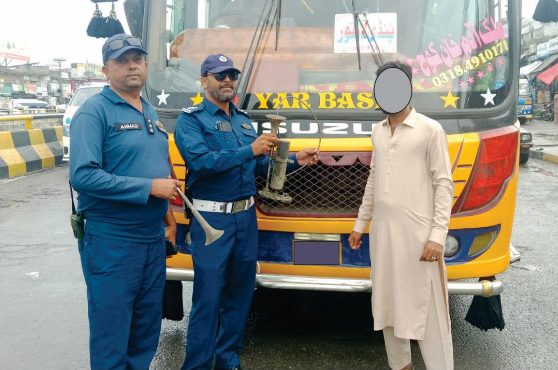
Islamabad Traffic Police Engages University Students in Road Safety Education

ISLAMABAD — The Islamabad Traffic Police (ITP) hosted a group of university students on Wednesday, providing them with an informative session on traffic management, road safety laws, and community policing initiatives at the ITP headquarters. What Happened Students from various universities across Islamabad were invited to the headquarters of the Islamabad Traffic Police for an educational visit. The event aimed to enhance the students’ understanding of traffic regulations and the importance of road safety. During the visit, the students were briefed on the operational aspects of traffic management and the enforcement of road safety laws. The session included detailed presentations on the role of the ITP in maintaining road discipline and ensuring the safety of commuters. Officers highlighted the significance of adhering to traffic signals, the use of seat belts, and the dangers of mobile phone usage while driving. The students were also informed about the penalties associated with traffic violations, aiming to foster a sense of responsibility and awareness among young drivers. In addition to traffic management, the ITP showcased its community policing initiatives, which are designed to build trust and cooperation between the police force and the community. These initiatives include outreach programs, workshops, and collaborations with educational institutions to promote a culture of safety and respect for traffic laws. ITP officials emphasized the importance of engaging the youth in such educational activities, noting that young drivers are often at a higher risk of being involved in road accidents. “Our goal is to educate and empower the younger generation to become responsible road users,” an ITP spokesperson stated. Background The Islamabad Traffic Police has been actively involved in promoting road safety and traffic awareness through various programs and initiatives. Established in 2005, the ITP has consistently worked towards reducing road accidents and improving traffic flow in the capital city. The force has implemented several measures, including the installation of traffic cameras, the introduction of e-ticketing systems, and regular traffic awareness campaigns. Community policing has been a cornerstone of the ITP’s strategy, aiming to foster a collaborative relationship between the police and the public. By involving citizens in safety initiatives and educational programs, the ITP seeks to create a safer and more disciplined traffic environment. Why It Matters Road safety is a critical issue in Pakistan, with traffic accidents being a leading cause of injuries and fatalities. According to the World Health Organization, road traffic injuries are the eighth leading cause of death globally, and young adults are particularly vulnerable. In Pakistan, the lack of awareness and adherence to traffic laws contributes significantly to the high rate of accidents. The engagement of university students by the ITP is a proactive approach to instilling a sense of responsibility and awareness among future drivers. By educating young people about the importance of road safety and the consequences of traffic violations, the ITP aims to reduce the incidence of road accidents and promote a culture of compliance with traffic regulations. Furthermore, the initiative highlights the role of community policing in building trust between law enforcement agencies and the public. By involving citizens in safety programs, the ITP not only enhances public awareness but also encourages community participation in maintaining law and order. This educational effort is part of a broader strategy to address the challenges of urban traffic management and safety in Pakistan’s rapidly growing cities. As urbanization continues to increase, the need for effective traffic management and road safety measures becomes even more critical. Key Takeaways The Islamabad Traffic Police hosted university students to educate them on road safety and traffic management. The initiative is part of the ITP’s community policing efforts to build trust and cooperation with the public. Road safety education is crucial in reducing traffic accidents and promoting a culture of compliance with traffic laws. Engaging young people in safety programs aims to create responsible future drivers and reduce road fatalities. Community involvement is essential for effective traffic management and the promotion of road safety in urban areas. Source Attribution This article is based on official government statements, press releases, and public communications from relevant authorities. Author: NEN Editorial Desk | Editor: NEN Newsroom | Fact Checked By: NEN Editorial Team Author: NEN Editorial Desk  |  Editor: NEN Newsroom  |  Last Updated: July 22, 2026  |  Source: NEN Reporter This article was produced by the NEN Editorial Desk in accordance with NEN Agency’s Editorial Policy and Fact-Checking Policy.
Pakistan

Minister Abbasi Commends Security Forces for Balochistan Operation Success

ISLAMABAD — Federal Minister for Railways Muhammad Hanif Abbasi on Wednesday praised the security forces for their successful Intelligence-Based Operation (IBO) in Balochistan, which resulted in the elimination of 10 terrorists. The operation was carried out in the districts of Sohrab and Mastung, highlighting the ongoing efforts to maintain security in the region. What Happened The operation, conducted by Pakistan’s security forces, targeted terrorist hideouts in the districts of Sohrab and Mastung in Balochistan. According to official reports, the IBO was meticulously planned and executed, resulting in the neutralization of 10 terrorists who were allegedly involved in various acts of terrorism and violence in the region. Federal Minister Muhammad Hanif Abbasi lauded the security forces for their bravery and dedication in executing the operation. He emphasized the importance of such operations in ensuring the safety and security of the citizens of Balochistan and Pakistan as a whole. “Our security forces have once again demonstrated their commitment to eradicating terrorism from our soil,” Abbasi stated. The operation underscores the ongoing commitment of the Pakistani government and security agencies to combat terrorism and maintain peace in the region. The elimination of the terrorists is seen as a significant step in disrupting the activities of militant groups operating in Balochistan. Background Balochistan has been a focal point of security operations due to its history of insurgency and terrorism-related activities. The province has witnessed numerous attacks over the years, often targeting security personnel and civilians. The Pakistani government, in collaboration with its security forces, has been actively working to dismantle terrorist networks in the area. Intelligence-Based Operations have become a crucial strategy in Pakistan’s counter-terrorism efforts. These operations rely on precise intelligence to target and eliminate threats before they can carry out attacks. The success of such operations is often attributed to the effective coordination between various intelligence and security agencies. In recent years, Balochistan has also seen development projects aimed at improving the socio-economic conditions of its residents. The government believes that enhancing the quality of life in the province can help reduce the appeal of extremist ideologies. Why It Matters The successful operation in Balochistan is significant for several reasons. Firstly, it demonstrates the capability and readiness of Pakistan’s security forces to respond to and neutralize threats. This boosts public confidence in the government’s ability to maintain law and order. Economically, maintaining security in Balochistan is crucial for the continuation of development projects, including those related to the China-Pakistan Economic Corridor (CPEC). The region’s stability is vital for attracting foreign investment and ensuring the successful completion of infrastructure projects that are expected to benefit the entire country. Politically, the operation sends a strong message to militant groups that the Pakistani government will not tolerate any threats to its sovereignty. It also reinforces Pakistan’s commitment to international partners in the fight against terrorism, showcasing the country’s proactive stance in regional security. Socially, the elimination of terrorist threats contributes to the safety of local communities, allowing residents to live without the constant fear of violence. This can lead to improved quality of life and foster a more stable and prosperous society in Balochistan. Key Takeaways Security forces conducted a successful IBO in Balochistan, eliminating 10 terrorists. Federal Minister Muhammad Hanif Abbasi praised the bravery and dedication of the forces involved. The operation is part of ongoing efforts to combat terrorism and ensure regional stability. Maintaining security in Balochistan is crucial for economic development and foreign investment. The operation reinforces Pakistan’s commitment to fighting terrorism and maintaining national security. Source Attribution This article is based on official government statements, press releases, and public communications from relevant authorities. Author: NEN Editorial Desk | Editor: NEN Newsroom | Fact Checked By: NEN Editorial Team Author: NEN Editorial Desk  |  Editor: NEN Newsroom  |  Last Updated: July 22, 2026  |  Source: NEN Reporter This article was produced by the NEN Editorial Desk in accordance with NEN Agency’s Editorial Policy and Fact-Checking Policy.

World

Financial Markets Association Releases New Foreign Exchange Rates

KARACHI — The Exchange Rates Committee of the Financial Markets Association of Pakistan released the latest foreign exchange rates bulletin on Wednesday, providing updated conversion rates for major currencies as of July 22, 2026. The bulletin outlines the rates applicable for forward cover for deposits, excluding FE-25 deposits, with the State Bank of Pakistan’s settlement value date set for July 24, 2026. What Happened The Financial Markets Association of Pakistan, through its Exchange Rates Committee, has issued the latest foreign exchange rates for July 22, 2026. These rates are crucial for businesses and financial institutions engaging in international trade and currency exchange. The rates are set for forward cover for deposits, which are financial instruments used to hedge against currency risk in future transactions. According to the bulletin, the conversion rate for the US Dollar (USD) stands at 277.8921 Pakistani Rupees. The British Pound (GBP) is valued at 373.4869 Rupees, while the Euro (EUR) is listed at 317.4361 Rupees. The Japanese Yen (JPY) is priced at 1.7082 Rupees. These rates are set to be effective with the State Bank of Pakistan’s settlement value date on July 24, 2026. The issuance of these rates is a routine but essential task carried out by the Financial Markets Association to ensure that market participants have access to reliable and up-to-date currency conversion data. This information is pivotal for companies involved in import and export activities, as well as for investors dealing in foreign currency-denominated assets. Background The Financial Markets Association of Pakistan plays a significant role in the country’s financial sector by providing standardized exchange rates that facilitate smooth transactions in the foreign exchange market. The association’s Exchange Rates Committee regularly reviews and updates these rates to reflect the current market conditions and economic factors influencing currency values. Historically, Pakistan’s foreign exchange market has been influenced by various factors, including trade balances, foreign direct investment, and remittances from overseas Pakistanis. The State Bank of Pakistan, as the central bank, also plays a crucial role in regulating and stabilizing the currency market through its monetary policies and interventions. Why It Matters The release of updated foreign exchange rates is of significant importance to Pakistan’s economy, which is heavily reliant on international trade. Accurate and timely exchange rate information enables businesses to make informed financial decisions, manage currency risk, and optimize their foreign exchange transactions. For importers and exporters, these rates determine the cost of goods and services traded across borders. A stable and predictable exchange rate environment helps in maintaining competitive pricing and profitability in international markets. Moreover, foreign exchange rates impact inflation and purchasing power, influencing the overall economic stability of the country. On a broader scale, the exchange rate also affects foreign investment flows into Pakistan. A stable currency can attract more foreign direct investment, as investors seek markets with predictable financial environments. Conversely, volatile exchange rates can deter investment due to the increased risk of currency depreciation. Furthermore, the foreign exchange rates are crucial for the government in managing its foreign debt obligations. Fluctuations in the exchange rate can affect the cost of servicing foreign debt, impacting the country’s fiscal health and budgetary allocations. Key Takeaways The Financial Markets Association of Pakistan has issued updated foreign exchange rates effective July 22, 2026. The US Dollar is valued at 277.8921 Rupees, the British Pound at 373.4869 Rupees, the Euro at 317.4361 Rupees, and the Japanese Yen at 1.7082 Rupees. The rates are crucial for businesses and financial institutions involved in international trade and currency exchange. Accurate exchange rates help manage currency risk and influence foreign investment flows into Pakistan. The State Bank of Pakistan’s settlement value date for these rates is July 24, 2026. Source Attribution This article is based on official government statements, press releases, and public communications from relevant authorities. Author: NEN Editorial Desk | Editor: NEN Newsroom | Fact Checked By: NEN Editorial Team Author: NEN Editorial Desk  |  Editor: NEN Newsroom  |  Last Updated: July 22, 2026  |  Source: NEN Reporter This article was produced by the NEN Editorial Desk in accordance with NEN Agency’s Editorial Policy and Fact-Checking Policy.

Scroll to Top