
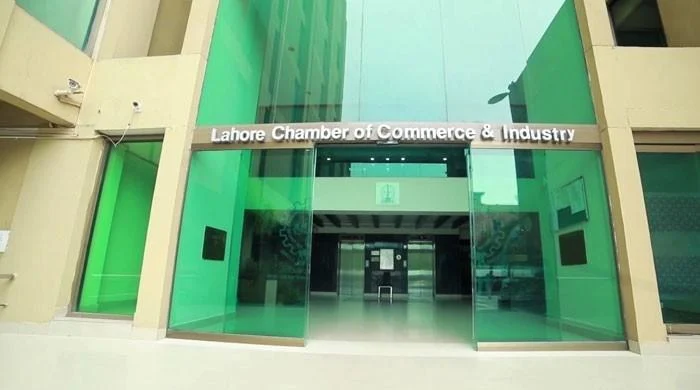
LAHORE — The Lahore Chamber of Commerce and Industry (LCCI) has called on the federal government to address the pressing issues faced by petroleum dealers across Pakistan. Faheem-ur-Rehman Saigol, a representative of LCCI, emphasized the need for immediate engagement and meaningful consultation to resolve these concerns.
What Happened
On Wednesday, Faheem-ur-Rehman Saigol of the LCCI expressed the chamber’s concerns regarding the challenges faced by petroleum dealers in Pakistan. Saigol urged the federal government to take swift action to engage with the dealers and address their issues through constructive dialogue. According to Saigol, the petroleum sector is a critical component of the national economy, and any disruption in its operations could have far-reaching implications.
Saigol highlighted that the petroleum dealers have been facing numerous challenges, including issues related to pricing, supply chain disruptions, and regulatory hurdles. He stressed that these problems not only affect the dealers but also have a cascading effect on consumers and the overall economic stability of the country. “The government must prioritize this matter and ensure that the concerns of petroleum dealers are addressed promptly,” Saigol stated.
The LCCI’s call for action comes at a time when the petroleum sector is grappling with fluctuating global oil prices and domestic supply chain issues. The chamber believes that effective communication and collaboration between the government and petroleum dealers are essential to finding sustainable solutions.
Background
The petroleum sector in Pakistan has historically been a vital part of the country’s economy, providing fuel for transportation, industry, and domestic use. However, the sector has faced challenges over the years, including price volatility, regulatory changes, and infrastructure constraints. In recent times, global oil price fluctuations have further complicated the situation, impacting the cost of petroleum products in the domestic market.
In previous instances, petroleum dealers have raised concerns about the government’s pricing policies and the need for a more transparent and predictable regulatory environment. These issues have often led to tensions between the dealers and the government, necessitating dialogue and negotiation to find common ground.
Why It Matters
The concerns raised by the LCCI regarding petroleum dealers are significant for several reasons. Economically, the petroleum sector is a major contributor to Pakistan’s GDP and plays a crucial role in the functioning of various industries. Any disruption in the supply of petroleum products can lead to increased costs for businesses and consumers, affecting inflation and overall economic stability.
Socially, the availability and pricing of petroleum products have a direct impact on the daily lives of citizens. Transportation costs, which are heavily influenced by fuel prices, affect the cost of goods and services, impacting household budgets and living standards. Ensuring a stable and predictable supply of petroleum products is therefore essential for maintaining social stability.
Politically, the government’s ability to effectively manage the petroleum sector is a reflection of its broader economic management capabilities. Addressing the concerns of petroleum dealers through constructive dialogue can enhance public confidence in the government’s economic policies and foster a more collaborative relationship with key stakeholders.
Key Takeaways
- The LCCI has called on the government to address the issues faced by petroleum dealers through meaningful consultation.
- Challenges in the petroleum sector include pricing, supply chain disruptions, and regulatory hurdles.
- The sector is crucial for Pakistan’s economy, affecting both businesses and consumers.
- Effective government-dealer collaboration is essential for ensuring economic stability and public confidence.
- Addressing these issues can prevent disruptions in the supply of petroleum products and mitigate inflationary pressures.
Source Attribution
This article is based on official government statements, press releases, and public communications from relevant authorities.














