Author name: NEN News

Pakistan

MNA Riaz ul Haq Meets Prime Minister Shehbaz Sharif

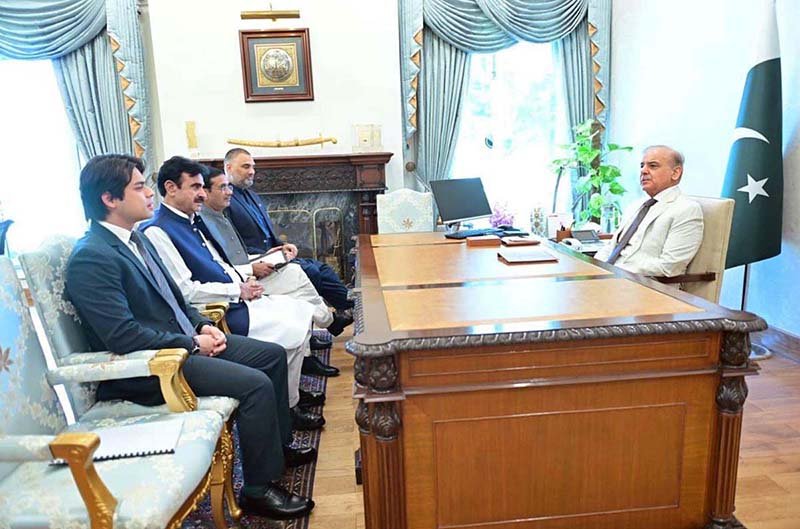
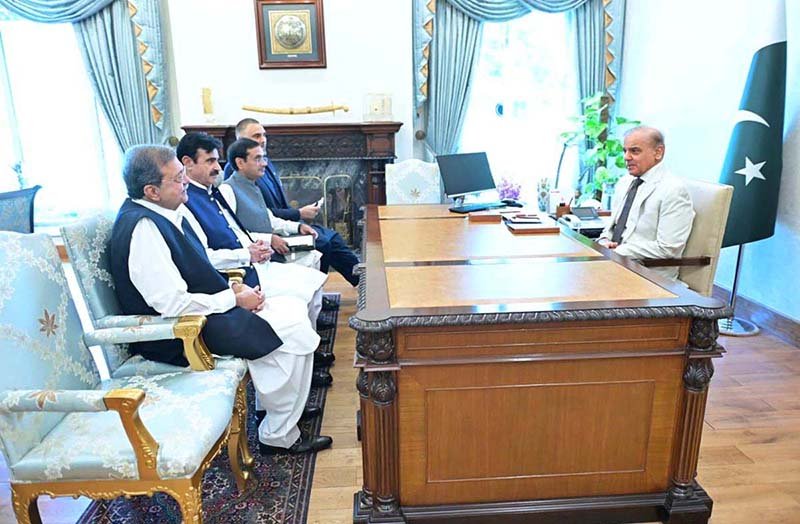
ISLAMABAD — On Wednesday, Member of the National Assembly Riaz ul Haq met Prime Minister Muhammad Shehbaz Sharif in Islamabad. This meeting was confirmed by an official statement from the Associated Press of Pakistan. Parliamentary Consultation in Islamabad The meeting took place at the Prime Minister’s Office. During this consultation, MNA Riaz ul Haq discussed various matters with Prime Minister Shehbaz Sharif. Due to confidentiality, the specifics of these discussions have not been disclosed. Pending Agenda and Expectations No details about the meeting’s agenda or potential outcomes are currently available. Official sources have yet to release further information. Updates from the Prime Minister’s Office are anticipated soon. Context of the Meeting The meeting was held amidst ongoing parliamentary sessions in the federal capital. The government continues its consultations on national affairs, with federal lawmakers actively engaging with the executive branch.
Pakistan

MNA Farrukh Altaf Meets Prime Minister Shehbaz Sharif

Member of the National Assembly Chaudhry Farrukh Altaf met with Prime Minister Shehbaz Sharif today in Islamabad. The meeting occurred at the Prime Minister’s Office in the capital city. The Associated Press of Pakistan confirmed the meeting via an official statement, underscoring the importance of continual parliamentary engagement with the federal government. Confidential Meeting Details The agenda of the meeting between Farrukh Altaf and Prime Minister Shehbaz Sharif remains confidential. Specific objectives and outcomes have not been disclosed to the public. Focus Areas of Discussion Meetings between parliamentarians and the Prime Minister typically focus on several key areas: Constituency matters and local development issues Legislative concerns that require federal attention Policy discussions impacting national governance Coordination with the executive branch Role of Parliamentary Meetings Regular meetings between National Assembly members and the Prime Minister are crucial in Pakistan’s parliamentary system. These engagements facilitate direct communication between representatives and federal executives. Chaudhry Farrukh Altaf, as an MNA, serves his constituency in the National Assembly. The meeting highlights ongoing interactions between parliament and the Prime Minister’s Office, reinforcing democratic processes in Pakistan. Such consultations ensure that federal authorities remain in touch with grassroots concerns and legislative priorities across the nation.

Business

PHMA Sialkot Joins First International Recycling Conference in Faisalabad

PHMA Sialkot Participates in International Recycling Conference FAISALABAD — On June 10, 2026, the Pakistan Hosiery Manufacturers Association (PHMA) Sialkot chapter joined the inaugural International Conference on Recycling (ICOR 2026) at Faisalabad’s Serena Hotel. This event represents a significant step forward in Pakistan’s efforts to advance textile recycling. Led by Chief Coordinator Musharraf Iqbal Khawaja, the PHMA Sialkot team took part in various discussions. The conference, organized by the University of Kamalia (UKM), focused on promoting sustainable manufacturing practices vital for the growth of textile exports. Collaboration Between Industry and Academia The conference provided a crucial platform for leaders from industrial and academic sectors across Pakistan. They addressed recycling challenges facing the manufacturing industry. Key figures from the textile and hosiery sectors emphasized that sustainable practices are essential to enhancing export competitiveness. These efforts are crucial for balancing economic growth with environmental responsibilities, positioning Pakistan as a strong player in global textile exports. Revolutionizing Textile Recycling Strategies The conference highlighted major priorities for revolutionizing Pakistan’s textile recycling methods: Implementing environmentally responsible manufacturing processes Developing strategies to reduce waste in textile operations Adopting resource conservation techniques to improve efficiency Ensuring compliance with international environmental standards for exports Boosting Economic Growth in the Textile Industry PHMA Sialkot’s participation affirms the hosiery industry’s dedication to sustainable practices. As a significant player in Pakistan’s textile exports, PHMA Sialkot greatly impacts this sector. The textile industry seeks innovative solutions for environmental compliance, thereby elevating Pakistan’s competitive edge in global markets. This strategic focus supports economic development and bolsters international trade advantages.

Pakistan

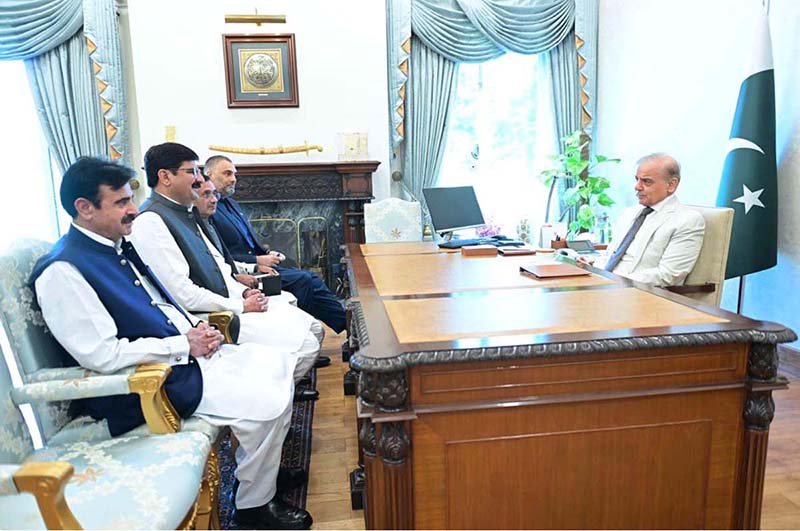
MNA Nawabzada Mir Jamal Khan Raisani Meets Prime Minister Shehbaz Sharif

Meeting at Federal Headquarters MNA Nawabzada Mir Jamal Khan Raisani held a significant meeting with Prime Minister Shehbaz Sharif in Islamabad. This event took place at the federal government headquarters, highlighting its importance. The Prime Minister’s Office released an official statement confirming the meeting as part of ongoing consultations with National Assembly members. Protocol and Engagement The meeting followed standard federal protocols at the Prime Minister’s Office. These discussions are essential for fostering communication between parliamentary representatives and government leaders. As a National Assembly representative, Nawabzada Mir Jamal Khan Raisani actively addresses national issues by engaging with high-ranking government officials. Confidential Meeting Agenda The agenda for this meeting remains undisclosed, and specific details have not been released. The Prime Minister’s Office has yet to provide further information. While the outcomes of MNA Raisani’s discussions with Prime Minister Shehbaz Sharif are confidential, updates from the Prime Minister’s Office are expected soon.

Business

Pakistan to Unveil Rs18 Trillion Federal Budget for FY2026-27

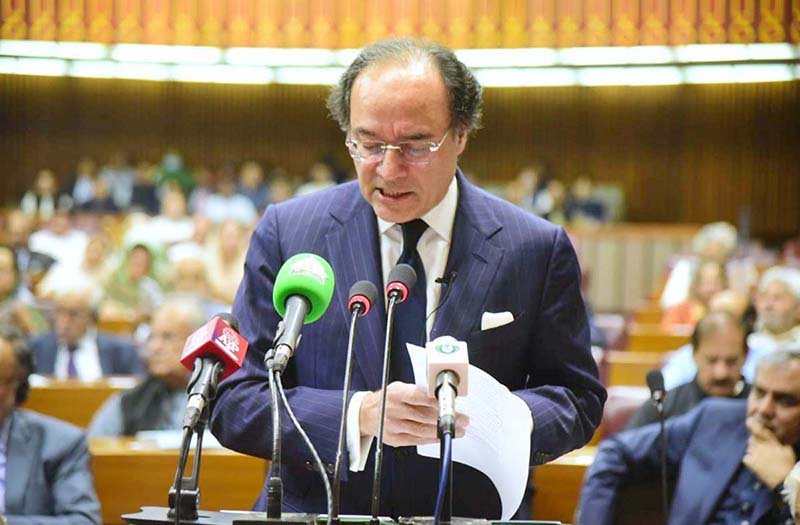
ISLAMABAD — On Friday, the federal government will present the fiscal year 2026-27 budget to the National Assembly. At Rs18 trillion, it ranks as one of the largest spending plans in Pakistan’s history. Growth-Oriented Fiscal Strategy The budget emphasizes growth and relief, marking the administration’s third annual financial plan since it took office. It aims to balance economic expansion with citizen welfare. Significant funds are dedicated to revenue generation and fiscal reforms to ensure sustainable growth in key sectors. Budget Allocation Priorities The Rs18 trillion budget outlines vital spending priorities to support growth initiatives and comply with international fiscal discipline standards. Key allocations include: Development projects and infrastructure investment Debt servicing obligations Social protection programmes Public sector development schemes Infrastructure investment plays a crucial role in the growth strategy, with funds directed to support economic recovery. Economic Stabilisation and IMF Programme Pakistan is advancing towards economic stabilisation under an International Monetary Fund programme. The budget commits to maintaining fiscal discipline while fostering growth. Financial analysts are closely observing resource allocations to assess reform progress. The plan balances IMF revenue targets and spending controls with development needs, sustaining macroeconomic stability. Market Impact and Trade Measures The budget aims to enhance exports and manage inflation, ensuring economic resilience. Strengthening the banking sector is vital for restoring investor confidence. Revenue generation reforms are expected to be central to the budget strategy, and trade facilitation measures may boost export competitiveness in regional markets.

Business

Finance Minister Presents Economic Survey 2025-26 to Prime Minister Shehbaz

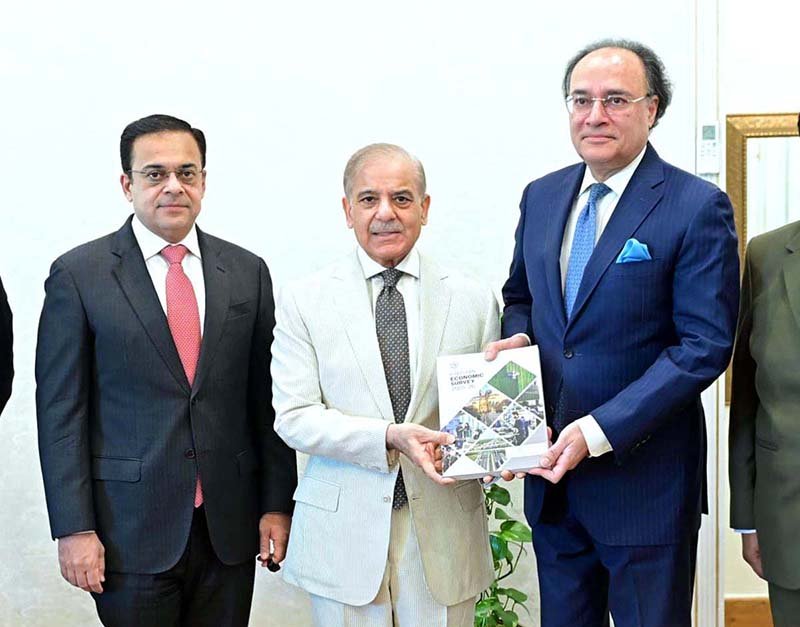
ISLAMABAD — On Wednesday, Finance Minister Muhammad Aurangzeb presented the Pakistan Economic Survey 2025-26 to Prime Minister Muhammad Shehbaz Sharif. This important event occurred a day before the federal budget announcement. Annual Release and Purpose Issued annually before the federal budget, the Pakistan Economic Survey provides an in-depth analysis of the country’s economy over the past fiscal year. This comprehensive evaluation is crucial for understanding Pakistan’s financial condition and guiding future fiscal and policy decisions. Key Economic Indicators The 2025-26 survey reviews crucial economic indicators that shape Pakistan’s financial landscape, including: Economic growth and GDP performance Inflation rates and price stability Trade balance and exports Agricultural sector output Industrial production levels Role in Budget Planning The survey’s presentation precedes the budget session, providing lawmakers and the public with data-driven insights into Pakistan’s economic direction. This assessment helps the government determine fiscal priorities, budget allocations, and policy decisions for the coming year. Following this presentation, the federal budget will be revealed on Thursday, adhering to the traditional schedule.

Business

Faisalabad Business Community to Collectively Watch Federal Budget at FCCI

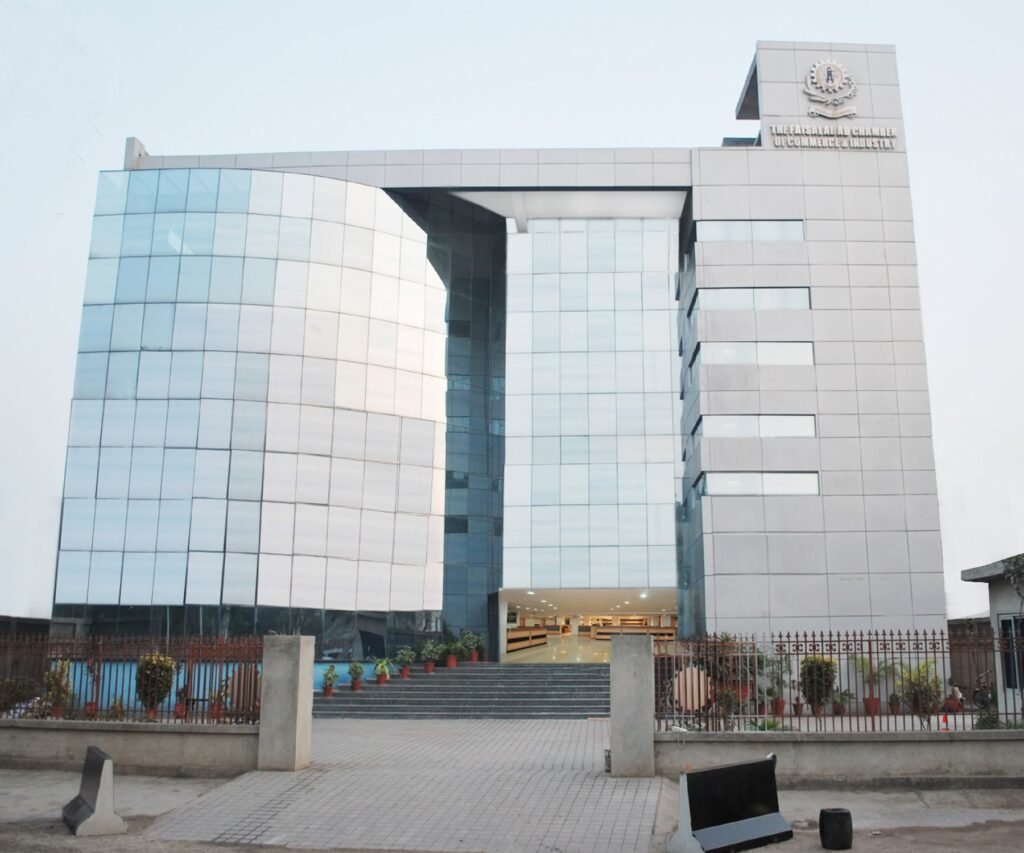
FAISALABAD — The business community in Faisalabad will gather at the Faisalabad Chamber of Commerce and Industry (FCCI) to watch the Federal Budget 2026-27 presentation. Monitoring Fiscal Changes Traders and industrialists at the FCCI will closely analyze the government’s fiscal roadmap. Their primary goal is to assess the impact of budgetary measures on trade, industry, and economic growth. This assembly allows stakeholders to review budget proposals in real-time, enabling prompt responses and strategic planning based on new fiscal policies. Focus Areas for FCCI Stakeholders The session highlights the business community’s strong interest in fiscal policies shaping Pakistan’s economic future for the next year. During the Federal Budget 2026-27 presentation, FCCI members will concentrate on crucial areas: Taxation policies and corporate tax rates Investment incentives for industrial sectors Trade facilitation measures and export promotion schemes Revenue targets and frameworks for fiscal discipline Programs for industrial development and manufacturing growth Regulations in the banking and financial sectors Impact on Trade and Manufacturing Announcements from the Federal Budget 2026-27 are anticipated to significantly impact business operations in Faisalabad. FCCI members are eagerly awaiting policies that could enhance manufacturing competitiveness and boost export potential. Stakeholders expect the budget to tackle vital challenges in the trade and industrial sectors. The Faisalabad business community plans to provide immediate feedback on the announced measures. This feedback is crucial for shaping advocacy efforts and informing future policy engagements with government authorities. The chamber is committed to ensuring that fiscal and economic policies effectively support regional industrial growth and trade expansion.

Business

Pakistan’s Manufacturing Sector Grows 6.6% in FY2026

ISLAMABAD — Pakistan’s manufacturing sector experienced a remarkable growth of 6.6% in the fiscal year 2026, according to the Pakistan Economic Survey 2025-26. This growth is a substantial increase from the 2.0% recorded the previous year, highlighting significant improvements in the nation’s industrial landscape. Economic Survey Highlights Recovery Finance and Revenue Minister, Senator Muhammad Aurangzeb, presented the survey findings in Islamabad. The report details major advances in Pakistan’s industrial performance following several challenging years. The resurgence of Large-Scale Manufacturing (LSM) has been vital for this recovery. Large-Scale Manufacturing Drives Growth The manufacturing sector’s 6.6% growth signals a strong recovery path aided by stabilizing economic conditions. Large-scale manufacturing facilities have notably increased production across key industries. Key Sectors Fueling Growth Textiles and garments Cement production Steel manufacturing Automotive industries These expansions indicate improved business confidence and a gradual reduction in operational constraints. This sectoral progress is essential for economic recovery and industrial expansion. Economic Stability and Challenges The enhanced manufacturing performance signals broader economic stabilization in Pakistan. Despite this, various challenges persist in affecting industrial activities. Challenges Facing Manufacturing High inflation rates reducing purchasing power Stringent monetary policies with elevated interest rates Reduced domestic demand impacting sales Supply chain disruptions affecting production Future Outlook: Investment and Exports Current growth trends suggest that these challenges are easing, with manufacturers increasing production and investment in key sectors. The Pakistan Economic Survey 2025-26 offers detailed insights into the economic performance of the nation, emphasizing the 6.6% manufacturing sector growth as one of the strongest in recent years. This recovery enhances employment, boosts export potential, and improves Pakistan’s overall economic outlook and revenue prospects.

Sports

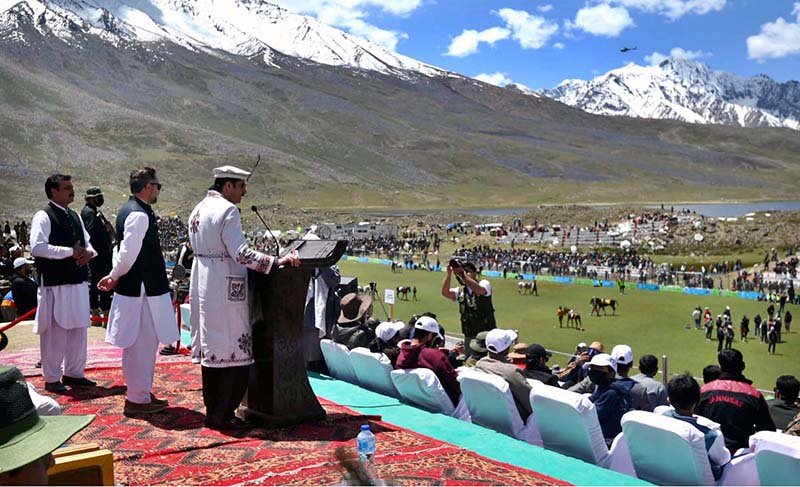
Governor Kundi Opens Shandur Polo Festival 2026 in Khyber Pakhtunkhwa

The Shandur Polo Festival 2026 was officially launched by Khyber Pakhtunkhwa Governor Faisal Karim Kundi at the esteemed Shandur Pass. Recognized as Pakistan’s premier cultural and sporting event, it is hosted at the world’s highest polo ground. Polo Championship Inauguration At the opening ceremony, Governor Kundi addressed both local and international players along with the audience. This festival uniquely blends cultural and sporting attractions, drawing polo enthusiasts and tourists worldwide. Perched at 12,200 feet between Chitral and Gilgit-Baltistan, Shandur Pass is home to this iconic polo tournament, showcasing a combination of sports and cultural celebrations. Historic Chitral vs Gilgit Rivalry The festival is renowned for the intense matches between Chitral and Gilgit teams. This fierce rivalry underscores decades of regional pride and sporting tradition. Being the highest polo ground globally, this tournament stands out among world championships. The matches follow traditional freestyle polo rules, preserving a unique sporting legacy. Festival Highlights and Attractions Besides thrilling polo matches, the festival offers a wide array of cultural experiences. Guests can enjoy local music, traditional culture, and handicrafts amidst breathtaking scenery. Traditional music and dance performances Local handicraft exhibitions Regional cuisine and cultural displays Adventure tourism opportunities Annually, thousands visit Shandur Pass, enhancing its status as a top cultural and sporting event in Khyber Pakhtunkhwa. The festival not only boosts tourism, but also supports traditional sports, providing economic benefits to local communities from the influx of domestic and international visitors during its three-day run.

Pakistan

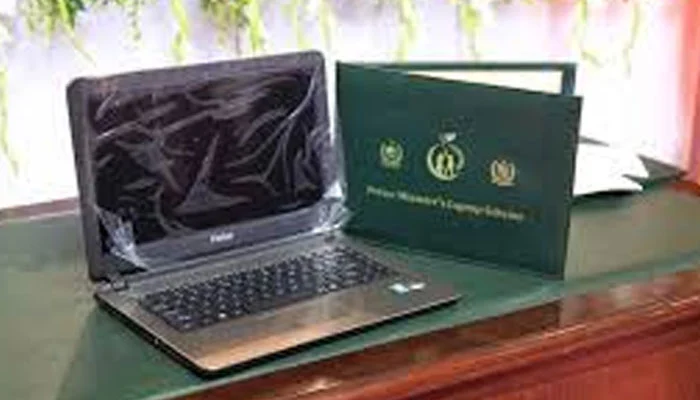
Pakistan Distributes 600,000 Laptops Under Youth Programme

ISLAMABAD — Pakistan has successfully distributed 600,000 laptops to students under the Prime Minister Youth Laptop Scheme. Highlighted in the Pakistan Economic Survey 2025-26, this initiative marks substantial progress in advancing digital education nationwide. 2026 Distribution Progress During the fiscal year 2026, significant advancements were made. From July to March 2026, federal authorities distributed 72,000 laptops to meritorious students across the country. By April 2026, an additional 28,000 laptops are expected to be distributed, fulfilling the year’s target. Transparent Merit-Based Selection The selection process is transparent and merit-based, ensuring that eligible students from every province benefit from this federal initiative. This approach promotes fairness, rewards academic excellence, and enhances educational performance throughout Pakistan. Objectives of the Laptop Scheme The Youth Laptop Scheme aims to provide young Pakistanis with essential digital tools to enhance their education and skills. Its primary objectives include: Bridging the digital divide among students Enhancing digital literacy and technical skills Supporting academic performance through technology Promoting equal educational opportunities across provinces Alignment with National Development Strategy This initiative is a crucial element of Pakistan’s broader educational and technological policy. The federal government is dedicated to developing digital infrastructure to empower youth. The scheme exemplifies Pakistan’s commitment to preparing students for the digital economy, integral to the national development strategy recognized by Islamabad in 2026.

Scroll to Top