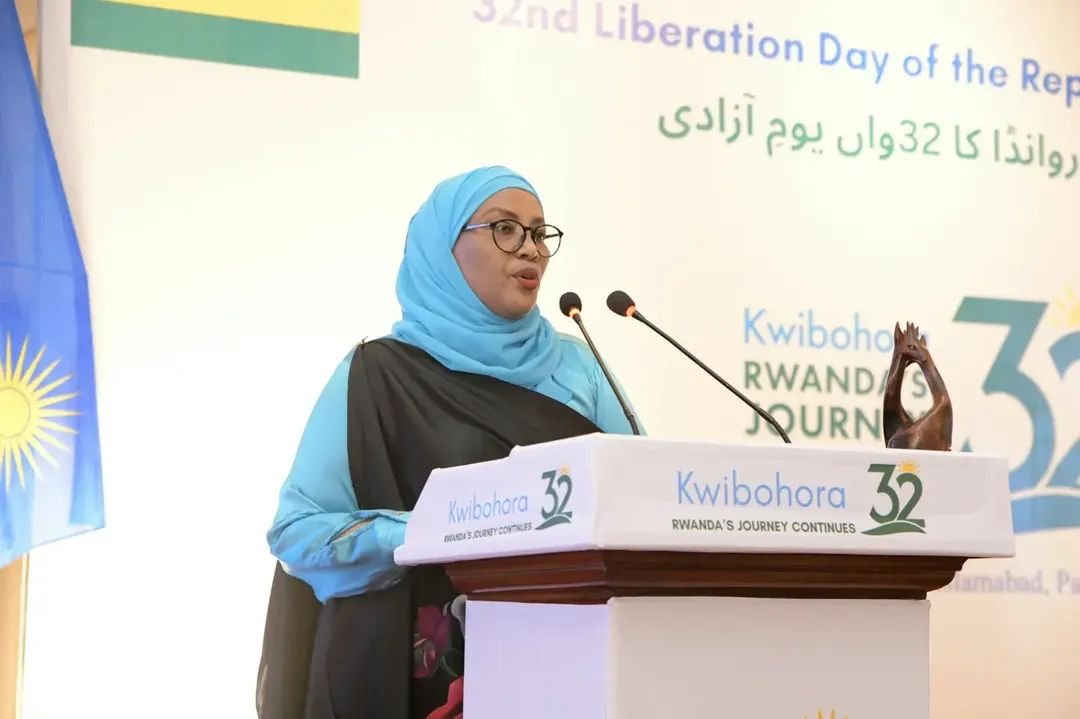
ISLAMABAD — Rwanda celebrated its 32nd Liberation Day in Islamabad, marking the nation’s progress from the 1994 Genocide against the Tutsi to its current status as one of Africa’s fastest-growing economies. The event was attended by federal ministers, diplomats, parliamentarians, business leaders, and members of the diplomatic community, who gathered to honor Rwanda’s journey toward unity and resilience.
What Happened
The commemorative event, held in the capital city of Islamabad, was a vibrant affair, reflecting the patriotic spirit and the strong bilateral relations between Rwanda and Pakistan. Federal ministers and diplomats from various countries participated in the celebration, underscoring the importance of international solidarity and cooperation. The gathering served as a platform to showcase Rwanda’s remarkable transformation over the past three decades.
During the event, speakers highlighted Rwanda’s economic achievements and its commitment to unity and reconciliation. The Rwandan ambassador to Pakistan emphasized the significance of Liberation Day, stating, “This day is a reminder of our resilience and determination to overcome adversity and build a prosperous nation.” The ambassador also acknowledged Pakistan’s support and friendship, which have been instrumental in fostering bilateral ties.
Rwanda’s journey from the devastation of the 1994 genocide to becoming a model of economic growth and stability was a focal point of the celebration. Attendees were reminded of the importance of learning from history to ensure a peaceful and prosperous future. The event concluded with cultural performances that showcased Rwanda’s rich heritage and vibrant culture.
Background
Rwanda’s Liberation Day, known as Kwibohora, commemorates the end of the 1994 Genocide against the Tutsi, which resulted in the deaths of an estimated 800,000 people. The genocide was halted by the Rwandan Patriotic Front (RPF), led by current President Paul Kagame, who has since guided the country through a period of significant transformation.
In the years following the genocide, Rwanda has implemented policies focused on reconciliation, economic development, and poverty reduction. These efforts have led to impressive economic growth, with the country achieving an average annual GDP growth rate of over 7% in the past decade. Rwanda has also made strides in improving healthcare, education, and infrastructure, contributing to its reputation as a stable and progressive nation.
Why It Matters
Rwanda’s Liberation Day celebration in Islamabad is significant for several reasons. Firstly, it highlights the strong diplomatic relations between Rwanda and Pakistan, which have been built on mutual respect and shared goals of economic development and peace. The event serves as a reminder of the importance of international partnerships in addressing global challenges such as poverty, conflict, and climate change.
Economically, Rwanda’s transformation is a testament to the potential for growth and development in Africa. As one of the continent’s fastest-growing economies, Rwanda offers valuable lessons in governance, economic policy, and social cohesion. Its success story can inspire other nations facing similar challenges, demonstrating that progress is possible with the right leadership and policies.
Socially, Rwanda’s journey underscores the power of reconciliation and unity in overcoming past atrocities. The country’s efforts to heal and rebuild after the genocide are a powerful example of resilience and hope, offering a blueprint for other nations grappling with conflict and division.
Key Takeaways
- Rwanda celebrated its 32nd Liberation Day in Islamabad, highlighting its economic and social progress.
- The event underscored the strong bilateral relations between Rwanda and Pakistan.
- Rwanda’s transformation from the 1994 genocide to a thriving economy was a focal point of the celebration.
- The country’s success story serves as an inspiration for other nations facing similar challenges.
- Rwanda’s journey emphasizes the importance of reconciliation and unity in overcoming adversity.
Source Attribution
This article is based on official government statements, press releases, and public communications from relevant authorities.