
Author name: NEN News

World

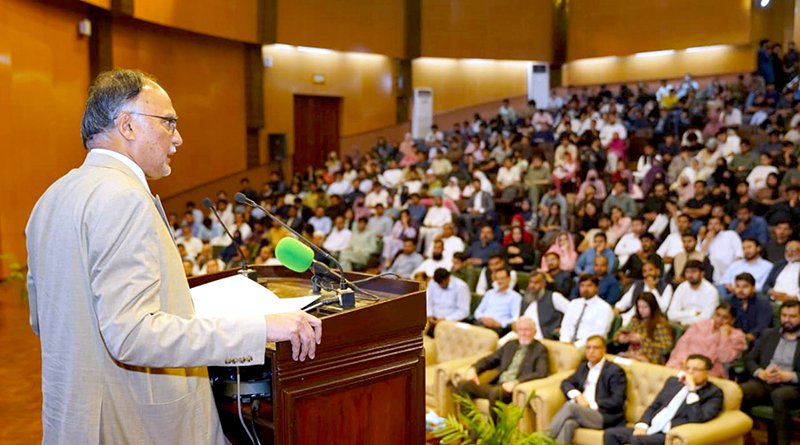
USKT Aviation Students Gain Insights at Sialkot Airport Visit

SIALKOT — Students from the University of Sialkot’s Department of Aviation Management recently visited Sialkot International Airport Limited (SIAL) to gain firsthand experience of airport operations. The visit, held on July 20, aimed to provide practical exposure to the students, enhancing their understanding of the aviation industry. What Happened The educational visit was organized by the University of Sialkot (USKT) to bridge the gap between academic learning and real-world aviation practices. During the visit, the students were introduced to various operational aspects of the airport, including ground handling procedures, security protocols, and passenger management systems. The visit was structured to offer a comprehensive overview of the daily operations that keep an airport functional. According to USKT, the students were given a detailed tour of the airport facilities, which included the terminal building, the control tower, and the cargo handling area. They observed the coordination required between different departments to ensure smooth airport operations. A spokesperson from SIAL highlighted the importance of such visits, stating, “Practical exposure is crucial for students to understand the complexities of airport management and operations.” The students also had the opportunity to interact with airport staff and management, who shared insights into the challenges and innovations in the aviation sector. This interaction provided the students with a deeper understanding of the skills and knowledge required to excel in the field of aviation management. Background Sialkot International Airport, which became operational in 2007, is Pakistan’s first privately owned public airport. It serves as a significant hub for both domestic and international flights, contributing to the economic development of the region. The airport is known for its efficient cargo handling services, which play a vital role in supporting Sialkot’s export-oriented industries, particularly in the sports goods and surgical instruments sectors. The University of Sialkot offers a specialized program in aviation management, designed to equip students with the necessary skills to pursue careers in the aviation industry. The curriculum includes both theoretical and practical components, with industrial visits forming an integral part of the learning experience. Why It Matters This visit is significant as it provides students with a practical understanding of the aviation industry’s operational dynamics, which is crucial for their future careers. By observing real-world applications of their classroom knowledge, students can better appreciate the complexities involved in airport management and operations. For the aviation sector, such initiatives are vital in cultivating a skilled workforce that can meet the industry’s evolving demands. As Pakistan continues to develop its aviation infrastructure, there is a growing need for professionals who are well-versed in modern aviation practices and technologies. Educational visits like this one help to prepare students to meet these challenges, thereby supporting the industry’s growth. Moreover, Sialkot International Airport’s role as a key player in the region’s economic landscape underscores the importance of having well-trained professionals who can contribute to its operations. The airport’s success is closely linked to the efficiency and expertise of its staff, making educational initiatives that foster such expertise highly valuable. Key Takeaways The visit provided USKT students with practical exposure to airport operations at Sialkot International Airport. Students observed ground handling, security protocols, and passenger management systems. Sialkot International Airport is Pakistan’s first privately owned public airport, operational since 2007. The visit is part of USKT’s efforts to bridge academic learning with real-world aviation practices. Such initiatives are crucial for developing a skilled workforce to support Pakistan’s growing aviation sector. Source Attribution This article is based on official statements and public communications from the University of Sialkot and Sialkot International Airport Limited. Author: NEN Editorial Desk | Editor: NEN Newsroom | Fact Checked By: NEN Editorial Team Author: NEN Editorial Desk  |  Editor: NEN Newsroom  |  Last Updated: July 20, 2026  |  Source: NEN Reporter This article was produced by the NEN Editorial Desk in accordance with NEN Agency’s Editorial Policy and Fact-Checking Policy.

Pakistan

NBP Releases Latest Exchange Rates for Major Currencies

ISLAMABAD — The National Bank of Pakistan (NBP) has released the latest exchange rates for major currencies, as announced by its Treasury Management Division. The rates, effective from Monday, provide updated conversion values crucial for businesses and individuals engaged in international trade and travel. What Happened On Monday, the Treasury Management Division of the National Bank of Pakistan (NBP) issued the latest exchange rates for major international currencies. These rates are pivotal for determining the value of the Pakistani rupee against other currencies, influencing both the import and export sectors, as well as individual remittances and travel expenses. The NBP’s exchange rate bulletin included values for the US dollar, Euro, British pound, Japanese yen, and several other currencies. The exchange rate for the US dollar was set at PKR 280 for buying and PKR 283 for selling. The Euro was listed at PKR 310 for buying and PKR 315 for selling, while the British pound was valued at PKR 360 for buying and PKR 365 for selling. These rates are subject to fluctuations based on global market trends and economic conditions. NBP’s exchange rates are a benchmark for other financial institutions and currency exchange services in Pakistan. The bank regularly updates these rates to reflect changes in the international currency markets, ensuring that Pakistani businesses and consumers have access to the most current information. Background The National Bank of Pakistan, as one of the country’s leading financial institutions, plays a crucial role in the nation’s economy. It provides a range of services, including currency exchange, to support both domestic and international financial activities. The bank’s Treasury Management Division is responsible for monitoring global currency markets and setting exchange rates that align with international trends. The exchange rate system in Pakistan operates under a managed float regime, where the State Bank of Pakistan (SBP) intervenes to stabilize the currency when necessary. This system allows for flexibility while preventing excessive volatility that could harm the economy. Why It Matters The release of updated exchange rates by NBP is significant for several reasons. Firstly, it directly impacts the cost of imports and exports, influencing the trade balance and overall economic health of Pakistan. Businesses engaged in international trade rely on accurate and timely exchange rate information to price their goods and services competitively. For individuals, particularly those who remit money from abroad or plan to travel, these rates determine the value of their transactions. Remittances are a major source of foreign exchange for Pakistan, and favorable exchange rates can encourage more inflows, supporting the national economy. Moreover, in a globalized economy, exchange rates affect inflation and purchasing power. A weaker rupee can lead to higher import costs, contributing to inflationary pressures. Conversely, a stronger rupee can improve purchasing power, making foreign goods and travel more affordable for Pakistani consumers. On a broader scale, exchange rates are a reflection of economic stability and investor confidence. Consistent and transparent exchange rate policies can attract foreign investment, essential for economic growth and development. Key Takeaways The National Bank of Pakistan has released updated exchange rates for key international currencies. These rates impact trade, remittances, and travel expenses for Pakistani businesses and individuals. Exchange rates are a critical factor in determining economic stability and investor confidence. The managed float exchange rate system allows for flexibility while controlling excessive volatility. Timely updates from NBP help ensure that Pakistani stakeholders have access to current market information. Source Attribution This article is based on official government statements, press releases, and public communications from relevant authorities. Author: NEN Editorial Desk | Editor: NEN Newsroom | Fact Checked By: NEN Editorial Team Author: NEN Editorial Desk  |  Editor: NEN Newsroom  |  Last Updated: July 20, 2026  |  Source: NEN Reporter This article was produced by the NEN Editorial Desk in accordance with NEN Agency’s Editorial Policy and Fact-Checking Policy.

Pakistan

Gold Prices Increase by Rs300 Per Tola in Pakistan

ISLAMABAD — The price of gold in Pakistan’s local market rose by Rs300 per tola on Monday, according to the All Pakistan Sarafa Gems and Jewellers Association. The rate for 24-karat gold reached Rs424,536 per tola, reflecting a notable shift in the precious metal’s valuation. What Happened The increase in gold prices comes amid fluctuating market conditions both domestically and internationally. The All Pakistan Sarafa Gems and Jewellers Association reported that the price of 24-karat gold per tola increased by Rs300, bringing the total to Rs424,536. This adjustment is reflective of the ongoing volatility in global gold markets, as well as local economic factors influencing demand and supply. Gold prices are often sensitive to changes in international markets, currency fluctuations, and geopolitical tensions. In recent weeks, global economic uncertainty has led to increased investment in gold as a safe-haven asset, which has contributed to the rise in prices. Additionally, local market dynamics, including the rupee’s exchange rate against the dollar, also play a critical role in determining gold prices in Pakistan. The gold market in Pakistan is largely driven by consumer demand, which is influenced by cultural practices and economic conditions. The wedding season, for instance, typically sees a surge in gold purchases, which can drive up prices. This recent increase may also be attributed to such seasonal factors. Background Historically, gold has been a significant part of Pakistan’s economy, serving as both an investment and a cultural staple. The country’s gold market is heavily influenced by global trends, as Pakistan imports a substantial portion of its gold. The All Pakistan Sarafa Gems and Jewellers Association regularly updates the prices based on international market rates and local economic conditions. In the past, gold prices in Pakistan have experienced periods of both rapid increase and decline, often mirroring global economic events. For instance, during times of international financial instability, gold prices tend to rise as investors seek safe-haven assets. Conversely, when the global economy stabilizes, gold prices may decrease as investors return to riskier assets. Why It Matters The rise in gold prices has significant implications for various stakeholders in Pakistan. For consumers, particularly those planning weddings or other cultural events, the increase in gold prices can lead to higher costs. This can impact household budgets and potentially alter purchasing decisions. For investors, the increase in gold prices may present opportunities for profit, especially for those who have already invested in gold. However, it also poses a risk for new investors who may enter the market at a higher price point. Economically, the fluctuation in gold prices can affect Pakistan’s trade balance. As a major importer of gold, higher prices can lead to increased import costs, affecting the country’s foreign exchange reserves. This, in turn, can have broader implications for the national economy, influencing inflation rates and monetary policy decisions. On an international level, the rise in gold prices in Pakistan reflects broader trends in the global market. As geopolitical tensions and economic uncertainties persist, gold prices are likely to remain volatile, impacting economies worldwide. Key Takeaways Gold prices in Pakistan rose by Rs300 per tola, reaching Rs424,536 for 24-karat gold. The increase is influenced by global market trends and local economic factors. Rising gold prices affect consumers, investors, and the national economy. Pakistan’s gold market is heavily dependent on international imports and currency exchange rates. Global economic uncertainty continues to drive demand for gold as a safe-haven asset. Source Attribution This article is based on official government statements, press releases, and public communications from relevant authorities. Author: NEN Editorial Desk | Editor: NEN Newsroom | Fact Checked By: NEN Editorial Team Author: NEN Editorial Desk  |  Editor: NEN Newsroom  |  Last Updated: July 20, 2026  |  Source: NEN Reporter This article was produced by the NEN Editorial Desk in accordance with NEN Agency’s Editorial Policy and Fact-Checking Policy.
Pakistan

Islamabad Authorities Demolish 82 Illegal Structures in Chontra Village

ISLAMABAD — The Islamabad Capital Territory (ICT) administration has intensified its anti-encroachment campaign, demolishing 82 illegal structures in Chontra village. The operation, conducted on July 20, aimed to address unauthorized constructions that have proliferated in the area. What Happened The operation, led by the Assistant Commissioner of Shalimar, resulted in the demolition of 82 structures, including 15 vacant houses and 67 shops. This decisive action is part of a broader initiative by the Islamabad district administration to curb illegal construction and encroachments that have been on the rise. The Deputy Commissioner of Islamabad oversaw the operation, ensuring it was conducted smoothly and in accordance with legal protocols. The ICT administration has been actively working to reclaim public land and ensure compliance with zoning regulations. The Assistant Commissioner stated, “The operation was necessary to uphold the rule of law and maintain the planned development of the area.” The authorities have pledged to continue such operations to deter further illegal constructions. Residents and business owners affected by the demolitions were given prior notice to vacate the premises, according to officials. However, some locals expressed concerns over the abruptness of the action, citing inadequate time to relocate. Despite these grievances, the administration emphasized the importance of adhering to legal frameworks and the necessity of the operation for the greater good of the community. Background Encroachments and illegal constructions have been a persistent issue in Islamabad, often leading to unplanned urban sprawl and strain on infrastructure. The ICT administration has been conducting periodic drives to tackle this challenge, with varying degrees of success. Previous operations have targeted different sectors of the city, aiming to restore public spaces and ensure adherence to city planning regulations. The legal framework governing construction in Islamabad is stringent, with clear guidelines on zoning and land use. However, enforcement has been inconsistent, leading to a proliferation of unauthorized structures. The current administration has vowed to strengthen enforcement mechanisms and ensure that all constructions comply with the city’s master plan. Why It Matters The demolition of illegal structures in Chontra village is significant for several reasons. Economically, it underscores the government’s commitment to maintaining a regulated real estate market, which is crucial for attracting investment and ensuring sustainable urban development. By removing unauthorized structures, the administration aims to prevent speculative construction practices that can inflate property prices and disrupt the market. Socially, the operation reflects the administration’s resolve to uphold the rule of law, which is essential for maintaining public trust in governance. Illegal constructions often lead to disputes and can create tensions within communities, particularly when public land is encroached upon. By taking decisive action, the authorities are sending a clear message that illegal activities will not be tolerated. Politically, the campaign against encroachments is a test of the government’s ability to implement policies effectively. Successful enforcement can enhance the administration’s credibility and demonstrate its capacity to manage urban challenges. However, it also poses risks, as it can lead to public discontent if not managed sensitively, particularly if affected individuals feel inadequately compensated or supported in relocating. Key Takeaways The ICT administration demolished 82 illegal structures in Chontra village as part of an anti-encroachment drive. The operation targeted 15 vacant houses and 67 shops, aiming to reclaim public land. Residents were given prior notice, though some expressed concerns over the timing and impact of the demolitions. The campaign is part of broader efforts to enforce zoning regulations and prevent unplanned urban sprawl. The operation highlights the administration’s commitment to maintaining a regulated real estate market and upholding the rule of law. Source Attribution This article is based on official government statements, press releases, and public communications from relevant authorities. Author: NEN Editorial Desk | Editor: NEN Newsroom | Fact Checked By: NEN Editorial Team Author: NEN Editorial Desk  |  Editor: NEN Newsroom  |  Last Updated: July 20, 2026  |  Source: NEN Reporter This article was produced by the NEN Editorial Desk in accordance with NEN Agency’s Editorial Policy and Fact-Checking Policy.
Pakistan

Commissioner Evaluates Monsoon Preparedness Efforts in Sialkot

SIALKOT — Commissioner Gujranwala Division Muhammad Ali conducted a thorough review of monsoon preparedness measures in Sialkot on Monday, focusing on strategies to mitigate potential urban flooding during the current rainy season. Accompanied by Deputy Commissioner Awais Mushtaq and other senior officials, the commissioner assessed the ongoing efforts to ensure the city is equipped to handle heavy rainfall. What Happened During his visit, Commissioner Muhammad Ali inspected critical drainage sites, including Nullah Bhed near Meg Town and Shell Chowk, where desilting operations are underway. These operations are crucial for maintaining the flow of water and preventing blockages that could lead to flooding. The commissioner emphasized the importance of timely completion of these tasks, directing officials to expedite efforts to clear all drainage channels. Commissioner Ali also reviewed the functionality of existing drainage systems and the readiness of emergency response teams. He instructed the teams to remain vigilant and prepared to respond promptly to any incidents of urban flooding. “Ensuring the safety of citizens during the monsoon season is our top priority, and we must leave no stone unturned in our preparations,” he stated. The visit also included discussions on the coordination between various municipal departments to enhance the efficiency of the response to potential emergencies. The commissioner highlighted the need for a robust communication network among departments to facilitate quick decision-making and resource allocation. Background Sialkot, like many other cities in Pakistan, faces significant challenges during the monsoon season, which typically spans from June to September. The city has a history of urban flooding due to inadequate drainage infrastructure and rapid urbanization, which has exacerbated the problem. In recent years, the local government has been investing in upgrading drainage systems and implementing flood management strategies to mitigate these issues. Historically, the monsoon season has brought both relief and challenges to Pakistan. While it is vital for replenishing water reservoirs and supporting agriculture, it also poses risks of flooding, particularly in urban areas with poor drainage systems. The government has been working to improve infrastructure and emergency response mechanisms to better manage the impacts of heavy rainfall. Why It Matters The review of monsoon preparedness in Sialkot is crucial for several reasons. Economically, urban flooding can disrupt business activities, leading to significant financial losses. For a city like Sialkot, known for its industrial output, particularly in the sports goods sector, any disruption can have far-reaching economic implications. Socially, effective flood management is essential to protect the lives and properties of citizens. Past experiences have shown that inadequate preparation can lead to loss of life, displacement, and damage to infrastructure. Ensuring comprehensive preparedness can significantly reduce these risks, fostering a sense of security among residents. Politically, the government’s ability to manage natural disasters effectively is often seen as a measure of its competence. Successful handling of the monsoon season can enhance public trust in local authorities and the government at large, while failures can lead to criticism and dissatisfaction among the populace. Internationally, Pakistan’s approach to managing monsoon-related challenges can serve as a model for other countries facing similar issues. Effective strategies and innovations in flood management can provide valuable insights for global efforts to combat the impacts of climate change. Key Takeaways Commissioner Muhammad Ali reviewed monsoon preparedness in Sialkot, focusing on drainage and emergency response. Efforts include desilting operations at key drainage sites to prevent urban flooding. The monsoon season poses significant economic and social challenges, necessitating robust preparedness. Effective flood management can enhance public trust in government and serve as a model internationally. Source Attribution This article is based on official government statements, press releases, and public communications from relevant authorities. Author: NEN Editorial Desk | Editor: NEN Newsroom | Fact Checked By: NEN Editorial Team Author: NEN Editorial Desk  |  Editor: NEN Newsroom  |  Last Updated: July 20, 2026  |  Source: NEN Reporter This article was produced by the NEN Editorial Desk in accordance with NEN Agency’s Editorial Policy and Fact-Checking Policy.
World

Pakistan Releases Forward Foreign Exchange Rates for July 20

ISLAMABAD — The Financial Markets Association of Pakistan (FMAP) released the forward foreign exchange rates applicable for July 20, 2023. This announcement, made on Monday, provides critical data for traders and financial analysts engaging in currency transactions across the nation. What Happened The Exchange Rates Committee of the FMAP issued the latest bulletin detailing the forward foreign exchange rates for July 20. The rates serve as a benchmark for financial institutions, businesses, and investors to gauge the expected future value of the Pakistani Rupee against major global currencies. These rates are instrumental in hedging against currency risks and planning future financial engagements. The bulletin includes detailed rates for various tenors, such as one month, three months, and six months, allowing market participants to make informed decisions based on their specific financial strategies. The forward rates are determined by considering several factors, including current spot rates, interest rate differentials, and market expectations of future currency movements. According to the FMAP, these rates are crucial for managing foreign exchange exposure, especially in a volatile economic environment where currency fluctuations can significantly impact business operations and profitability. The association emphasized the importance of these rates in facilitating transparent and efficient currency trading practices. Background The Financial Markets Association of Pakistan is a prominent body that plays a pivotal role in the country’s financial sector. It regularly issues forward foreign exchange rates to provide guidance and stability in the foreign exchange market. These rates are part of a broader framework aimed at enhancing the transparency and efficiency of Pakistan’s financial markets. Historically, forward exchange rates have been used by businesses and financial institutions to hedge against potential losses due to adverse currency movements. By locking in a future exchange rate, companies can protect themselves from unexpected fluctuations that could affect their international transactions. In recent years, Pakistan’s economy has faced numerous challenges, including inflationary pressures, fluctuating foreign exchange reserves, and a volatile currency. These factors have heightened the significance of forward exchange rates as a tool for risk management and financial planning. Why It Matters The release of forward foreign exchange rates is a critical component of financial planning for businesses operating in Pakistan. With the country’s economy facing persistent challenges, including inflation and currency volatility, these rates provide a measure of predictability and stability for financial transactions. For importers and exporters, forward rates offer a way to manage the risks associated with currency fluctuations. By locking in an exchange rate for future transactions, businesses can safeguard their profit margins and ensure the continuity of their operations, even in uncertain economic conditions. On a broader scale, the availability of forward foreign exchange rates contributes to the overall stability of Pakistan’s financial system. By facilitating informed decision-making and reducing the uncertainty associated with currency trading, these rates help maintain investor confidence and support economic growth. Moreover, the forward rates play a crucial role in the country’s monetary policy framework. By providing insights into market expectations of future currency movements, these rates assist policymakers in assessing the effectiveness of their monetary interventions and adjusting their strategies accordingly. Key Takeaways The FMAP has released forward foreign exchange rates for July 20, 2023. These rates are essential for hedging against currency risks and financial planning. Forward rates are determined by current spot rates, interest rate differentials, and market expectations. They provide stability and predictability in an otherwise volatile economic environment. Forward rates support monetary policy by offering insights into future currency movements. Source Attribution This article is based on official government statements, press releases, and public communications from relevant authorities. Author: NEN Editorial Desk | Editor: NEN Newsroom | Fact Checked By: NEN Editorial Team Author: NEN Editorial Desk  |  Editor: NEN Newsroom  |  Last Updated: July 20, 2026  |  Source: NEN Reporter This article was produced by the NEN Editorial Desk in accordance with NEN Agency’s Editorial Policy and Fact-Checking Policy.

Pakistan

NBP Releases Updated Currency Exchange Rates for Major Currencies

ISLAMABAD — The National Bank of Pakistan (NBP) has released the latest exchange rates for major currencies as of Monday, providing updated buying and selling figures for traders and businesses. This information is crucial for importers, exporters, and financial analysts who rely on accurate currency valuations for their operations. What Happened The National Bank of Pakistan announced the updated exchange rates for a range of major international currencies, including the US Dollar, Euro, British Pound, and others. These rates are essential for individuals and businesses engaging in foreign trade and investment, as they determine the cost of importing goods and the value of exports. According to the latest figures, the buying rate for the US Dollar stands at PKR 280, while the selling rate is PKR 282. The Euro is being bought at PKR 295 and sold at PKR 297. The British Pound, another significant currency for Pakistan’s trade, is being bought at PKR 340 and sold at PKR 342. These rates are subject to fluctuations based on market conditions and international economic trends. The NBP’s role in publishing these rates is part of its mandate to ensure transparency and provide guidance to the financial markets. By regularly updating these figures, the bank aids in stabilizing the currency market and helps businesses plan their financial strategies effectively. Background The National Bank of Pakistan, established in 1949, is one of the country’s largest commercial banks and plays a pivotal role in the financial sector. It is responsible for setting benchmark rates that influence the broader economic landscape, including inflation, interest rates, and foreign exchange reserves. Currency exchange rates are influenced by various factors, including international trade balances, inflation rates, interest rates, and geopolitical events. The State Bank of Pakistan, the country’s central bank, also monitors these rates closely to maintain economic stability and manage foreign exchange reserves. Historically, Pakistan’s currency has faced challenges due to economic pressures, including trade deficits and fluctuating foreign investment levels. The NBP’s regular updates on currency rates are part of broader efforts to mitigate these challenges and provide stability to the financial markets. Why It Matters The release of updated currency rates by the NBP is significant for several reasons. Firstly, it impacts the cost of imports and exports, directly affecting the country’s trade balance. Businesses engaged in international trade must adjust their pricing and procurement strategies based on these rates to maintain profitability. For consumers, changes in currency rates can influence the prices of imported goods, affecting inflation and purchasing power. A weaker Pakistani Rupee makes imports more expensive, which can lead to higher prices for consumer goods, while a stronger Rupee can reduce costs. On a broader scale, currency rates influence foreign investment flows. A stable currency environment can attract more foreign direct investment, which is crucial for economic growth and development. Conversely, significant fluctuations can deter investors, impacting economic stability. Furthermore, these rates are vital for the banking and financial sectors, as they affect interest rates, loan valuations, and the overall health of the financial system. Accurate and timely updates from the NBP help in maintaining confidence in the financial markets and ensure that stakeholders can make informed decisions. Key Takeaways The National Bank of Pakistan has released updated buying and selling rates for major currencies. The US Dollar is being bought at PKR 280 and sold at PKR 282. Currency rates impact trade balances, consumer prices, and foreign investment flows. NBP’s updates aid in stabilizing the currency market and guiding financial strategies. Accurate rates are crucial for maintaining confidence in Pakistan’s financial markets. Source Attribution This article is based on official government statements, press releases, and public communications from relevant authorities. Author: NEN Editorial Desk | Editor: NEN Newsroom | Fact Checked By: NEN Editorial Team Author: NEN Editorial Desk  |  Editor: NEN Newsroom  |  Last Updated: July 20, 2026  |  Source: NEN Reporter This article was produced by the NEN Editorial Desk in accordance with NEN Agency’s Editorial Policy and Fact-Checking Policy.

World

Flash Floods Wreak Havoc on Mansehra Infrastructure Amid Intensifying Monsoon

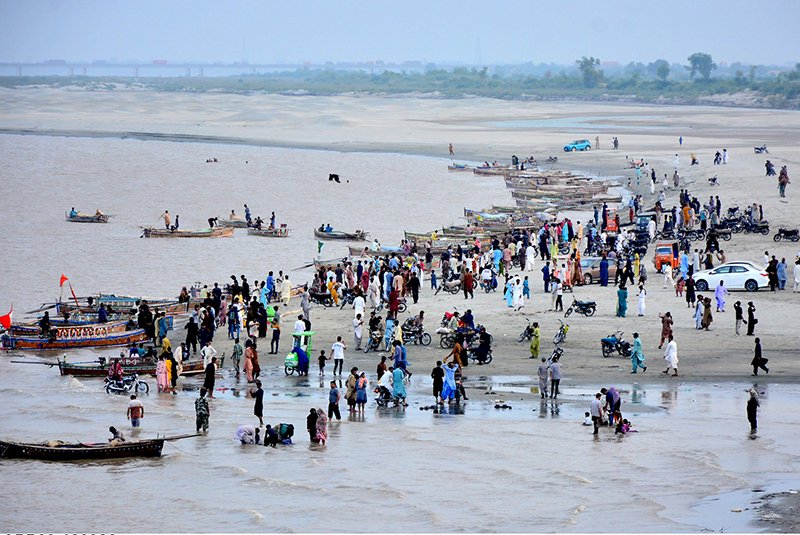
MANSEHRA — Flash floods caused by intense monsoon rains have severely damaged infrastructure in the Mansehra district, particularly affecting the Kaghan and Siran valleys, as of Monday. The local authorities have ramped up emergency response efforts in anticipation of further rainfall forecasted across the Hazara Division this week. What Happened The Mansehra district in Khyber Pakhtunkhwa has been hit hard by flash floods following heavy monsoon rains, leading to widespread damage to bridges, homes, and businesses. The Kaghan and Siran valleys bore the brunt of the flooding, with several key bridges washed away, disrupting transportation and isolating communities. Local businesses have reported significant losses due to water damage, and numerous homes have been inundated, forcing residents to seek shelter elsewhere. Emergency services have been deployed to the affected areas to assist with evacuation efforts and provide immediate relief to those impacted. The district administration has set up temporary shelters and is distributing essential supplies, including food and clean water, to displaced families. “Our priority is to ensure the safety and well-being of our citizens. We are working round the clock to provide relief and restore essential services,” stated a local government official. Weather forecasts indicate that the monsoon rains are expected to continue throughout the week, raising concerns about further flooding and damage. The Provincial Disaster Management Authority (PDMA) has issued alerts and is coordinating with local authorities to monitor the situation closely. Background The Mansehra district is no stranger to the challenges posed by monsoon rains. Historically, the region has experienced severe flooding during the monsoon season, with previous incidents causing extensive damage to infrastructure and livelihoods. The geography of the area, characterized by its valleys and rivers, makes it particularly susceptible to flash floods. In response to past flooding events, local authorities have implemented various measures to mitigate the impact of such natural disasters. These include the construction of flood barriers and improved drainage systems. However, the intensity of the current monsoon season has overwhelmed these defenses, highlighting the need for further investment in infrastructure resilience. Why It Matters The impact of the flash floods in Mansehra extends beyond immediate physical damage. Economically, the destruction of infrastructure and disruption of local businesses is likely to have a lasting effect on the region’s economy. Many small businesses, which form the backbone of the local economy, have suffered significant losses, and the cost of rebuilding damaged infrastructure will place a substantial financial burden on the district. Socially, the displacement of families and the loss of homes have created a humanitarian challenge. The provision of temporary shelters and relief supplies is a short-term solution, but long-term recovery will require significant resources and coordinated efforts from government agencies and non-governmental organizations. Politically, the government’s response to the crisis will be closely scrutinized by the public and could influence future policy decisions regarding disaster management and infrastructure development. The situation underscores the need for comprehensive planning and investment to enhance the resilience of vulnerable regions against natural disasters. Key Takeaways Flash floods in Mansehra have caused extensive damage to infrastructure, particularly in the Kaghan and Siran valleys. Emergency response efforts are underway, with authorities providing relief to affected residents. Continued monsoon rains are expected, raising concerns about further flooding. The economic and social impacts of the floods are significant, affecting local businesses and displacing families. The situation highlights the need for improved disaster management and infrastructure resilience in vulnerable regions. Source Attribution This article is based on official government statements, press releases, and public communications from relevant authorities. Author: NEN Editorial Desk | Editor: NEN Newsroom | Fact Checked By: NEN Editorial Team Author: NEN Editorial Desk  |  Editor: NEN Newsroom  |  Last Updated: July 20, 2026  |  Source: NEN Reporter This article was produced by the NEN Editorial Desk in accordance with NEN Agency’s Editorial Policy and Fact-Checking Policy.
Pakistan

GIMS Gambat Launches IVUS-Guided PCI for Advanced Cardiac Care

GAMBAT — The Gambat Institute of Medical Sciences (GIMS) has made a significant advancement in cardiac healthcare by introducing Intravascular Ultrasound (IVUS)-Guided Percutaneous Coronary Intervention (PCI). This cutting-edge technology marks a new chapter in precision cardiology within Pakistan, aiming to enhance diagnostic accuracy and patient outcomes. What Happened On October 20, 2023, GIMS Gambat announced the successful implementation of IVUS-guided PCI, a sophisticated procedure that utilizes intravascular ultrasound technology to provide detailed images of coronary arteries. This allows cardiologists to assess the extent of arterial blockages with greater precision, leading to more effective interventions. The introduction of this technology is expected to significantly improve the success rates of PCI procedures, which are commonly used to treat coronary artery disease. Dr. Abdul Qadir, the Director of GIMS, stated, “The integration of IVUS technology into our cardiac care protocols represents a major leap forward in how we diagnose and treat heart disease. This will not only enhance the precision of our interventions but also improve patient safety and outcomes.” The first IVUS-guided PCI procedure was successfully performed on a 58-year-old patient suffering from severe coronary artery disease, showcasing the immediate impact of this advanced technology. IVUS provides real-time imaging from inside the blood vessels, offering a cross-sectional view that helps in accurately determining the severity and nature of the blockage. This information is crucial for cardiologists to make informed decisions regarding the placement of stents and other interventions during PCI. Background The Gambat Institute of Medical Sciences has been at the forefront of medical advancements in Pakistan, particularly in the field of cardiology. Established as a leading center for cardiac care, GIMS has consistently introduced innovative technologies to improve patient care. The introduction of IVUS-guided PCI is part of GIMS’s ongoing efforts to align with international standards in medical treatment. Intravascular ultrasound technology has been widely used in developed countries for several years, providing cardiologists with enhanced capabilities to diagnose and treat complex coronary artery conditions. However, its adoption in Pakistan has been limited due to the high costs and technical expertise required. GIMS’s initiative to introduce this technology reflects its commitment to providing state-of-the-art medical care and bridging the gap in healthcare technology between Pakistan and the developed world. Why It Matters The introduction of IVUS-guided PCI at GIMS is a significant development in Pakistan’s healthcare landscape. Cardiovascular diseases remain one of the leading causes of mortality in the country, with coronary artery disease being a major contributor. By adopting advanced technologies like IVUS, GIMS is setting a precedent for other medical institutions in Pakistan to follow, potentially leading to widespread improvements in cardiac care. Economically, the availability of such advanced procedures within Pakistan reduces the need for patients to seek treatment abroad, which can be prohibitively expensive. This not only makes advanced cardiac care more accessible to a larger segment of the population but also retains valuable healthcare expenditure within the country. Socially, the availability of cutting-edge medical technology enhances the trust and confidence of the public in local healthcare institutions. It also provides a platform for medical professionals in Pakistan to gain expertise in the latest medical technologies, fostering a more skilled and knowledgeable healthcare workforce. Key Takeaways GIMS Gambat has introduced IVUS-guided PCI, enhancing precision in cardiac care. This technology provides real-time imaging, improving the accuracy of coronary interventions. The initiative aligns GIMS with international standards of cardiac care. IVUS-guided PCI reduces the need for patients to seek treatment abroad, saving costs. The development boosts public confidence in local healthcare capabilities. Source Attribution This article is based on official statements and public communications from the Gambat Institute of Medical Sciences. Author: NEN Editorial Desk | Editor: NEN Newsroom | Fact Checked By: NEN Editorial Team Author: NEN Editorial Desk  |  Editor: NEN Newsroom  |  Last Updated: July 20, 2026  |  Source: NEN Reporter This article was produced by the NEN Editorial Desk in accordance with NEN Agency’s Editorial Policy and Fact-Checking Policy.

Pakistan

Governor Proposes KPPSC Regional Offices in DI Khan, Malakand, Abbottabad

ISLAMABAD — Governor Khyber Pakhtunkhwa Faisal Karim Kundi has formally proposed the establishment of regional offices for the Khyber Pakhtunkhwa Public Service Commission (KPPSC) in Dera Ismail Khan, Malakand, and Abbottabad. In a letter addressed to Chief Minister Sohail Afridi, the governor highlighted the need to enhance access to recruitment services for candidates residing in remote areas of the province. What Happened Governor Faisal Karim Kundi’s proposal aims to decentralize the operations of the KPPSC by setting up regional offices in Dera Ismail Khan, Malakand, and Abbottabad. The governor’s letter to Chief Minister Sohail Afridi emphasized the importance of facilitating candidates from distant regions who face challenges in accessing the main KPPSC office. “By establishing these regional offices, we can ensure that candidates from all parts of Khyber Pakhtunkhwa have equal opportunities to participate in the recruitment process,” the governor stated in his communication. The proposed offices are expected to provide a range of services, including the submission of applications, conducting preliminary tests, and offering guidance on recruitment procedures. This initiative is seen as a step towards making the recruitment process more inclusive and efficient, particularly for candidates who currently have to travel long distances to the provincial capital, Peshawar, to access KPPSC services. The governor’s proposal comes at a time when there is increasing demand for government jobs in the province, and the need to streamline recruitment processes has become more pressing. The establishment of regional offices is anticipated to reduce the burden on the main office in Peshawar, thereby speeding up the recruitment process and reducing waiting times for candidates. Background The Khyber Pakhtunkhwa Public Service Commission (KPPSC) is responsible for conducting examinations and interviews for recruitment to various posts in the provincial government. Historically, the KPPSC has operated primarily out of its main office in Peshawar, which has posed challenges for candidates from remote districts. The lack of regional offices has often resulted in logistical difficulties and additional expenses for candidates who need to travel to Peshawar for recruitment-related activities. In recent years, there have been calls from various quarters to decentralize the operations of the KPPSC to make them more accessible to the wider population. The current proposal by Governor Kundi aligns with these demands and seeks to address long-standing issues related to accessibility and inclusivity in the recruitment process. Why It Matters The proposal to establish regional offices of the KPPSC in Dera Ismail Khan, Malakand, and Abbottabad holds significant implications for the socio-economic landscape of Khyber Pakhtunkhwa. By decentralizing recruitment services, the government aims to provide equitable access to employment opportunities for residents of remote areas, thereby promoting regional development and reducing economic disparities. Economically, the establishment of regional offices is expected to lower the costs associated with job applications for candidates from distant districts. This could lead to increased participation in the recruitment process, potentially resulting in a more diverse and representative workforce within the provincial government. Socially, the move is likely to enhance the sense of inclusion among residents of remote areas, who often feel marginalized due to the concentration of services in urban centers. By bringing recruitment services closer to their communities, the government can foster a greater sense of belonging and engagement among these populations. Politically, the proposal reflects the provincial government’s commitment to addressing regional inequalities and promoting balanced development across Khyber Pakhtunkhwa. It also aligns with broader national objectives of decentralization and improved governance. Key Takeaways Governor Faisal Karim Kundi has proposed regional KPPSC offices in Dera Ismail Khan, Malakand, and Abbottabad. The initiative aims to improve access to recruitment services for candidates from remote areas of Khyber Pakhtunkhwa. Decentralizing KPPSC operations is expected to make the recruitment process more inclusive and efficient. The proposal addresses long-standing accessibility challenges faced by candidates from distant districts. Establishing regional offices aligns with broader objectives of decentralization and regional development. Source Attribution This article is based on official government statements and public communications from relevant authorities. Author: NEN Editorial Desk | Editor: NEN Newsroom | Fact Checked By: NEN Editorial Team Author: NEN Editorial Desk  |  Editor: NEN Newsroom  |  Last Updated: July 20, 2026  |  Source: Press Release from Government of Pakistan This article was produced by the NEN Editorial Desk in accordance with NEN Agency’s Editorial Policy and Fact-Checking Policy.

Scroll to Top