
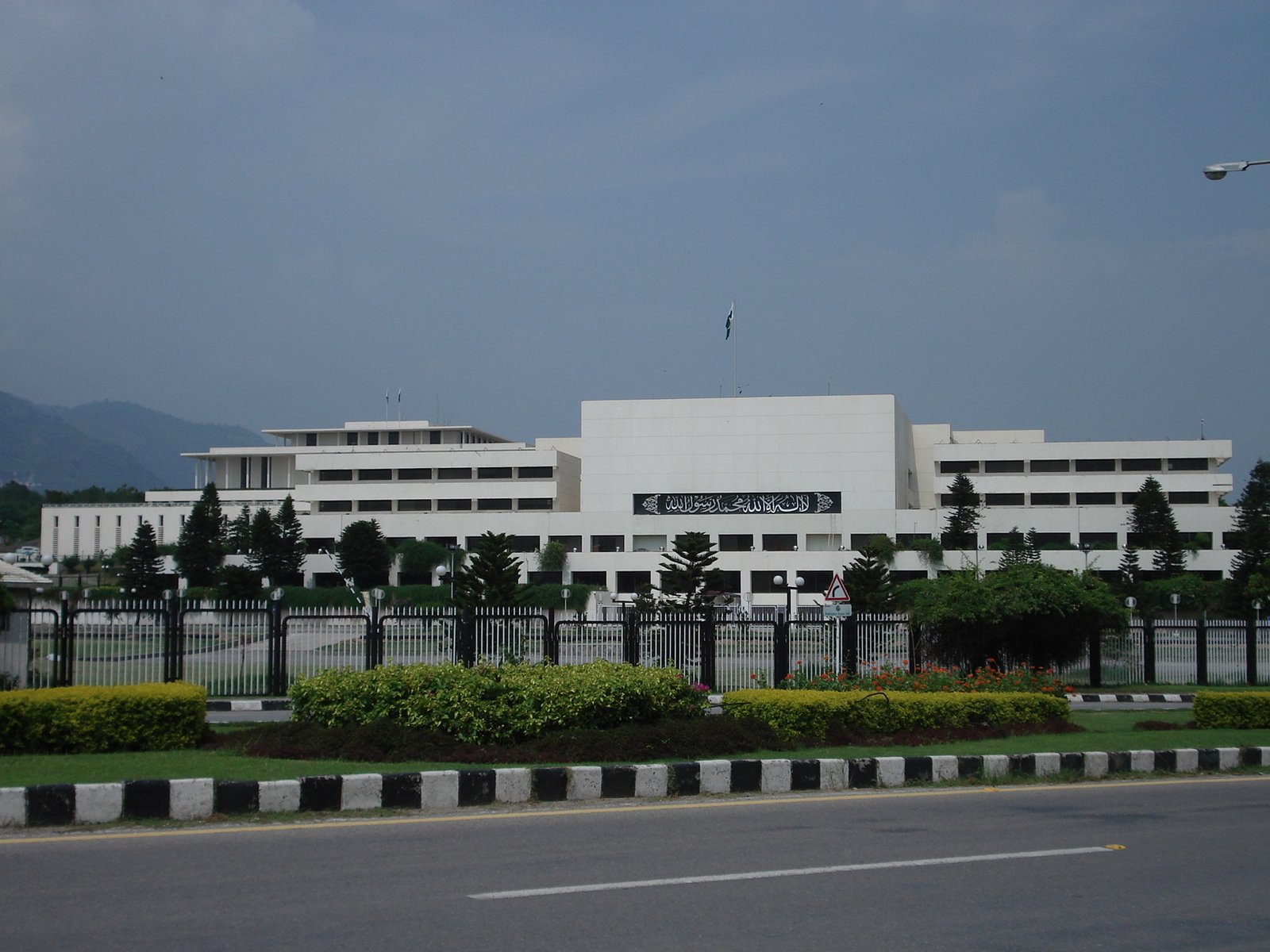
ISLAMABAD — Both houses of Pakistan’s Parliament are set to convene on Monday to deliberate on a comprehensive 111-point agenda addressing crucial legislative and public interest matters. The sessions of the National Assembly and the Senate will focus on a range of issues, including legislative amendments and public welfare concerns.
What Happened
The National Assembly and the Senate will meet in Islamabad to discuss an extensive agenda aimed at addressing significant legislative and public interest issues. A 111-point agenda has been prepared for the sessions, with the National Assembly focusing on a 42-point agenda and the Senate on a 69-point agenda.
Prior to the sessions, the National Assembly’s Business Advisory Committee will convene at 4:00 p.m. in the Speaker’s Lounge. This meeting, chaired by the Speaker, will determine the duration of the current session and finalize the business to be conducted in the House. Key government and opposition figures have been invited to participate in these discussions.
The National Assembly session, scheduled to begin at 5:00 p.m., will address several pressing issues. Lawmakers are expected to present calling attention notices regarding the growing water scarcity in Islamabad, the need for water purification plants, and delays in the allotment of land for the National Museum’s construction at Shakarparian. Additionally, new amendment bills, including those related to Employees’ Old-Age Benefits and Natural Gas Development Surcharge, will be introduced.
Meanwhile, the Senate session will commence at 4:00 p.m., featuring a 69-point agenda. The Senate will review reports from standing committees on various bills, including those concerning Lok Virsa, National Textile University, and the Civil Servants Act. Private members’ bills focusing on controlling the use of disposable syringes in Islamabad and amending criminal laws are also on the agenda.
Both houses will engage in detailed discussions on public importance matters, such as alleged irregularities in the Benazir Income Support Programme, rising maternal deaths due to postpartum hemorrhage, and the escalating trade deficit. The performance of Pakistan Railways and the National Disaster Management Authority’s preparedness for monsoon floods will also be scrutinized.
Background
The parliamentary sessions come at a time when Pakistan faces numerous challenges, both domestically and internationally. The National Assembly and Senate regularly convene to address legislative matters and public concerns, with the Business Advisory Committee playing a crucial role in setting the agenda and duration of these sessions. The committee’s meetings are instrumental in ensuring that both government and opposition voices are heard in the legislative process.
Historically, the National Assembly and Senate have been pivotal in shaping Pakistan’s legislative framework, addressing issues ranging from economic policies to social welfare initiatives. The current sessions continue this tradition by tackling a wide array of topics crucial to the nation’s development and governance.
Why It Matters
The upcoming parliamentary sessions are significant for several reasons. Firstly, they address critical legislative amendments that could impact various sectors, including energy, social welfare, and public health. The introduction of bills related to Employees’ Old-Age Benefits and Natural Gas Development Surcharge reflects the government’s focus on economic reforms and social security.
Moreover, the discussions on public importance matters highlight the government’s commitment to addressing pressing issues faced by citizens. The focus on water scarcity, maternal health, and disaster preparedness underscores the need for effective governance and policy implementation.
Economically, the sessions are crucial as they address the escalating trade deficit and the performance of key sectors such as Pakistan Railways. These discussions are vital for formulating strategies to boost economic growth and improve public services.
Internationally, the sessions reflect Pakistan’s legislative process’s transparency and inclusivity, showcasing the country’s commitment to democratic governance. The resolutions on human rights and social justice further emphasize Pakistan’s dedication to promoting tolerance and equality.
Key Takeaways
- The National Assembly and Senate will deliberate on a 111-point agenda addressing key legislative and public interest issues.
- The Business Advisory Committee will determine the session’s duration and finalize the agenda.
- Key issues include water scarcity, maternal health, economic reforms, and disaster preparedness.
- New amendment bills related to social security and energy sectors will be introduced.
- Discussions will highlight the government’s focus on effective governance and policy implementation.
Source Attribution
This article is based on official government statements, press releases, and public communications from relevant authorities.














