

Author name: NEN News

Pakistan

14 Children Die in Lahore Tuition Centre Roof Collapse; Two Arrested

LAHORE — A tragic incident unfolded in Lahore’s Kahna area on Tuesday as the roof of a private tuition centre collapsed, resulting in the deaths of 14 children and injuries to several others. The catastrophic event has led to the arrest of two individuals, including the building’s owner, as authorities launch an investigation into the cause of the collapse. What Happened The collapse occurred during regular tuition hours at the centre, which was bustling with young students. Witnesses reported hearing a loud crash, followed by chaos as the roof gave way, trapping students under the debris. Rescue teams were dispatched promptly, working tirelessly to extract the children from the rubble. Despite their efforts, 14 children were pronounced dead at the scene, while others were rushed to nearby hospitals with varying degrees of injuries. Local law enforcement quickly detained the owner of the building and another individual for questioning. The authorities are investigating potential negligence in the construction and maintenance of the building, which may have contributed to the collapse. “This is a heart-wrenching tragedy, and we are committed to uncovering the reasons behind this disaster,” said a senior police official involved in the investigation. In response to the incident, emergency services implemented traffic management measures to facilitate the swift movement of ambulances and rescue vehicles. The local community has been left in shock, with many parents and relatives gathering at the scene and hospitals, seeking information about their loved ones. Background Building safety has been a recurring concern in Pakistan, where rapid urbanization often outpaces regulatory oversight. In Lahore, a city with a burgeoning population and expanding infrastructure, the maintenance of older buildings and the construction standards of new ones are frequently scrutinized. Previous incidents of structural failures have highlighted the need for stricter enforcement of building codes and regular inspections to ensure public safety. The tuition centre in question was housed in a building that reportedly lacked proper maintenance and inspection. This incident echoes past tragedies where inadequate construction practices and oversight have led to loss of life, prompting calls for reform in building safety regulations. Why It Matters This tragedy underscores the urgent need for comprehensive building safety reforms in Pakistan. The loss of young lives in such a preventable incident highlights systemic issues in regulatory enforcement and infrastructure management. The incident is likely to increase public pressure on authorities to enhance building safety standards and ensure rigorous compliance with existing regulations. Economically, the event may prompt increased scrutiny of private educational institutions, which often operate in rented or inadequately maintained facilities. This could lead to heightened regulatory measures, impacting the operational costs and safety protocols of such institutions, ultimately affecting their accessibility and affordability for families. Socially, the incident has sparked grief and outrage, with communities demanding accountability and justice for the victims. The tragedy may serve as a catalyst for civic activism, urging citizens to demand better safety standards and accountability from both private and public sectors. Internationally, such incidents can affect Pakistan’s image, highlighting challenges in urban planning and infrastructure safety. This could influence foreign investment decisions, particularly in sectors related to construction and urban development. Key Takeaways Fourteen children died in a tuition centre roof collapse in Lahore’s Kahna area. Two individuals, including the building owner, have been detained for investigation. The incident highlights systemic issues in building safety and regulatory enforcement. Public pressure is likely to mount for reforms in building safety standards. The tragedy may impact the operational dynamics of private educational institutions. Source Attribution This article is based on official government statements, press releases, and public communications from relevant authorities. Author: NEN Editorial Desk | Editor: NEN Newsroom | Fact Checked By: NEN Editorial Team Author: NEN Editorial Desk  |  Editor: NEN Newsroom  |  Last Updated: June 30, 2026  |  Source: NEN Reporter This article was produced by the NEN Editorial Desk in accordance with NEN Agency’s Editorial Policy and Fact-Checking Policy.

Pakistan

Interior Minister Mohsin Naqvi Commences Official Visit to Riyadh

RIYADH — Minister for Interior and Narcotics Control Mohsin Naqvi arrived in Riyadh on an official visit to Saudi Arabia, where he was warmly received by his Saudi counterpart. This visit underscores the ongoing efforts to strengthen the bilateral relationship between Pakistan and Saudi Arabia. What Happened Interior Minister Mohsin Naqvi landed in Riyadh on Monday for a scheduled official visit aimed at enhancing cooperation between Pakistan and Saudi Arabia. Upon his arrival, he was received by the Saudi Minister of Interior, marking the beginning of a series of high-level meetings. The discussions are expected to cover a range of topics including security cooperation, counter-narcotics strategies, and regional stability. Naqvi’s visit comes at a time when both nations are looking to deepen their strategic partnership. According to official sources, the agenda includes dialogues on mutual security concerns, with a particular focus on combating terrorism and drug trafficking. The Pakistani delegation is also expected to explore avenues for collaboration in the fields of law enforcement and intelligence sharing. During his stay, Naqvi is scheduled to meet with other senior Saudi officials to discuss regional security issues and to reinforce the commitment of both countries to maintaining peace and stability in the region. The visit is part of a broader initiative to foster closer ties with key allies in the Middle East. Background Pakistan and Saudi Arabia have a long history of diplomatic and economic relations, characterized by mutual support and cooperation. Over the years, both countries have engaged in numerous bilateral agreements, especially in the areas of defense, trade, and cultural exchange. Saudi Arabia is home to a significant Pakistani expatriate community, which plays a vital role in the Kingdom’s economy and contributes to Pakistan’s foreign remittances. Historically, Saudi Arabia has been a crucial ally for Pakistan, providing economic aid and support in times of need. The relationship has been further solidified through various high-level visits and strategic dialogues. In recent years, both nations have focused on enhancing their collaboration in security and counter-terrorism efforts, given the shared challenges in the region. Why It Matters The visit by Interior Minister Mohsin Naqvi is significant as it reinforces the strategic partnership between Pakistan and Saudi Arabia at a time when regional dynamics are rapidly changing. Strengthening ties with Saudi Arabia is crucial for Pakistan, not only for economic reasons but also for geopolitical stability. Saudi Arabia’s influence in the Middle East and its role as a leader in the Islamic world make it a pivotal ally for Pakistan. Economically, Saudi Arabia remains one of Pakistan’s largest trading partners and a key source of foreign remittances. The Pakistani workforce in Saudi Arabia contributes significantly to the national economy, and any developments in bilateral relations can have direct implications for these expatriates. Politically, the cooperation between the two countries in security and counter-terrorism efforts is vital for maintaining regional peace. The discussions on counter-narcotics and terrorism are particularly important as both countries face similar challenges in these areas. Enhanced cooperation could lead to more effective strategies in combating these issues, benefiting both nations. Key Takeaways Interior Minister Mohsin Naqvi is on an official visit to Riyadh to strengthen Pakistan-Saudi Arabia relations. The visit focuses on security cooperation, counter-narcotics strategies, and regional stability. Pakistan and Saudi Arabia have a long-standing diplomatic and economic relationship. The visit is significant for both economic and geopolitical reasons, given Saudi Arabia’s influence in the region. Discussions are expected to enhance cooperation in law enforcement and intelligence sharing. Source Attribution This article is based on official government statements, press releases, and public communications from relevant authorities. Author: NEN Editorial Desk | Editor: NEN Newsroom | Fact Checked By: NEN Editorial Team Author: NEN Editorial Desk  |  Editor: NEN Newsroom  |  Last Updated: June 30, 2026  |  Source: Press Release from Government of Pakistan This article was produced by the NEN Editorial Desk in accordance with NEN Agency’s Editorial Policy and Fact-Checking Policy.
World

Karachi Completes Fire Safety Survey of Over 800 Commercial Buildings

KARACHI — The comprehensive survey of more than 800 shopping malls, commercial buildings, and major government facilities in Karachi has been completed as part of an ongoing fire safety audit. This initiative, aimed at enhancing fire safety measures across the city, was reviewed in a meeting chaired by Commissioner Karachi on Tuesday. What Happened The meeting, which included Deputy Commissioners, Assistant Commissioners, and other key officials, assessed the progress of the fire safety audit. A mobile application has been developed to record detailed information on fire safety measures for all surveyed buildings. Commissioner Karachi emphasized the need to expedite the remaining surveys, directing Deputy Commissioners to ensure swift completion. Plans are underway to create separate dashboards for the Sindh Building Control Authority (SBCA) and the Association of Builders and Developers (ABAD) to upload comprehensive details of all buildings included in the audit. These dashboards will also feature completion plans for all commercial shopping malls, facilitating timely emergency responses. SBCA officials assured that building completion plans would be uploaded in phases. The audit will also extend to shopping plazas and commercial buildings within cantonment areas, with details uploaded to the portal. Fire safety audit committees, under the supervision of Assistant Commissioners, will guide cantonment boards in completing surveys within their jurisdictions promptly. The meeting also highlighted the need for comprehensive training programs for building staff, conducted by Civil Defence, Rescue 1122, and the Fire Safety Department. Training manuals will be made available on the fire safety audit dashboard. Notices have been issued to buildings failing to meet fire safety standards, urging management to rectify deficiencies promptly. Background Fire safety has been a critical concern in Karachi, a city that has witnessed several devastating fires in the past. The Sindh Building Control Authority, alongside other regulatory bodies, has been working to enforce stringent fire safety regulations. Previous incidents, such as the Baldia Town factory fire in 2012, which resulted in significant loss of life, have underscored the urgent need for robust fire safety measures. The current audit is part of a broader initiative to ensure compliance with fire safety standards across all commercial and government buildings. This initiative aligns with national safety protocols and international best practices. Why It Matters The completion of the fire safety survey in Karachi is a significant step towards safeguarding lives and property in one of Pakistan’s largest cities. With over 800 buildings surveyed, the initiative aims to prevent tragedies similar to past incidents. The development of a mobile application and dashboards for real-time data management represents a modern approach to fire safety management. Economically, ensuring fire safety compliance can prevent costly damages and disruptions to businesses. Socially, it enhances public confidence in the safety of commercial spaces, encouraging more people to engage in economic activities without fear. Politically, the initiative demonstrates the government’s commitment to public safety and regulatory enforcement. Internationally, this effort aligns with global safety standards, potentially attracting foreign investment by showcasing Karachi as a city committed to modern safety practices. It also sets a precedent for other cities in Pakistan to follow, promoting a nationwide culture of safety and preparedness. Key Takeaways Over 800 commercial and government buildings in Karachi have been surveyed for fire safety compliance. A mobile application and dashboards will manage fire safety data and facilitate emergency responses. Training programs for building staff are part of the initiative to enhance fire safety measures. The audit extends to cantonment areas, ensuring comprehensive coverage across the city. Buildings failing to meet safety standards have been issued notices to rectify deficiencies. Source Attribution This article is based on official government statements, press releases, and public communications from relevant authorities. Author: NEN Editorial Desk | Editor: NEN Newsroom | Fact Checked By: NEN Editorial Team Author: NEN Editorial Desk  |  Editor: NEN Newsroom  |  Last Updated: June 30, 2026  |  Source: Press Release from Government of Pakistan This article was produced by the NEN Editorial Desk in accordance with NEN Agency’s Editorial Policy and Fact-Checking Policy.
World

State Bank Of Pakistan Injects Rs 10.5 Trillion Into Market

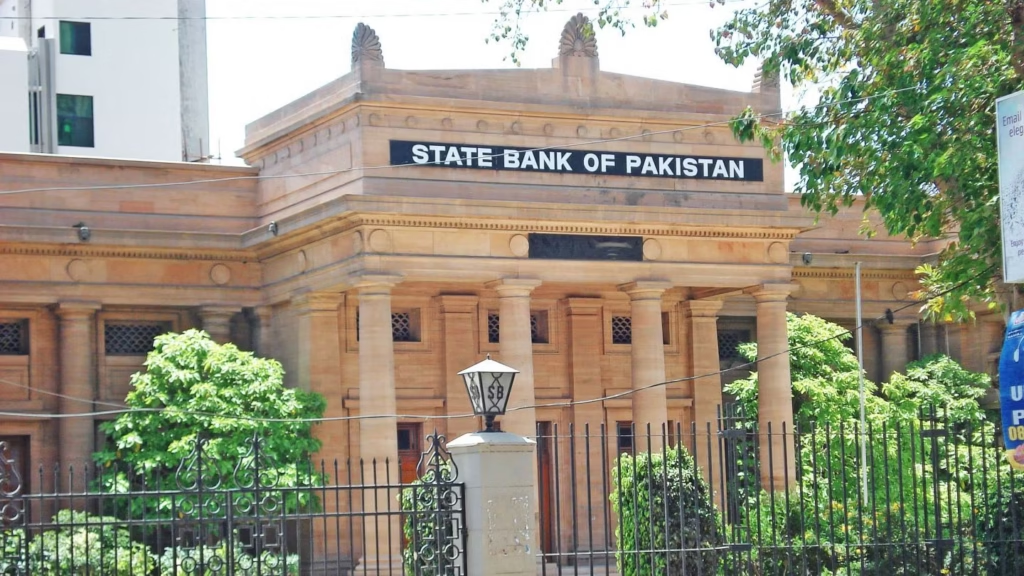
KARACHI — The State Bank of Pakistan (SBP) injected Rs 10.5 trillion into the financial market through a Reverse Repo Purchase Open Market Operation (OMO) on June 30, 2026. This move aims to maintain liquidity in the banking system amid ongoing economic challenges. What Happened The SBP conducted a Reverse Repo Purchase OMO for a three-day tenor, providing Rs 10,500 billion to the market. This substantial injection is part of the central bank’s efforts to ensure sufficient liquidity in the financial system, thereby facilitating smooth financial operations and stability. The operation was carried out on June 30, 2026, and targeted to address immediate liquidity needs within the banking sector. The Reverse Repo Purchase is a common monetary policy tool used by central banks to manage short-term liquidity in the banking system. By injecting funds, the SBP aims to prevent liquidity shortages that could disrupt financial transactions and economic activities. The operation reflects the SBP’s proactive approach in responding to the liquidity demands of the market. According to a statement from the SBP, the injection was necessary to support the financial system’s stability, especially considering the economic pressures and uncertainties faced by Pakistan. The central bank has been actively monitoring the market conditions to ensure that liquidity levels are adequate to meet the demands of the economy. Background Open Market Operations (OMOs) are a key instrument in the SBP’s monetary policy toolkit, used to regulate the money supply and influence short-term interest rates. The SBP regularly conducts OMOs to manage liquidity in the banking system, which is crucial for the effective transmission of monetary policy. Historically, the SBP has utilized OMOs during periods of economic stress to inject or absorb liquidity as needed. This helps in maintaining the stability of the financial system and supports economic growth by ensuring that banks have the necessary funds to lend to businesses and consumers. In recent years, Pakistan’s economy has faced several challenges, including inflationary pressures, exchange rate volatility, and fiscal deficits. The SBP’s monetary policy measures, including OMOs, are designed to address these challenges by stabilizing the financial system and supporting economic recovery. Why It Matters The injection of Rs 10.5 trillion into the market is significant for several reasons. Firstly, it highlights the SBP’s commitment to maintaining financial stability in the face of economic uncertainties. By ensuring adequate liquidity, the central bank aims to prevent disruptions in financial transactions and support economic activities. Secondly, this move is crucial for the banking sector, which relies on central bank liquidity to meet its short-term funding needs. The injection helps banks manage their daily operations more efficiently, ensuring that they can continue to provide loans and other financial services to businesses and consumers. Economically, the SBP’s action is expected to have a stabilizing effect on interest rates, which can influence borrowing costs for businesses and households. Lower borrowing costs can stimulate investment and consumption, contributing to economic growth. On a broader scale, the SBP’s proactive liquidity management is essential for maintaining investor confidence in Pakistan’s financial markets. By demonstrating its ability to manage liquidity effectively, the SBP can help attract foreign investment, which is vital for the country’s economic development. Key Takeaways The State Bank of Pakistan injected Rs 10.5 trillion into the market through a Reverse Repo Purchase OMO. The operation aimed to maintain liquidity in the banking system amid economic challenges. OMOs are a key tool in the SBP’s monetary policy for managing money supply and interest rates. The liquidity injection is crucial for supporting financial stability and economic growth. The SBP’s actions are expected to stabilize interest rates and boost investor confidence. Source Attribution This article is based on official government statements, press releases, and public communications from relevant authorities. Author: NEN Editorial Desk | Editor: NEN Newsroom | Fact Checked By: NEN Editorial Team Author: NEN Editorial Desk  |  Editor: NEN Newsroom  |  Last Updated: June 30, 2026  |  Source: NEN Reporter This article was produced by the NEN Editorial Desk in accordance with NEN Agency’s Editorial Policy and Fact-Checking Policy.
Pakistan

Punjab Increases Disability Employment Quota to 3%

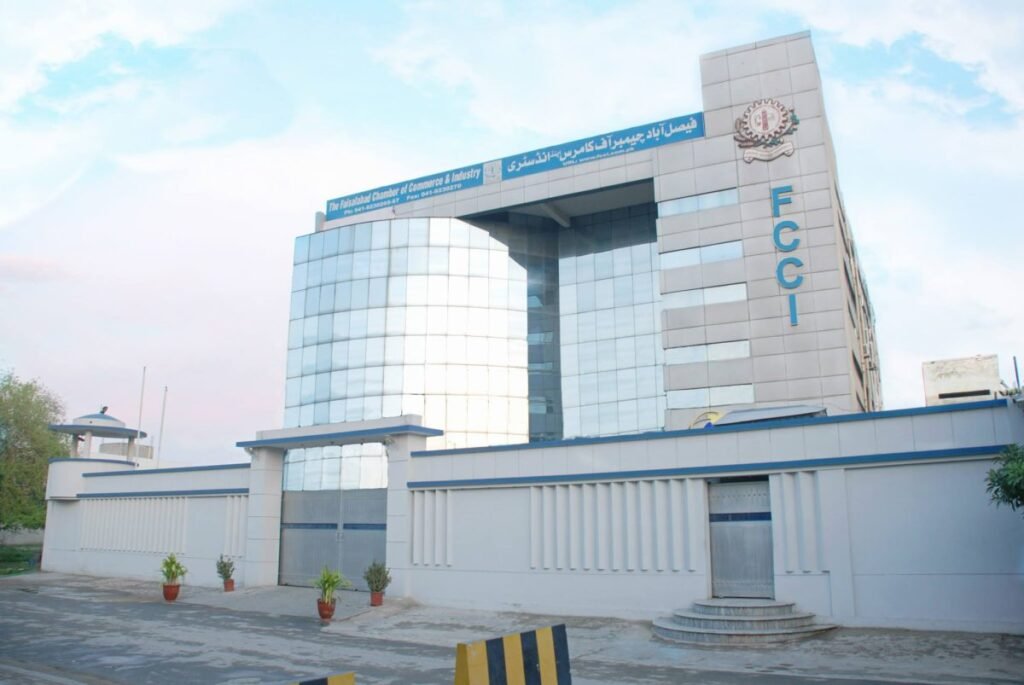
LAHORE — The Punjab government has announced an increase in the employment quota for persons with disabilities to 3%, according to Dr. Izhar-ul-Haq Hashmi, Director of Programs and Operations at the Punjab Welfare Trust for Disabled. This policy change aims to enhance job opportunities for disabled individuals across various sectors, particularly in the industrial domain. What Happened Dr. Izhar-ul-Haq Hashmi revealed on Tuesday that the Punjab government has officially raised the employment quota for persons with disabilities from the previous threshold to 3%. This decision is part of a broader strategy to integrate disabled individuals into the workforce, thus promoting inclusivity and diversity. The announcement was made during a press briefing where Dr. Hashmi emphasized the government’s commitment to creating more employment opportunities for this marginalized group. The industrial sector has also expressed readiness to participate in this initiative by offering more job opportunities to disabled individuals. However, there is a stipulation that candidates must possess the necessary skills to perform at least half of the assigned responsibilities. This requirement underscores the importance of skill development and training for disabled individuals to ensure their successful integration into various job roles. “The increase in the job quota is a significant step towards empowering persons with disabilities,” Dr. Hashmi stated. “We are working closely with various sectors to ensure that these opportunities are not just available but also accessible to those who are qualified.” Background The decision to increase the employment quota for persons with disabilities is part of a series of initiatives by the Punjab government aimed at enhancing the social and economic inclusion of disabled individuals. Historically, persons with disabilities have faced significant barriers in accessing employment opportunities, often due to societal stigma and a lack of supportive infrastructure. In Pakistan, the employment quota for persons with disabilities has been a subject of policy discussions for several years. Previous quotas were often criticized for being too low and insufficient to address the employment needs of the disabled population. The Punjab government’s recent decision reflects a growing recognition of the need to provide equitable opportunities and support for all citizens, regardless of their physical abilities. Why It Matters The increase in the disability employment quota is a crucial development for several reasons. Economically, it has the potential to enhance productivity by tapping into a previously underutilized workforce. By enabling persons with disabilities to contribute to the economy, the province can benefit from a more diverse and inclusive labor market. Socially, this policy change signifies a shift towards greater acceptance and integration of disabled individuals within society. It challenges existing stereotypes and promotes the idea that persons with disabilities are capable of making meaningful contributions to various sectors. Politically, the move aligns with broader national and international commitments to disability rights and inclusion. It demonstrates the Punjab government’s dedication to upholding the principles of equality and non-discrimination as outlined in various human rights frameworks. For the disabled community in Punjab, this development offers a renewed sense of hope and opportunity. It encourages individuals to pursue skill development and education, knowing that there are tangible employment opportunities available to them. Key Takeaways The Punjab government has increased the disability employment quota to 3%. The industrial sector is willing to offer more jobs to skilled disabled individuals. This policy change aims to promote inclusivity and diversity in the workforce. The decision aligns with national and international commitments to disability rights. The initiative encourages skill development among persons with disabilities. Source Attribution This article is based on official government statements and public communications from relevant authorities. Author: NEN Editorial Desk | Editor: NEN Newsroom | Fact Checked By: NEN Editorial Team Author: NEN Editorial Desk  |  Editor: NEN Newsroom  |  Last Updated: June 30, 2026  |  Source: NEN Reporter This article was produced by the NEN Editorial Desk in accordance with NEN Agency’s Editorial Policy and Fact-Checking Policy.
World

State Bank Of Pakistan Unveils Redesigned Website For Enhanced Public Access

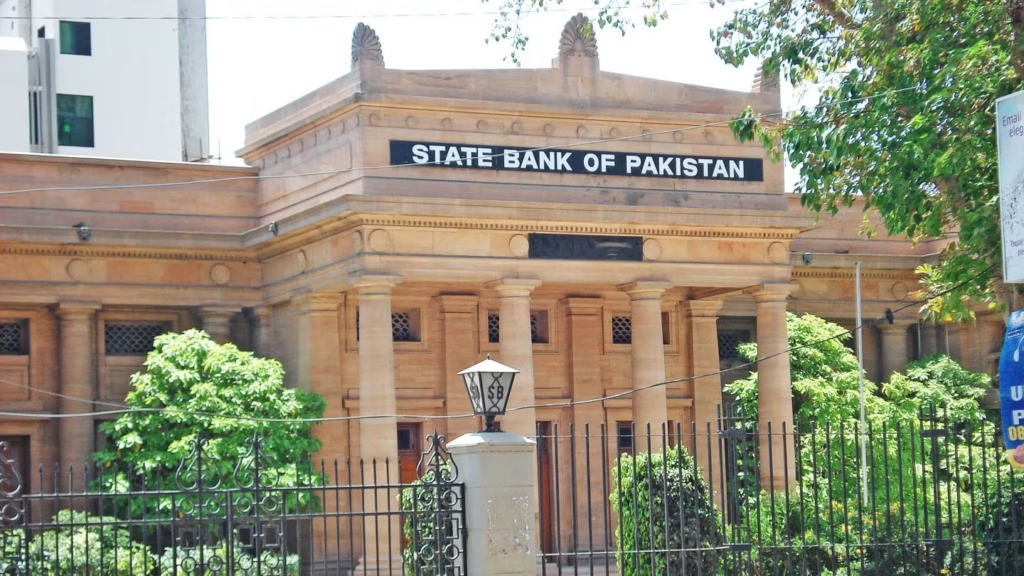
KARACHI — The State Bank of Pakistan (SBP) announced the launch of its newly redesigned official website, scheduled to go live on Wednesday, July 1, 2026. This initiative aims to provide comprehensive institutional information and resources through an improved, user-friendly digital platform. What Happened The State Bank of Pakistan has undertaken a significant step by revamping its official website, which is set to be operational from July 1, 2026. The redesigned website is intended to serve as a modern, secure, and inclusive digital platform. It aims to enhance accessibility and provide a seamless user experience for accessing institutional information, publications, and resources. The SBP’s new website is designed to cater to a broader audience, ensuring that information is easily accessible to all users, including those with disabilities. The bank has incorporated features that comply with international accessibility standards, making it easier for users to navigate and find the information they need. According to the SBP, the website’s interface has been made more intuitive, with improved navigation and search functionalities. The redesign also focuses on enhancing the security of the platform, ensuring that users can access information safely and securely. The SBP has emphasized that the website will serve as a comprehensive resource for stakeholders, including researchers, economists, and the general public. Background The State Bank of Pakistan, established in 1948, is the central bank of the country, responsible for regulating the monetary and credit system to foster economic growth. Over the years, the SBP has evolved its digital presence to better serve the public and stakeholders. The previous version of the SBP website was launched several years ago and has since required updates to meet modern digital standards and user expectations. In recent years, there has been a growing emphasis on digital transformation within Pakistan’s financial sector. The SBP’s decision to revamp its website aligns with broader efforts to improve digital infrastructure and enhance public access to financial information. This move is part of the SBP’s ongoing commitment to transparency and inclusivity in its operations. Why It Matters The launch of the redesigned SBP website holds significant implications for various stakeholders. For the general public, the website provides a more accessible and user-friendly platform to access vital financial information. This can empower citizens with knowledge about monetary policies, economic indicators, and financial regulations, fostering a more informed populace. For researchers and economists, the revamped website offers a centralized hub for accessing data and publications, facilitating academic and policy-related research. The improved search and navigation features can significantly enhance the efficiency of information retrieval, aiding in more robust economic analyses and policy formulation. Moreover, the website’s compliance with international accessibility standards underscores the SBP’s commitment to inclusivity. By ensuring that the platform is accessible to individuals with disabilities, the SBP is promoting equal access to information, which is crucial for fostering an inclusive economic environment. On a broader scale, the SBP’s digital transformation efforts reflect Pakistan’s commitment to modernizing its financial infrastructure. As the country continues to embrace digitalization, initiatives like the SBP’s website redesign are essential for aligning with global standards and enhancing Pakistan’s economic competitiveness on the international stage. Key Takeaways The State Bank of Pakistan is launching a redesigned official website on July 1, 2026. The website aims to enhance accessibility and user experience with a modern interface. It complies with international accessibility standards to serve a broader audience. The redesign aligns with Pakistan’s digital transformation efforts in the financial sector. The initiative underscores the SBP’s commitment to transparency and inclusivity. Source Attribution This article is based on official government statements, press releases, and public communications from relevant authorities. Author: NEN Editorial Desk | Editor: NEN Newsroom | Fact Checked By: NEN Editorial Team Author: NEN Editorial Desk  |  Editor: NEN Newsroom  |  Last Updated: June 30, 2026  |  Source: NEN Reporter This article was produced by the NEN Editorial Desk in accordance with NEN Agency’s Editorial Policy and Fact-Checking Policy.
World

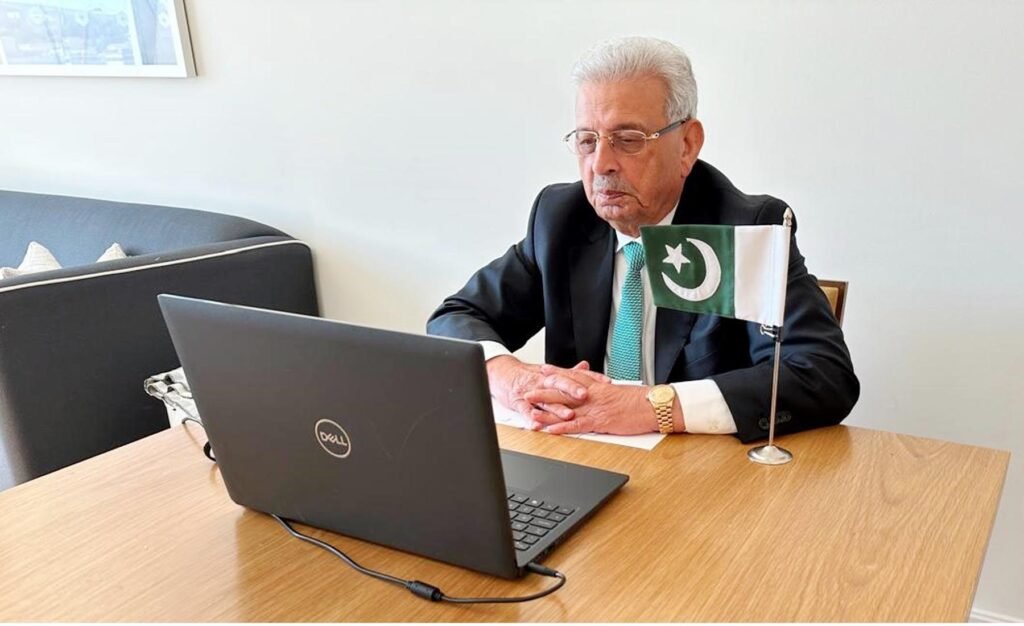
Pakistan Urges Responsible AI Use to Enhance Global Food Security

ISLAMABAD — Pakistan’s Federal Minister for National Food Security and Research, Rana Tanveer Hussain, has called for the responsible deployment of artificial intelligence (AI) and digital technologies to bolster global food security. Speaking on Tuesday, he emphasized the critical role these technologies play in improving nutrition, enhancing climate resilience, and transforming agrifood systems worldwide. What Happened During a recent address, Federal Minister Rana Tanveer Hussain highlighted the indispensable role of AI and digital technologies in addressing the multifaceted challenges of global food security. He noted that these technologies, coupled with effective data governance, are essential in modernizing agrifood systems, which are pivotal for sustaining the growing global population. Hussain pointed out that AI can significantly enhance agricultural productivity by optimizing resource use, predicting crop yields, and managing supply chains more efficiently. He stated, “The integration of AI in agriculture can lead to more informed decision-making, reduce waste, and increase efficiency across the board.” The minister underscored the importance of adopting these technologies responsibly to ensure they benefit all stakeholders, including smallholder farmers, who are often the most vulnerable to food insecurity. Moreover, the minister stressed the need for international cooperation in harnessing digital technologies to tackle climate change impacts on agriculture. He argued that collaborative efforts are crucial for developing resilient agricultural practices that can withstand extreme weather conditions and other climate-related challenges. Background Pakistan, like many other countries, faces significant challenges in ensuring food security for its population. The nation is particularly vulnerable to climate change, which exacerbates issues such as water scarcity, soil degradation, and unpredictable weather patterns. These factors have a direct impact on agricultural productivity and, consequently, food availability. In recent years, the Pakistani government has been actively seeking ways to integrate technology into its agricultural sector. Initiatives have included the introduction of precision farming techniques, the use of drones for crop monitoring, and the implementation of digital platforms for market access. These efforts are part of a broader strategy to modernize the agricultural sector and make it more resilient to both economic and environmental shocks. Why It Matters The responsible use of AI and digital technologies in agriculture is not just a national concern for Pakistan but a global imperative. As the world population continues to grow, the demand for food is expected to increase by 70% by 2050, according to the United Nations. Meeting this demand will require innovative solutions that can enhance productivity while minimizing environmental impact. For Pakistan, leveraging AI and digital technologies presents an opportunity to address its own food security challenges while contributing to global efforts. By adopting these technologies, Pakistan can improve crop yields, reduce post-harvest losses, and ensure a more stable food supply. This, in turn, can lead to improved economic outcomes for farmers and greater food availability for consumers. Internationally, Pakistan’s call for responsible AI use aligns with broader efforts to promote sustainable agricultural practices. By advocating for the ethical deployment of technology, Pakistan is positioning itself as a leader in global discussions on food security and climate resilience. This stance not only enhances Pakistan’s international reputation but also opens up opportunities for collaboration with other nations and international organizations. Key Takeaways Pakistan’s Federal Minister for National Food Security and Research advocates for the responsible use of AI and digital technologies to enhance global food security. AI can optimize agricultural productivity by improving resource use, predicting crop yields, and managing supply chains. Pakistan faces significant food security challenges exacerbated by climate change, making technology integration crucial. Global food demand is projected to increase by 70% by 2050, necessitating innovative agricultural solutions. Pakistan’s stance on responsible AI use aligns with international efforts to promote sustainable agriculture. Source Attribution This article is based on official government statements and public communications from relevant authorities. Author: NEN Editorial Desk | Editor: NEN Newsroom | Fact Checked By: NEN Editorial Team Author: NEN Editorial Desk  |  Editor: NEN Newsroom  |  Last Updated: June 30, 2026  |  Source: NEN Reporter This article was produced by the NEN Editorial Desk in accordance with NEN Agency’s Editorial Policy and Fact-Checking Policy.
World

NBP Releases Updated Foreign Exchange Rates for Major Currencies

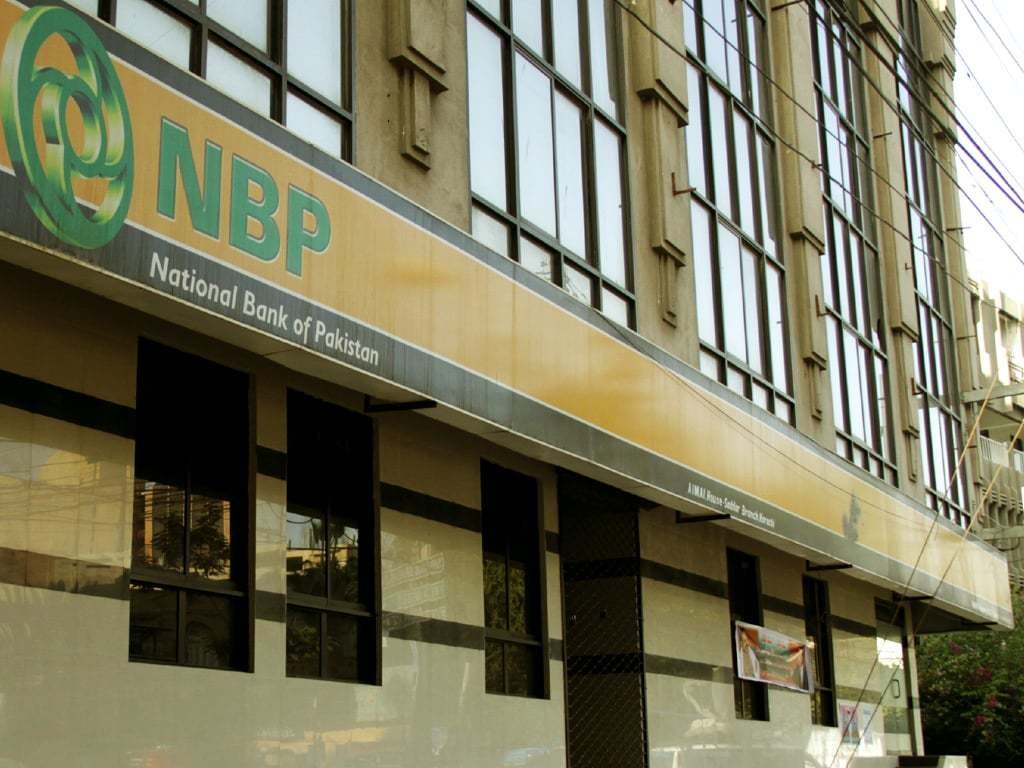
KARACHI — The Treasury Management Division of the National Bank of Pakistan (NBP) announced the latest exchange rates for major currencies on Tuesday, reflecting the ongoing fluctuations in the global currency market. These rates are crucial for businesses and individuals engaged in international transactions. What Happened The National Bank of Pakistan’s Treasury Management Division released updated exchange rates for a variety of currencies, providing essential information for traders, investors, and consumers. As of the latest update, the US Dollar (USD) is being sold at 278.55 PKR and bought at 278.05 PKR. The Euro (EUR) follows with a selling rate of 317.52 PKR and a buying rate of 316.95 PKR. Other notable currencies include the British Pound (GBP), which is available at a selling rate of 368.64 PKR and a buying rate of 367.98 PKR. The Japanese Yen (JPY) is set at 1.7176 PKR for selling and 1.7145 PKR for buying. The Swiss Franc (CHF) stands at 344.29 PKR for selling and 343.67 PKR for buying. These rates are indicative of the current trends in the foreign exchange market, influenced by various economic factors. Additional currencies such as the Canadian Dollar (CAD), Australian Dollar (AUD), and the Chinese Yuan (CNY) are also part of the list, with selling rates of 195.75 PKR, 191.36 PKR, and 40.99 PKR respectively. The NBP has also provided conversion rates for frozen foreign currency deposits, with the USD conversion rate at 278.1457 PKR, GBP at 367.5417 PKR, and EUR at 317.1974 PKR. Background The National Bank of Pakistan plays a pivotal role in the country’s financial landscape, particularly in managing foreign exchange operations. Exchange rates are a critical component of international trade and finance, affecting the cost of imports and exports, as well as the value of foreign investments. The NBP regularly updates these rates to reflect the dynamic nature of the global currency markets. Historically, exchange rates in Pakistan have been influenced by various factors including monetary policy decisions, inflation rates, and geopolitical events. The State Bank of Pakistan oversees the regulation of foreign exchange policies, ensuring stability and confidence in the financial system. Why It Matters The release of updated exchange rates by the National Bank of Pakistan holds significant implications for the country’s economy. Exchange rates directly impact the cost of living, as they affect the prices of imported goods and services. A stronger local currency can make imports cheaper, while a weaker currency can lead to higher prices for foreign products. For businesses engaged in international trade, these rates are crucial for pricing strategies and profit margins. Fluctuations in exchange rates can lead to financial gains or losses, influencing business decisions and economic planning. Additionally, for individuals, particularly those receiving remittances from abroad, these rates determine the value of their foreign earnings when converted to local currency. On a broader scale, the stability of exchange rates is vital for attracting foreign investment. Investors seek environments with predictable financial conditions, and stable exchange rates are a key indicator of economic health. Therefore, the NBP’s role in providing accurate and timely exchange rate information is essential for maintaining economic stability and fostering growth. Key Takeaways The NBP announced updated exchange rates for major currencies, including the USD, EUR, and GBP. Exchange rates affect the cost of imports, exports, and foreign investments in Pakistan. Businesses and individuals rely on these rates for international transactions and financial planning. Stable exchange rates are crucial for economic stability and attracting foreign investment. The NBP provides conversion rates for frozen foreign currency deposits, reflecting market trends. Source Attribution This article is based on official government statements, press releases, and public communications from relevant authorities. Author: NEN Editorial Desk | Editor: NEN Newsroom | Fact Checked By: NEN Editorial Team Author: NEN Editorial Desk  |  Editor: NEN Newsroom  |  Last Updated: June 30, 2026  |  Source: NEN Reporter This article was produced by the NEN Editorial Desk in accordance with NEN Agency’s Editorial Policy and Fact-Checking Policy.
World

Musadik Masood Malik Addresses Seminar on Indus Waters Treaty 2026

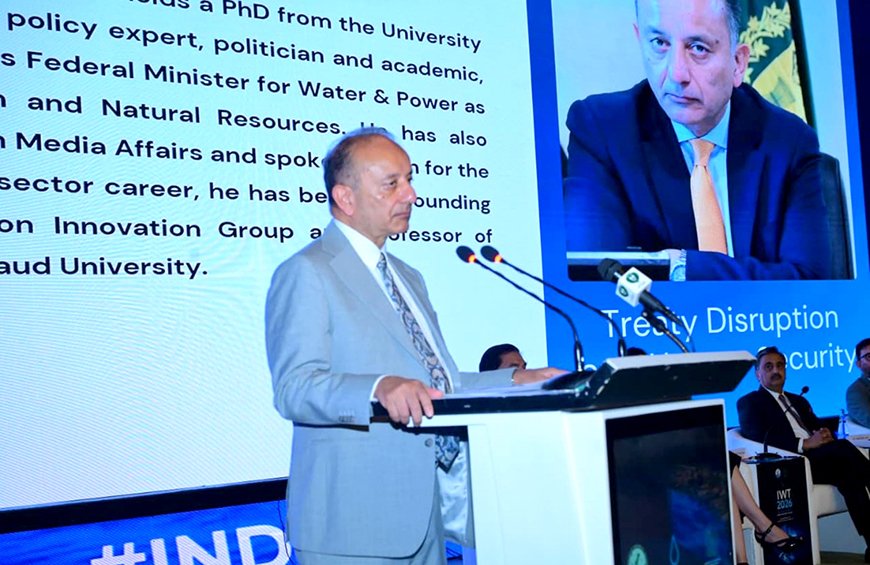
ISLAMABAD — Federal Minister for Climate Change Musadik Masood Malik addressed the International Seminar on the Indus Waters Treaty (IWT) 2026, highlighting the critical importance of water management and cooperation between Pakistan and India. The seminar, held on June 30, was jointly organized by the Ministry of Information & Broadcasting and the Institute of Regional Studies. What Happened The seminar saw participation from key political figures and experts who discussed the future of the Indus Waters Treaty, a pivotal agreement between Pakistan and India that governs water distribution from the Indus River system. Musadik Masood Malik, in his address, emphasized the necessity of revisiting and potentially updating the treaty to address contemporary challenges posed by climate change and increasing water scarcity. Malik stated, “The Indus Waters Treaty has served both nations well for decades, but it is imperative to adapt to the evolving environmental and geopolitical landscape.” He stressed the need for collaborative efforts to ensure sustainable water management and mitigate the impacts of climate change on water resources. The seminar also featured a keynote address by Deputy Prime Minister and Minister for Foreign Affairs, Senator Mohammad Ishaq Dar, who underscored the treaty’s role in maintaining peace and stability in the region. Additionally, Chairman of the Pakistan People’s Party and former Minister for Foreign Affairs, Bilawal Bhutto Zardari, contributed to the discussions, advocating for enhanced dialogue and cooperation between the two countries. Background The Indus Waters Treaty, brokered by the World Bank and signed in 1960, allocates the waters of the Indus River system between Pakistan and India. It has been hailed as a successful example of conflict resolution and cooperation over shared resources. However, the treaty has faced criticism in recent years due to changing climatic conditions and increased demand for water in both countries. Historically, the treaty has survived various political tensions between the two nations, serving as a buffer against potential conflicts over water resources. Nonetheless, the growing impacts of climate change, such as altered precipitation patterns and glacial melt, have raised concerns about the treaty’s adequacy in addressing future water security challenges. Why It Matters The seminar’s discussions are crucial as they highlight the need for a proactive approach to water management in the region. Water scarcity poses significant risks to agriculture, energy production, and overall economic stability in both Pakistan and India. As both nations continue to experience rapid population growth and urbanization, the demand for water is expected to rise sharply, exacerbating existing tensions. Furthermore, climate change is expected to intensify the frequency and severity of extreme weather events, which could disrupt water availability and distribution. This underscores the importance of revisiting the treaty to incorporate mechanisms that address these emerging challenges and ensure equitable water sharing. For Pakistan, effective water management is vital for sustaining its agrarian economy, which relies heavily on the Indus River system. The seminar’s outcomes could influence future negotiations and policy decisions, potentially shaping the region’s approach to transboundary water governance. Key Takeaways Musadik Masood Malik emphasized the need to update the Indus Waters Treaty to address climate change and water scarcity. The seminar featured key political figures discussing the treaty’s future and its role in regional stability. Climate change and increasing water demand pose significant challenges to the treaty’s effectiveness. Effective water management is crucial for Pakistan’s economic stability and agricultural sector. The seminar’s discussions could influence future policy and negotiations on transboundary water governance. Source Attribution This article is based on official government statements, press releases, and public communications from relevant authorities. Author: NEN Editorial Desk | Editor: NEN Newsroom | Fact Checked By: NEN Editorial Team Author: NEN Editorial Desk  |  Editor: NEN Newsroom  |  Last Updated: June 30, 2026  |  Source: Press Release from Government of Pakistan This article was produced by the NEN Editorial Desk in accordance with NEN Agency’s Editorial Policy and Fact-Checking Policy.

World

Bilawal Bhutto Zardari Addresses Seminar on Indus Waters Treaty 2026

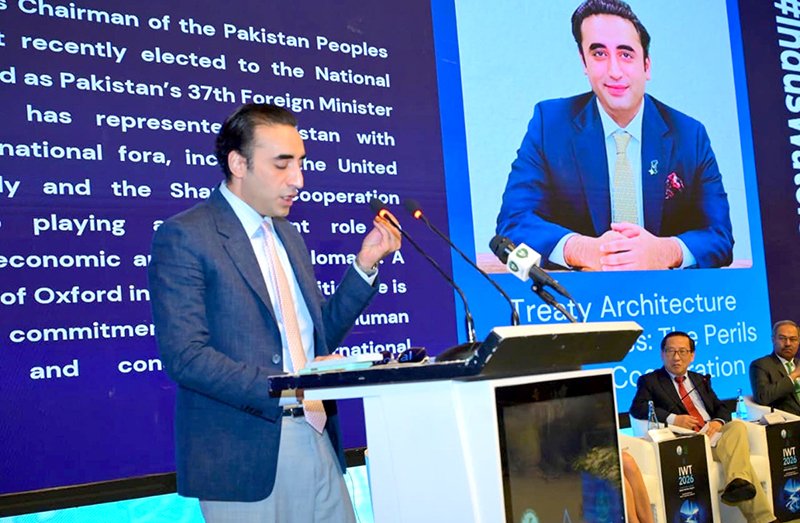
ISLAMABAD — Chairman of the Pakistan People’s Party and former Minister for Foreign Affairs, Bilawal Bhutto Zardari, delivered a keynote address at an international seminar focused on the Indus Waters Treaty (IWT) 2026. The event, held in Islamabad, was jointly organized by the Ministry of Information and Broadcasting (MoIB) and the Institute of Regional Studies (IRS) to discuss the future of the treaty and its implications for regional water security. What Happened The seminar, which took place on Thursday, brought together experts, policymakers, and stakeholders from various sectors to deliberate on the challenges and opportunities presented by the upcoming revision of the Indus Waters Treaty. Bilawal Bhutto Zardari emphasized the importance of the treaty in maintaining peace and cooperation between Pakistan and India, particularly in the context of water resource management. In his address, Bhutto Zardari highlighted the treaty’s historical significance as a successful example of conflict resolution through diplomacy. “The Indus Waters Treaty has been a cornerstone of Pakistan-India relations for over six decades, ensuring equitable distribution of water resources,” he stated. He further stressed the need for both countries to engage in constructive dialogue to address emerging challenges related to climate change and population growth that could impact water availability. Participants at the seminar included government officials, water resource experts, and representatives from international organizations. Discussions covered a range of topics, including the technical aspects of the treaty, potential areas for renegotiation, and strategies to enhance cooperation between the two nations. The seminar aimed to build a consensus on how to approach the treaty’s revision in 2026, with an emphasis on sustainable water management and regional stability. Background The Indus Waters Treaty, signed in 1960, is a water-distribution agreement between Pakistan and India, brokered by the World Bank. It allocates the use of the Indus River and its tributaries between the two countries. The treaty has survived several conflicts and political tensions, largely due to its robust framework and the mutual benefits it provides. However, changing environmental conditions and increasing water demand have prompted calls for a review of its provisions. Historically, the treaty has been praised for its resilience and effectiveness in preventing water disputes from escalating into broader conflicts. It divides the river system into two parts: the eastern rivers (Sutlej, Beas, and Ravi) allocated to India, and the western rivers (Indus, Jhelum, and Chenab) allocated to Pakistan. Despite its successes, the treaty faces criticism for not adequately addressing contemporary issues such as climate change and technological advancements in water management. Why It Matters The Indus Waters Treaty is crucial for the water security of both Pakistan and India, two countries that rely heavily on the Indus River system for agriculture, drinking water, and industry. As the region faces increasing water scarcity due to climate change, population growth, and industrialization, the treaty’s role in ensuring equitable water distribution becomes even more significant. For Pakistan, the treaty is vital for sustaining its agricultural sector, which is the backbone of the country’s economy. Any disruption in water supply could have severe implications for food security and economic stability. Similarly, India depends on the treaty to support its own agricultural and industrial needs. Internationally, the treaty is often cited as a model for transboundary water cooperation. Its potential revision in 2026 presents an opportunity for both nations to address current and future challenges collaboratively, setting a precedent for other regions facing similar issues. Key Takeaways Bilawal Bhutto Zardari emphasized the importance of the Indus Waters Treaty in maintaining regional peace. The seminar aimed to prepare for the treaty’s revision in 2026, focusing on sustainable water management. The treaty has successfully managed water distribution between Pakistan and India for over 60 years. Emerging challenges such as climate change necessitate a reevaluation of the treaty’s provisions. The treaty serves as an international model for resolving transboundary water disputes. Source Attribution This article is based on official government statements, press releases, and public communications from relevant authorities. Author: NEN Editorial Desk | Editor: NEN Newsroom | Fact Checked By: NEN Editorial Team Author: NEN Editorial Desk  |  Editor: NEN Newsroom  |  Last Updated: June 30, 2026  |  Source: Press Release from Government of Pakistan This article was produced by the NEN Editorial Desk in accordance with NEN Agency’s Editorial Policy and Fact-Checking Policy.

Scroll to Top