
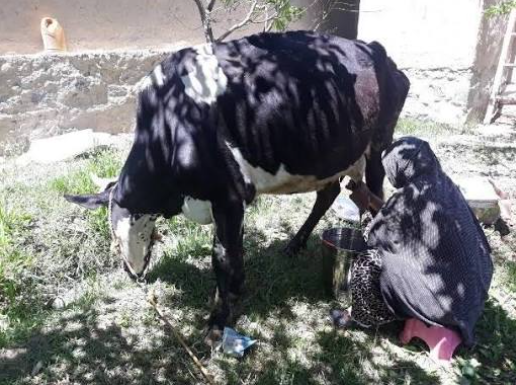
LAHORE — In the rural villages of South Punjab, a centuries-old livestock sharing model continues to play a crucial role in improving the livelihoods of local families. This informal system, which relies on trust and community bonds rather than formal contracts, allows impoverished families to earn significant income while investors benefit from reliable returns.
What Happened
The livestock sharing model in South Punjab is a testament to the enduring power of traditional practices in rural economies. This system operates without the need for formal documentation or financial institutions. Instead, it is based on mutual trust and verbal agreements, often sealed with a simple handshake. Under this arrangement, investors provide livestock to families who rear and care for the animals. Once the livestock is sold, the profits are shared between the families and the investors.
This model has been particularly beneficial in regions where access to formal banking and financial services is limited. By enabling families to participate in the livestock market, it provides them with a steady source of income and food security. The system also encourages community cooperation and strengthens social ties, as families and investors work together towards mutual economic benefit.
One local farmer, Ahmed Ali, explained, “This system has been in place for as long as I can remember. It allows us to earn a living without needing to take loans or deal with banks. We raise the animals with care, and when they are sold, we share the profits.”
Background
The practice of livestock sharing in South Punjab has deep historical roots, dating back several generations. It emerged as a practical solution for families who lacked the resources to purchase and maintain livestock independently. Over time, it has evolved into a well-established system that supports the local economy and provides a safety net for rural communities.
Historically, livestock has been a vital component of rural life in Pakistan, serving as both a source of income and a measure of wealth. The sharing model reflects the communal nature of rural societies, where resources are often pooled to maximize benefits for all involved. This approach has proven resilient, even as modern economic challenges and climate change impact traditional agricultural practices.
Why It Matters
The livestock sharing model in South Punjab is significant for several reasons. Economically, it empowers rural families by providing them with a sustainable income stream. This is particularly important in a region where poverty rates are high and employment opportunities are limited. By participating in the livestock market, families can improve their financial stability and invest in their future.
Socially, the model fosters a sense of community and cooperation. In a world increasingly driven by individualism, the collaborative nature of this system strengthens social bonds and encourages collective responsibility. It also serves as a reminder of the value of traditional practices in modern society.
On a broader scale, the success of the livestock sharing model highlights the potential for similar initiatives to be implemented in other regions facing economic challenges. By leveraging local knowledge and resources, communities can develop innovative solutions that address their unique needs.
Key Takeaways
- The livestock sharing model in South Punjab is a traditional system that supports rural livelihoods without formal contracts.
- Families and investors share profits from livestock sales, providing a reliable income source.
- This practice strengthens community ties and enhances food security in the region.
- The model has historical roots and reflects the communal nature of rural societies in Pakistan.
- It offers a potential blueprint for similar initiatives in other economically challenged areas.
Source Attribution
This article is based on official government statements, press releases, and public communications from relevant authorities.














