
Author name: Yasir Zubairi

Yasir Zubairi is the founder and publisher of NEN Agency (News Era Network). He leads NEN's coverage of Pakistan's national affairs, economy, foreign relations and sports, and is responsible for the accuracy and standards of every story published on nenagency.com.

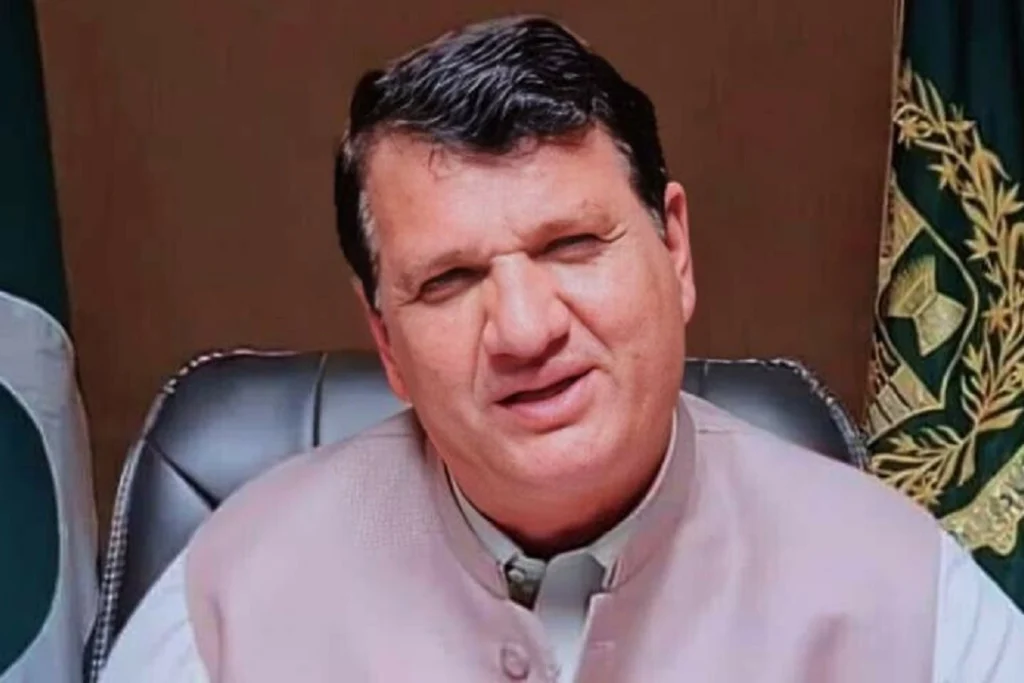
Amir Muqam Condemns Tank Terrorist Attack, Honors Martyred Personnel
Pakistan

Amir Muqam Condemns Tank Terrorist Attack, Honors Martyred Personnel

ISLAMABAD — Federal Minister for Kashmir Affairs and Gilgit-Baltistan, Engineer Amir Muqam, has expressed strong condemnation of the recent terrorist attack on a security check post in Tank, Khyber Pakhtunkhwa. The attack, which occurred on Friday, resulted in the loss of lives of several security personnel, prompting widespread condemnation from political leaders and officials across Pakistan. What Happened The attack took place on a security check post in Tank, a district in Khyber Pakhtunkhwa, where security forces have been actively engaged in counter-terrorism operations. According to initial reports, the assailants launched a surprise attack on the post, leading to a fierce exchange of gunfire. The incident resulted in the martyrdom of several security personnel who were stationed at the post. In his statement, Amir Muqam paid tribute to the bravery and sacrifices of the martyred personnel, emphasizing that their dedication to protecting the nation would not be forgotten. “The sacrifices of our security forces are the backbone of our fight against terrorism,” Muqam stated. He further reiterated the government’s commitment to eradicating terrorism from the region, assuring that such acts of violence would not deter the resolve of the security forces and the nation. Background Tank, located in the southern part of Khyber Pakhtunkhwa, has been a focal point of security operations due to its proximity to the tribal areas bordering Afghanistan. The region has witnessed numerous terrorist incidents over the years, often attributed to militant groups operating along the porous border. The Pakistani government, along with its security forces, has been engaged in extensive operations to dismantle terrorist networks and restore peace in the region. The ongoing conflict in the region has its roots in the broader geopolitical dynamics of South Asia, where militant groups have exploited the rugged terrain and historical tribal conflicts to establish strongholds. Over the years, Pakistan has launched several military operations, such as Operation Zarb-e-Azb and Operation Radd-ul-Fasaad, aimed at eliminating terrorist elements and stabilizing the region. Why It Matters The attack in Tank highlights the persistent threat posed by terrorist groups in Pakistan, particularly in areas close to the Afghan border. The incident underscores the challenges faced by security forces in maintaining peace and stability in regions that have long been affected by militancy. The sacrifices of the martyred personnel serve as a stark reminder of the ongoing struggle against terrorism and the need for continued vigilance. Economically, such attacks can have detrimental effects on local development and investment, as security concerns deter potential investors and disrupt economic activities. Socially, the loss of security personnel impacts communities, instilling fear and uncertainty among residents. Politically, the attack places pressure on the government to enhance security measures and address the root causes of militancy, including socio-economic disparities and radicalization. Internationally, Pakistan’s efforts to combat terrorism are closely monitored, with implications for its relations with neighboring countries and global partners. Successful counter-terrorism operations can bolster Pakistan’s standing in the international community, while persistent security challenges may affect its diplomatic and economic engagements. Key Takeaways Federal Minister Amir Muqam condemned the terrorist attack on a security check post in Tank, Khyber Pakhtunkhwa. The attack resulted in the martyrdom of several security personnel, highlighting ongoing security challenges. Tank is a strategically significant region due to its proximity to the Afghan border and history of militancy. The incident underscores the need for continued counter-terrorism efforts and regional stability. Pakistan’s counter-terrorism operations have significant economic, social, and international implications. Source Attribution This article is based on official government statements, press releases, and public communications from relevant authorities. Author: NEN Editorial Desk | Editor: NEN Newsroom | Fact Checked By: NEN Editorial Team Author: NEN Editorial Desk  |  Editor: NEN Newsroom  |  Last Updated: July 24, 2026  |  Source: NEN Reporter This article was produced by the NEN Editorial Desk in accordance with NEN Agency’s Editorial Policy and Fact-Checking Policy.
PMAS-AAUR Conducts AI Training for Faculty in Higher Education
Pakistan

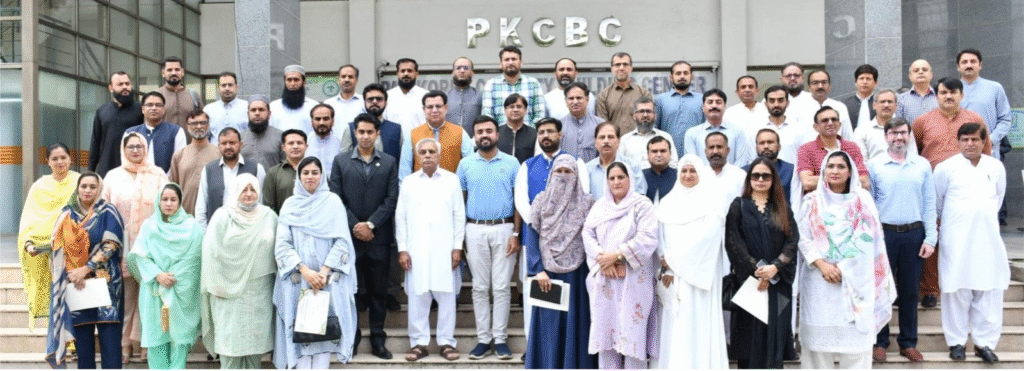
PMAS-AAUR Conducts AI Training for Faculty in Higher Education

RAWALPINDI — Pir Mehr Ali Shah Arid Agriculture University Rawalpindi (PMAS-AAUR) has successfully concluded a faculty development training programme aimed at integrating artificial intelligence (AI) tools into higher education. The event, organized by the University Institute of Information Technology (UIIT), took place from July 13 to 24 and was titled “Artificial Intelligence for Everyone.” What Happened The training programme was designed to enhance the digital competencies of faculty members, equipping them with the necessary skills to incorporate AI technologies in their teaching and research activities. Over the course of nearly two weeks, participants engaged in a series of workshops and lectures that provided hands-on experience with cutting-edge AI tools. According to university officials, the initiative was part of PMAS-AAUR’s broader strategy to modernize its educational practices and ensure that faculty members are well-versed in the latest technological advancements. “The goal is to prepare our educators to meet the challenges of the digital age,” stated a spokesperson from the university. “By integrating AI into our curriculum, we can offer students a more dynamic and relevant educational experience.” Participants reported a significant increase in their understanding of AI applications, including machine learning, data analysis, and automation. The training also covered ethical considerations and best practices for using AI in an educational context. Faculty members expressed enthusiasm about the potential of AI to transform traditional teaching methods and improve student engagement. Background PMAS-AAUR, established in 1994, is a prominent institution in Pakistan specializing in agricultural education and research. The university has consistently sought to innovate its curriculum and teaching methodologies to align with global educational trends. The recent focus on AI tools is part of a larger movement within higher education institutions worldwide to integrate technology into learning environments. AI in education is not a new concept, but its adoption has accelerated in recent years due to advancements in technology and increased accessibility. Universities globally are investing in AI to enhance learning outcomes, streamline administrative processes, and conduct advanced research. In Pakistan, initiatives like those at PMAS-AAUR are crucial for bridging the technological gap and preparing students for a competitive global job market. Why It Matters The integration of AI in higher education has significant implications for Pakistan’s educational landscape. As the country seeks to improve its educational standards and produce graduates equipped for the modern workforce, initiatives like PMAS-AAUR’s training programme are vital. By empowering educators with AI tools, universities can offer more personalized and effective learning experiences, potentially leading to better student performance and higher employability rates. Economically, the adoption of AI in education can contribute to Pakistan’s growth by fostering a tech-savvy workforce capable of driving innovation and productivity. As industries increasingly rely on AI technologies, there is a growing demand for professionals skilled in these areas. Educational institutions that prioritize AI integration position their students to meet this demand, thereby enhancing the country’s competitiveness on the global stage. Socially, the use of AI in education can help address disparities in access to quality education. AI tools can provide personalized learning experiences, catering to diverse learning needs and helping students overcome educational barriers. This democratization of education aligns with Pakistan’s goals of improving literacy rates and educational equity. Key Takeaways PMAS-AAUR conducted a faculty training programme on AI integration from July 13 to 24. The initiative aimed to enhance digital competencies and familiarize faculty with AI tools. Participants gained hands-on experience with AI applications in teaching and research. AI integration in education can improve learning outcomes and student engagement. The programme supports Pakistan’s efforts to modernize its educational system and workforce. Source Attribution This article is based on official statements and public communications from Pir Mehr Ali Shah Arid Agriculture University Rawalpindi. Author: NEN Editorial Desk | Editor: NEN Newsroom | Fact Checked By: NEN Editorial Team Author: NEN Editorial Desk  |  Editor: NEN Newsroom  |  Last Updated: July 24, 2026  |  Source: NEN Reporter This article was produced by the NEN Editorial Desk in accordance with NEN Agency’s Editorial Policy and Fact-Checking Policy.

Pakistani And Kyrgyz Foreign Ministers Discuss Regional Cooperation
World

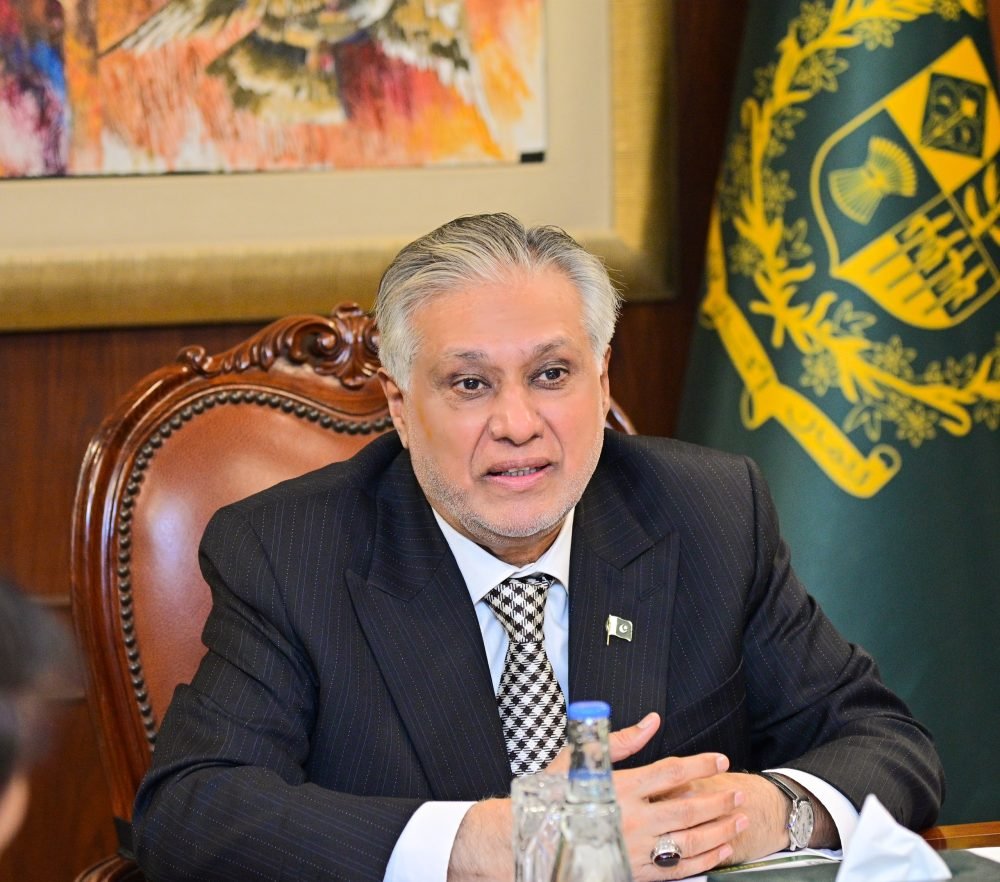
Pakistani And Kyrgyz Foreign Ministers Discuss Regional Cooperation

ISLAMABAD — Deputy Prime Minister and Foreign Minister Senator Mohammad Ishaq Dar met with Kyrgyz Foreign Minister Zheenbek Moldokanovich Kulubaev on Friday during the Shanghai Cooperation Organisation (SCO) Council of Foreign Ministers Meeting in Cholpon-Ata, Kyrgyzstan. The two leaders exchanged views on regional and international developments, emphasizing their commitment to collaborate in multilateral forums. What Happened During the meeting, Senator Mohammad Ishaq Dar and Foreign Minister Zheenbek Moldokanovich Kulubaev discussed various issues of mutual interest, focusing on enhancing bilateral relations between Pakistan and Kyrgyzstan. The discussions took place on the sidelines of the SCO Council of Foreign Ministers Meeting, which serves as a platform for member states to discuss issues of regional significance and promote cooperation. Both ministers underscored the importance of working together within the framework of the SCO to address regional challenges and promote peace and stability. They reaffirmed their resolve to strengthen ties through increased diplomatic engagement and collaboration in multilateral settings. The discussions also touched upon economic cooperation, trade, and investment opportunities between the two countries. Senator Dar highlighted Pakistan’s commitment to fostering regional connectivity and economic integration, emphasizing the potential for collaboration in sectors such as energy, infrastructure, and education. Foreign Minister Kulubaev expressed Kyrgyzstan’s interest in expanding economic ties with Pakistan and acknowledged the importance of joint efforts in addressing regional security issues. Background The SCO, established in 2001, is a Eurasian political, economic, and security alliance that includes China, India, Kazakhstan, Kyrgyzstan, Pakistan, Russia, Tajikistan, and Uzbekistan. The organization aims to promote regional cooperation, security, and economic development among its member states. Pakistan and Kyrgyzstan, both members of the SCO, have historically maintained cordial relations, with shared interests in regional stability and economic development. In recent years, Pakistan has sought to strengthen its ties with Central Asian countries, including Kyrgyzstan, to enhance regional connectivity and economic cooperation. The two countries have engaged in various diplomatic and economic initiatives, including trade agreements and cultural exchanges, to bolster their bilateral relationship. Why It Matters The meeting between the foreign ministers of Pakistan and Kyrgyzstan holds significant implications for regional cooperation and stability. By reaffirming their commitment to work together within the SCO framework, both countries demonstrate their willingness to address common challenges and pursue shared goals. This collaboration is crucial in the context of regional security dynamics, particularly in light of ongoing geopolitical tensions and economic uncertainties. For Pakistan, strengthening ties with Kyrgyzstan and other Central Asian nations aligns with its broader strategy to enhance regional connectivity and economic integration. By fostering closer economic and diplomatic relations, Pakistan aims to create new opportunities for trade and investment, which can contribute to its economic growth and development. Additionally, collaboration in multilateral forums like the SCO enables Pakistan to play a more active role in regional decision-making processes and enhance its diplomatic influence. For Kyrgyzstan, expanding its economic ties with Pakistan offers potential benefits in terms of increased trade and investment opportunities. As both countries seek to address regional security challenges, their cooperation can contribute to greater stability and peace in the region. This partnership also underscores the importance of multilateralism in addressing complex global issues and promoting sustainable development. Key Takeaways Pakistani and Kyrgyz foreign ministers discussed regional cooperation at the SCO meeting. The discussions focused on enhancing bilateral relations and economic ties. Both countries emphasized collaboration within the SCO framework. The meeting underscores the importance of regional connectivity and economic integration. Strengthening ties with Kyrgyzstan aligns with Pakistan’s broader regional strategy. Source Attribution This article is based on official government statements, press releases, and public communications from relevant authorities. Author: NEN Editorial Desk | Editor: NEN Newsroom | Fact Checked By: NEN Editorial Team Author: NEN Editorial Desk  |  Editor: NEN Newsroom  |  Last Updated: July 24, 2026  |  Source: Press Release from Government of Pakistan This article was produced by the NEN Editorial Desk in accordance with NEN Agency’s Editorial Policy and Fact-Checking Policy.
Gold Prices Drop by Rs4,600 Per Tola in Pakistan
Pakistan

Gold Prices Drop by Rs4,600 Per Tola in Pakistan

ISLAMABAD — The price of gold in Pakistan’s local market experienced a notable decline on Friday, with the rate for 24-karat gold per tola decreasing by Rs4,600. This adjustment brings the new price to Rs427,436, as per the latest figures from the All Pakistan Sarafa Gems and Jewellers Association. What Happened On Friday, the All Pakistan Sarafa Gems and Jewellers Association reported a significant reduction in gold prices, marking a decrease of Rs4,600 per tola for 24-karat gold. This price adjustment reflects the dynamic nature of the gold market, which is influenced by a variety of factors, including international market trends, currency fluctuations, and local demand. The association’s statement indicated that the price of gold per tola now stands at Rs427,436, a substantial drop from the previous rate. This decline is part of a broader trend observed in recent weeks, where gold prices have shown volatility due to shifting economic conditions both domestically and internationally. Gold traders and jewellers in major cities such as Karachi, Lahore, and Islamabad have confirmed the new rates, noting that the decrease aligns with global market trends where gold prices have been under pressure. The international market has seen similar fluctuations, with changes in investor sentiment and economic forecasts contributing to the current pricing. Background Gold has traditionally been a safe-haven asset in times of economic uncertainty, and its prices are closely monitored by investors and consumers alike. In Pakistan, gold is not only a commodity but also a cultural asset, often used in weddings and other significant life events. The local gold market is influenced by a combination of international market trends and local factors, including currency exchange rates and economic policies. Historically, gold prices in Pakistan have shown sensitivity to global economic conditions. For instance, during periods of economic downturn or geopolitical instability, gold prices tend to rise as investors seek safer investment options. Conversely, when the global economy shows signs of stability and growth, gold prices may decrease as investors shift their focus to other assets. Why It Matters The recent drop in gold prices holds significant implications for various stakeholders in Pakistan. For consumers, particularly those planning weddings or other events requiring gold purchases, the decrease offers a more affordable opportunity to buy gold. This can lead to increased consumer spending in the jewellery sector, potentially boosting local businesses. Economically, the fluctuation in gold prices can impact Pakistan’s trade balance. Gold imports constitute a considerable portion of the country’s import bill, and changes in gold prices can affect the overall trade deficit. A decrease in gold prices could reduce the cost of imports, providing some relief to the national economy. Politically, the gold market’s performance can influence public perception of economic management. As gold is often seen as a barometer of economic stability, significant price changes can reflect broader economic conditions, affecting public confidence in government policies. Internationally, the changes in Pakistan’s gold prices can also affect regional markets, as gold is a globally traded commodity. The interplay between local and international markets highlights the interconnectedness of global economies and the impact of international trends on domestic markets. Key Takeaways The price of 24-karat gold per tola in Pakistan decreased by Rs4,600, settling at Rs427,436. The decline aligns with global market trends and reflects changes in investor sentiment. The reduction in gold prices may benefit consumers and boost local jewellery businesses. Fluctuations in gold prices can impact Pakistan’s trade balance and economic stability. Gold price changes can influence public perception of economic management and policy effectiveness. Source Attribution This article is based on official statements and public communications from the All Pakistan Sarafa Gems and Jewellers Association. Author: NEN Editorial Desk | Editor: NEN Newsroom | Fact Checked By: NEN Editorial Team Author: NEN Editorial Desk  |  Editor: NEN Newsroom  |  Last Updated: July 24, 2026  |  Source: NEN Reporter This article was produced by the NEN Editorial Desk in accordance with NEN Agency’s Editorial Policy and Fact-Checking Policy.

Ishaq Dar Joins SCO Delegation Heads in Kyrgyzstan Painting Ceremony
World

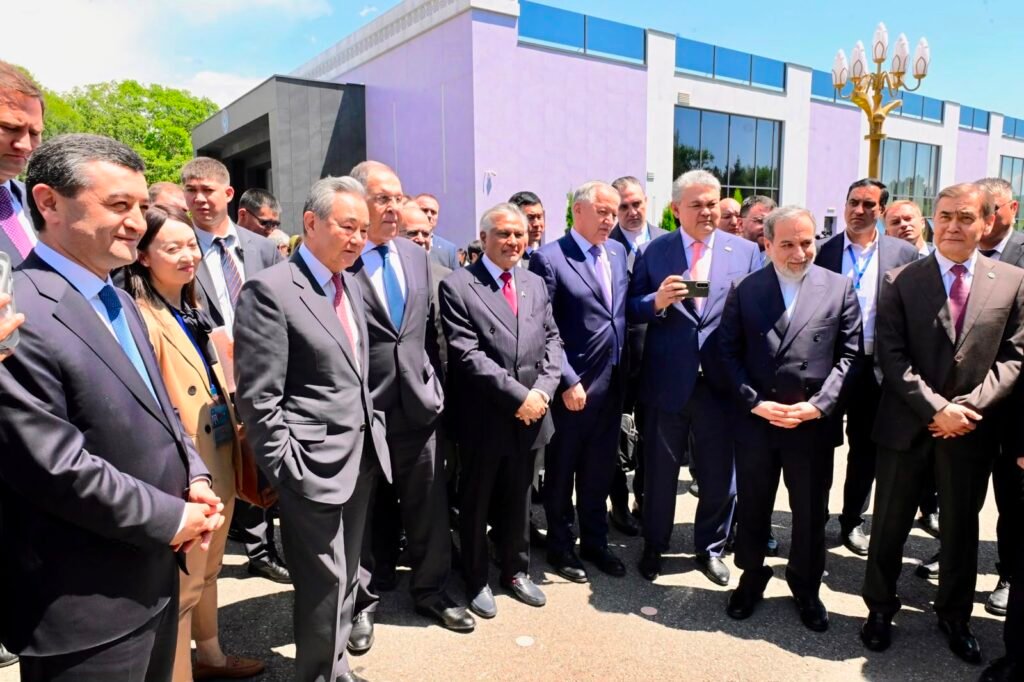
Ishaq Dar Joins SCO Delegation Heads in Kyrgyzstan Painting Ceremony

ISLAMABAD — Deputy Prime Minister and Foreign Minister Senator Mohammad Ishaq Dar, along with the Heads of Delegation from the Shanghai Cooperation Organization (SCO) Member States, participated in a Joint Painting Ceremony on Friday. The event took place on the sidelines of the SCO Council of Foreign Ministers Meeting in Cholpon-Ata, Kyrgyzstan. What Happened The Joint Painting Ceremony, held in Cholpon-Ata, Kyrgyzstan, was a symbolic event where leaders from the SCO member countries came together to contribute to a collaborative artwork. The ceremony featured the painting of tree branches, a metaphorical representation of unity and growth among the member states. The event was part of the broader agenda of the SCO Council of Foreign Ministers Meeting, which aims to foster cooperation and dialogue among the member nations. Deputy Prime Minister Ishaq Dar, representing Pakistan, joined his counterparts from other SCO countries in this artistic endeavor. The painting ceremony was not just an artistic expression but also a diplomatic gesture underscoring the importance of cultural exchange and mutual understanding within the SCO framework. The leaders used this opportunity to discuss various issues of mutual interest, emphasizing the need for enhanced collaboration in areas such as security, trade, and cultural exchange. The SCO, which includes major Asian powers such as China, Russia, and India, along with several Central Asian nations, serves as a platform for addressing regional challenges and promoting economic and security cooperation. The meeting in Kyrgyzstan is part of the ongoing efforts to strengthen ties and address common challenges faced by the member states. Background The Shanghai Cooperation Organization was founded in 2001 and has since grown to include eight member states, four observer states, and several dialogue partners. The organization focuses on regional security, economic cooperation, and cultural exchange. Over the years, the SCO has played a significant role in fostering dialogue and cooperation among its members, addressing issues such as terrorism, separatism, and extremism. Pakistan became a full member of the SCO in 2017, marking a significant step in its diplomatic relations with Central Asian countries and other member states. The country has since been actively participating in SCO activities, contributing to discussions on regional security, economic development, and cultural cooperation. Why It Matters The participation of Deputy Prime Minister Ishaq Dar in the Joint Painting Ceremony highlights Pakistan’s commitment to engaging with regional partners through the SCO. This engagement is crucial for Pakistan as it seeks to enhance its diplomatic and economic ties with neighboring countries and major powers in the region. The SCO provides a valuable platform for Pakistan to voice its concerns, share its perspectives, and collaborate on issues of mutual interest. Economically, the SCO represents a significant opportunity for Pakistan to expand its trade relations and attract investment from member countries. The organization’s emphasis on economic cooperation aligns with Pakistan’s goals of boosting its economy through increased trade and investment. Additionally, cultural exchanges, such as the painting ceremony, help build trust and understanding among the member states, fostering a sense of community and shared purpose. Politically, Pakistan’s active participation in the SCO enhances its standing in the international arena and reinforces its role as a key player in regional affairs. The organization serves as a counterbalance to other regional alliances, providing Pakistan with a platform to engage with both regional and global powers on an equal footing. Key Takeaways Deputy Prime Minister Ishaq Dar participated in a Joint Painting Ceremony in Kyrgyzstan with SCO leaders. The ceremony symbolized unity and growth among SCO member states through collaborative artwork. The SCO meeting in Kyrgyzstan focused on enhancing regional cooperation in security, trade, and culture. Pakistan’s involvement in the SCO underscores its commitment to regional diplomacy and economic collaboration. The SCO provides Pakistan with opportunities for economic growth and increased international engagement. Source Attribution This article is based on official government statements, press releases, and public communications from relevant authorities. Author: NEN Editorial Desk | Editor: NEN Newsroom | Fact Checked By: NEN Editorial Team Author: NEN Editorial Desk  |  Editor: NEN Newsroom  |  Last Updated: July 24, 2026  |  Source: NEN Reporter This article was produced by the NEN Editorial Desk in accordance with NEN Agency’s Editorial Policy and Fact-Checking Policy.
PHF Launches National U-15 Hockey Registration Portal
Pakistan

PHF Launches National U-15 Hockey Registration Portal

ISLAMABAD — The Pakistan Hockey Federation (PHF) has launched a new National Under-15 Hockey Registration Portal, aiming to boost grassroots development and identify young talent across the country. This initiative, announced on Monday, seeks to nurture future stars of Pakistan’s national sport by providing a structured pathway for young players to enter the competitive arena. What Happened The PHF’s latest initiative involves the creation of an online registration system for under-15 hockey players. This portal is designed to streamline the process of identifying promising young athletes from various regions of Pakistan, ensuring they have access to training and development opportunities. The portal is part of a broader strategy to rejuvenate hockey at the grassroots level, a critical step given the sport’s historical significance in Pakistan. According to PHF officials, the registration portal will allow young players to register themselves, providing details about their playing experience, skills, and aspirations. This information will be used to create a database of young talent, which coaches and selectors can access to scout for potential national team players. PHF Secretary Asif Bajwa stated, “This portal is a game-changer for us. It allows us to systematically track and nurture young talent, ensuring that no promising player is left behind.” The initiative is also expected to facilitate regional hockey associations in organizing local tournaments and training camps, thereby increasing participation at the grassroots level. The PHF plans to collaborate with schools and local clubs to encourage more young players to register and participate in these activities. Background Hockey has long been a source of national pride for Pakistan, with the country historically dominating the sport on the international stage. Pakistan has won three Olympic gold medals and numerous World Cup titles. However, in recent decades, the sport has seen a decline in performance and popularity, partly due to a lack of investment in grassroots development and infrastructure. In response to this decline, the PHF has been implementing various initiatives aimed at revitalizing the sport. These include coaching clinics, talent hunts, and now, the launch of the U-15 registration portal. The federation’s efforts are part of a broader national strategy to reclaim Pakistan’s status as a hockey powerhouse. Why It Matters The launch of the U-15 registration portal is significant for several reasons. Economically, it represents an investment in the future of Pakistani hockey, potentially leading to increased sponsorship and funding opportunities as the sport regains its popularity. Socially, it provides young athletes with opportunities to develop their skills and pursue careers in sports, which can have positive impacts on their personal and professional lives. Politically, the initiative aligns with the government’s broader goals of promoting sports and healthy lifestyles among the youth. It also reflects a commitment to preserving cultural heritage, as hockey is deeply ingrained in Pakistan’s national identity. Internationally, a resurgence in Pakistan’s hockey performance could enhance the country’s reputation in the global sports community. The portal’s success could serve as a model for other sports in Pakistan, demonstrating the potential of digital tools in talent identification and development. By fostering a new generation of hockey players, the PHF hopes to inspire national pride and unity through sports. Key Takeaways The PHF has launched a National U-15 Hockey Registration Portal to identify and nurture young talent. This initiative is part of a broader strategy to rejuvenate hockey at the grassroots level in Pakistan. The portal allows young players to register and provides a database for coaches to scout talent. The initiative supports regional hockey associations in organizing local tournaments and training camps. It aligns with national goals of promoting sports and preserving cultural heritage. Source Attribution This article is based on official statements and public communications from the Pakistan Hockey Federation. Author: NEN Editorial Desk | Editor: NEN Newsroom | Fact Checked By: NEN Editorial Team Author: NEN Editorial Desk  |  Editor: NEN Newsroom  |  Last Updated: July 24, 2026  |  Source: NEN Reporter This article was produced by the NEN Editorial Desk in accordance with NEN Agency’s Editorial Policy and Fact-Checking Policy.
Kitchen Item Prices Rise by 0.91% Amid Weekly Inflation Increase
Pakistan

Kitchen Item Prices Rise by 0.91% Amid Weekly Inflation Increase

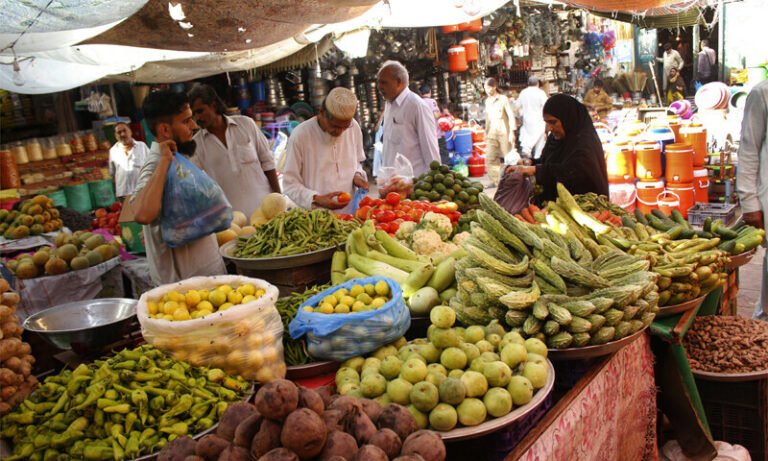
ISLAMABAD — The Pakistan Bureau of Statistics (PBS) reported a 0.91% increase in the Sensitive Price Indicator (SPI)-based weekly inflation for the week ending July 23, 2026. The rise affects the combined consumption group, reflecting changes in the cost of essential kitchen items across the country. What Happened The PBS released its latest data indicating that the SPI, which measures the price changes of essential commodities on a weekly basis, rose by 0.91% for the week under review. This increase is attributed to the rising costs of kitchen items, impacting households nationwide. The SPI is a critical tool used to gauge inflationary trends by tracking the prices of 51 essential items, including food and non-food products. According to the PBS report, several key kitchen items saw price hikes. The cost of onions, tomatoes, and cooking oil were among the most significant contributors to the overall increase. The price of onions surged by 3.5%, while tomatoes increased by 2.8%. Cooking oil, a staple in most Pakistani households, saw a 1.5% rise in its price. In addition to these items, the prices of pulses, flour, and sugar also showed upward trends. The PBS data highlighted that these increases are part of a broader inflationary pattern affecting the purchasing power of consumers, particularly those in lower-income brackets who spend a larger portion of their income on food. Economists suggest that various factors, including supply chain disruptions, seasonal variations, and international market trends, could be contributing to the rising prices. The government has been urged to take measures to stabilize prices and ensure the affordability of essential commodities. Background Inflation has been a persistent challenge for Pakistan’s economy, with food prices often driving overall inflation rates. The SPI is a critical measure used by policymakers to monitor and respond to inflationary pressures. Historically, price fluctuations in essential commodities have been influenced by a combination of domestic supply issues and global market conditions. In recent years, Pakistan has experienced periodic spikes in inflation, prompting government interventions such as subsidies and price controls to mitigate the impact on consumers. However, these measures have had varying degrees of success, often facing criticism for not adequately addressing the root causes of inflation. The current increase in kitchen item prices is part of a broader trend observed over the past few months, where inflation rates have been gradually rising. This trend poses significant challenges for economic stability and consumer welfare, particularly in a country where a substantial portion of the population lives below the poverty line. Why It Matters The rise in kitchen item prices is a significant concern for Pakistani households, especially those with limited financial resources. Food inflation directly affects the cost of living, reducing the disposable income available for other necessities such as healthcare, education, and housing. For policymakers, the increase in SPI-based inflation underscores the need for effective economic strategies to control price volatility. Failure to address these issues could lead to increased poverty levels and social unrest, as citizens struggle to afford basic necessities. On a broader scale, persistent inflation can undermine economic growth by eroding consumer confidence and reducing purchasing power. It also poses challenges for the government in maintaining fiscal discipline while trying to stimulate economic activity through public spending. Internationally, rising inflation can affect Pakistan’s trade balance and competitiveness. Higher domestic prices may lead to increased import costs, impacting the country’s foreign exchange reserves and trade deficit. Key Takeaways The SPI-based weekly inflation rose by 0.91% for the week ending July 23, 2026. Key kitchen items such as onions, tomatoes, and cooking oil saw notable price increases. Inflationary pressures are driven by supply chain disruptions and global market trends. Rising prices impact consumer purchasing power, particularly for low-income households. Policymakers face challenges in stabilizing prices and ensuring economic stability. Source Attribution This article is based on official government statements, press releases, and public communications from relevant authorities. Author: NEN Editorial Desk | Editor: NEN Newsroom | Fact Checked By: NEN Editorial Team Author: NEN Editorial Desk  |  Editor: NEN Newsroom  |  Last Updated: July 24, 2026  |  Source: NEN Reporter This article was produced by the NEN Editorial Desk in accordance with NEN Agency’s Editorial Policy and Fact-Checking Policy.
Sindh CM Commits to Police Modernisation at Passing-Out Parade
Pakistan

Sindh CM Commits to Police Modernisation at Passing-Out Parade

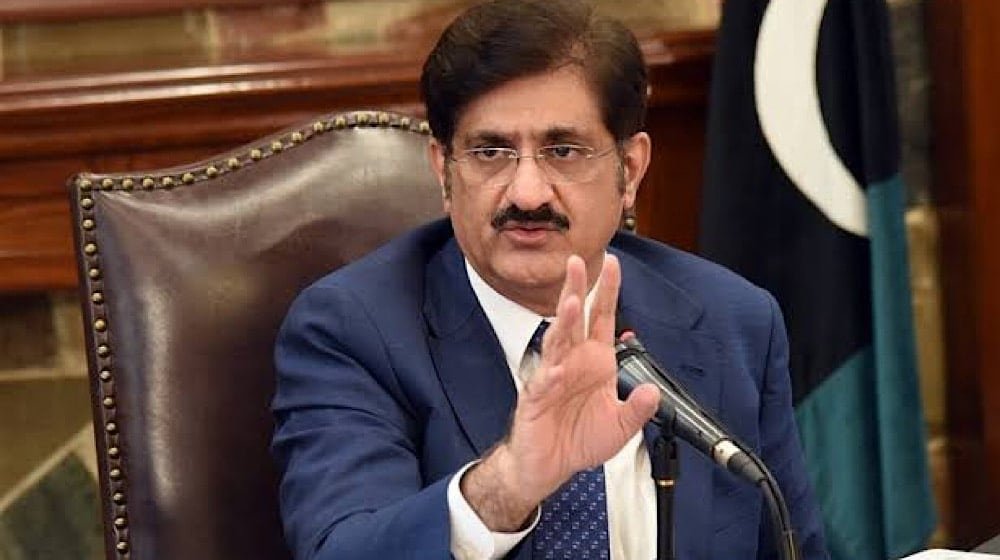
HYDERABAD — Sindh Chief Minister Syed Murad Ali Shah on Friday reiterated his government’s dedication to enhancing the province’s law enforcement capabilities. Speaking at the 132nd Passing-Out Parade at the Police Training College in Saeedabad, Shah emphasized the importance of a modern, well-trained, and community-focused police force in maintaining peace and combating terrorism. What Happened During the ceremony, Chief Minister Shah addressed the graduating cadets, highlighting the critical role of a robust police force in ensuring public safety and fostering sustainable development. He announced continued investment in police modernisation, which includes upgrading equipment, enhancing training programs, and adopting advanced technologies. Shah stated, “A modern, professionally trained and people-centric police force is essential for maintaining peace, combating terrorism and ensuring sustainable development across the province.” The event marked the graduation of numerous cadets who have completed rigorous training designed to equip them with the skills necessary to tackle contemporary challenges in law enforcement. The Chief Minister congratulated the new officers and urged them to uphold the highest standards of integrity and professionalism in their duties. Shah also acknowledged the sacrifices made by police personnel in the line of duty, underscoring the government’s commitment to supporting them through improved welfare measures and career development opportunities. He noted that the provincial government has been working on various initiatives to enhance the operational capacity of the police force, including the introduction of new policing strategies and community engagement programs. Background The Sindh Police has been undergoing a series of reforms aimed at improving its effectiveness and responsiveness. These reforms are part of a broader strategy to address security challenges in the province, which has historically faced issues related to terrorism, organized crime, and civil unrest. Over the past few years, the provincial government has invested in infrastructure development, technological upgrades, and capacity-building initiatives for the police force. The passing-out parade is a traditional ceremony that marks the completion of training for police recruits. It serves as a platform for the government to showcase its commitment to law enforcement and to motivate new officers as they embark on their careers in public service. Why It Matters The emphasis on police modernisation is significant given the evolving security landscape in Sindh and across Pakistan. The province has been a focal point for various security operations due to its strategic importance and diverse population. A modern police force equipped with the latest technology and training is crucial for effectively addressing threats such as terrorism, cybercrime, and organized crime. Investing in police modernisation also has broader implications for social stability and economic development. A secure environment is essential for attracting investment and fostering economic growth. By prioritizing law enforcement reforms, the Sindh government aims to create a conducive atmosphere for business and tourism, which can contribute to the province’s economic prosperity. Furthermore, a people-centric approach to policing can enhance public trust and cooperation, which are vital for effective law enforcement. Community engagement initiatives and transparent policing practices can help bridge the gap between the police and the public, leading to more collaborative efforts in crime prevention and community safety. Key Takeaways Sindh Chief Minister Syed Murad Ali Shah has pledged continued investment in police modernisation. The 132nd Passing-Out Parade marked the graduation of new police cadets in Saeedabad. Modernisation efforts include upgrading equipment, training, and adopting advanced technologies. Police reforms are part of a broader strategy to enhance security and promote economic development in Sindh. A modern, community-focused police force is essential for maintaining peace and combating terrorism. Source Attribution This article is based on official government statements, press releases, and public communications from relevant authorities. Author: NEN Editorial Desk | Editor: NEN Newsroom | Fact Checked By: NEN Editorial Team Author: NEN Editorial Desk  |  Editor: NEN Newsroom  |  Last Updated: July 24, 2026  |  Source: NEN Reporter This article was produced by the NEN Editorial Desk in accordance with NEN Agency’s Editorial Policy and Fact-Checking Policy.
Punjab Assembly Calls for Swift Local Government Elections and Autonomy
Pakistan

Punjab Assembly Calls for Swift Local Government Elections and Autonomy

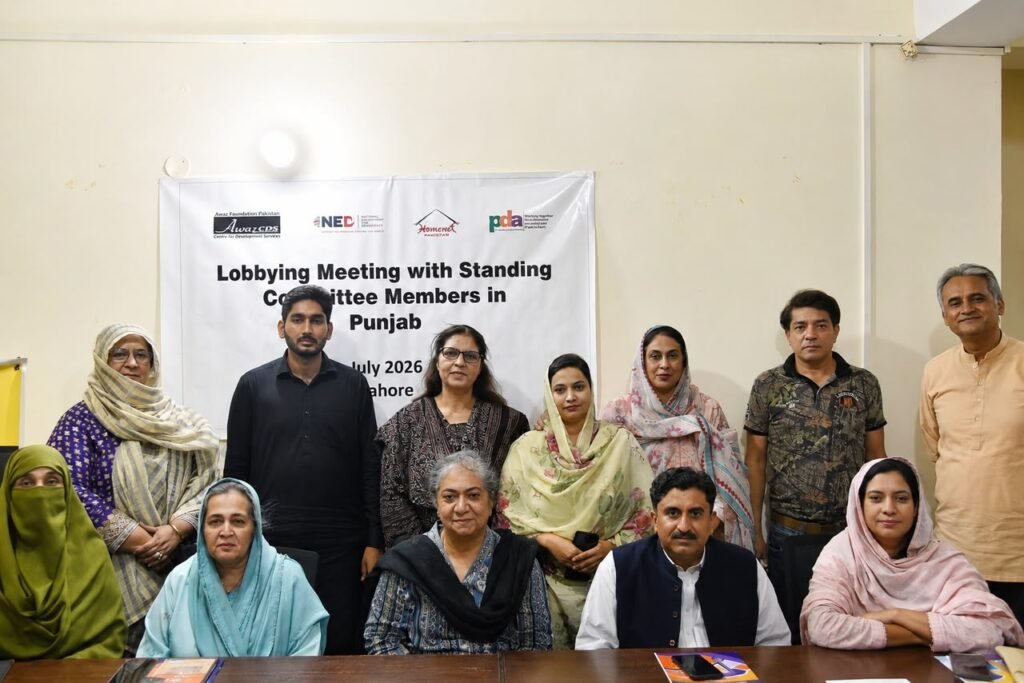
LAHORE — Members of the Punjab Assembly, governance experts, and civil society representatives have called on the government to expedite the schedule for local government elections and enhance the autonomy of local bodies as per Article 140-A of the Constitution. The consultation emphasized the need for timely elections and greater political, administrative, and financial independence for local governments. What Happened The consultation, held in Lahore, brought together a diverse group of stakeholders, including members of the Punjab Assembly, governance experts, and representatives from civil society organizations. The primary focus of the meeting was to urge the government to announce a clear timeline for local government elections, which have been delayed for several months. Participants stressed the importance of adhering to Article 140-A of the Constitution, which mandates the establishment of local governments with adequate powers and resources. During the meeting, several speakers highlighted the critical role that local governments play in ensuring effective governance and service delivery at the grassroots level. They argued that delays in conducting local government elections undermine democratic processes and hinder the development of local communities. “The government must prioritize the implementation of Article 140-A to empower local bodies,” said one participant, underscoring the need for immediate action. The consultation also addressed the need for reforms that would grant local governments greater autonomy in decision-making. Participants advocated for increased political, administrative, and financial powers to be devolved to local bodies, enabling them to address the needs of their constituents more effectively. The discussion highlighted the potential benefits of such reforms, including improved public service delivery, enhanced accountability, and increased citizen participation in governance. Background Article 140-A of the Constitution of Pakistan stipulates that each province shall establish a local government system and devolve political, administrative, and financial responsibility and authority to the elected representatives of the local governments. This constitutional provision aims to ensure that governance is brought closer to the people, allowing for more responsive and accountable administration. Historically, local government elections in Pakistan have faced delays and challenges due to various political and administrative factors. The last local government elections in Punjab were held in 2015, and the term of those elected representatives ended in 2019. Since then, there has been a growing demand for new elections to restore local governance structures and empower communities. Why It Matters The timely implementation of local government elections and the empowerment of local bodies are crucial for Pakistan’s democratic development. Local governments serve as the foundation of democracy, providing citizens with a direct channel to participate in governance and decision-making processes. By ensuring that local governments have the necessary autonomy and resources, the government can enhance service delivery and improve the quality of life for citizens across Punjab. Economically, empowered local governments can drive development initiatives tailored to the specific needs of their communities. This localized approach can lead to more efficient use of resources, fostering economic growth and reducing regional disparities. Politically, conducting timely local government elections reinforces the democratic process and strengthens public trust in governmental institutions. Internationally, Pakistan’s commitment to democratic principles and effective governance is closely watched by global partners and investors. Demonstrating adherence to constitutional mandates like Article 140-A can enhance Pakistan’s reputation as a stable and democratic nation, potentially attracting foreign investment and support for development projects. Key Takeaways Punjab Assembly members and civil society representatives have called for prompt local government elections. The consultation emphasized the need for implementing Article 140-A to empower local bodies. Delays in local government elections undermine democratic processes and community development. Greater autonomy for local governments can improve service delivery and citizen participation. Timely elections and empowered local bodies are vital for Pakistan’s democratic and economic progress. Source Attribution This article is based on official government statements, press releases, and public communications from relevant authorities. Author: NEN Editorial Desk | Editor: NEN Newsroom | Fact Checked By: NEN Editorial Team Author: NEN Editorial Desk  |  Editor: NEN Newsroom  |  Last Updated: July 24, 2026  |  Source: NEN Reporter This article was produced by the NEN Editorial Desk in accordance with NEN Agency’s Editorial Policy and Fact-Checking Policy.

ANF Arrests 10 Suspects, Seizes 31kg of Drugs in Nationwide Raids
Pakistan

ANF Arrests 10 Suspects, Seizes 31kg of Drugs in Nationwide Raids

ISLAMABAD — The Anti-Narcotics Force (ANF) has successfully apprehended 10 individuals, including a woman, and seized over 31 kilograms of narcotics in a series of operations conducted nationwide. The raids, which took place around educational institutions and other targeted locations, were part of a broader effort to combat drug trafficking across Pakistan, an ANF spokesman confirmed on Friday. What Happened The ANF carried out eight coordinated operations in various parts of the country, targeting areas known for drug trafficking activities. These operations led to the arrest of 10 suspects and the recovery of 31.338 kilograms of narcotics, with an estimated street value exceeding Rs 3.5 million. The seized drugs include heroin, hashish, and other illicit substances. According to the ANF spokesman, the operations were strategically planned to dismantle drug networks operating near educational institutions, aiming to protect students and young adults from the influence of narcotics. “Our efforts are focused on eradicating drug abuse and trafficking, particularly in areas where youth are most vulnerable,” the spokesman stated. The arrested individuals are currently under investigation, and the ANF is working to trace the origins and distribution networks of the seized drugs. The operations underscore the ANF’s commitment to maintaining a drug-free environment, especially in areas frequented by young people. Background The ANF has been at the forefront of Pakistan’s efforts to combat drug trafficking and abuse. Established in 1995, the force operates under the Ministry of Narcotics Control and is responsible for enforcing the country’s anti-drug laws. Pakistan, due to its geographical location, is a key transit point for narcotics originating from Afghanistan, one of the largest producers of opium and heroin in the world. Over the years, the ANF has intensified its operations, focusing on both supply and demand reduction strategies. These include public awareness campaigns, rehabilitation programs, and stringent enforcement measures. The force collaborates with international partners to enhance its capabilities and share intelligence on transnational drug trafficking networks. Why It Matters The recent operations by the ANF are significant for several reasons. Firstly, they highlight the ongoing challenge of drug trafficking in Pakistan, a problem that poses serious social and economic threats. Drug abuse not only affects the health and well-being of individuals but also contributes to crime and instability in communities. By targeting areas around educational institutions, the ANF aims to prevent the spread of drug abuse among the youth, who are particularly susceptible to the influence of narcotics. Protecting young people from drugs is crucial for safeguarding the future of the nation, as they represent the next generation of leaders and professionals. Moreover, these operations demonstrate Pakistan’s commitment to fulfilling its international obligations in the fight against drug trafficking. As a signatory to various international conventions on narcotics control, Pakistan is actively working to curb the flow of drugs within and across its borders. The economic impact of drug trafficking is also noteworthy. The illegal drug trade generates significant profits for criminal organizations, which can be used to fund other illicit activities. By disrupting these networks, the ANF not only reduces the availability of drugs but also weakens the financial power of organized crime groups. Key Takeaways The ANF arrested 10 suspects and seized over 31 kilograms of narcotics in nationwide operations. Operations targeted areas around educational institutions to protect youth from drug influence. The seized drugs have an estimated street value of over Rs 3.5 million. Pakistan’s geographical location makes it a key transit point for narcotics from Afghanistan. The ANF’s efforts are part of a broader strategy to combat drug trafficking and abuse. Source Attribution This article is based on official government statements, press releases, and public communications from relevant authorities. Author: NEN Editorial Desk | Editor: NEN Newsroom | Fact Checked By: NEN Editorial Team Author: NEN Editorial Desk  |  Editor: NEN Newsroom  |  Last Updated: July 24, 2026  |  Source: NEN Reporter This article was produced by the NEN Editorial Desk in accordance with NEN Agency’s Editorial Policy and Fact-Checking Policy.

Scroll to Top