

Author name: Yasir Zubairi

Yasir Zubairi is the founder and publisher of NEN Agency (News Era Network). He leads NEN's coverage of Pakistan's national affairs, economy, foreign relations and sports, and is responsible for the accuracy and standards of every story published on nenagency.com.

Nauman Khan Advances, Umair Ali Exits World Junior Squash Championships
Pakistan

Nauman Khan Advances, Umair Ali Exits World Junior Squash Championships

ISLAMABAD — Pakistan’s Nauman Khan has successfully advanced to the pre-quarterfinals of the World Squash Junior Individual Championships 2026, while his compatriot Umair Ali has been eliminated from the tournament. The event is being held in Niagara-on-the-Lake, Canada, where Nauman displayed a commendable performance against England’s Gabriel Chak in the Round of 32. What Happened Nauman Khan, representing Pakistan, secured his spot in the pre-quarterfinals by defeating England’s Gabriel Chak with a decisive performance in the Round of 32. The match, which took place in Niagara-on-the-Lake, Canada, saw Nauman displaying superior skill and strategy to overcome his opponent. This victory marks a significant achievement for the young Pakistani athlete as he continues his journey in one of the most prestigious junior squash tournaments globally. On the other hand, Umair Ali, another promising player from Pakistan, faced a challenging match and was unable to progress further in the competition. Despite his efforts, Umair was defeated in the earlier rounds, bringing his participation in this year’s championships to an end. The contrasting outcomes for the two Pakistani players highlight the unpredictable nature of competitive sports at this level. Background The World Squash Junior Individual Championships is an annual event that brings together the best young squash talent from around the world. It serves as a platform for emerging players to showcase their skills on an international stage. Pakistan has a rich history in squash, with legendary players like Jahangir Khan and Jansher Khan dominating the sport in the past. The country continues to produce talented players who aspire to reach similar heights in their careers. Historically, Pakistan has been a powerhouse in squash, particularly during the 1980s and 1990s. The nation’s dominance in the sport was marked by numerous world titles and a legacy that inspired future generations. However, in recent years, the competition has intensified globally, with players from various countries making significant strides in the sport. Why It Matters Nauman Khan’s advancement to the pre-quarterfinals is a positive development for Pakistan’s squash community, as it reflects the potential and resilience of the country’s young athletes. His success in the tournament not only boosts his confidence but also serves as an inspiration for other aspiring squash players in Pakistan. It underscores the importance of nurturing young talent and providing them with opportunities to compete on international platforms. For Umair Ali, although his journey in the tournament has ended, the experience gained from participating in such a high-level competition is invaluable. Competing against top-ranked players from around the world provides young athletes with exposure to different playing styles and strategies, which is crucial for their development. Economically, success in international sports events can enhance a country’s reputation and attract investment in sports infrastructure and training programs. This, in turn, can lead to improved facilities and support for athletes, fostering a more competitive sports environment in Pakistan. Internationally, performances in events like the World Junior Squash Championships can strengthen diplomatic ties and promote cultural exchange through sports. As Pakistani athletes compete on the global stage, they act as ambassadors for their country, showcasing not only their skills but also the rich cultural heritage of Pakistan. Key Takeaways Nauman Khan has advanced to the pre-quarterfinals of the World Squash Junior Individual Championships 2026. Umair Ali was eliminated from the tournament in the earlier rounds. The event is taking place in Niagara-on-the-Lake, Canada. Nauman’s success highlights the potential of young Pakistani squash players. The World Junior Squash Championships is a significant platform for emerging talent globally. Source Attribution This article is based on official statements and public communications from relevant authorities. Author: NEN Editorial Desk | Editor: NEN Newsroom | Fact Checked By: NEN Editorial Team Author: NEN Editorial Desk  |  Editor: NEN Newsroom  |  Last Updated: July 21, 2026  |  Source: NEN Reporter This article was produced by the NEN Editorial Desk in accordance with NEN Agency’s Editorial Policy and Fact-Checking Policy.
Ijaz Khokhar Elected Vice President of International Apparel Federation
World

Ijaz Khokhar Elected Vice President of International Apparel Federation

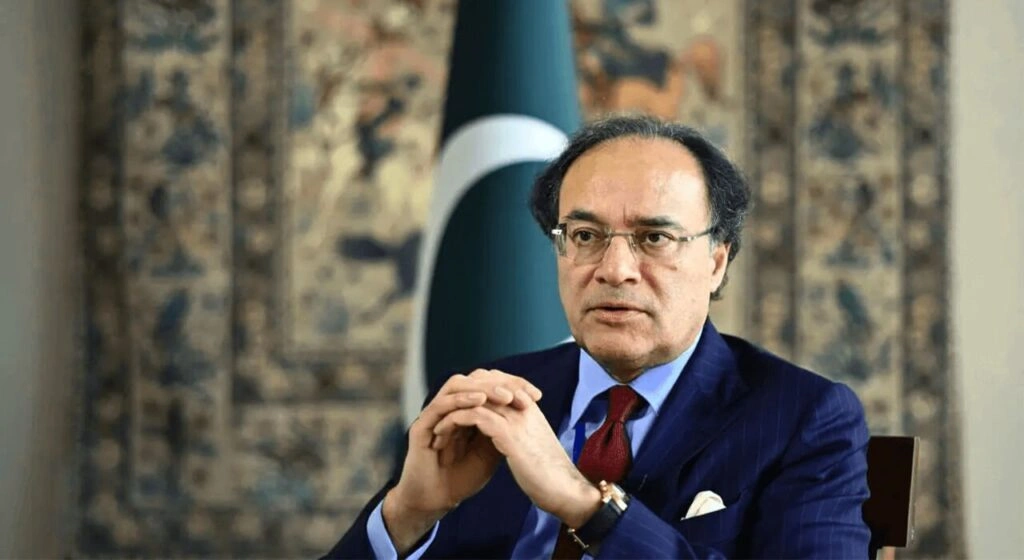
ISLAMABAD — Pakistan’s apparel industry has achieved a significant milestone as Ijaz A. Khokhar, a prominent figure in the textile sector, has been elected Vice President of the International Apparel Federation (IAF). Khokhar’s election marks a notable recognition of Pakistan’s growing influence in the global apparel industry. What Happened Ijaz A. Khokhar, former Chairman of the Pakistan Readymade Garments Manufacturers and Exporters Association (PRGMEA) and a leading exporter from Sialkot, has been elected as the Vice President of the International Apparel Federation (IAF). The IAF, a global association representing the apparel industry, announced Khokhar’s election as part of its efforts to include diverse international perspectives in its leadership. Khokhar’s election to this prestigious position is seen as a testament to his extensive experience and leadership in the apparel sector. With decades of involvement in the industry, Khokhar has been instrumental in promoting Pakistan’s textile exports and enhancing the country’s reputation as a competitive player in the global market. In his new role, he is expected to advocate for the interests of apparel manufacturers worldwide and contribute to the federation’s mission of fostering collaboration and innovation in the industry. Speaking on his election, Khokhar expressed gratitude and highlighted the potential for Pakistan’s apparel industry to further expand its global footprint. “This is not just an individual achievement but a recognition of Pakistan’s capabilities in the textile sector,” he stated. Khokhar emphasized the importance of leveraging this platform to address challenges faced by the industry, including sustainability and technological advancements. Background The International Apparel Federation (IAF) is a leading global association that represents the interests of the apparel industry, bringing together manufacturers, brands, and other stakeholders. Established in 1976, the IAF aims to promote best practices, innovation, and collaboration across the sector. It serves as a platform for dialogue and exchange of ideas among industry leaders from different countries. Pakistan’s textile industry has long been a cornerstone of its economy, contributing significantly to exports and employment. The sector has evolved over the years, with a focus on value-added products and diversification into new markets. Organizations like PRGMEA have played a crucial role in supporting manufacturers and exporters, advocating for favorable policies, and enhancing competitiveness. Why It Matters Ijaz Khokhar’s election as Vice President of the IAF holds considerable significance for Pakistan’s apparel industry. It underscores the country’s growing stature in the global textile market and highlights the potential for increased collaboration with international partners. This development is likely to boost confidence among local manufacturers and exporters, encouraging them to pursue new opportunities and expand their reach. From an economic perspective, Khokhar’s role in the IAF could lead to increased foreign investment and partnerships, benefiting Pakistan’s economy. The apparel industry is a major contributor to Pakistan’s GDP and a key source of employment, particularly for women. Enhancing the sector’s global competitiveness can drive economic growth and create more jobs. On a broader scale, Khokhar’s position in the IAF provides Pakistan with a platform to influence global discussions on important issues such as sustainability, fair trade, and technological innovation. By participating in these conversations, Pakistan can contribute to shaping the future of the apparel industry and advocate for policies that align with its national interests. Key Takeaways Ijaz A. Khokhar has been elected Vice President of the International Apparel Federation. Khokhar’s election highlights Pakistan’s growing influence in the global apparel industry. The IAF is a global association representing the interests of the apparel sector. Khokhar’s role may lead to increased foreign investment and partnerships for Pakistan. Pakistan can leverage this position to influence global industry discussions. Source Attribution This article is based on official government statements, press releases, and public communications from relevant authorities. Author: NEN Editorial Desk | Editor: NEN Newsroom | Fact Checked By: NEN Editorial Team Author: NEN Editorial Desk  |  Editor: NEN Newsroom  |  Last Updated: July 21, 2026  |  Source: NEN Reporter This article was produced by the NEN Editorial Desk in accordance with NEN Agency’s Editorial Policy and Fact-Checking Policy.

Pakistan Engages International Banks for GMTN and Sukuk Initiatives
World

Pakistan Engages International Banks for GMTN and Sukuk Initiatives

ISLAMABAD — The Pakistani government has initiated strategic partnerships with international banking consortiums as part of its Global Medium-Term Note (GMTN) and International Sukuk programs. This development was announced following a virtual meeting on Tuesday, led by Federal Minister for Finance and Revenue, Senator Muhammad Aurangzeb. What Happened On Tuesday, Federal Minister for Finance and Revenue, Senator Muhammad Aurangzeb, conducted a virtual meeting with representatives from various international banking consortiums. This meeting marked the beginning of Pakistan’s collaboration with these financial institutions under the GMTN and International Sukuk programs. The initiative is part of a broader strategy to secure financial resources through global markets. During the meeting, Minister Aurangzeb emphasized the importance of these partnerships in enhancing Pakistan’s financial standing on the international stage. He stated, “Following an evaluation process conducted in accordance with the criteria and procedures prescribed, we have selected consortiums that align with our strategic financial goals.” The minister highlighted the role of these programs in diversifying Pakistan’s financial instruments and accessing a wider pool of international investors. The GMTN program allows Pakistan to issue bonds in various currencies, providing flexibility in managing its debt portfolio. Meanwhile, the International Sukuk program is aimed at tapping into the Islamic finance market, which has shown significant growth potential. These initiatives are expected to bolster Pakistan’s foreign exchange reserves and provide necessary funding for development projects. Background The Global Medium-Term Note (GMTN) program is a framework that enables countries to issue bonds over a period, offering flexibility in terms of currency and maturity. Pakistan has previously utilized this program to manage its external debt obligations effectively. The International Sukuk program, on the other hand, involves the issuance of Islamic bonds, which comply with Shariah law. These bonds are asset-backed and have been increasingly popular among investors seeking ethical investment opportunities. Pakistan’s engagement with international financial markets is not new. The country has been active in issuing Eurobonds and Sukuks to meet its financing needs. These instruments have been crucial in managing the balance of payments and supporting the country’s fiscal policies. The current initiative is a continuation of these efforts, aimed at ensuring sustainable economic growth and financial stability. Why It Matters The engagement with international banking consortiums under the GMTN and Sukuk programs is significant for several reasons. Economically, it provides Pakistan with access to a diverse range of financial instruments, enabling the country to manage its debt more effectively. By tapping into global markets, Pakistan can secure funding at competitive rates, which is crucial for its development agenda. Socially, the successful implementation of these programs can lead to increased investment in infrastructure and social projects, directly benefiting the Pakistani population. Improved infrastructure can enhance connectivity, boost trade, and create job opportunities, contributing to overall economic growth. Politically, the partnerships with international banks signal Pakistan’s commitment to maintaining strong economic ties with the global community. This can enhance the country’s reputation as a reliable investment destination, attracting more foreign direct investment in the long run. Internationally, the issuance of Sukuks positions Pakistan as a key player in the Islamic finance market, which is growing rapidly. By capitalizing on this trend, Pakistan can attract investors from Islamic countries and regions where Shariah-compliant financial products are in demand. Key Takeaways Pakistan has engaged international banks for its GMTN and Sukuk programs. The initiatives aim to diversify financial instruments and attract global investors. These programs are expected to enhance Pakistan’s foreign exchange reserves. The GMTN allows bond issuance in various currencies, providing debt management flexibility. The Sukuk program targets the growing Islamic finance market. Source Attribution This article is based on official government statements, press releases, and public communications from relevant authorities. Author: NEN Editorial Desk | Editor: NEN Newsroom | Fact Checked By: NEN Editorial Team Author: NEN Editorial Desk  |  Editor: NEN Newsroom  |  Last Updated: July 21, 2026  |  Source: NEN Reporter This article was produced by the NEN Editorial Desk in accordance with NEN Agency’s Editorial Policy and Fact-Checking Policy.

EDF and Pak EXIM Collaborate to Boost SME Exports
Pakistan

EDF and Pak EXIM Collaborate to Boost SME Exports

ISLAMABAD — The Export Development Fund (EDF) and the Export-Import Bank of Pakistan (Pak EXIM) have signed a Memorandum of Understanding (MoU) aimed at enhancing the export capabilities of Small and Medium Enterprises (SMEs) in Pakistan. The agreement, finalized on Tuesday, focuses on improving access to finance and risk protection for SME exporters, thereby strengthening the country’s export ecosystem. What Happened The MoU between EDF and Pak EXIM outlines a strategic partnership designed to facilitate the growth of SME exports through financial support and risk management solutions. As part of this collaboration, both institutions will work together to provide SMEs with the necessary resources to expand their export activities. The agreement was signed in Islamabad, marking a significant step towards addressing the financial challenges faced by SMEs in the export sector. According to the details of the MoU, the partnership will focus on offering tailored financial products and services that cater to the unique needs of SME exporters. This includes providing access to affordable credit, insurance products, and risk mitigation strategies that can help SMEs navigate the complexities of international trade. Speaking at the signing ceremony, a representative from the Export Development Fund emphasized the importance of this collaboration in fostering a more inclusive and dynamic export environment. “By joining forces with Pak EXIM, we aim to create a supportive framework that empowers SMEs to compete on a global scale,” the representative stated. Background SMEs play a crucial role in Pakistan’s economy, contributing significantly to employment and GDP. However, these enterprises often face substantial barriers when attempting to enter international markets. Limited access to finance, inadequate risk protection, and lack of expertise in export procedures are among the primary challenges that hinder their growth. The Export Development Fund, established by the Government of Pakistan, is tasked with promoting the country’s exports by supporting various initiatives aimed at enhancing the competitiveness of Pakistani products in global markets. Pak EXIM, on the other hand, is a government-owned financial institution that provides financial services and risk protection to exporters, with a particular focus on SMEs. Why It Matters This collaboration between EDF and Pak EXIM is significant for several reasons. Economically, it has the potential to boost Pakistan’s export revenues by enabling more SMEs to enter and succeed in international markets. SMEs often lack the financial resources and risk management tools necessary to compete globally, and this partnership aims to address these gaps. Socially, the initiative could lead to job creation and economic empowerment within local communities. As SMEs expand their operations and increase their export activities, they are likely to create more employment opportunities, contributing to poverty alleviation and economic stability. Politically, the collaboration demonstrates the government’s commitment to supporting the SME sector, which is vital for sustainable economic growth. By facilitating access to finance and risk protection, the government is taking proactive steps to enhance the competitiveness of Pakistani exports on the world stage. Internationally, strengthening the SME export sector could improve Pakistan’s trade balance and enhance its reputation as a reliable trading partner. As SMEs become more competitive, they can contribute to diversifying the country’s export portfolio, reducing reliance on traditional export commodities. Key Takeaways The MoU between EDF and Pak EXIM aims to enhance SME exports through improved access to finance and risk protection. SMEs in Pakistan face significant challenges in accessing international markets, which this collaboration seeks to address. The initiative is expected to boost export revenues, create jobs, and support economic empowerment. The partnership reflects the government’s commitment to strengthening the SME sector and enhancing export competitiveness. Improved SME exports could positively impact Pakistan’s trade balance and international trade relations. Source Attribution This article is based on official government statements, press releases, and public communications from relevant authorities. Author: NEN Editorial Desk | Editor: NEN Newsroom | Fact Checked By: NEN Editorial Team Author: NEN Editorial Desk  |  Editor: NEN Newsroom  |  Last Updated: July 21, 2026  |  Source: NEN Reporter This article was produced by the NEN Editorial Desk in accordance with NEN Agency’s Editorial Policy and Fact-Checking Policy.
NBP Releases Latest Foreign Exchange Rates Amid Economic Uncertainty
Pakistan

NBP Releases Latest Foreign Exchange Rates Amid Economic Uncertainty

KARACHI — The National Bank of Pakistan (NBP) has announced the latest foreign exchange rates through its Treasury Management Division, reflecting ongoing volatility in currency markets. On Tuesday, the bank provided updated figures for various currencies, underscoring the challenges faced by Pakistan’s economy in maintaining stable exchange rates. What Happened The Treasury Management Division of the National Bank of Pakistan issued new exchange rates, revealing fluctuations across multiple currencies. As of Tuesday, the US dollar was being sold at 278.35 Pakistani rupees and bought at 277.85 rupees. The euro stood at 317.75 for selling and 317.18 for buying, while the British pound was listed at 374.11 for selling and 373.43 for buying. Other notable rates included the Japanese yen at 1.71 for selling and 1.7103 for buying, and the Swiss franc at 343.47 for selling and 342.86 for buying. The Canadian dollar was priced at 197.75 for selling and 197.39 for buying, with the Australian dollar at 195.04 for selling and 194.69 for buying. Among the Asian currencies, the Chinese yuan was set at 41.13 for selling and 41.06 for buying, while the UAE dirham was listed at 75.79 for selling and 75.65 for buying. The Saudi riyal was priced at 74.13 for selling and 74.00 for buying. These rates are crucial for businesses and individuals engaged in international trade and travel, as they directly impact the cost of transactions and foreign exchange earnings. Background Pakistan’s economy has been grappling with significant challenges, including high inflation, a burgeoning fiscal deficit, and a precarious balance of payments situation. The exchange rate volatility is a reflection of these broader economic issues. Historically, the Pakistani rupee has faced pressure due to a combination of domestic fiscal policies and external economic conditions, such as fluctuating oil prices and geopolitical tensions. The State Bank of Pakistan (SBP) has been actively involved in managing the exchange rate through monetary policy interventions and foreign exchange reserves management. Despite these efforts, the rupee has experienced depreciation against major currencies over the past year, driven by both local and global factors. Why It Matters The exchange rates released by the NBP are a critical indicator of Pakistan’s economic health and its interaction with the global financial system. For businesses, particularly those involved in import and export, these rates determine the cost of goods and services, affecting profitability and competitiveness in international markets. For the general public, exchange rates influence the cost of living, particularly for those who rely on remittances from abroad or plan to travel internationally. A weaker rupee can lead to higher prices for imported goods, contributing to inflationary pressures that affect everyday expenses. On a macroeconomic level, stable exchange rates are essential for attracting foreign investment. Investors seek predictable and stable economic environments, and currency stability is a key factor in their decision-making processes. Persistent volatility can deter investment, impacting economic growth and employment opportunities. Furthermore, the exchange rate is a reflection of the country’s economic policies and governance. It serves as a barometer for the confidence of international markets in Pakistan’s economic management and future prospects. Key Takeaways The NBP has released updated exchange rates amid ongoing economic challenges in Pakistan. The US dollar is being sold at 278.35 rupees and bought at 277.85 rupees. The exchange rate volatility reflects broader economic issues, including high inflation and fiscal deficits. Stable exchange rates are crucial for businesses, consumers, and attracting foreign investment. The rates impact the cost of living and the competitiveness of Pakistani exports. Source Attribution This article is based on official government statements, press releases, and public communications from relevant authorities. Author: NEN Editorial Desk | Editor: NEN Newsroom | Fact Checked By: NEN Editorial Team Author: NEN Editorial Desk  |  Editor: NEN Newsroom  |  Last Updated: July 21, 2026  |  Source: NEN Reporter This article was produced by the NEN Editorial Desk in accordance with NEN Agency’s Editorial Policy and Fact-Checking Policy.
Hyderabad Sets New Prices for Tandoori Naan and Chapatti
Pakistan

Hyderabad Sets New Prices for Tandoori Naan and Chapatti

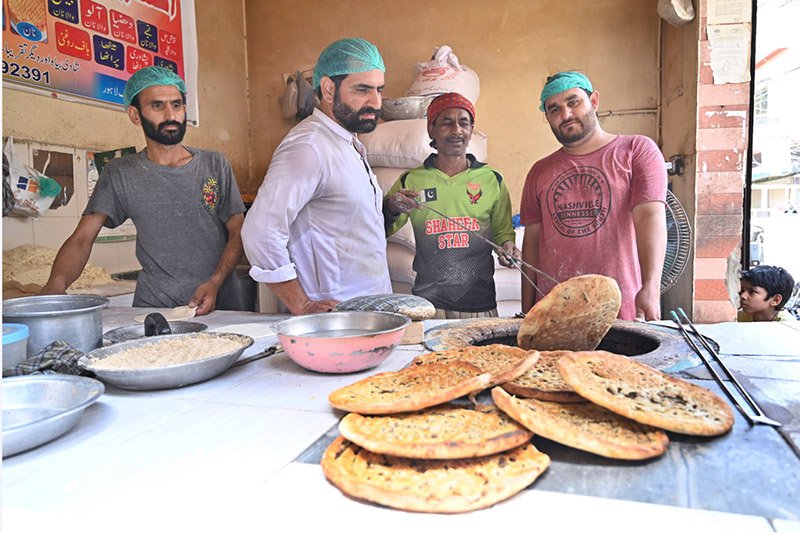
HYDERABAD — The district administration of Hyderabad has announced revised prices for tandoori naan and chapatti, reflecting the recent decrease in wheat and flour costs. This decision, effective immediately as per the notification issued on Tuesday, aims to align retail prices with the current market conditions. What Happened The Deputy Commissioner of Hyderabad issued a notification detailing the new pricing structure for popular bread items. According to the order, a 100-gram chapatti will now be sold at Rs 15, while a 120-gram tandoori naan will be priced at Rs 22. The adjustment comes in response to a significant drop in the prices of wheat and flour, which are key ingredients in these staple foods. Local vendors and tandoor operators have been instructed to comply with the new rates to ensure affordability for consumers. The district administration has emphasized the importance of adherence to these prices, warning of strict action against those who fail to comply. This move is part of a broader effort by the authorities to regulate food prices and prevent inflationary pressures on essential commodities. In a statement, a representative from the district administration said, “The decision to revise the prices was taken after careful consideration of the current market trends and input costs. We are committed to ensuring that the benefits of reduced raw material costs are passed on to the consumers.” Background Historically, the prices of staple foods such as naan and chapatti have been subject to fluctuations based on the availability and cost of wheat and flour. In recent months, Pakistan has seen a decrease in wheat prices due to a combination of factors, including favorable weather conditions and increased domestic production. The government has also taken steps to stabilize the market by importing wheat to supplement local supplies, thereby easing pressure on prices. This is not the first time the district administration has intervened to adjust food prices. Similar measures have been taken in the past to address price hikes and ensure that essential goods remain accessible to the general public. The current adjustment reflects ongoing efforts to monitor and respond to market dynamics effectively. Why It Matters The revision of naan and chapatti prices holds significant implications for both consumers and vendors in Hyderabad. For consumers, particularly those from low-income households, the reduction in prices offers some relief amid broader economic challenges. Bread is a staple food in Pakistan, and any fluctuation in its price can have a direct impact on household budgets. For vendors, the new pricing structure necessitates adjustments in their business operations. While the lower prices may reduce profit margins, the increased affordability could potentially boost sales volume. This balancing act is crucial for maintaining the viability of small businesses that rely heavily on the sale of these staple items. On a broader scale, the decision underscores the government’s role in regulating food prices to protect consumers from market volatility. By ensuring that price adjustments reflect changes in input costs, the authorities aim to maintain economic stability and prevent inflationary pressures from eroding purchasing power. Key Takeaways The district administration of Hyderabad has set new prices for tandoori naan and chapatti. A 100-gram chapatti will now cost Rs 15, and a 120-gram tandoori naan will be Rs 22. The price adjustment follows a decrease in wheat and flour prices. Vendors are required to comply with the new rates to ensure consumer affordability. This move is part of efforts to regulate food prices and prevent inflation. Source Attribution This article is based on official government statements, press releases, and public communications from relevant authorities. Author: NEN Editorial Desk | Editor: NEN Newsroom | Fact Checked By: NEN Editorial Team Author: NEN Editorial Desk  |  Editor: NEN Newsroom  |  Last Updated: July 21, 2026  |  Source: NEN Reporter This article was produced by the NEN Editorial Desk in accordance with NEN Agency’s Editorial Policy and Fact-Checking Policy.
Prof. Dr. Khurram Appointed Acting Vice Chancellor of Rawalpindi Medical University
Pakistan

Prof. Dr. Khurram Appointed Acting Vice Chancellor of Rawalpindi Medical University

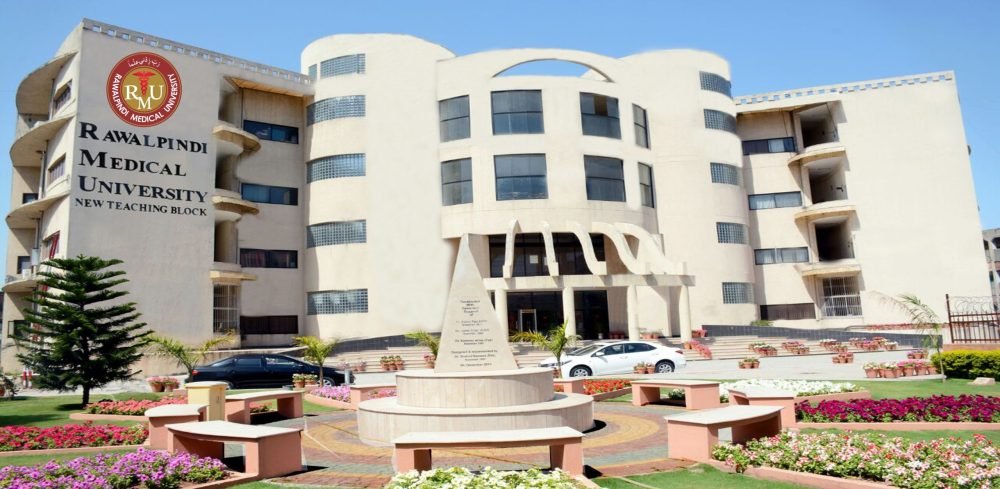
RAWALPINDI — Prof. Dr. Muhammad Khurram, currently the Principal of Rawalpindi Medical College, has been appointed as the Acting Vice Chancellor of Rawalpindi Medical University (RMU). This administrative decision was made following the completion of the tenure of the outgoing Vice Chancellor, aiming to maintain continuity in the university’s academic and administrative functions. What Happened Prof. Dr. Muhammad Khurram, who has been serving as the Principal of Rawalpindi Medical College, will now take on the additional responsibilities as the Acting Vice Chancellor of RMU. This decision was made to ensure that the university continues to function smoothly without any disruption to its academic governance and ongoing medical education programs. The appointment comes at a crucial time as RMU is involved in several institutional development initiatives that require steady leadership. The outgoing Vice Chancellor’s term ended recently, prompting the need for an interim leadership arrangement. Prof. Dr. Khurram’s extensive experience in medical education and administration is expected to contribute positively to RMU’s strategic objectives. His dual role as Principal and Acting Vice Chancellor is seen as a measure to leverage his expertise in both academic and administrative capacities. In his new role, Prof. Dr. Khurram will be responsible for overseeing the university’s academic policies, faculty development, and student affairs, while also spearheading efforts to enhance the institution’s research capabilities and international collaborations. His leadership is anticipated to guide RMU through its current projects and future plans. Background Rawalpindi Medical University, established in 2017, has been a key institution for medical education in Pakistan. It evolved from the Rawalpindi Medical College, which has a long history of contributing to the healthcare sector by producing skilled medical professionals. The university offers a range of undergraduate and postgraduate programs and is involved in various research and community health initiatives. The role of the Vice Chancellor is pivotal in steering the university’s strategic direction, ensuring compliance with educational standards, and fostering an environment conducive to learning and innovation. The appointment of an Acting Vice Chancellor is a common practice in academic institutions to ensure uninterrupted leadership during transitional periods. Why It Matters The appointment of Prof. Dr. Khurram as Acting Vice Chancellor is significant for several reasons. Firstly, it ensures that RMU continues to operate effectively without any leadership vacuum that could disrupt its academic and administrative processes. This continuity is essential for maintaining the quality of education and services provided by the university. Secondly, Prof. Dr. Khurram’s dual role could potentially streamline decision-making processes, as he will have a comprehensive understanding of both the college and university operations. This could lead to more cohesive strategies in addressing challenges and seizing opportunities in medical education and research. Moreover, his leadership during this interim period is crucial as RMU is engaged in expanding its research initiatives and seeking international partnerships. These efforts are vital for enhancing the university’s reputation and attracting more students and faculty from diverse backgrounds. For the broader educational landscape in Pakistan, such appointments highlight the importance of experienced leadership in driving institutional growth and adapting to the evolving demands of medical education. This move also underscores the ongoing efforts to strengthen higher education governance in the country. Key Takeaways Prof. Dr. Muhammad Khurram appointed as Acting Vice Chancellor of RMU. His appointment ensures continuity in leadership following the end of the outgoing Vice Chancellor’s term. Prof. Dr. Khurram will oversee academic policies, faculty development, and student affairs. RMU is engaged in expanding research initiatives and international collaborations. The appointment reflects the importance of experienced leadership in higher education governance. Source Attribution This article is based on official government statements, press releases, and public communications from relevant authorities. Author: NEN Editorial Desk | Editor: NEN Newsroom | Fact Checked By: NEN Editorial Team Author: NEN Editorial Desk  |  Editor: NEN Newsroom  |  Last Updated: July 21, 2026  |  Source: NEN Reporter This article was produced by the NEN Editorial Desk in accordance with NEN Agency’s Editorial Policy and Fact-Checking Policy.

Sindh Assembly Orders Probe Into 33-Year Delay In Hawks Bay Scheme 42
Pakistan

Sindh Assembly Orders Probe Into 33-Year Delay In Hawks Bay Scheme 42

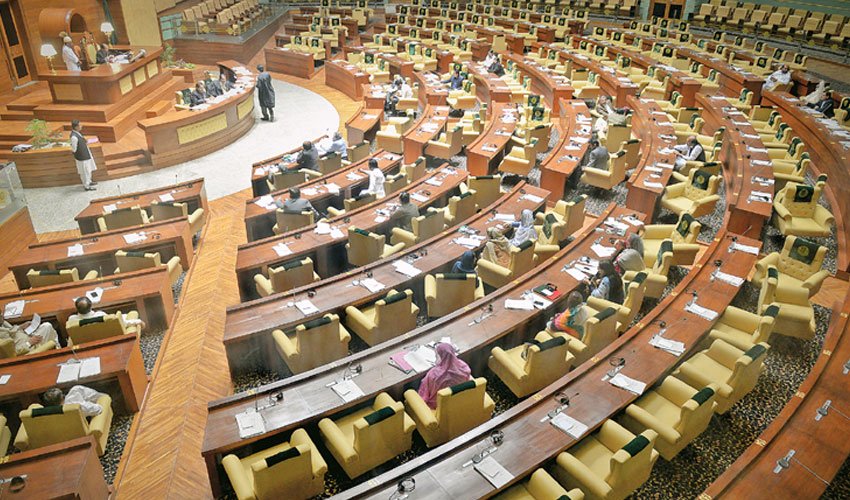
KARACHI — The Public Accounts Committee (PAC) of the Sindh Assembly has initiated an inquiry into the protracted delay of the Hawks Bay Scheme 42, a project under the Lyari Development Authority (LDA). The committee expressed significant dissatisfaction over the lack of progress in development works, the failure to transfer possession of plots, and the issuance of leases to allottees, despite the scheme’s launch over three decades ago. What Happened The PAC, during a recent session, directed the relevant authorities to investigate the reasons behind the 33-year delay in the completion of the Hawks Bay Scheme 42. This housing project, managed by the LDA, was intended to provide residential plots to citizens but has been marred by administrative and operational setbacks since its inception. The committee’s decision to probe the delay stems from mounting frustrations among allottees who have been waiting for years to receive their plots. According to the PAC, the inquiry will focus on identifying the administrative inefficiencies and financial mismanagement that have contributed to the prolonged delay. The committee has called for a comprehensive report detailing the current status of the project, the challenges faced, and the steps needed to expedite its completion. The PAC has also urged the LDA to ensure transparency and accountability in the process. During the session, PAC members voiced their concerns about the impact of the delay on the allottees, many of whom have invested significant resources with the hope of securing residential plots. The committee emphasized the need for immediate action to address the grievances of the affected individuals and to restore public confidence in the LDA’s ability to manage such projects. Background The Hawks Bay Scheme 42 was launched by the Lyari Development Authority in the late 1980s as part of an initiative to provide affordable housing options in Karachi. The project was designed to offer residential plots to citizens, particularly targeting the middle and lower-income groups. However, over the years, the scheme has faced numerous challenges, including bureaucratic hurdles, legal disputes, and financial constraints, which have stalled its progress. Historically, the LDA has struggled with similar issues in other development projects, often leading to delays and dissatisfaction among allottees. The Hawks Bay Scheme 42 has become emblematic of these challenges, with many stakeholders calling for reforms within the LDA to enhance its operational efficiency and project management capabilities. Why It Matters The inquiry into the Hawks Bay Scheme 42 is significant for several reasons. Economically, the delay in the project’s completion has resulted in financial losses for the allottees, who have been unable to utilize their investments or benefit from the intended housing facilities. The prolonged delay also reflects broader issues within the LDA and similar development authorities, highlighting the need for systemic reforms to improve project delivery and accountability. Socially, the delay has affected thousands of families who have been waiting for decades to secure their promised plots. The lack of progress has eroded trust in public institutions and has raised questions about the government’s commitment to addressing housing shortages in urban areas like Karachi. The inquiry could potentially lead to policy changes that prioritize the completion of stalled projects and ensure that future housing schemes are managed more effectively. Politically, the PAC’s decision to probe the delay underscores the importance of accountability and transparency in government projects. It serves as a reminder to public officials and development authorities of their responsibility to deliver on promises made to citizens. The outcome of the inquiry could influence future housing policies and development strategies in Sindh and beyond. Key Takeaways The Sindh Assembly’s PAC has ordered an inquiry into the 33-year delay of the Hawks Bay Scheme 42. The inquiry will focus on identifying administrative and financial issues contributing to the delay. The Hawks Bay Scheme 42 was launched in the late 1980s to provide affordable housing in Karachi. The delay has resulted in financial losses and eroded trust among allottees and the public. The inquiry highlights the need for systemic reforms in development project management. Source Attribution This article is based on official government statements, press releases, and public communications from relevant authorities. Author: NEN Editorial Desk | Editor: NEN Newsroom | Fact Checked By: NEN Editorial Team Author: NEN Editorial Desk  |  Editor: NEN Newsroom  |  Last Updated: July 21, 2026  |  Source: NEN Reporter This article was produced by the NEN Editorial Desk in accordance with NEN Agency’s Editorial Policy and Fact-Checking Policy.

Government Increases Fuel Prices Under New Daily Pricing System
Pakistan

Government Increases Fuel Prices Under New Daily Pricing System

ISLAMABAD — The federal government of Pakistan has announced an increase in the prices of petroleum products, effective from July 22, 2023. The price of petrol has been raised by Rs4.93 per litre, while high-speed diesel (HSD) will see an increase of Rs7.15 per litre. This adjustment is part of the newly implemented daily petroleum pricing mechanism, as confirmed by the Ministry of Energy (Petroleum Division). What Happened On July 21, 2023, the Ministry of Energy issued a notification detailing the latest changes in fuel prices. Under the new pricing system, petrol will now cost Rs272.93 per litre, and high-speed diesel will be priced at Rs280.15 per litre. The daily pricing mechanism aims to align domestic fuel prices with international market trends more closely, allowing for quicker adjustments in response to fluctuations in global oil prices. The decision to revise fuel prices on a daily basis marks a significant shift from the previous fortnightly review system. According to the Ministry of Energy, this approach is intended to enhance transparency and ensure that consumers are charged prices that reflect the current market conditions. An official from the ministry stated, “This mechanism will help in reducing the lag between international price changes and domestic price adjustments.” The increase in fuel prices comes amid rising global oil prices, which have been influenced by geopolitical tensions and production cuts by major oil-producing countries. The new pricing system is expected to mitigate the impact of such external factors on the domestic market. Background Pakistan has historically adjusted fuel prices on a fortnightly basis, a practice that often led to delays in reflecting international market changes in domestic prices. The Oil and Gas Regulatory Authority (OGRA) played a pivotal role in recommending price adjustments based on international trends and domestic economic conditions. The introduction of the daily pricing mechanism is part of broader reforms aimed at liberalizing Pakistan’s energy sector. These reforms are intended to attract investment, improve efficiency, and reduce the fiscal burden on the government. The shift to a daily pricing model aligns with practices in several other countries that have adopted similar systems to ensure timely price adjustments. Why It Matters The increase in fuel prices is likely to have a significant impact on Pakistan’s economy and its citizens. Higher fuel prices can lead to increased transportation costs, which may subsequently raise the prices of goods and services across the board. This could contribute to inflationary pressures, affecting the purchasing power of consumers. For businesses, particularly those in the logistics and transportation sectors, the rise in fuel costs could result in higher operational expenses. This may lead to increased costs for goods and services, potentially affecting competitiveness and profitability. On a macroeconomic level, the daily pricing mechanism is expected to improve fiscal discipline by reducing the need for government subsidies to maintain artificially low fuel prices. However, it also places a greater burden on consumers, who must now adapt to more frequent price changes. Internationally, the move is seen as a step towards integrating Pakistan’s energy market with global markets. It reflects the country’s commitment to economic reforms and its willingness to adopt market-driven policies. Key Takeaways The government has increased petrol prices by Rs4.93 and diesel by Rs7.15 per litre. The new daily pricing mechanism aims to align domestic fuel prices with global markets. This change is part of broader energy sector reforms to improve market efficiency. The increase in fuel prices may contribute to inflation and affect consumer purchasing power. The shift to daily pricing reflects Pakistan’s commitment to economic reforms and market integration. Source Attribution This article is based on official government statements, press releases, and public communications from relevant authorities. Author: NEN Editorial Desk | Editor: NEN Newsroom | Fact Checked By: NEN Editorial Team Author: NEN Editorial Desk  |  Editor: NEN Newsroom  |  Last Updated: July 21, 2026  |  Source: Press Release from Ministry of Energy This article was produced by the NEN Editorial Desk in accordance with NEN Agency’s Editorial Policy and Fact-Checking Policy.

Pakistani Players Advance to Round of 32 at World Junior Squash Championships
Pakistan

Pakistani Players Advance to Round of 32 at World Junior Squash Championships

NIAGARA-ON-THE-LAKE — Pakistan’s junior squash players have successfully advanced to the Round of 32 at the World Squash Junior Individual Championships 2026 in Niagara-on-the-Lake, Canada. The quartet’s impressive performances in the Round of 64 secured their progression in the prestigious tournament, showcasing their potential on an international stage. What Happened The Pakistani team, consisting of four talented junior players, demonstrated exceptional skill and determination during the initial rounds of the World Junior Squash Championships. Competing against a diverse field of international players, all four members of the team managed to secure victories in their respective matches in the Round of 64. This achievement marks a significant milestone for the young athletes as they continue their quest for glory in the tournament. Each player exhibited a high level of proficiency and strategic gameplay, which were instrumental in their advancement. The victories were not only a testament to their individual talents but also highlighted the effectiveness of their training and preparation leading up to the championship. The players’ performances have been met with enthusiasm and support from fans and the squash community in Pakistan. As the competition progresses, the Pakistani players will face increasingly challenging opponents in the Round of 32. Their success so far has set a positive tone for their future matches, and they are determined to maintain their momentum as they aim for further success in the tournament. Background The World Junior Squash Championships is an annual event that brings together the best young squash talent from around the globe. It serves as a platform for junior players to showcase their skills and compete at an international level. Pakistan has a rich history in squash, with legendary players like Jahangir Khan and Jansher Khan having dominated the sport in the past. The current generation of players is striving to uphold this legacy by making their mark in international competitions. In recent years, Pakistan has invested in developing its junior squash program, focusing on nurturing young talent and providing them with opportunities to compete internationally. The participation of the Pakistani team in the World Junior Squash Championships is a reflection of these efforts and the country’s commitment to reviving its status as a powerhouse in the sport. Why It Matters The advancement of Pakistani players to the Round of 32 in the World Junior Squash Championships carries significant implications for the sport in Pakistan. Firstly, it highlights the potential and talent present in the country’s junior squash circuit, offering hope for a resurgence of interest and success in the sport. This achievement can inspire young athletes across Pakistan to pursue squash, contributing to the growth and development of the sport at the grassroots level. Economically, success in international sports events can attract sponsorships and funding, which are crucial for the development of sports infrastructure and training programs. The visibility gained by Pakistani players on the world stage can lead to increased investment in squash, benefiting not only the players but also the broader sporting community in Pakistan. Politically, sports achievements can serve as a unifying force, fostering national pride and bringing people together. The success of the junior squash team can enhance Pakistan’s image internationally, showcasing the country’s potential to produce world-class athletes despite various challenges. Key Takeaways Four Pakistani junior squash players advanced to the Round of 32 at the World Junior Squash Championships 2026 in Canada. The players’ victories in the Round of 64 highlight their skill and preparation. Pakistan has a storied history in squash, and the current success reflects efforts to revive the sport. The achievement can inspire young athletes and boost investment in squash in Pakistan. Sports success can enhance national pride and improve Pakistan’s international image. Source Attribution This article is based on official statements, press releases, and public communications from relevant authorities. Author: NEN Editorial Desk | Editor: NEN Newsroom | Fact Checked By: NEN Editorial Team Author: NEN Editorial Desk  |  Editor: NEN Newsroom  |  Last Updated: July 21, 2026  |  Source: NEN Reporter This article was produced by the NEN Editorial Desk in accordance with NEN Agency’s Editorial Policy and Fact-Checking Policy.

Scroll to Top