
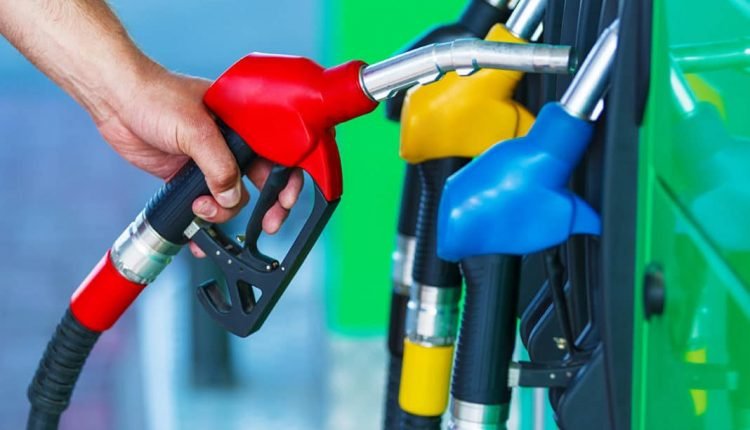
ISLAMABAD — The federal government of Pakistan has announced an increase in the prices of petroleum products, effective from July 22, 2023. The price of petrol has been raised by Rs4.93 per litre, while high-speed diesel (HSD) will see an increase of Rs7.15 per litre. This adjustment is part of the newly implemented daily petroleum pricing mechanism, as confirmed by the Ministry of Energy (Petroleum Division).
What Happened
On July 21, 2023, the Ministry of Energy issued a notification detailing the latest changes in fuel prices. Under the new pricing system, petrol will now cost Rs272.93 per litre, and high-speed diesel will be priced at Rs280.15 per litre. The daily pricing mechanism aims to align domestic fuel prices with international market trends more closely, allowing for quicker adjustments in response to fluctuations in global oil prices.
The decision to revise fuel prices on a daily basis marks a significant shift from the previous fortnightly review system. According to the Ministry of Energy, this approach is intended to enhance transparency and ensure that consumers are charged prices that reflect the current market conditions. An official from the ministry stated, “This mechanism will help in reducing the lag between international price changes and domestic price adjustments.”
The increase in fuel prices comes amid rising global oil prices, which have been influenced by geopolitical tensions and production cuts by major oil-producing countries. The new pricing system is expected to mitigate the impact of such external factors on the domestic market.
Background
Pakistan has historically adjusted fuel prices on a fortnightly basis, a practice that often led to delays in reflecting international market changes in domestic prices. The Oil and Gas Regulatory Authority (OGRA) played a pivotal role in recommending price adjustments based on international trends and domestic economic conditions.
The introduction of the daily pricing mechanism is part of broader reforms aimed at liberalizing Pakistan’s energy sector. These reforms are intended to attract investment, improve efficiency, and reduce the fiscal burden on the government. The shift to a daily pricing model aligns with practices in several other countries that have adopted similar systems to ensure timely price adjustments.
Why It Matters
The increase in fuel prices is likely to have a significant impact on Pakistan’s economy and its citizens. Higher fuel prices can lead to increased transportation costs, which may subsequently raise the prices of goods and services across the board. This could contribute to inflationary pressures, affecting the purchasing power of consumers.
For businesses, particularly those in the logistics and transportation sectors, the rise in fuel costs could result in higher operational expenses. This may lead to increased costs for goods and services, potentially affecting competitiveness and profitability.
On a macroeconomic level, the daily pricing mechanism is expected to improve fiscal discipline by reducing the need for government subsidies to maintain artificially low fuel prices. However, it also places a greater burden on consumers, who must now adapt to more frequent price changes.
Internationally, the move is seen as a step towards integrating Pakistan’s energy market with global markets. It reflects the country’s commitment to economic reforms and its willingness to adopt market-driven policies.
Key Takeaways
- The government has increased petrol prices by Rs4.93 and diesel by Rs7.15 per litre.
- The new daily pricing mechanism aims to align domestic fuel prices with global markets.
- This change is part of broader energy sector reforms to improve market efficiency.
- The increase in fuel prices may contribute to inflation and affect consumer purchasing power.
- The shift to daily pricing reflects Pakistan’s commitment to economic reforms and market integration.
Source Attribution
This article is based on official government statements, press releases, and public communications from relevant authorities.














