
Author name: Yasir Zubairi

Yasir Zubairi is the founder and publisher of NEN Agency (News Era Network). He leads NEN's coverage of Pakistan's national affairs, economy, foreign relations and sports, and is responsible for the accuracy and standards of every story published on nenagency.com.

RCCI Delegation Engages MPA Raja Muhammad Hanif on Business Challenges
Pakistan

RCCI Delegation Engages MPA Raja Muhammad Hanif on Business Challenges

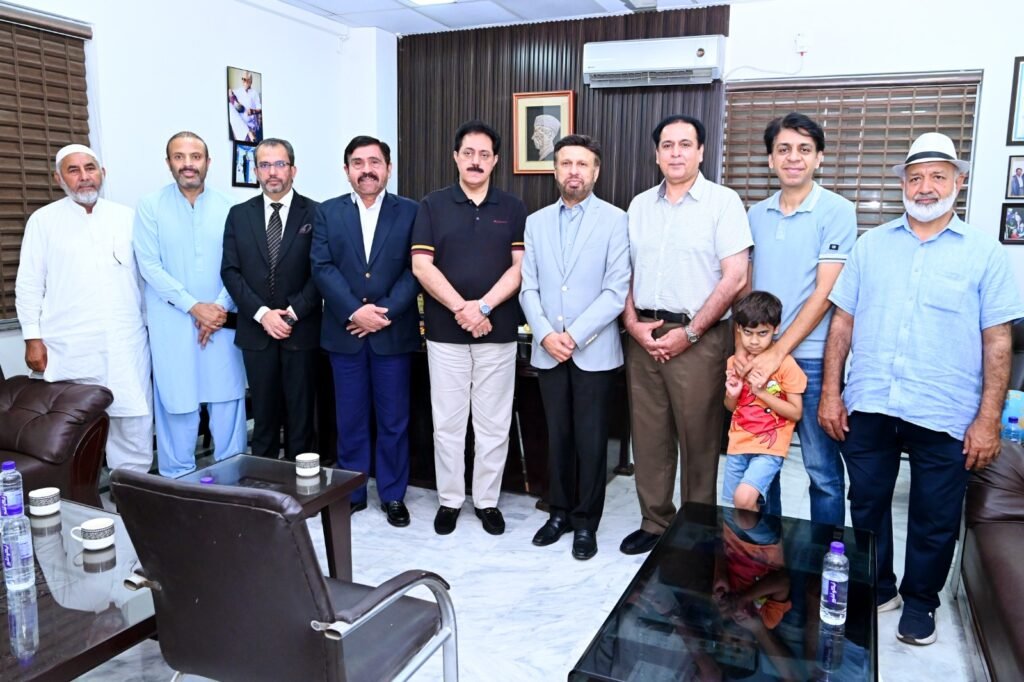
RAWALPINDI — A delegation from the Rawalpindi Chamber of Commerce and Industry (RCCI), led by Acting President Khalid Farooq Qazi, met with Member of Provincial Assembly (MPA) Raja Muhammad Hanif on July 13 to discuss pressing issues impacting the business community. The meeting focused on provincial taxes, infrastructure development, and strengthening cooperation between the business sector and provincial government. What Happened The RCCI delegation, comprising key members of the business community, visited MPA Raja Muhammad Hanif to address several challenges faced by local businesses. The primary topics of discussion included the burden of provincial taxes, the need for timely completion of infrastructure projects such as underpasses, and other ongoing development initiatives that are crucial for facilitating business operations in Rawalpindi. Acting President Khalid Farooq Qazi emphasized the importance of a supportive regulatory environment to foster business growth. “The business community is eager to work with the government to create a more conducive environment for economic activities,” Qazi stated during the meeting. MPA Raja Muhammad Hanif acknowledged the concerns raised by the RCCI delegation and assured them of his commitment to addressing these issues. He highlighted the government’s efforts in streamlining tax processes and accelerating infrastructure projects. “We are committed to resolving these issues and ensuring that the business community can thrive,” Hanif remarked. The meeting also explored potential areas of collaboration between the RCCI and the provincial government to enhance economic development in the region. Both parties agreed on the necessity of regular communication to address ongoing concerns and to work towards mutual goals. Background The Rawalpindi Chamber of Commerce and Industry has been a pivotal institution representing the interests of the business community in the region. It regularly engages with government officials to advocate for policies that support economic growth and address the challenges faced by businesses. In recent years, businesses in Rawalpindi have faced several hurdles, including high taxation rates and delays in infrastructure projects. These challenges have been compounded by the broader economic difficulties facing Pakistan, such as inflation and currency depreciation. Infrastructure development, particularly the completion of underpasses and road networks, has been a recurring issue for businesses in Rawalpindi. Delays in these projects have affected logistics and the overall efficiency of business operations. Why It Matters The engagement between the RCCI and MPA Raja Muhammad Hanif is significant as it underscores the ongoing dialogue between the business community and government officials. Effective communication and collaboration are essential for addressing the economic challenges faced by businesses and for fostering a supportive environment for growth. Provincial taxes have long been a point of contention for businesses, as they directly impact profitability and competitiveness. By addressing these concerns, the government can help alleviate some of the financial burdens on businesses, potentially leading to increased investment and job creation. Moreover, the timely completion of infrastructure projects is critical for improving logistics and reducing operational costs. Efficient transportation networks are vital for businesses to access markets and resources, thereby enhancing their competitiveness. This meeting also highlights the broader economic context in which businesses operate in Pakistan. With the country facing economic challenges, including inflation and currency volatility, collaboration between the public and private sectors is more important than ever to ensure sustainable economic growth. Key Takeaways The RCCI delegation met with MPA Raja Muhammad Hanif to discuss business challenges in Rawalpindi. Key issues included provincial taxes and the completion of infrastructure projects. Both parties agreed on the importance of regular communication and collaboration. Addressing these issues is crucial for fostering a supportive business environment. The meeting reflects the broader economic challenges faced by businesses in Pakistan. Source Attribution This article is based on official government statements, press releases, and public communications from relevant authorities. Author: NEN Editorial Desk | Editor: NEN Newsroom | Fact Checked By: NEN Editorial Team Author: NEN Editorial Desk  |  Editor: NEN Newsroom  |  Last Updated: July 13, 2026  |  Source: NEN Reporter This article was produced by the NEN Editorial Desk in accordance with NEN Agency’s Editorial Policy and Fact-Checking Policy.

PM Shehbaz Sharif, Muslim League SG Commit to Education and Interfaith Harmony
Pakistan

PM Shehbaz Sharif, Muslim League SG Commit to Education and Interfaith Harmony

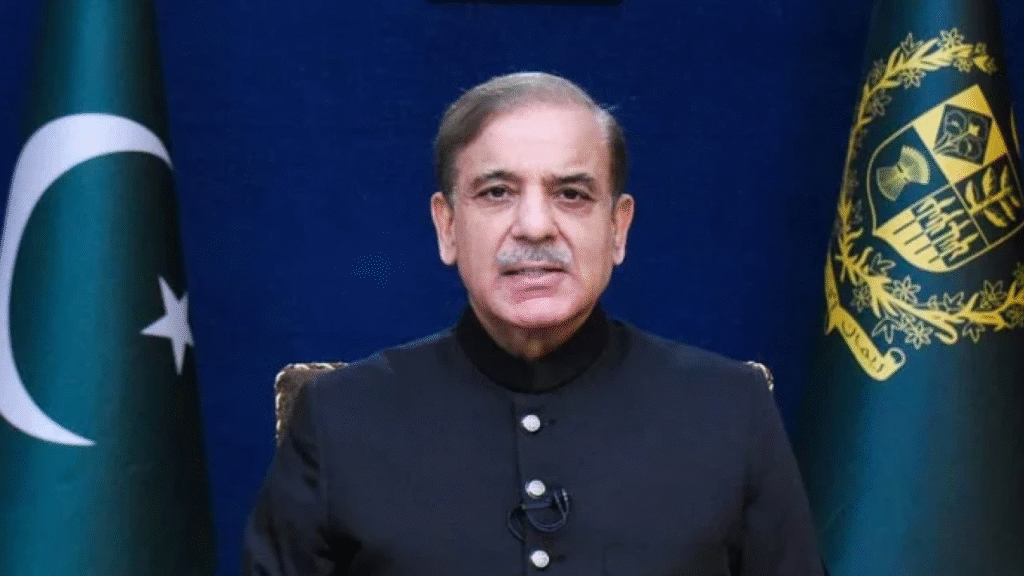
ISLAMABAD — Prime Minister Shehbaz Sharif and Sheikh Dr Mohammad bin Abdulkarim Al-Issa, Secretary General of the Muslim World League, reaffirmed their commitment to advancing education and promoting interfaith harmony during a meeting on Monday. The leaders emphasized the importance of unity across the Muslim Ummah, highlighting their shared goals to foster peace and understanding among diverse communities. What Happened In a meeting held in Islamabad, Prime Minister Shehbaz Sharif and Sheikh Dr Mohammad bin Abdulkarim Al-Issa discussed various initiatives aimed at promoting education and interfaith harmony. The meeting underscored the necessity of collaborative efforts to address challenges faced by the Muslim community globally. Prime Minister Sharif stated, “Our commitment to education and interfaith harmony is unwavering, and it is essential for the progress and unity of the Muslim Ummah.” Sheikh Al-Issa echoed these sentiments, emphasizing the role of education in bridging cultural and religious divides. The discussions also touched upon strategies to enhance educational opportunities for young people within the Muslim world. Both leaders recognized that education is a powerful tool for empowerment and social cohesion. They agreed on the need for educational reforms that cater to the diverse needs of Muslim communities, ensuring that young people have access to quality education that prepares them for the challenges of the modern world. Furthermore, the leaders highlighted the importance of fostering interfaith dialogue as a means to promote peace and understanding. They acknowledged the diversity within the Muslim community and stressed the importance of respecting different cultural and religious traditions. Prime Minister Sharif noted, “Interfaith harmony is crucial for global peace, and we must work together to promote mutual respect and understanding among all communities.” Background The Muslim World League, an international non-governmental organization based in Mecca, Saudi Arabia, has been actively involved in promoting Islamic teachings and fostering interfaith dialogue since its establishment in 1962. The organization works to present a moderate image of Islam and counter extremist ideologies. In recent years, the League has intensified its efforts to engage with various religious communities to promote peace and understanding. Pakistan, under the leadership of Prime Minister Shehbaz Sharif, has also been actively promoting education and interfaith harmony. The government has launched several initiatives aimed at improving educational infrastructure and access, particularly in underprivileged areas. Additionally, Pakistan has hosted numerous interfaith conferences and dialogues to foster understanding among different religious communities. Why It Matters The commitment of Pakistan and the Muslim World League to advancing education and interfaith harmony holds significant implications for both the Muslim community and the broader international community. Education is a fundamental driver of socio-economic development, and by prioritizing educational reforms, these leaders aim to empower young people and equip them with the skills needed to thrive in a rapidly changing world. This focus on education can lead to improved economic opportunities and reduce poverty levels within the Muslim world. Moreover, promoting interfaith harmony is crucial in an increasingly interconnected world where religious and cultural tensions can lead to conflict. By fostering dialogue and understanding, Pakistan and the Muslim World League aim to build bridges between different communities, promoting peace and stability. This initiative aligns with global efforts to combat extremism and promote tolerance and inclusivity. The collaboration between Pakistan and the Muslim World League also highlights the potential for international partnerships in addressing common challenges. By working together, these entities can leverage their resources and expertise to implement effective solutions that benefit the Muslim community and contribute to global peace efforts. Key Takeaways Prime Minister Shehbaz Sharif and Sheikh Dr Mohammad bin Abdulkarim Al-Issa reaffirmed their commitment to education and interfaith harmony. The leaders emphasized the importance of unity across the Muslim Ummah to address global challenges. Education is seen as a key tool for empowerment and social cohesion within the Muslim community. Interfaith dialogue is crucial for promoting peace and understanding among diverse communities. The collaboration highlights the potential for international partnerships in addressing common challenges. Source Attribution This article is based on official government statements and public communications from relevant authorities. Author: NEN Editorial Desk | Editor: NEN Newsroom | Fact Checked By: NEN Editorial Team Author: NEN Editorial Desk  |  Editor: NEN Newsroom  |  Last Updated: July 13, 2026  |  Source: NEN Reporter This article was produced by the NEN Editorial Desk in accordance with NEN Agency’s Editorial Policy and Fact-Checking Policy.
PSX Suffers Major Decline, Loses Over 2,314 Points
Pakistan

PSX Suffers Major Decline, Loses Over 2,314 Points

ISLAMABAD — The Pakistan Stock Exchange (PSX) experienced a significant downturn on Monday, as the benchmark KSE-100 Index plummeted by 2,314.73 points. This marked a 1.27 percent decrease, closing at 179,927.05 points compared to the previous day’s 182,241.78 points. What Happened The PSX’s sharp decline on Monday reflects a bearish trend that has gripped the market, causing concern among investors and stakeholders. The KSE-100 Index’s drop of over 2,314 points is one of the most substantial declines in recent months, signaling potential instability in the market. The index, which is a key indicator of market performance, saw significant losses across various sectors, contributing to the overall downturn. Market analysts attribute this decline to several factors, including political uncertainty, economic challenges, and global market trends. The ongoing economic reforms and fiscal policies have also played a role in shaping investor sentiment. “The market is reacting to both domestic and international pressures,” said a financial analyst. “Investors are cautious due to the current political climate and economic policies that are yet to show tangible results.” Additionally, the global economic environment, marked by fluctuations in oil prices and geopolitical tensions, has influenced investor behavior. The PSX’s performance is often seen as a barometer of the country’s economic health, and such a significant drop raises questions about the underlying economic conditions. Background The Pakistan Stock Exchange has faced several challenges in recent years, including economic instability and political uncertainty. Historically, the PSX has been sensitive to changes in government policies and international economic trends. The KSE-100 Index, which comprises the top 100 companies listed on the exchange, serves as a benchmark for market performance and investor confidence. In the past, the PSX has experienced fluctuations due to various factors, such as changes in government leadership, fiscal policies, and international market dynamics. The current decline can be seen in the context of ongoing economic reforms aimed at stabilizing the economy and attracting foreign investment. Why It Matters The significant drop in the PSX is a cause for concern for both domestic and international investors. Economically, a declining stock market can impact investor confidence, leading to reduced investment and slower economic growth. The PSX’s performance is often viewed as an indicator of the country’s economic stability, and a continued bearish trend could deter potential investors. Socially, the decline in the stock market can affect public sentiment, as many individuals and institutions have investments tied to the market’s performance. A prolonged downturn could lead to financial losses for investors, impacting their financial well-being and spending power. Politically, the PSX’s performance can influence government policies and decision-making. A struggling stock market may prompt the government to implement measures aimed at boosting investor confidence and stabilizing the economy. This could include policy adjustments, economic reforms, or incentives to attract foreign investment. Internationally, the PSX’s performance is closely monitored by foreign investors and financial institutions. A significant decline could affect Pakistan’s standing in global markets and its ability to attract foreign investment. It may also influence the country’s credit rating and borrowing capacity, impacting its economic trajectory. Key Takeaways The PSX experienced a significant decline, losing over 2,314 points on Monday. The KSE-100 Index closed at 179,927.05 points, a 1.27 percent decrease. Factors such as political uncertainty and global market trends contributed to the downturn. The decline raises concerns about investor confidence and economic stability. Government policies and international investment may be influenced by the PSX’s performance. Source Attribution This article is based on official government statements, press releases, and public communications from relevant authorities. Author: NEN Editorial Desk | Editor: NEN Newsroom | Fact Checked By: NEN Editorial Team Author: NEN Editorial Desk  |  Editor: NEN Newsroom  |  Last Updated: July 13, 2026  |  Source: NEN Reporter This article was produced by the NEN Editorial Desk in accordance with NEN Agency’s Editorial Policy and Fact-Checking Policy.
Karachi Port Handles Mega Vessel MSC Erica, Showcasing Capacity
Pakistan

Karachi Port Handles Mega Vessel MSC Erica, Showcasing Capacity

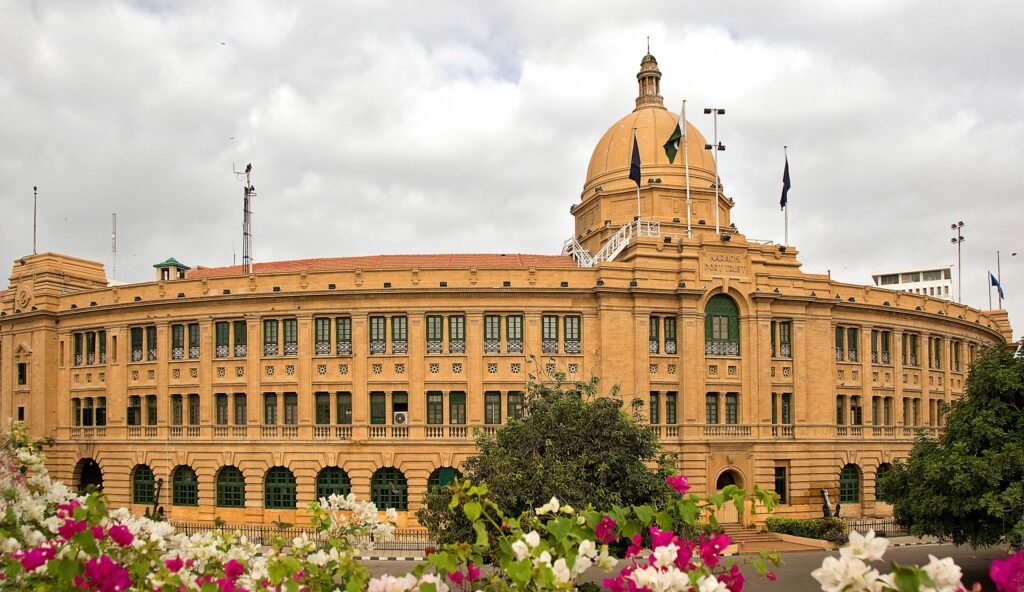
KARACHI — Karachi Port Trust is currently handling one of the world’s largest container vessels, the MSC Erica, which arrived at the South Asia Pakistan Terminals Limited (SAPTL) on July 12, 2026. This event underscores the port’s capability to manage ultra-large container ships, a significant achievement for Pakistan’s maritime infrastructure. What Happened The MSC Erica, a mega vessel measuring 398.5 meters in length, docked at Karachi Port, marking a notable event in the port’s operational history. The vessel, which boasts a beam of 59 meters and a draught of 12 meters, has a carrying capacity of 20,000 TEUs and a gross tonnage of 194,308 metric tons. During its stay, over 3,000 containers are expected to be handled, according to the Karachi Port Trust’s statement. The arrival of MSC Erica is not just a routine docking but a testament to the port’s enhanced capabilities. The Master of MSC Erica praised the Karachi Port Pilots for their exemplary professionalism and safe ship handling. He described Karachi Port as one of the best in the region, highlighting the port’s warm hospitality and efficient operations. After completing its cargo operations at Karachi Port, MSC Erica is scheduled to sail onward to Dalian, China. This seamless transition of cargo operations indicates the port’s readiness to handle international maritime traffic efficiently. Background Karachi Port has long been a pivotal maritime hub in Pakistan, playing a crucial role in the country’s trade and logistics. Over the years, the port has undergone significant upgrades to accommodate larger vessels, in line with global shipping trends that favor economies of scale. The ability to handle vessels like the MSC Erica is a result of these strategic developments. Historically, Karachi Port has been central to Pakistan’s import and export activities, facilitating trade routes that connect South Asia with the rest of the world. The port’s infrastructure has been continually improved to meet the demands of increasing maritime traffic and larger ships. Why It Matters The successful docking and handling of the MSC Erica at Karachi Port have several implications for Pakistan’s maritime and economic landscape. Firstly, it demonstrates the port’s capacity to handle some of the largest container ships in the world, which is crucial for maintaining competitive trade operations on an international scale. Economically, the ability to accommodate such large vessels can lead to increased trade volumes, reduced shipping costs per container, and improved efficiency in cargo handling. This can enhance Pakistan’s position as a key player in regional and global trade networks, potentially attracting more shipping lines to choose Karachi as a preferred port of call. Socially, the increased activity at the port can lead to job creation and economic opportunities for the local population. The port’s operations can stimulate related sectors, such as logistics, transportation, and warehousing, contributing to economic growth and development in the region. On an international level, Karachi Port’s capability to handle mega vessels like the MSC Erica positions Pakistan as a significant maritime hub in South Asia. This can lead to stronger trade ties with countries in the region and beyond, fostering economic cooperation and integration. Key Takeaways Karachi Port successfully handled the mega vessel MSC Erica, showcasing its capacity to manage ultra-large container ships. The MSC Erica, with a length of 398.5 meters and a capacity of 20,000 TEUs, is one of the world’s largest container vessels. The port’s ability to accommodate such large ships highlights its strategic importance in global trade networks. This development can lead to increased trade volumes, reduced shipping costs, and economic growth for Pakistan. Karachi Port’s enhanced capabilities position it as a significant maritime hub in South Asia. Source Attribution This article is based on official government statements, press releases, and public communications from relevant authorities. Author: NEN Editorial Desk | Editor: NEN Newsroom | Fact Checked By: NEN Editorial Team Author: NEN Editorial Desk  |  Editor: NEN Newsroom  |  Last Updated: July 13, 2026  |  Source: Press Release from Government of Pakistan This article was produced by the NEN Editorial Desk in accordance with NEN Agency’s Editorial Policy and Fact-Checking Policy.

FPCCI Emphasizes Need for Advanced Energy Storage Technologies
Pakistan

FPCCI Emphasizes Need for Advanced Energy Storage Technologies

ISLAMABAD — The Federation of Pakistan Chambers of Commerce and Industry (FPCCI) has underscored the critical role of advanced energy storage technologies in bolstering Pakistan’s industrial competitiveness. On Monday, FPCCI Regional Chairman and Vice President Zaki Aijaz stressed the importance of innovation and renewable energy in ensuring long-term energy security and facilitating the country’s transition to a sustainable economy. What Happened Zaki Aijaz, speaking on behalf of the FPCCI, highlighted the necessity of adopting advanced energy storage solutions to address Pakistan’s energy challenges. He pointed out that these technologies are vital for enhancing the efficiency of renewable energy systems and ensuring a reliable power supply. “Innovation in energy storage is not just a technological advancement; it is a strategic imperative for our industrial sector,” Aijaz stated. The FPCCI’s focus on energy storage comes amid growing concerns over Pakistan’s energy security and the need to diversify energy sources. The organization advocates for the integration of cutting-edge storage solutions to complement the nation’s renewable energy initiatives. Aijaz emphasized that such technologies could significantly reduce energy costs and improve the reliability of power supply, which are crucial for industrial growth and competitiveness. The FPCCI also called for increased investment and policy support to promote the development and deployment of energy storage technologies. Aijaz urged the government and private sector to collaborate in fostering an environment conducive to innovation and technological advancement. He noted that successful implementation of these technologies would position Pakistan as a leader in sustainable energy within the region. Background Pakistan’s energy sector has historically faced numerous challenges, including frequent power outages, reliance on imported fuels, and an inadequate infrastructure to support renewable energy. The government has been working to address these issues through various initiatives aimed at increasing the share of renewable energy in the national energy mix. In recent years, Pakistan has made strides in expanding its renewable energy capacity, particularly in solar and wind power. However, the intermittent nature of these energy sources necessitates effective storage solutions to ensure a stable and continuous power supply. Advanced energy storage technologies, such as lithium-ion batteries and other innovative solutions, have the potential to bridge this gap. The FPCCI’s advocacy for energy storage technologies aligns with the country’s broader energy policy objectives, which include reducing dependency on fossil fuels, enhancing energy efficiency, and promoting sustainable economic growth. Why It Matters The emphasis on advanced energy storage technologies is significant for several reasons. Economically, it promises to reduce energy costs for industries, which can enhance their competitiveness both locally and internationally. By ensuring a stable power supply, industries can operate more efficiently, reducing downtime and increasing productivity. Socially, improved energy storage solutions can lead to better energy access for communities across Pakistan. Reliable power can improve quality of life, support educational initiatives, and enable healthcare facilities to function more effectively. This is particularly crucial in rural and underserved areas where energy access remains limited. Politically, advancing energy storage technologies can strengthen Pakistan’s energy independence, reducing reliance on imported fuels and enhancing national security. By investing in local energy solutions, Pakistan can mitigate the risks associated with global energy market fluctuations. Internationally, Pakistan’s commitment to renewable energy and advanced storage technologies can enhance its standing as a responsible member of the global community committed to addressing climate change. This can open doors to international partnerships and funding opportunities, further accelerating the country’s energy transition. Key Takeaways FPCCI emphasizes the importance of advanced energy storage technologies for industrial competitiveness and energy security. Adoption of these technologies is crucial for supporting Pakistan’s renewable energy initiatives. Investment and policy support are needed to promote the development of energy storage solutions. Improved energy storage can enhance economic, social, and political stability in Pakistan. Pakistan’s commitment to energy innovation can bolster its international standing and attract global partnerships. Source Attribution The article is based on official statements and public communications from the Federation of Pakistan Chambers of Commerce and Industry (FPCCI). Author: NEN Editorial Desk | Editor: NEN Newsroom | Fact Checked By: NEN Editorial Team Author: NEN Editorial Desk  |  Editor: NEN Newsroom  |  Last Updated: July 13, 2026  |  Source: NEN Reporter This article was produced by the NEN Editorial Desk in accordance with NEN Agency’s Editorial Policy and Fact-Checking Policy.

FWCCI Sets 2026-28 Election Schedule for Executive Committee
Pakistan

FWCCI Sets 2026-28 Election Schedule for Executive Committee

FAISALABAD — The Faisalabad Women Chamber of Commerce & Industry (FWCCI) has officially announced the election schedule for its Executive Committee for the 2026-28 term. This announcement marks the beginning of a transparent electoral process in line with the Trade Organizations Act and relevant regulations. What Happened The FWCCI, a pivotal body representing women entrepreneurs in Faisalabad, has laid out a detailed timetable for the upcoming elections. The process is designed to ensure fair representation and governance within the chamber. According to the schedule, nominations will be accepted starting from January 5, 2026, with the final list of candidates to be announced by February 15, 2026. The elections are slated to take place on March 10, 2026. FWCCI President, addressing the media, emphasized the importance of this electoral process in fostering a democratic culture within the organization. “The election process is crucial for maintaining transparency and accountability in our chamber,” she stated. The election will be conducted under the supervision of an independent election commission to ensure impartiality and adherence to the established rules. The Executive Committee, once elected, will be responsible for steering the chamber’s activities, advocating for women’s economic empowerment, and addressing the challenges faced by women entrepreneurs in the region. The committee will consist of members elected from various sectors, reflecting the diverse interests and expertise within the chamber. Background Established in 2003, the FWCCI has been instrumental in promoting the interests of women in business across Faisalabad. The chamber operates under the Trade Organizations Act, which mandates regular elections to ensure democratic governance. The Act provides a framework for the formation and functioning of trade bodies, ensuring they operate transparently and effectively represent their members’ interests. Historically, the FWCCI has played a significant role in advocating for policy changes that benefit women entrepreneurs, including efforts to improve access to finance, training, and market opportunities. The chamber’s elections are a critical component of its governance, ensuring that leadership remains accountable to its members. Why It Matters The upcoming elections are significant for several reasons. Firstly, they underscore the commitment of the FWCCI to uphold democratic principles and transparency within its operations. This is particularly important in a region where women’s participation in business and leadership roles is still evolving. Economically, the FWCCI’s leadership plays a vital role in shaping policies that affect women entrepreneurs, who are an essential part of Faisalabad’s economic fabric. By ensuring a fair and transparent election process, the chamber can continue to advocate effectively for policies that support business growth and women’s empowerment. Socially, the elections highlight the progress being made in gender inclusivity within the business community. The FWCCI provides a platform for women to voice their concerns and influence decisions that affect their economic opportunities. This is crucial in a society where gender disparities in business can be pronounced. Politically, the elections will demonstrate the chamber’s ability to self-regulate and maintain credibility among its stakeholders, including government bodies, financial institutions, and international partners. A successful election process will enhance the chamber’s reputation and its ability to attract support for its initiatives. Key Takeaways FWCCI has announced its election schedule for the 2026-28 term. The process will begin with nominations on January 5, 2026, and elections on March 10, 2026. The elections are guided by the Trade Organizations Act to ensure transparency. The newly elected Executive Committee will focus on women’s economic empowerment. The elections are crucial for maintaining the chamber’s democratic governance. Source Attribution This article is based on official statements and public communications from the Faisalabad Women Chamber of Commerce & Industry. Author: NEN Editorial Desk | Editor: NEN Newsroom | Fact Checked By: NEN Editorial Team Author: NEN Editorial Desk  |  Editor: NEN Newsroom  |  Last Updated: July 13, 2026  |  Source: NEN Reporter This article was produced by the NEN Editorial Desk in accordance with NEN Agency’s Editorial Policy and Fact-Checking Policy.
Select Technologies Raises Rs 3 Billion in Successful IPO
Pakistan

Select Technologies Raises Rs 3 Billion in Successful IPO

ISLAMABAD — Select Technologies Limited has successfully completed its Initial Public Offering (IPO), raising Rs 3.02 billion. The Pakistan Stock Exchange (PSX) hosted a gong ceremony on Monday to commemorate the first listing of the new fiscal year 2026-27. What Happened Select Technologies Limited, a prominent player in Pakistan’s technology sector, has marked a significant milestone by completing its IPO, which resulted in raising Rs 3.02 billion. The IPO was conducted on the Pakistan Stock Exchange (PSX), which organized a gong ceremony to celebrate the occasion, marking the first listing of the fiscal year 2026-27. This development underscores the growing investor confidence in the technology sector and highlights the company’s strategic growth trajectory. The IPO saw substantial interest from both institutional and retail investors, reflecting the market’s positive sentiment towards the company’s future prospects. The funds raised through this public offering are expected to be utilized for expanding the company’s operational capabilities, investing in new technologies, and enhancing its market presence. The PSX has been actively promoting such listings to encourage more companies to go public, thereby increasing market liquidity and offering investors a diverse range of investment opportunities. The successful completion of Select Technologies’ IPO is seen as a positive indicator for the market, potentially paving the way for more technology firms to consider public listings. Background Select Technologies Limited has been a key player in the technology sector, focusing on innovative solutions and services. The company has seen significant growth over the past few years, driven by an increasing demand for technology-driven solutions across various industries in Pakistan. This IPO is part of the company’s broader strategy to capitalize on the growing market opportunities and to further strengthen its financial position. The Pakistan Stock Exchange has been working towards enhancing its regulatory framework and market infrastructure to facilitate more IPOs. In recent years, the PSX has seen a surge in listings, particularly from the technology sector, which is rapidly becoming a vital component of the national economy. Why It Matters The successful IPO of Select Technologies Limited is significant for several reasons. Economically, it reflects the robust growth potential of Pakistan’s technology sector, which is increasingly attracting both local and international investment. This trend is crucial for diversifying the country’s economic base and reducing reliance on traditional sectors such as agriculture and textiles. Socially, the expansion of technology companies like Select Technologies can lead to job creation and skill development, particularly in the fields of information technology and digital services. This can contribute to addressing the unemployment challenges faced by the country’s burgeoning youth population. Politically, the successful listing of technology firms on the PSX can enhance investor confidence in Pakistan’s economic policies and regulatory environment. It signals to the international community that Pakistan is a viable destination for investment in emerging sectors, potentially leading to increased foreign direct investment. Internationally, the growth of Pakistan’s technology sector positions the country as a competitive player in the global tech market. This can lead to increased exports of technology services and products, contributing positively to the country’s trade balance. Key Takeaways Select Technologies Limited raised Rs 3.02 billion through its IPO. The IPO was the first listing of the fiscal year 2026-27 on the PSX. The funds will be used to expand operations and invest in new technologies. The successful IPO reflects growing investor confidence in Pakistan’s tech sector. This development is expected to encourage more tech firms to consider public listings. Source Attribution This article is based on official government statements, press releases, and public communications from relevant authorities. Author: NEN Editorial Desk | Editor: NEN Newsroom | Fact Checked By: NEN Editorial Team Author: NEN Editorial Desk  |  Editor: NEN Newsroom  |  Last Updated: July 13, 2026  |  Source: NEN Reporter This article was produced by the NEN Editorial Desk in accordance with NEN Agency’s Editorial Policy and Fact-Checking Policy.

FPCCI Urges Economic Safeguards Amid Middle East Tensions
World

FPCCI Urges Economic Safeguards Amid Middle East Tensions

KARACHI — The Federation of Pakistan Chambers of Commerce and Industry (FPCCI) has called on the government to implement measures to shield the national economy from the potential repercussions of escalating tensions in the Middle East. On Monday, FPCCI President Atif Ikram Sheikh highlighted the need for a strategic economic response to the growing discord between the United States and Iran. What Happened The FPCCI, representing Pakistan’s business community, has expressed significant concern over the recent rise in geopolitical tensions between the United States and Iran. In a statement issued in Karachi, FPCCI President Atif Ikram Sheikh emphasized the urgent need for Pakistan to adopt proactive macroeconomic strategies to mitigate any adverse effects on its economy. Sheikh stated, “The current situation in the Middle East poses a serious threat to global economic stability, and Pakistan must be prepared to handle potential economic shocks.” The FPCCI’s call for action comes amid fears that the renewed crisis in the Middle East could disrupt global oil supplies, leading to increased energy prices and inflationary pressures in Pakistan. The business body has urged economic policymakers to devise a comprehensive crisis-response strategy that includes measures to stabilize the currency, manage inflation, and ensure the continuity of trade and investment flows. Sheikh further noted that the situation demands a coordinated approach involving both the government and private sector stakeholders to ensure that the country’s economic interests are safeguarded. He stressed the importance of maintaining investor confidence and preventing any disruptions to Pakistan’s economic growth trajectory. Background The tensions between the United States and Iran have been escalating over the past few months, with both countries engaging in a series of confrontations. The situation has raised concerns about the stability of the Middle East, a region that is crucial for global energy supplies. Historically, geopolitical conflicts in the Middle East have had significant impacts on global oil prices, which in turn affect economies worldwide, including Pakistan’s. Pakistan’s economy is particularly vulnerable to fluctuations in oil prices due to its reliance on imported energy. In the past, similar geopolitical tensions have led to increased import bills and inflationary pressures, straining the country’s foreign exchange reserves and fiscal stability. Why It Matters The potential fallout from the Middle East crisis is a pressing concern for Pakistan, given its economic vulnerabilities. The country is already grappling with challenges such as high inflation, a depreciating currency, and a burgeoning fiscal deficit. Any further economic shocks could exacerbate these issues, affecting the livelihoods of millions of Pakistanis. Economically, a rise in global oil prices would increase Pakistan’s import costs, leading to higher inflation. This could erode purchasing power and increase the cost of living for citizens. Additionally, higher energy costs would impact industrial production, potentially slowing down economic growth and affecting employment rates. Politically, the government’s ability to manage the economic fallout from the Middle East tensions will be crucial in maintaining public confidence and stability. Failure to do so could lead to increased public dissatisfaction and political unrest. On an international level, Pakistan’s economic stability is vital for its trade partners and investors. Any disruption could affect regional trade dynamics and investor sentiment, impacting long-term economic prospects. Key Takeaways The FPCCI has urged the government to implement economic safeguards against Middle East tensions. Geopolitical conflicts could disrupt global oil supplies, affecting Pakistan’s economy. Pakistan’s reliance on imported energy makes it vulnerable to oil price fluctuations. Economic stability is crucial for maintaining public confidence and political stability. Proactive measures are needed to protect trade and investment flows. Source Attribution This article is based on official statements and public communications from the Federation of Pakistan Chambers of Commerce and Industry. Author: NEN Editorial Desk | Editor: NEN Newsroom | Fact Checked By: NEN Editorial Team Author: NEN Editorial Desk  |  Editor: NEN Newsroom  |  Last Updated: July 13, 2026  |  Source: NEN Reporter This article was produced by the NEN Editorial Desk in accordance with NEN Agency’s Editorial Policy and Fact-Checking Policy.

Tributes Paid to Mir Siraj Khan Raisani on Eighth Death Anniversary
Pakistan

Tributes Paid to Mir Siraj Khan Raisani on Eighth Death Anniversary

QUETTA — Nawabzada Amir Hamza Khan Zehri, a leader of the Pakistan Peoples Party (PPP) and provincial adviser for local governments and rural development, paid tribute to the late Nawabzada Mir Siraj Khan Raisani on his eighth death anniversary. Zehri highlighted Raisani’s ultimate sacrifice for the security, peace, and development of Pakistan during a commemorative event held on Monday. What Happened During the event in Quetta, Nawabzada Amir Hamza Khan Zehri emphasized the significant contributions of Mir Siraj Khan Raisani, who was martyred in a tragic attack on July 13, 2011. Raisani, a prominent political figure and leader of the Balochistan Awami Party (BAP), was known for his dedication to improving the socio-economic conditions in Balochistan, a province that has faced numerous challenges over the years. Zehri remarked, “Mir Siraj Khan Raisani’s sacrifice was not in vain. His commitment to peace and development continues to inspire us all.” Raisani’s efforts were particularly focused on fostering unity and stability in a region often plagued by unrest. His assassination was a significant blow to the peace process in Balochistan, but his legacy continues to motivate political leaders and citizens alike. The event was attended by various political figures, community leaders, and citizens who gathered to honor Raisani’s memory. They reiterated the importance of continuing his mission for peace and development in Balochistan. The attendees also called for renewed efforts to address the underlying issues that have historically contributed to instability in the region. Background Mir Siraj Khan Raisani was a member of a prominent political family in Balochistan. His father, Nawab Ghous Bakhsh Raisani, was a well-respected leader, and his brother, Nawab Aslam Raisani, served as the Chief Minister of Balochistan. Mir Siraj Khan Raisani was known for his active involvement in politics and his efforts to promote education and development in his home province. On July 13, 2011, Raisani was killed in a suicide bombing during an election rally in Mastung, Balochistan. The attack, which claimed the lives of over 100 people, was one of the deadliest in the province’s history. It underscored the ongoing security challenges faced by political leaders in Balochistan and highlighted the need for comprehensive strategies to combat terrorism and promote peace. Why It Matters The commemoration of Mir Siraj Khan Raisani’s death anniversary serves as a reminder of the sacrifices made by those who have dedicated their lives to the betterment of Pakistan. Raisani’s assassination was a significant event that highlighted the persistent security threats in Balochistan and the broader implications for Pakistan’s stability. Politically, Raisani’s death was a turning point that galvanized efforts to address the root causes of violence in the region. His legacy continues to influence political discourse, with leaders emphasizing the need for unity and development to counteract extremist narratives. Economically, the instability in Balochistan has hindered investment and development efforts, making it crucial for policymakers to prioritize peace-building initiatives. Socially, Raisani’s commitment to education and development has inspired numerous initiatives aimed at improving the quality of life in Balochistan. His work underscores the importance of investing in human capital as a means of fostering long-term stability and prosperity. Key Takeaways Nawabzada Amir Hamza Khan Zehri paid tribute to Mir Siraj Khan Raisani on his eighth death anniversary. Raisani was a key political figure in Balochistan, known for his commitment to peace and development. His assassination in 2011 highlighted ongoing security challenges in the region. Raisani’s legacy continues to inspire efforts towards unity and socio-economic development in Balochistan. The commemoration underscores the need for continued focus on peace-building and addressing underlying issues in the province. Source Attribution This article is based on official government statements, press releases, and public communications from relevant authorities. Author: NEN Editorial Desk | Editor: NEN Newsroom | Fact Checked By: NEN Editorial Team Author: NEN Editorial Desk  |  Editor: NEN Newsroom  |  Last Updated: July 13, 2026  |  Source: NEN Reporter This article was produced by the NEN Editorial Desk in accordance with NEN Agency’s Editorial Policy and Fact-Checking Policy.

Pakistan, South Africa Under-19 Women’s Captains Discuss Upcoming T20 Series
Pakistan

Pakistan, South Africa Under-19 Women’s Captains Discuss Upcoming T20 Series

ISLAMABAD — Pakistan Under-19 Women’s Captain Fizza Fiaz and South Africa Under-19 Women’s Captain Mieke van Voorst addressed a press conference at the National Stadium ahead of their T20 series. The series is set to begin on October 20, 2023, and will feature a series of matches aimed at fostering young talent and providing international exposure to emerging players. What Happened During the press conference, both captains expressed enthusiasm for the upcoming matches. Fizza Fiaz highlighted the importance of the series for the development of women’s cricket in Pakistan. “This series is a great opportunity for our young players to showcase their talent on an international platform,” she stated. Mieke van Voorst echoed similar sentiments, emphasizing the experience her team hopes to gain from competing in different conditions. The series will consist of five T20 matches, with the first match scheduled for October 20 at the National Stadium in Karachi. The teams will also play matches in Lahore and Rawalpindi, providing a diverse experience of Pakistan’s cricketing venues. The series is part of a broader initiative to promote women’s cricket and encourage more participation at the grassroots level. Both teams have been preparing rigorously. The Pakistan squad has been undergoing intensive training sessions at the National Cricket Academy, focusing on improving their skills and strategies. The South African team, meanwhile, arrived in Pakistan earlier this week and has been acclimatizing to the local conditions through practice matches and training sessions. Background The Under-19 Women’s T20 series marks a significant step in the development of women’s cricket in Pakistan. Historically, women’s cricket has not received the same level of attention and investment as men’s cricket in the country. However, recent years have seen a concerted effort by the Pakistan Cricket Board (PCB) to change this narrative. Initiatives such as the Under-19 series are part of a strategic plan to nurture young talent and provide them with international exposure. South Africa has been a strong proponent of women’s cricket, with their national team consistently performing well on the international stage. The Under-19 series provides an opportunity for their younger players to gain valuable experience and continue the tradition of excellence. Why It Matters The Under-19 Women’s T20 series holds significant importance for several reasons. Economically, it represents an investment in the future of women’s cricket in Pakistan, with potential long-term benefits for the sport’s popularity and commercial viability. Socially, it serves as an inspiration for young girls across the country, demonstrating that cricket is a viable career path for women. Politically, the series is a testament to the improving security situation in Pakistan, allowing international teams to visit and compete. This could lead to more international tours and increased confidence in Pakistan as a safe destination for sports. Internationally, the series strengthens ties between Pakistan and South Africa, promoting cultural exchange and mutual respect through sports. It also aligns with global efforts to promote gender equality in sports, showcasing the potential of women’s cricket on the world stage. Key Takeaways The Under-19 Women’s T20 series between Pakistan and South Africa begins on October 20, 2023. The series aims to develop young talent and increase international exposure for women’s cricket. Matches will be held in Karachi, Lahore, and Rawalpindi, showcasing Pakistan’s cricketing infrastructure. The series is part of efforts by the PCB to promote women’s cricket in Pakistan. The event highlights improving security conditions in Pakistan, encouraging more international sports tours. Source Attribution This article is based on official statements and press releases from the Pakistan Cricket Board and relevant authorities. Author: NEN Editorial Desk | Editor: NEN Newsroom | Fact Checked By: NEN Editorial Team Author: NEN Editorial Desk  |  Editor: NEN Newsroom  |  Last Updated: July 13, 2026  |  Source: NEN Reporter This article was produced by the NEN Editorial Desk in accordance with NEN Agency’s Editorial Policy and Fact-Checking Policy.

Scroll to Top