
Author name: Yasir Zubairi

Yasir Zubairi is the founder and publisher of NEN Agency (News Era Network). He leads NEN's coverage of Pakistan's national affairs, economy, foreign relations and sports, and is responsible for the accuracy and standards of every story published on nenagency.com.

Pakistani Women in Adventure Sports Garner Global Recognition
World

Pakistani Women in Adventure Sports Garner Global Recognition

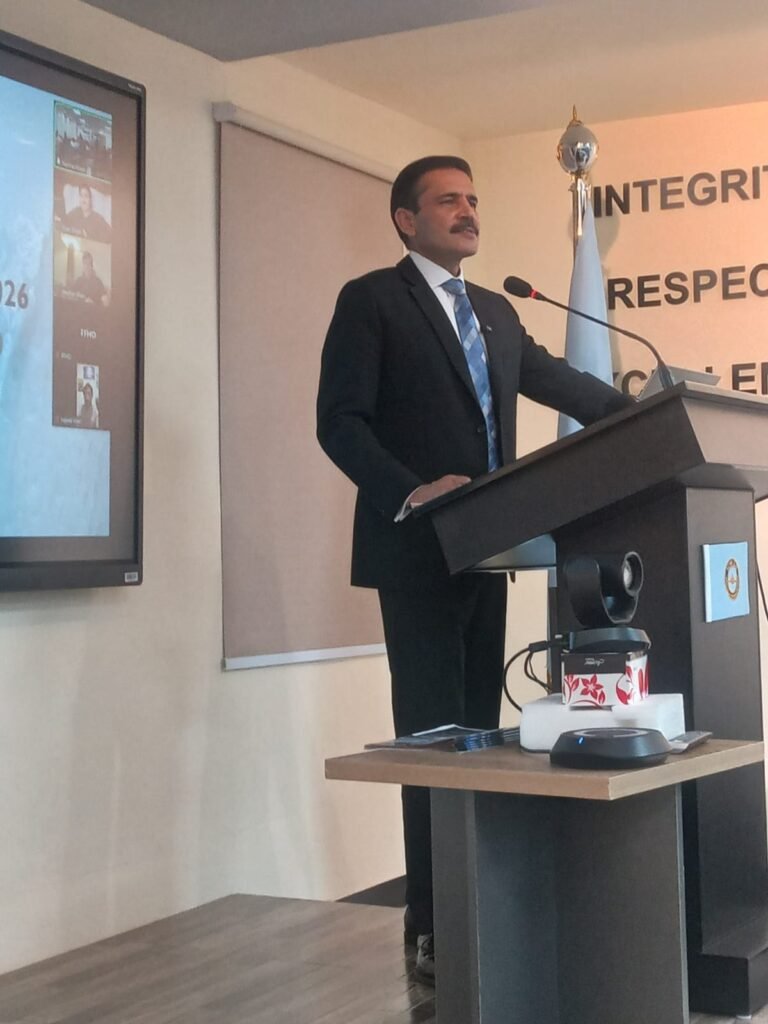
RAWALPINDI — Pakistani women are making significant strides in mountaineering and adventure sports, earning international acclaim and enhancing the country’s global image, according to Major General Irfan Arshad Khan, President of the Alpine Club of Pakistan (ACP). Speaking at a recent event, Major General Khan highlighted the remarkable achievements of Pakistani women in these fields, which are contributing to a positive national identity on the world stage. What Happened Major General Irfan Arshad Khan, during an announcement in Rawalpindi, praised the accomplishments of Pakistani women in mountaineering and adventure sports. He emphasized that their efforts have not only brought individual accolades but have also elevated Pakistan’s standing internationally. The event underscored the increasing participation of women in these challenging fields, traditionally dominated by men. Major General Khan noted, “Pakistani women have proven their mettle by conquering some of the world’s highest peaks and participating in various international adventure sports competitions. Their achievements are a testament to their resilience and determination.” He also mentioned that these accomplishments are fostering a new perception of Pakistan globally, one that is associated with courage and capability. The Alpine Club of Pakistan has been instrumental in promoting adventure sports and mountaineering in the country. It provides training and support to aspiring athletes, encouraging more women to participate in these activities. The club’s initiatives have been pivotal in nurturing talent and providing a platform for Pakistani women to showcase their skills on an international level. Background Pakistan is home to some of the world’s most formidable mountain ranges, including the Karakoram and the Himalayas. Despite the challenging terrain, the country has produced several renowned mountaineers. Historically, mountaineering and adventure sports have been male-dominated fields in Pakistan. However, recent years have seen a significant increase in female participation, driven by changing societal norms and increased support from organizations like the Alpine Club of Pakistan. The ACP, established in 1974, has played a crucial role in promoting these sports and supporting athletes. It organizes training camps, expeditions, and competitions, providing a platform for both men and women to excel. The club’s efforts have been instrumental in changing perceptions and encouraging more women to pursue careers in adventure sports. Why It Matters The achievements of Pakistani women in mountaineering and adventure sports carry significant implications for the country. Economically, these accomplishments can boost tourism, as Pakistan’s mountains become more attractive to international climbers and adventure enthusiasts. The increased visibility of Pakistani athletes on the global stage can draw attention to the country’s natural beauty and potential as a tourist destination. Socially, the success of women in these fields challenges traditional gender roles and inspires other women to pursue their passions, regardless of societal expectations. It highlights the potential for women to excel in any field, given the right opportunities and support. This shift in perception can lead to broader societal changes, promoting gender equality and empowering women across various sectors. Politically, the international recognition of Pakistani women athletes enhances the country’s image, presenting Pakistan as a nation of talent and potential. This positive portrayal can influence diplomatic relations and foster goodwill, as countries recognize Pakistan’s contributions to global sports and culture. Key Takeaways Pakistani women are gaining international recognition in mountaineering and adventure sports. The Alpine Club of Pakistan plays a key role in promoting these sports and supporting athletes. The achievements of women in these fields are challenging traditional gender roles in Pakistan. Success in adventure sports can boost tourism and enhance Pakistan’s global image. These developments contribute to broader societal changes, promoting gender equality. Source Attribution The article is based on official statements and public communications from the Alpine Club of Pakistan. Author: NEN Editorial Desk | Editor: NEN Newsroom | Fact Checked By: NEN Editorial Team Author: NEN Editorial Desk  |  Editor: NEN Newsroom  |  Last Updated: July 05, 2026  |  Source: NEN Reporter This article was produced by the NEN Editorial Desk in accordance with NEN Agency’s Editorial Policy and Fact-Checking Policy.

SP City Ayaz Evaluates Security Measures at Islamabad Religious Sites
Pakistan

SP City Ayaz Evaluates Security Measures at Islamabad Religious Sites

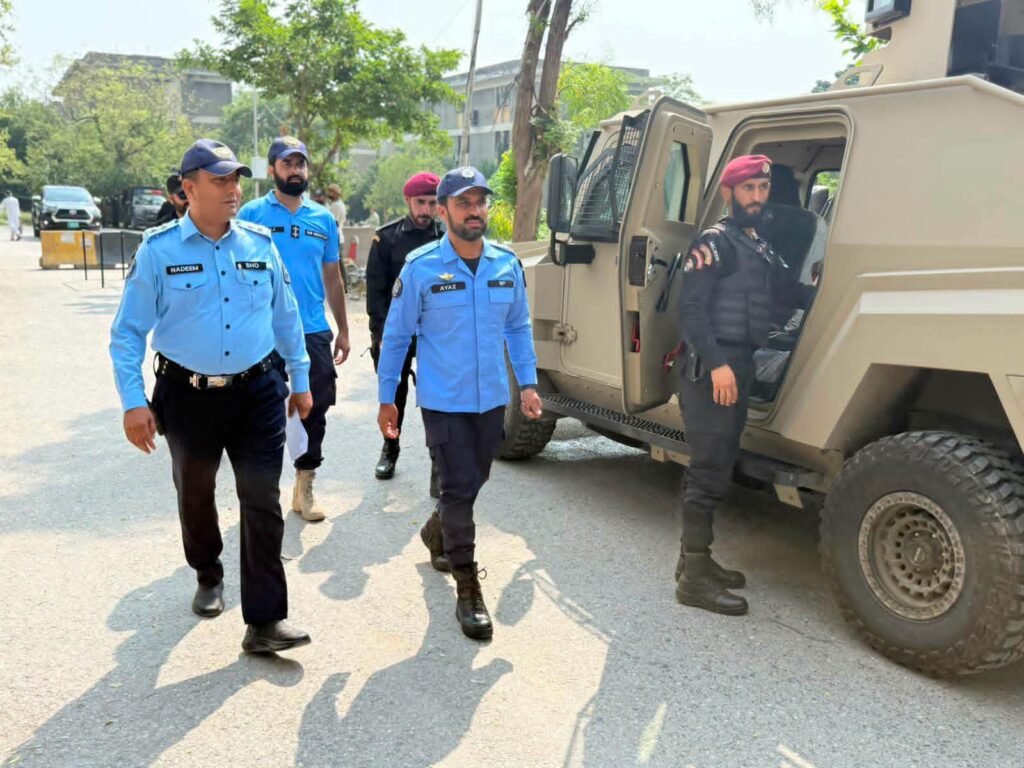
ISLAMABAD — Superintendent of Police (SP) City Zone Dr Ayaz Hussain conducted a comprehensive review of security arrangements at churches and Imambargahs in Islamabad on Sunday. The visit aimed to ensure the effective deployment of police personnel at these sensitive places of worship, amid heightened concerns for safety. What Happened SP City Zone Dr Ayaz Hussain undertook a thorough inspection of security protocols at various churches and Imambargahs across the federal capital. The visit was part of a broader initiative to bolster security measures at religious sites, particularly in light of recent global and regional security challenges. An official source confirmed that Dr Ayaz assessed the current security arrangements and discussed potential enhancements with on-site security teams. During his visit, Dr Ayaz emphasized the importance of vigilance and the need for a robust police presence to deter any potential threats. He instructed the officers to remain alert and responsive, ensuring that all security apparatus, including surveillance cameras and checkpoints, were fully operational. The SP also interacted with community leaders to understand their concerns and to assure them of the police department’s commitment to their safety. Dr Ayaz’s inspection covered several key areas, including the entry and exit points of these religious sites, the deployment of security personnel, and the functionality of existing surveillance systems. The SP highlighted the necessity of maintaining a visible police presence, particularly during religious gatherings, to reassure worshippers and deter any untoward incidents. Background Security at religious sites in Pakistan has been a critical concern due to past incidents of violence targeting such locations. The government has periodically reviewed and enhanced security measures, especially during religious festivals and events. Islamabad, being the federal capital, has been under constant surveillance to prevent any security lapses. The police department regularly updates its security protocols to adapt to emerging threats, ensuring the safety of citizens and visitors alike. Historically, Pakistan has faced challenges in safeguarding its diverse religious communities. The government has implemented various policies aimed at promoting interfaith harmony and protecting minority rights. These efforts include increased security measures at religious sites, community engagement programs, and legislative actions to curb hate speech and violence. Why It Matters The review of security measures at religious sites in Islamabad is significant given the ongoing global security concerns and the potential for religious sites to be targeted. Ensuring the safety of worshippers is crucial not only for maintaining public order but also for promoting religious harmony in a diverse society. The proactive approach by the police department reflects a commitment to safeguarding all communities, which is vital for fostering trust and cooperation between law enforcement agencies and the public. Economically, ensuring security at religious sites can have positive implications for tourism and local businesses. Many religious sites in Pakistan attract visitors from across the country and abroad, contributing to the local economy. By enhancing security, the government can reassure tourists and pilgrims of their safety, potentially boosting visitor numbers and economic activity. Politically, effective security measures at religious sites demonstrate the government’s commitment to protecting minority communities and upholding their rights. This can enhance Pakistan’s international image as a nation that values religious freedom and is proactive in addressing security challenges. It also aligns with broader national security strategies aimed at countering extremism and promoting peace. Key Takeaways SP City Zone Dr Ayaz Hussain reviewed security at churches and Imambargahs in Islamabad. The visit aimed to ensure effective police deployment and enhance security measures. Security at religious sites is crucial for promoting religious harmony and public safety. Enhanced security can positively impact tourism and local economies. Effective measures demonstrate the government’s commitment to protecting minority rights. Source Attribution This article is based on official government statements, press releases, and public communications from relevant authorities. Author: NEN Editorial Desk | Editor: NEN Newsroom | Fact Checked By: NEN Editorial Team Author: NEN Editorial Desk  |  Editor: NEN Newsroom  |  Last Updated: July 05, 2026  |  Source: NEN Reporter This article was produced by the NEN Editorial Desk in accordance with NEN Agency’s Editorial Policy and Fact-Checking Policy.
Made In Pakistan Campaign Aims To Boost Economy And Self-Reliance
Pakistan

Made In Pakistan Campaign Aims To Boost Economy And Self-Reliance

LAHORE — The Federation of Pakistan Chambers of Commerce and Industry (FPCCI) has launched the ‘Made in Pakistan’ campaign, aiming to bolster the national economy by promoting locally manufactured products. Shahid Imran, Convener of the FPCCI Regional Committee on Food, highlighted the potential of this initiative during a meeting with a delegation on Sunday, emphasizing its role in reducing reliance on imported goods. What Happened The ‘Made in Pakistan’ campaign, as described by Shahid Imran, seeks to encourage the consumption of locally produced goods, thereby strengthening the national economy. Speaking to a delegation in Lahore, Imran stated that the initiative could serve as a turning point for the country by promoting self-reliance and reducing dependency on foreign brands. The campaign is expected to not only support local industries but also create job opportunities and stimulate economic growth. Imran noted that the campaign aligns with the broader objectives of the FPCCI to enhance the competitiveness of Pakistani products in both domestic and international markets. He expressed optimism that increased local production would lead to a more resilient economy, capable of withstanding global economic fluctuations. “By prioritizing locally made products, we can ensure sustainable economic development and a stronger national identity,” Imran remarked. The initiative is particularly timely given the current economic challenges facing Pakistan, including a significant trade deficit and the devaluation of the Pakistani rupee. By focusing on local production, the FPCCI aims to address these issues by boosting exports and reducing the import bill. Background Pakistan has historically relied heavily on imports to meet its consumer demands, which has contributed to a persistent trade deficit. The country’s manufacturing sector has faced numerous challenges, including energy shortages, outdated infrastructure, and limited access to financing. These factors have hindered the growth of local industries and increased reliance on imported goods. In recent years, there has been a growing push towards economic self-reliance in Pakistan. Government initiatives have been introduced to support local industries, including tax incentives and subsidies for manufacturers. The ‘Made in Pakistan’ campaign is part of these broader efforts to revitalize the domestic economy and reduce the country’s trade imbalance. Why It Matters The ‘Made in Pakistan’ campaign is significant for several reasons. Economically, it could help reduce the trade deficit by decreasing the reliance on imports and boosting exports. This is crucial for stabilizing the national currency and improving the country’s balance of payments. A stronger manufacturing sector would also lead to job creation, addressing unemployment issues and contributing to poverty reduction. Socially, the campaign promotes national pride and identity by encouraging citizens to support local products. This could lead to a cultural shift towards valuing and prioritizing Pakistani goods, fostering a sense of community and shared purpose. Politically, the initiative aligns with the government’s broader goals of achieving economic stability and growth. By supporting local industries, the government can strengthen its position and credibility, both domestically and internationally, as it works towards sustainable development goals. Key Takeaways The ‘Made in Pakistan’ campaign aims to boost the national economy by promoting locally manufactured products. Shahid Imran of the FPCCI highlighted the initiative’s potential to reduce reliance on imported goods and promote self-reliance. The campaign is expected to create job opportunities and stimulate economic growth in Pakistan. It aligns with government efforts to address the trade deficit and stabilize the national currency. The initiative promotes national pride and identity by encouraging the consumption of Pakistani products. Source Attribution This article is based on official statements and public communications from the Federation of Pakistan Chambers of Commerce and Industry. Author: NEN Editorial Desk | Editor: NEN Newsroom | Fact Checked By: NEN Editorial Team Author: NEN Editorial Desk  |  Editor: NEN Newsroom  |  Last Updated: July 05, 2026  |  Source: NEN Reporter This article was produced by the NEN Editorial Desk in accordance with NEN Agency’s Editorial Policy and Fact-Checking Policy.
Prime Minister Concludes Two-Day Visit to Turkiye
Pakistan

Prime Minister Concludes Two-Day Visit to Turkiye

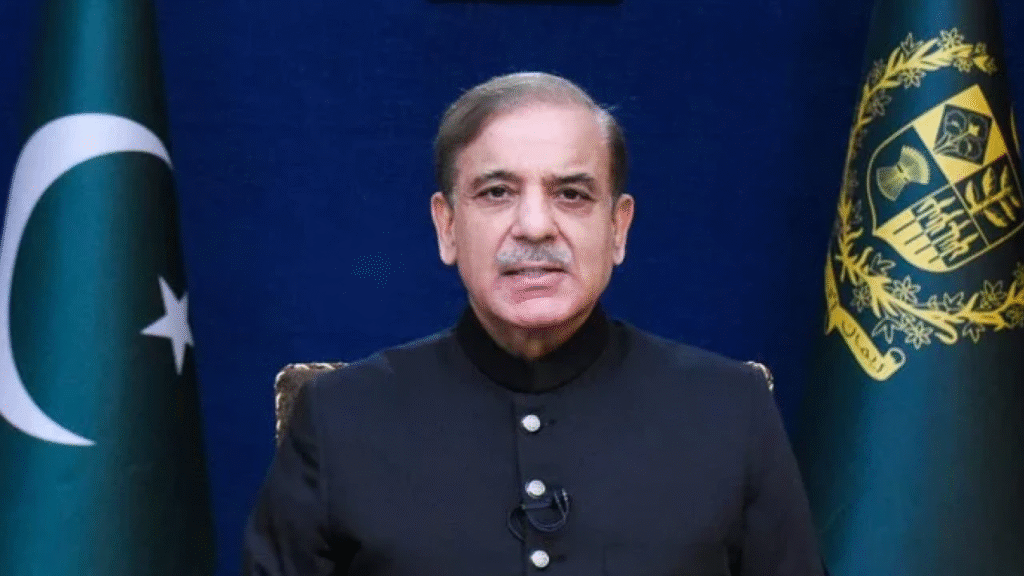
ISTANBUL — Prime Minister Shehbaz Sharif departed for Pakistan on Saturday after completing a two-day official visit to Turkiye. The visit included high-level meetings with Turkish President Recep Tayyip Erdogan and participation in the Pakistan-Türkiye Business Forum. What Happened Prime Minister Shehbaz Sharif’s visit to Turkiye was marked by a series of diplomatic and economic engagements aimed at strengthening bilateral ties. During his stay, he met with President Recep Tayyip Erdogan to discuss a wide range of issues, including trade, investment, and regional security. The leaders reaffirmed their commitment to enhancing cooperation in various sectors, emphasizing the historical and strategic partnership between the two nations. In addition to the diplomatic meetings, Prime Minister Sharif attended the Pakistan-Türkiye Business Forum, where he was accompanied by several federal ministers. The forum served as a platform to explore opportunities for increased economic collaboration between the two countries. Discussions focused on sectors such as energy, infrastructure, and technology, with both sides expressing optimism about future joint ventures. The Prime Minister’s visit also included a series of engagements with Turkish business leaders, aimed at attracting investment into Pakistan. He highlighted Pakistan’s strategic location and its potential as a gateway for trade with Central Asia and the Middle East. The discussions underscored the mutual benefits of enhanced economic ties, with an emphasis on creating a conducive environment for investors. Background Pakistan and Turkiye have a long-standing relationship characterized by mutual respect and cooperation. Over the years, both countries have collaborated on various fronts, including defense, education, and culture. The recent visit by Prime Minister Sharif is part of ongoing efforts to deepen these ties, building on previous agreements and initiatives. Historically, Turkiye has been a key ally of Pakistan, providing support in international forums and bilateral matters. The two nations have also engaged in numerous joint military exercises and defense collaborations, reflecting their strategic partnership. The economic relationship has seen steady growth, with trade volumes increasing in recent years. Why It Matters The visit by Prime Minister Shehbaz Sharif to Turkiye holds significant implications for both countries, particularly in the realm of economic cooperation. As Pakistan seeks to boost its economy, attracting foreign investment is crucial. The discussions held during the visit have the potential to pave the way for increased Turkish investment in Pakistan, which could lead to job creation and economic growth. For Turkiye, strengthening ties with Pakistan offers an opportunity to expand its influence in South Asia and tap into new markets. The strategic location of Pakistan provides Turkish businesses with access to the broader Asian region, enhancing trade prospects. Additionally, the collaboration between the two countries can contribute to regional stability, particularly in the context of shared security concerns. On a broader scale, the visit reinforces the importance of diplomatic engagement in fostering economic development and regional cooperation. By building on historical ties and exploring new avenues for collaboration, both Pakistan and Turkiye can benefit mutually, contributing to their respective national interests. Key Takeaways Prime Minister Shehbaz Sharif concluded a two-day official visit to Turkiye, focusing on strengthening bilateral ties. Meetings with President Recep Tayyip Erdogan and Turkish business leaders highlighted opportunities for enhanced economic cooperation. The Pakistan-Türkiye Business Forum served as a platform for exploring joint ventures in energy, infrastructure, and technology. The visit underscores the strategic partnership between the two nations and their commitment to regional stability. Increased Turkish investment in Pakistan could lead to economic growth and job creation. Source Attribution This article is based on official government statements, press releases, and public communications from relevant authorities. Author: NEN Editorial Desk | Editor: NEN Newsroom | Fact Checked By: NEN Editorial Team Author: NEN Editorial Desk  |  Editor: NEN Newsroom  |  Last Updated: July 05, 2026  |  Source: Press Release from Government of Pakistan This article was produced by the NEN Editorial Desk in accordance with NEN Agency’s Editorial Policy and Fact-Checking Policy.

Drug Supplier Sentenced to 10 Years Imprisonment in Rawalpindi
Pakistan

Drug Supplier Sentenced to 10 Years Imprisonment in Rawalpindi

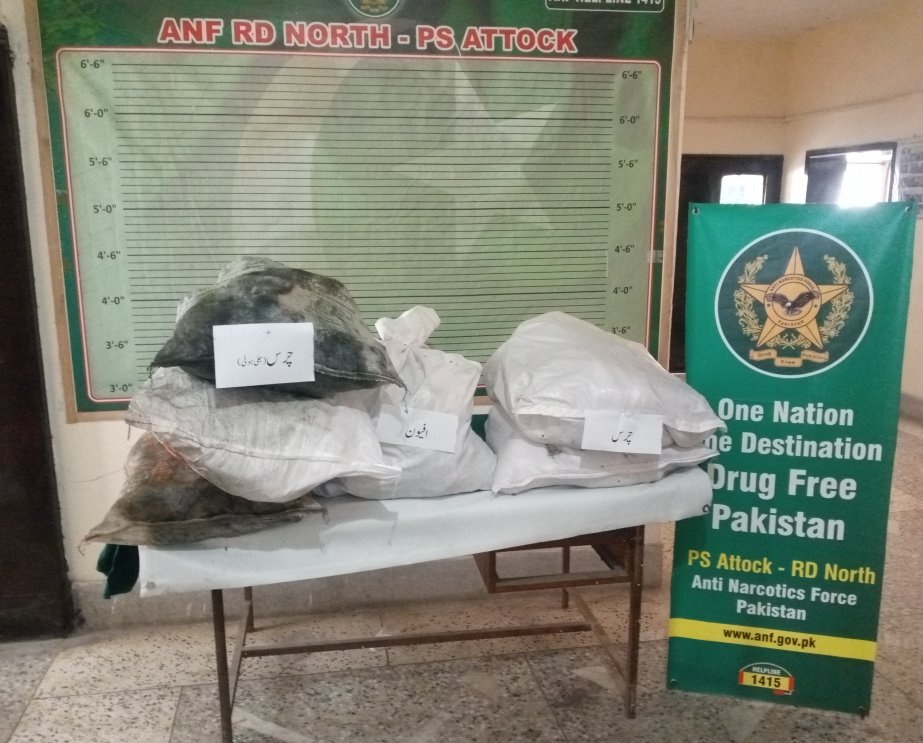
RAWALPINDI — A local court in Rawalpindi has sentenced a drug supplier to 10 years of rigorous imprisonment, along with a fine of Rs 100,000, for possession and distribution of illegal substances. The verdict was delivered on Saturday, concluding a case that began with the arrest of the accused in May. What Happened The convict, identified as Aurangzeb, was apprehended by the Saddar Berooni Police in May following a tip-off about his involvement in drug trafficking activities. During the operation, law enforcement officials recovered 2.480 kilograms of hashish from his possession. The arrest was part of a broader crackdown on drug-related offenses in the region, aimed at curbing the illegal drug trade that has been on the rise. According to a police spokesperson, the operation was conducted with precision and was based on credible intelligence that linked Aurangzeb to a network of drug suppliers operating in the area. The spokesperson stated, “This sentence serves as a warning to others involved in similar activities. The police are committed to eradicating drug trafficking from our communities.” The court proceedings were closely followed by local residents and anti-narcotics advocates, who have been vocal about the need for stringent measures against drug-related crimes. The judge, while delivering the sentence, emphasized the gravity of the offense and the impact of drug trafficking on society, particularly on the youth. Background Drug trafficking has been a persistent issue in Pakistan, with various law enforcement agencies working tirelessly to combat the menace. The Anti-Narcotics Force (ANF) and local police departments have intensified their efforts in recent years, resulting in numerous arrests and seizures of illegal substances. Historically, Pakistan has been a transit country for drugs due to its proximity to Afghanistan, which is a major producer of opium. This geographical factor has posed significant challenges for Pakistani authorities in controlling the influx and distribution of narcotics within its borders. In response to the growing threat, the government has implemented stricter laws and penalties for drug-related offenses. The conviction of Aurangzeb is a reflection of these efforts, showcasing the judiciary’s role in supporting law enforcement initiatives to deter drug crimes. Why It Matters The sentencing of Aurangzeb is significant for several reasons. Firstly, it underscores the effectiveness of coordinated efforts between law enforcement and the judiciary in tackling drug trafficking. By imposing a stringent sentence, the court has sent a clear message that drug-related offenses will not be tolerated and will be met with severe consequences. Economically, drug trafficking poses a substantial threat to Pakistan’s development. The illegal drug trade not only fuels crime but also diverts resources away from productive sectors. By cracking down on such activities, the authorities aim to create a safer environment that fosters economic growth and stability. Socially, the impact of drug abuse is devastating, particularly among the youth. Addiction leads to a myriad of social problems, including increased crime rates, family breakdowns, and health issues. The conviction of drug suppliers like Aurangzeb is crucial in protecting vulnerable populations from the harmful effects of drug abuse. Internationally, Pakistan’s efforts to combat drug trafficking contribute to global anti-narcotics initiatives. By curbing the supply of illegal drugs, Pakistan plays a vital role in reducing the availability of narcotics on the international market, thus supporting global health and security objectives. Key Takeaways Aurangzeb was sentenced to 10 years in prison and fined Rs 100,000 for drug trafficking. The arrest was part of a broader crackdown on drug-related offenses in Rawalpindi. Pakistan’s geographical location poses challenges in controlling drug trafficking. The conviction highlights the judiciary’s support for anti-drug efforts in Pakistan. Reducing drug trafficking is crucial for economic stability and social well-being. Source Attribution This article is based on official government statements, press releases, and public communications from relevant authorities. Author: NEN Editorial Desk | Editor: NEN Newsroom | Fact Checked By: NEN Editorial Team Author: NEN Editorial Desk  |  Editor: NEN Newsroom  |  Last Updated: July 05, 2026  |  Source: NEN Reporter This article was produced by the NEN Editorial Desk in accordance with NEN Agency’s Editorial Policy and Fact-Checking Policy.
Dominant Wins Mark Third Day Of PM Women’s U-21 Hockey Championship
Pakistan

Dominant Wins Mark Third Day Of PM Women’s U-21 Hockey Championship

ISLAMABAD — The third day of the Prime Minister National Women’s Under-21 Hockey Championship 2026 witnessed a series of one-sided matches at the Nasir Bunda Hockey Stadium in Islamabad. Organized by the Pakistan Hockey Federation (PHF) with sponsorship from Alaska Batteries, PTCL, and PARCO, the championship aims to promote young female talent in the sport. What Happened Four matches were held on the third day of the championship, each showcasing the prowess and potential of young female athletes. The matches were characterized by dominant performances, with several teams securing decisive victories over their opponents. In the opening match, Team A displayed exceptional skill and strategy, overpowering Team B with a score of 5-0. The players’ coordination and tactical execution were evident as they maintained control throughout the game. A standout performance was delivered by the captain of Team A, who scored two goals and assisted in another, demonstrating leadership and precision. The second match saw Team C facing off against Team D. Team C emerged victorious with a score of 4-1. Despite Team D’s efforts to mount a comeback, Team C’s defense remained resolute, thwarting multiple attempts to score. The highlight of the match was a hat-trick scored by Team C’s forward, further solidifying their position in the tournament. In the afternoon, Team E took on Team F in a match that ended with a 6-0 win for Team E. The game was marked by Team E’s relentless offense and strategic play, leaving Team F struggling to keep pace. The coach of Team E praised the players for their dedication and teamwork, which were key factors in their success. The final match of the day featured Team G against Team H, concluding with a 3-0 victory for Team G. The match was a testament to Team G’s defensive capabilities, as they managed to keep a clean sheet while capitalizing on scoring opportunities. The team’s goalkeeper was particularly noteworthy, making several crucial saves that prevented Team H from gaining any momentum. Background The Prime Minister National Women’s Under-21 Hockey Championship is a significant event in Pakistan’s sports calendar, aimed at fostering young talent and promoting women’s participation in hockey. The championship is part of broader efforts by the Pakistan Hockey Federation to revitalize the sport in the country, which has a rich history of hockey success on the international stage. Historically, Pakistan has been known for its achievements in men’s hockey, with multiple Olympic and World Cup titles. However, women’s hockey has not received the same level of attention or resources. Events like the Under-21 Championship are crucial for developing a pipeline of skilled female players who can compete internationally. Why It Matters The championship plays a critical role in empowering young female athletes and providing them with a platform to showcase their skills. In a country where women’s sports often face challenges in terms of funding and visibility, such tournaments are essential for encouraging participation and breaking down societal barriers. Economically, the event helps stimulate local businesses and tourism in Islamabad, as teams, officials, and spectators contribute to the local economy. Socially, it promotes gender equality by highlighting the capabilities of female athletes and encouraging more girls to participate in sports. Politically, the championship aligns with national efforts to promote sports as a means of fostering unity and national pride. It also reflects Pakistan’s commitment to fulfilling international obligations regarding gender equality in sports, as outlined by global sports organizations. Key Takeaways The third day of the championship featured four matches with dominant performances. Team A, C, E, and G secured decisive victories, showcasing young talent. The event is part of efforts to promote women’s hockey in Pakistan. The championship supports economic activity and gender equality in sports. It aligns with national and international commitments to sports development. Source Attribution This article is based on official government statements, press releases, and public communications from relevant authorities. Author: NEN Editorial Desk | Editor: NEN Newsroom | Fact Checked By: NEN Editorial Team Author: NEN Editorial Desk  |  Editor: NEN Newsroom  |  Last Updated: July 05, 2026  |  Source: NEN Reporter This article was produced by the NEN Editorial Desk in accordance with NEN Agency’s Editorial Policy and Fact-Checking Policy.

Mayor Karachi Opens Hammad Awan Shaheed Park in Shireen Jinnah Colony
Pakistan

Mayor Karachi Opens Hammad Awan Shaheed Park in Shireen Jinnah Colony

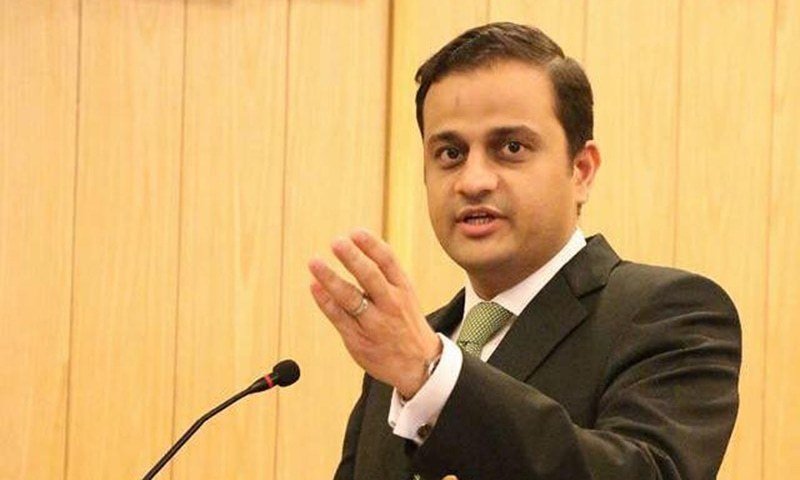
KARACHI — Mayor Karachi Barrister Murtaza Wahab officially opened the Hammad Awan Shaheed Park in UC-13, Shireen Jinnah Colony, Saddar Town on July 4. The inauguration ceremony was attended by several dignitaries, including Parliamentary Leader in the City Council Karamullah Waqasi, Vice Chairman Waseem, and other local government representatives. What Happened The newly constructed Hammad Awan Shaheed Park was inaugurated by Mayor Karachi Barrister Murtaza Wahab in Shireen Jinnah Colony. The event marked the culmination of efforts to provide a recreational space for the local community. The park is named in honor of Hammad Awan, a local hero, and aims to serve as a green oasis amidst the urban landscape of Karachi. During the ceremony, Mayor Wahab expressed his commitment to enhancing public spaces across the city. He stated, “The development of parks and recreational areas is crucial for the well-being of our citizens. We are dedicated to creating more such spaces for the people of Karachi.” The event was attended by key figures such as Karamullah Waqasi, the Parliamentary Leader in the City Council, and Vice Chairman Waseem, along with elected representatives and officials from the Karachi Metropolitan Corporation (KMC). The park features various amenities, including walking tracks, children’s play areas, and seating arrangements, designed to cater to families and individuals seeking leisure and relaxation. The development of the park is part of a broader initiative to improve urban infrastructure and promote environmental sustainability in Karachi. Background Shireen Jinnah Colony, located in Saddar Town, is a densely populated area in Karachi that has long needed enhanced public amenities. The development of Hammad Awan Shaheed Park is part of the Karachi Metropolitan Corporation’s ongoing efforts to revitalize urban spaces and provide residents with accessible recreational facilities. Historically, Karachi has faced challenges related to urban planning and the provision of green spaces. The city’s rapid population growth has often outpaced infrastructure development, leading to a shortage of public parks and recreational areas. In recent years, local authorities have prioritized the development of parks to address these issues and improve the quality of life for Karachi’s residents. Why It Matters The inauguration of Hammad Awan Shaheed Park is significant for several reasons. Firstly, it addresses the critical need for public recreational spaces in Karachi, a city where green areas are limited. Parks play a vital role in enhancing urban living by providing spaces for exercise, social interaction, and relaxation. Economically, the development of parks can boost local businesses by attracting visitors to the area, thereby increasing foot traffic and potential customers for nearby shops and vendors. Socially, parks serve as communal spaces where people from diverse backgrounds can gather, fostering a sense of community and belonging. Politically, the opening of the park demonstrates the local government’s commitment to improving urban infrastructure and responding to the needs of its citizens. By investing in public amenities, the Karachi Metropolitan Corporation is working to build trust and confidence among residents, which is crucial for effective governance. On an environmental level, the creation of green spaces contributes to urban sustainability by improving air quality, reducing heat, and providing habitats for local wildlife. As Karachi continues to develop, integrating green spaces into urban planning will be essential for maintaining ecological balance and ensuring a healthy environment for future generations. Key Takeaways Mayor Karachi inaugurated Hammad Awan Shaheed Park in Shireen Jinnah Colony. The park offers amenities such as walking tracks and children’s play areas. The development is part of efforts to enhance urban infrastructure in Karachi. Public parks contribute to economic, social, and environmental well-being. The initiative reflects the local government’s commitment to citizen welfare. Source Attribution This article is based on official government statements, press releases, and public communications from relevant authorities. Author: NEN Editorial Desk | Editor: NEN Newsroom | Fact Checked By: NEN Editorial Team Author: NEN Editorial Desk  |  Editor: NEN Newsroom  |  Last Updated: July 05, 2026  |  Source: NEN Reporter This article was produced by the NEN Editorial Desk in accordance with NEN Agency’s Editorial Policy and Fact-Checking Policy.
Faisalabad Division Triumphs in Punjab Kabaddi Championship
Pakistan

Faisalabad Division Triumphs in Punjab Kabaddi Championship

FAISALABAD — Faisalabad Division emerged victorious in the inter-divisional kabaddi championship organized by the Sports Board Punjab, held at the Punjab Stadium in Lahore. The team clinched the title by defeating Sahiwal Division with a score of 48-38 in a thrilling final match. What Happened The inter-divisional kabaddi championship, a significant event in Punjab’s sports calendar, saw participation from nine divisions across the province. The competition took place at the Punjab Stadium in Lahore, a venue known for hosting various regional and national sports events. Faisalabad Division’s kabaddi team demonstrated exceptional skill and teamwork, ultimately securing the championship by overcoming Sahiwal Division in the final match. The final match was a nail-biting encounter, with both teams displaying commendable athleticism and strategic prowess. Faisalabad Division’s victory was marked by a score of 48 points against Sahiwal’s 38, reflecting a well-fought battle on both sides. The championship not only highlighted the competitive spirit of the participants but also showcased the growing popularity and talent in kabaddi within the region. Officials from the Sports Board Punjab were present to witness the event and applauded the efforts of all participating teams. The board emphasized the importance of such tournaments in promoting traditional sports and encouraging youth participation in physical activities. Background Kabaddi, a traditional contact sport, has deep roots in South Asian culture, particularly in Punjab. The sport is not only a popular pastime but also a significant part of the region’s heritage. The inter-divisional kabaddi championship is an annual event organized by the Sports Board Punjab to foster local talent and provide a platform for athletes to showcase their skills. The Sports Board Punjab, responsible for promoting sports and physical education in the province, regularly organizes such events to enhance the sporting culture. The board’s initiatives aim to identify and nurture talent at the grassroots level, ensuring that traditional sports like kabaddi continue to thrive alongside modern sports. Why It Matters The success of the Faisalabad Division in the kabaddi championship holds considerable significance for several reasons. Firstly, it underscores the region’s commitment to preserving and promoting traditional sports, which are integral to cultural identity. Kabaddi, in particular, serves as a bridge between generations, connecting youth with their heritage while fostering a sense of community and teamwork. Economically, such championships can stimulate local economies by drawing spectators and participants from various regions, leading to increased business for local vendors and hospitality services. The event also serves as a platform for emerging athletes to gain recognition, potentially leading to national and international opportunities. Politically, the championship reflects the government’s ongoing efforts to promote sports as a tool for social development and youth engagement. By investing in sports infrastructure and organizing events, authorities aim to channel the energy of young individuals into constructive activities, thereby reducing the likelihood of social issues such as youth delinquency. On an international level, the promotion of kabaddi can enhance Pakistan’s reputation as a nurturing ground for diverse sports. As the sport gains popularity globally, Pakistani athletes have the potential to represent the country on international platforms, contributing to national pride and unity. Key Takeaways Faisalabad Division won the inter-divisional kabaddi championship, defeating Sahiwal Division 48-38. The event was organized by the Sports Board Punjab at the Punjab Stadium in Lahore. Nine divisions from Punjab participated, showcasing regional talent in kabaddi. The championship highlights the cultural importance of kabaddi and its role in youth engagement. Such events contribute to local economies and promote Pakistan’s sporting culture internationally. Source Attribution This article is based on official government statements, press releases, and public communications from relevant authorities. Author: NEN Editorial Desk | Editor: NEN Newsroom | Fact Checked By: NEN Editorial Team Author: NEN Editorial Desk  |  Editor: NEN Newsroom  |  Last Updated: July 05, 2026  |  Source: Press Release from Government of Pakistan This article was produced by the NEN Editorial Desk in accordance with NEN Agency’s Editorial Policy and Fact-Checking Policy.
Pakistan, Türkiye Discuss Energy and Mining Cooperation at Business Conference
World

Pakistan, Türkiye Discuss Energy and Mining Cooperation at Business Conference

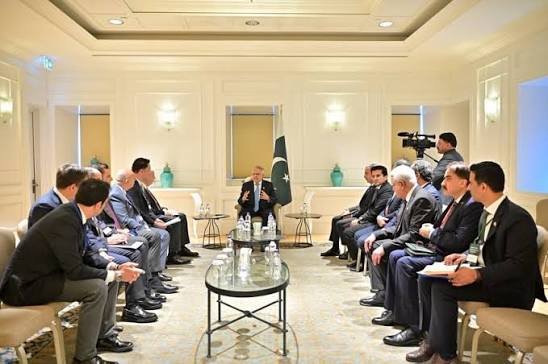
ISTANBUL — Deputy Prime Minister and Foreign Minister Senator Mohammad Ishaq Dar met with senior executives of Koç Holding on Saturday to discuss potential cooperation in the energy and mining sectors. The meeting took place on the sidelines of the Pakistan–Türkiye Business Conference, aiming to strengthen economic ties between the two countries. What Happened The meeting in Istanbul brought together Deputy Prime Minister Mohammad Ishaq Dar and top officials from Koç Holding, one of Türkiye’s largest conglomerates. The discussions focused on exploring opportunities for collaboration in energy and mining, two sectors critical to Pakistan’s economic development. Among the executives present were Yagiz Eyüboglu, President of the Energy Group; Polat Sen, President of the Durable Goods Group; Can Dinçer, CEO of Arçelik; Melih Poyraz, CEO of Aygaz; and Ramazan Yön, CEO of other key divisions within Koç Holding. The talks aimed to leverage Koç Holding’s expertise and resources to support Pakistan’s energy and mining industries. Deputy Prime Minister Dar emphasized the importance of foreign investment in Pakistan’s energy sector, highlighting the government’s commitment to creating a conducive environment for international businesses. “Our government is keen on facilitating foreign investments and ensuring a robust regulatory framework that supports sustainable growth,” Dar stated during the meeting. The executives from Koç Holding expressed interest in Pakistan’s potential for renewable energy projects and mining ventures. They discussed the possibility of joint ventures and technology transfers that could benefit both countries economically. Background Pakistan and Türkiye have a history of strong bilateral relations, with economic cooperation being a cornerstone of their partnership. The two countries have engaged in numerous trade agreements and joint ventures over the years, particularly in sectors like textiles, agriculture, and manufacturing. Koç Holding, established in 1926, is a prominent player in Türkiye’s economy, with interests spanning energy, automotive, consumer durables, and finance. The conglomerate’s involvement in energy and mining aligns with Pakistan’s strategic goals to diversify its energy sources and enhance mineral extraction capabilities. Pakistan’s energy sector has been a focus of government reforms, aimed at reducing dependency on imported fuels and increasing the share of renewable energy in the national grid. The mining sector, rich in resources like coal, copper, and gold, offers significant potential for development with the right investments and technological support. Why It Matters The discussions between Pakistan and Koç Holding are significant for several reasons. Firstly, they underscore Pakistan’s ongoing efforts to attract foreign direct investment (FDI) in key sectors. By engaging with a major international conglomerate like Koç Holding, Pakistan aims to boost its energy capacity and mining output, which are vital for economic growth and stability. Economically, increased cooperation in energy could lead to more efficient power generation, reducing costs for consumers and industries. This is crucial for Pakistan, where energy shortages have historically hampered industrial productivity and economic progress. Additionally, advancements in mining technology and practices could unlock untapped mineral resources, contributing to export revenues and job creation. Politically, strengthening ties with Türkiye through such initiatives reinforces diplomatic relations and enhances regional cooperation. It positions Pakistan as a strategic partner in the region, capable of collaborating on large-scale projects that have mutual benefits. On an international level, successful partnerships in energy and mining could enhance Pakistan’s reputation as a viable destination for investment, encouraging other global corporations to explore opportunities in the country. Key Takeaways Deputy Prime Minister Mohammad Ishaq Dar met with Koç Holding executives to discuss energy and mining cooperation. The meeting was part of the Pakistan–Türkiye Business Conference in Istanbul. Koç Holding is interested in renewable energy projects and mining ventures in Pakistan. Strengthening economic ties with Türkiye supports Pakistan’s strategic goals in energy and mining. Successful collaboration could enhance Pakistan’s international investment appeal. Source Attribution This article is based on official government statements, press releases, and public communications from relevant authorities. Author: NEN Editorial Desk | Editor: NEN Newsroom | Fact Checked By: NEN Editorial Team Author: NEN Editorial Desk  |  Editor: NEN Newsroom  |  Last Updated: July 05, 2026  |  Source: Press Release from Government of Pakistan This article was produced by the NEN Editorial Desk in accordance with NEN Agency’s Editorial Policy and Fact-Checking Policy.

Federal Government Expands Apna Ghar Housing Loans via NBFCs
Pakistan

Federal Government Expands Apna Ghar Housing Loans via NBFCs

ISLAMABAD — Access to affordable housing finance is set to improve significantly for citizens as the Federal Government has approved the inclusion of Non-Banking Finance Companies (NBFCs) as Participating Financial Institutions (PFIs) under the Prime Minister’s Apna Ghar Program (PM-APG). This initiative aims to benefit underserved and non-banking segments of the population. What Happened The Federal Government has taken a decisive step to enhance the accessibility of housing loans by integrating NBFCs into the PM-APG. This decision, announced on July 4, 2023, is aimed at broadening the scope of financial institutions that can offer housing loans, thereby reaching a larger segment of the population that has traditionally been underserved by conventional banking institutions. The Securities and Exchange Commission of Pakistan (SECP) has been instrumental in this development, facilitating the regulatory framework that allows NBFCs to participate as PFIs. This move is expected to provide a substantial boost to the housing sector by enabling more flexible and diverse financing options. A senior official from the SECP stated, “The inclusion of NBFCs will not only increase competition but also improve service delivery and innovation in housing finance.” The Apna Ghar Program, a flagship initiative under the current administration, aims to provide affordable housing to millions of Pakistanis. By allowing NBFCs to participate, the government expects to increase the volume of housing loans disbursed, thus accelerating the pace of home ownership across the country. Background The Apna Ghar Program was launched as part of the government’s broader strategy to address the housing deficit in Pakistan. Historically, access to affordable housing finance has been limited, with traditional banks often hesitant to extend loans to low-income segments due to perceived risks and lack of collateral. NBFCs, which include microfinance institutions and other non-traditional lenders, have been gaining traction in Pakistan’s financial landscape. They are known for their innovative lending practices and ability to reach customers who are typically excluded from the formal banking sector. The SECP’s role in regulating these entities ensures that they adhere to financial standards while providing more flexible lending options. Why It Matters The inclusion of NBFCs in the Apna Ghar Program is a significant development for several reasons. Economically, it is expected to stimulate the housing market by increasing the availability of credit, which in turn can lead to increased construction activity and job creation. The housing sector is a critical component of Pakistan’s economy, with the potential to drive growth in related industries such as cement, steel, and construction services. Socially, this initiative is poised to make a substantial impact on improving living standards. Access to affordable housing is a fundamental need, and by expanding the pool of financial institutions offering housing loans, more families can achieve the dream of home ownership. This can lead to improved social stability and economic empowerment for many low-income families. Politically, the government’s move to involve NBFCs aligns with its commitment to financial inclusion and poverty alleviation. By addressing the needs of underserved populations, the government can enhance its credibility and support among the electorate, particularly in urban and semi-urban areas where housing shortages are most acute. Key Takeaways The Federal Government has approved NBFCs as PFIs under the Apna Ghar Program. This inclusion aims to expand access to affordable housing finance for underserved populations. The SECP has facilitated the regulatory framework for NBFC participation. The initiative is expected to boost the housing market and related economic sectors. Socially, the program aims to improve living standards and promote financial inclusion. Source Attribution This article is based on official government statements, press releases, and public communications from relevant authorities. Author: NEN Editorial Desk | Editor: NEN Newsroom | Fact Checked By: NEN Editorial Team Author: NEN Editorial Desk  |  Editor: NEN Newsroom  |  Last Updated: July 04, 2026  |  Source: Press Release from Government of Pakistan This article was produced by the NEN Editorial Desk in accordance with NEN Agency’s Editorial Policy and Fact-Checking Policy.

Scroll to Top