
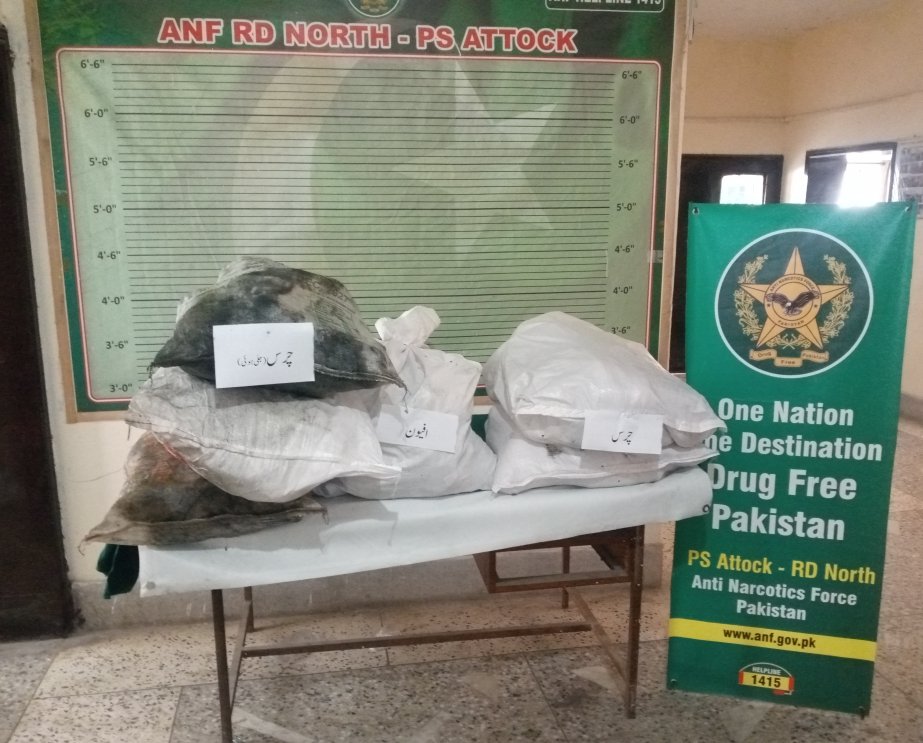
RAWALPINDI — A local court in Rawalpindi has sentenced a drug supplier to 10 years of rigorous imprisonment, along with a fine of Rs 100,000, for possession and distribution of illegal substances. The verdict was delivered on Saturday, concluding a case that began with the arrest of the accused in May.
What Happened
The convict, identified as Aurangzeb, was apprehended by the Saddar Berooni Police in May following a tip-off about his involvement in drug trafficking activities. During the operation, law enforcement officials recovered 2.480 kilograms of hashish from his possession. The arrest was part of a broader crackdown on drug-related offenses in the region, aimed at curbing the illegal drug trade that has been on the rise.
According to a police spokesperson, the operation was conducted with precision and was based on credible intelligence that linked Aurangzeb to a network of drug suppliers operating in the area. The spokesperson stated, “This sentence serves as a warning to others involved in similar activities. The police are committed to eradicating drug trafficking from our communities.”
The court proceedings were closely followed by local residents and anti-narcotics advocates, who have been vocal about the need for stringent measures against drug-related crimes. The judge, while delivering the sentence, emphasized the gravity of the offense and the impact of drug trafficking on society, particularly on the youth.
Background
Drug trafficking has been a persistent issue in Pakistan, with various law enforcement agencies working tirelessly to combat the menace. The Anti-Narcotics Force (ANF) and local police departments have intensified their efforts in recent years, resulting in numerous arrests and seizures of illegal substances.
Historically, Pakistan has been a transit country for drugs due to its proximity to Afghanistan, which is a major producer of opium. This geographical factor has posed significant challenges for Pakistani authorities in controlling the influx and distribution of narcotics within its borders.
In response to the growing threat, the government has implemented stricter laws and penalties for drug-related offenses. The conviction of Aurangzeb is a reflection of these efforts, showcasing the judiciary’s role in supporting law enforcement initiatives to deter drug crimes.
Why It Matters
The sentencing of Aurangzeb is significant for several reasons. Firstly, it underscores the effectiveness of coordinated efforts between law enforcement and the judiciary in tackling drug trafficking. By imposing a stringent sentence, the court has sent a clear message that drug-related offenses will not be tolerated and will be met with severe consequences.
Economically, drug trafficking poses a substantial threat to Pakistan’s development. The illegal drug trade not only fuels crime but also diverts resources away from productive sectors. By cracking down on such activities, the authorities aim to create a safer environment that fosters economic growth and stability.
Socially, the impact of drug abuse is devastating, particularly among the youth. Addiction leads to a myriad of social problems, including increased crime rates, family breakdowns, and health issues. The conviction of drug suppliers like Aurangzeb is crucial in protecting vulnerable populations from the harmful effects of drug abuse.
Internationally, Pakistan’s efforts to combat drug trafficking contribute to global anti-narcotics initiatives. By curbing the supply of illegal drugs, Pakistan plays a vital role in reducing the availability of narcotics on the international market, thus supporting global health and security objectives.
Key Takeaways
- Aurangzeb was sentenced to 10 years in prison and fined Rs 100,000 for drug trafficking.
- The arrest was part of a broader crackdown on drug-related offenses in Rawalpindi.
- Pakistan’s geographical location poses challenges in controlling drug trafficking.
- The conviction highlights the judiciary’s support for anti-drug efforts in Pakistan.
- Reducing drug trafficking is crucial for economic stability and social well-being.
Source Attribution
This article is based on official government statements, press releases, and public communications from relevant authorities.














