

Author name: Yasir Zubairi

Yasir Zubairi is the founder and publisher of NEN Agency (News Era Network). He leads NEN's coverage of Pakistan's national affairs, economy, foreign relations and sports, and is responsible for the accuracy and standards of every story published on nenagency.com.

Section 144 Imposed in Chakwal, Talagang Amid Monsoon Safety Concerns
Pakistan

Section 144 Imposed in Chakwal, Talagang Amid Monsoon Safety Concerns

TALAGANG — The district administration has implemented Section 144 in Chakwal and Talagang, prohibiting water-related activities for 30 days due to heightened monsoon risks. This decision aims to prevent drowning incidents during the ongoing monsoon season, as announced by Deputy Commissioner Sarah Hayat. What Happened On Friday, Deputy Commissioner Sarah Hayat issued an order enforcing Section 144 across the districts of Chakwal and Talagang. The directive prohibits activities such as swimming, bathing, diving, and boating in all natural water bodies, including dams, streams, lakes, and ponds. This preventive measure will remain in effect for 30 days, reflecting the administration’s concern over potential drowning incidents exacerbated by the monsoon season. The monsoon rains, which typically bring heavy downpours, have historically led to increased water levels in natural reservoirs, making them more hazardous. The district administration’s decision is a proactive step to mitigate these risks and ensure public safety. Deputy Commissioner Hayat emphasized the importance of adhering to the ban, stating, “The safety of our citizens is our utmost priority, and these measures are necessary to prevent any unfortunate incidents.” Local law enforcement agencies have been instructed to strictly enforce the ban and ensure compliance. Violators of the order may face legal action, including fines and other penalties, as stipulated under Section 144 of the Pakistan Penal Code. Background Section 144 of the Pakistan Penal Code empowers district authorities to issue prohibitory orders in situations that pose a threat to public safety. This legal provision is often invoked during times of civil unrest, health emergencies, or natural disasters. In the context of monsoon season, it is not uncommon for authorities to restrict access to water bodies to prevent accidents. Chakwal and Talagang, like many other regions in Pakistan, experience significant rainfall during the monsoon season, which typically spans from July to September. This period is marked by increased risks of flooding and water-related accidents, prompting authorities to take precautionary measures. Why It Matters The enforcement of Section 144 in Chakwal and Talagang underscores the critical need for public safety during the monsoon season. Drowning incidents are a recurrent issue in Pakistan during this time, often due to the sudden rise in water levels and the public’s tendency to engage in recreational water activities without adequate safety measures. Economically, the ban on water activities could impact local communities that rely on tourism and recreational activities for income. However, the potential loss of revenue is outweighed by the imperative to protect lives. The administration’s decision reflects a prioritization of human safety over economic considerations, a stance that is likely to be supported by the broader public. Socially, the ban serves as a reminder of the importance of adhering to safety regulations, especially in regions prone to natural disasters. It also highlights the role of local authorities in safeguarding communities through timely interventions and public awareness campaigns. On a national level, such measures contribute to a broader strategy of disaster risk reduction, aligning with Pakistan’s commitments to international frameworks like the Sendai Framework for Disaster Risk Reduction. By implementing proactive measures, the country aims to reduce the loss of life and property associated with natural hazards. Key Takeaways Section 144 has been imposed in Chakwal and Talagang, banning water activities for 30 days due to monsoon risks. The directive aims to prevent drowning incidents during the monsoon season, which sees increased water levels. Violators of the ban may face legal consequences under Section 144 of the Pakistan Penal Code. The decision prioritizes public safety over economic activities related to tourism and recreation. This measure aligns with national and international disaster risk reduction strategies. Source Attribution This article is based on official government statements, press releases, and public communications from relevant authorities. Author: NEN Editorial Desk | Editor: NEN Newsroom | Fact Checked By: NEN Editorial Team Author: NEN Editorial Desk  |  Editor: NEN Newsroom  |  Last Updated: July 03, 2026  |  Source: NEN Reporter This article was produced by the NEN Editorial Desk in accordance with NEN Agency’s Editorial Policy and Fact-Checking Policy.

Pakistan’s Services Exports Surge by 17.38% in 11 Months of FY 2026
Pakistan

Pakistan’s Services Exports Surge by 17.38% in 11 Months of FY 2026

ISLAMABAD — Pakistan’s services exports experienced a significant growth of 17.38% during the first eleven months of the fiscal year 2025-26, as reported by the Pakistan Bureau of Statistics (PBS). From July 2025 to May 2026, the country earned $9.097 billion from services exports, compared to $7.750 billion in the same period of the previous fiscal year. What Happened The latest data from PBS highlights a robust performance in Pakistan’s services sector, with exports increasing by 17.38% over the first eleven months of FY 2026. This growth is reflected in the earnings of $9.097 billion, a notable rise from the $7.750 billion recorded during the same period in FY 2025. Concurrently, services imports also rose by 8.64%, reaching $11.099 billion, up from $10.338 billion in the previous fiscal year. The services trade deficit showed a marked improvement, contracting by 24.10% to $2.002 billion from $2.638 billion in the corresponding period of the last fiscal year. On a year-on-year basis, the services trade deficit in May 2026 decreased significantly by 118.03% compared to May 2025. In May 2026 alone, service exports grew by 15.99%, amounting to $838.28 million, up from $722.74 million in May 2025. Moreover, services imports in May 2026 decreased by 9.41%, recorded at $807.82 million, compared to $891.69 million in the same month of the previous year. On a month-on-month basis, the services trade deficit narrowed by 8.63% in May 2026, recorded at $30.46 million, compared to $33.34 million in April 2026. However, service exports in May 2026 slightly decreased from April 2026’s $904.09 million to $838.28 million. Background Pakistan’s services sector has been a critical component of the national economy, contributing significantly to GDP and employment. Historically, the sector has faced challenges, including a trade deficit, which the government has been working to address through various policy measures aimed at boosting exports and reducing imports. The recent growth in services exports indicates a positive trend, reflecting the effectiveness of these measures and the resilience of the sector. The services sector encompasses a wide range of activities, including finance, insurance, transportation, and information technology, all of which have shown potential for growth. The government has been focusing on enhancing the competitiveness of these services in international markets, which is crucial for sustaining economic growth. Why It Matters The growth in services exports is significant for Pakistan’s economy, as it helps reduce the overall trade deficit and contributes to foreign exchange earnings. A reduced trade deficit can lead to improved fiscal stability, which is vital for economic planning and development. The increase in services exports also indicates a diversification of Pakistan’s export base, traditionally dominated by textiles and agriculture. Economically, the growth in the services sector can lead to job creation, increased investment, and technological advancements, all of which are essential for long-term economic development. Socially, it can improve living standards by providing better employment opportunities and services to the population. Internationally, a strong services sector enhances Pakistan’s economic standing and competitiveness, potentially attracting foreign investment and partnerships. This growth aligns with global economic trends where services play a crucial role in economic development, and positions Pakistan to benefit from global trade dynamics. Key Takeaways Services exports in Pakistan grew by 17.38% in the first eleven months of FY 2026. The services trade deficit contracted by 24.10% during the same period. May 2026 saw a year-on-year services export increase of 15.99%. Services imports decreased by 9.41% in May 2026 compared to May 2025. Growth in services exports contributes to reducing the overall trade deficit and enhancing economic stability. Source Attribution This article is based on official government statements, press releases, and public communications from relevant authorities. Author: NEN Editorial Desk | Editor: NEN Newsroom | Fact Checked By: NEN Editorial Team Author: NEN Editorial Desk  |  Editor: NEN Newsroom  |  Last Updated: July 03, 2026  |  Source: NEN Reporter This article was produced by the NEN Editorial Desk in accordance with NEN Agency’s Editorial Policy and Fact-Checking Policy.

Pakistan Seeks Enhanced Trade Ties with ASEAN for Economic Growth
Pakistan

Pakistan Seeks Enhanced Trade Ties with ASEAN for Economic Growth

ISLAMABAD — Pakistan is actively pursuing stronger trade relations with the Association of Southeast Asian Nations (ASEAN) to diversify its export markets and tap into the rapidly growing economies of Southeast Asia. The initiative aims to unlock new economic opportunities for Pakistan by engaging with one of the world’s most dynamic regions. What Happened Pakistan’s government has announced plans to intensify its trade and economic cooperation with ASEAN, a regional organization comprising ten Southeast Asian countries known for their robust economic growth. The move is part of Pakistan’s broader strategy to diversify its trade partners and reduce reliance on traditional markets. According to official sources, Pakistan is exploring various avenues to enhance bilateral trade, including negotiations for preferential trade agreements and participation in ASEAN-related economic forums. Prime Minister Shehbaz Sharif emphasized the significance of strengthening ties with ASEAN during a recent cabinet meeting. “Engaging with ASEAN is crucial for Pakistan’s economic future,” he stated, highlighting the potential for increased exports in sectors such as textiles, agriculture, and technology. The government is also focusing on improving trade logistics and infrastructure to facilitate smoother trade flows with ASEAN nations. In recent years, ASEAN has emerged as a key player in global trade, with a combined GDP of over $3 trillion. The region’s economic integration and strategic location make it an attractive partner for countries like Pakistan seeking to expand their trade horizons. Pakistan’s exports to ASEAN currently account for a small percentage of its total trade, but officials are optimistic about the potential for growth. Background Pakistan’s interest in ASEAN is not new. The country has been an ASEAN Sectoral Dialogue Partner since 1993, which allows it to engage in various cooperative activities with the bloc. However, trade volumes have remained modest compared to Pakistan’s trade with other regions. Historically, Pakistan’s trade has been heavily concentrated in markets such as the United States, China, and the European Union. The current initiative represents a renewed effort to shift this focus towards Southeast Asia. ASEAN itself has been pursuing economic integration through initiatives like the ASEAN Economic Community (AEC), which aims to create a single market and production base among member states. This integration offers opportunities for non-member countries to engage with ASEAN as a cohesive economic entity. Why It Matters The potential benefits of enhanced trade relations with ASEAN are significant for Pakistan’s economy. By tapping into ASEAN’s growing markets, Pakistan can boost its export revenues, create jobs, and stimulate economic growth. The diversification of export destinations is particularly important in light of global economic uncertainties and the need to reduce dependency on a limited number of trade partners. Furthermore, stronger ties with ASEAN could enhance Pakistan’s geopolitical standing in the region. As Southeast Asia continues to grow in economic and strategic importance, Pakistan’s engagement with ASEAN could open doors to broader regional cooperation in areas such as security, education, and technology. Economically, the move could lead to increased foreign direct investment (FDI) from ASEAN countries into Pakistan, particularly in sectors like infrastructure, energy, and manufacturing. This influx of investment could help modernize Pakistan’s industrial base and improve its competitiveness in the global market. Key Takeaways Pakistan is seeking to strengthen trade ties with ASEAN to diversify its export markets. The initiative aims to capitalize on ASEAN’s economic growth and strategic location. Prime Minister Shehbaz Sharif has highlighted the importance of engaging with ASEAN. Pakistan’s current trade with ASEAN is limited but holds significant growth potential. Enhanced trade relations could boost Pakistan’s economy and geopolitical standing. Source Attribution This article is based on official government statements, press releases, and public communications from relevant authorities. Author: NEN Editorial Desk | Editor: NEN Newsroom | Fact Checked By: NEN Editorial Team Author: NEN Editorial Desk  |  Editor: NEN Newsroom  |  Last Updated: July 03, 2026  |  Source: NEN Reporter This article was produced by the NEN Editorial Desk in accordance with NEN Agency’s Editorial Policy and Fact-Checking Policy.

Currency Exchange Rates and LIBOR Update for July 3, 2026
World

Currency Exchange Rates and LIBOR Update for July 3, 2026

KARACHI — The State Bank of Pakistan released the latest exchange rates for currency notes on July 3, 2026, reflecting minor fluctuations in the values of major currencies against the Pakistani Rupee. The rates are crucial for businesses, investors, and individuals engaged in foreign exchange transactions. What Happened The exchange rates for several major currencies were announced, with the US Dollar (USD) being sold at Rs279.94 and bought at Rs276.94. The British Pound (GBP) was listed at a selling rate of Rs374.05 and a buying rate of Rs369.63. Meanwhile, the Euro (EUR) was set at Rs320.27 for selling and Rs316.51 for buying. The Japanese Yen (JPY) had a selling rate of Rs1.7371 and a buying rate of Rs1.7167. Among the Gulf currencies, the Saudi Riyal (SAR) was priced at Rs74.56 for selling and Rs73.68 for buying, while the UAE Dirham (AED) was available at Rs76.22 for selling and Rs75.33 for buying. Additionally, the London Interbank Offered Rate (LIBOR) for calculating interest on special USD bonds was provided. The LIBOR for one month stood at 3.6674%, for three months at 3.7520%, and for six months at 3.8719%. These rates are pivotal for financial institutions and corporations involved in international trade and finance. The indicative Forward Buying and Selling Rates (FBP) for the US Dollar were also detailed. For sight/15 days, the rate was Rs276.71, for one month Rs275.39, for two months Rs272.56, for three months Rs270.21, for four months Rs267.56, for five months Rs264.85, and for six months Rs262.39. Similarly, the Euro and British Pound had their respective forward rates listed, providing a comprehensive view of expected currency trends. Background Currency exchange rates are influenced by various factors including economic indicators, geopolitical events, and market speculation. The State Bank of Pakistan regularly updates these rates to reflect the current market conditions. The LIBOR, a globally accepted benchmark interest rate, is used by banks and financial institutions to set rates on various financial products. Historically, the Pakistani Rupee has experienced volatility due to factors such as trade imbalances, inflation, and foreign exchange reserves. The central bank’s role in managing these fluctuations is critical to ensuring economic stability. Why It Matters The exchange rates have significant implications for Pakistan’s economy, affecting everything from import costs to inflation. A stronger US Dollar, for instance, can increase the cost of imported goods, thereby impacting inflation and purchasing power. Businesses engaged in import and export must closely monitor these rates to manage costs and revenues effectively. The LIBOR rates are equally important as they influence the cost of borrowing for businesses and the government. Changes in LIBOR can affect interest rates on loans, impacting investment decisions and economic growth. For individuals with foreign currency loans or investments, these rates can directly influence repayment amounts and returns. In the broader context, exchange rates and interest rates are barometers of economic health. They provide insights into investor confidence, economic policies, and the overall economic trajectory of the country. For Pakistan, maintaining a stable currency and favorable interest rates is crucial for attracting foreign investment and supporting economic growth. Key Takeaways The US Dollar was sold at Rs279.94 and bought at Rs276.94 on July 3, 2026. The LIBOR for one month was 3.6674%, impacting USD bond interest calculations. Exchange rates are vital for businesses involved in international trade. Fluctuations in these rates can affect inflation and economic stability. LIBOR influences borrowing costs for businesses and government alike. Source Attribution The article is based on official government statements, press releases, and public communications from relevant authorities. Author: NEN Editorial Desk | Editor: NEN Newsroom | Fact Checked By: NEN Editorial Team Author: NEN Editorial Desk  |  Editor: NEN Newsroom  |  Last Updated: July 03, 2026  |  Source: NEN Reporter This article was produced by the NEN Editorial Desk in accordance with NEN Agency’s Editorial Policy and Fact-Checking Policy.
Gilgit-Baltistan Chief Secretary Evaluates Monsoon Readiness and GBDMA Operations
Pakistan

Gilgit-Baltistan Chief Secretary Evaluates Monsoon Readiness and GBDMA Operations

GILGIT — The Chief Secretary of Gilgit-Baltistan convened a high-level meeting on Monday to assess the region’s preparedness for the impending monsoon season and potential Glacial Lake Outburst Flood (GLOF) threats. The meeting, attended by representatives from various departments, underscored the importance of maintaining maximum readiness to mitigate any adverse effects. What Happened During the meeting, the Chief Secretary emphasized the urgency of preparing for the monsoon season, which poses significant risks due to the region’s geographical and climatic conditions. The session included detailed presentations from the Gilgit-Baltistan Disaster Management Authority (GBDMA) and other relevant agencies, focusing on their operational readiness and response plans. The Chief Secretary directed all departments to ensure that emergency response teams are on high alert and that necessary resources are pre-positioned in vulnerable areas. “Our priority is to safeguard the lives and properties of our citizens,” he stated, highlighting the critical role of inter-departmental coordination in disaster management. In addition to reviewing preparedness plans, the Chief Secretary inspected the operations of the GBDMA. The authority has been tasked with implementing comprehensive strategies to address potential GLOF incidents, which are increasingly common due to climate change. The inspection covered the availability of equipment, training of personnel, and the effectiveness of early warning systems. The Chief Secretary also stressed the importance of community engagement, urging local leaders and volunteers to participate actively in preparedness activities. He noted that public awareness campaigns are essential to ensure that residents understand the risks and know how to respond in case of an emergency. Background Gilgit-Baltistan, a mountainous region in northern Pakistan, is particularly vulnerable to natural disasters due to its topography and climatic conditions. The region experiences heavy rainfall during the monsoon season, which can lead to landslides and flooding. Additionally, the melting of glaciers has increased the risk of GLOF events, posing significant threats to communities living downstream. In recent years, the government has intensified efforts to enhance disaster preparedness in the region. The GBDMA, established to coordinate these efforts, plays a pivotal role in managing and mitigating the impacts of natural disasters. Its responsibilities include developing early warning systems, conducting risk assessments, and coordinating response efforts among various agencies. Why It Matters The preparedness for the monsoon season and potential GLOF events is crucial for Gilgit-Baltistan, as the region’s infrastructure and communities are at significant risk. Effective disaster management can prevent loss of life, reduce economic damage, and ensure a swift recovery in the aftermath of a disaster. Economically, the region relies heavily on agriculture and tourism, both of which can be severely impacted by natural disasters. Flooding can destroy crops, disrupt supply chains, and deter tourists, leading to substantial economic losses. By preparing adequately, the government aims to protect these vital sectors and maintain economic stability. Socially, the safety and well-being of residents are paramount. Effective preparedness measures can minimize the displacement of communities, preserve livelihoods, and maintain social cohesion during crises. The emphasis on community engagement and public awareness is vital to empower residents to take proactive measures in safeguarding themselves and their properties. On a broader scale, the efforts in Gilgit-Baltistan reflect Pakistan’s commitment to improving disaster resilience and adapting to the challenges posed by climate change. As the country faces increasing environmental threats, the lessons learned from this region’s preparedness initiatives can inform national policies and strategies for disaster risk reduction. Key Takeaways The Chief Secretary of Gilgit-Baltistan led a high-level meeting to review monsoon and GLOF preparedness. Departments were directed to maintain maximum readiness and enhance inter-departmental coordination. GBDMA’s operations were inspected, focusing on equipment, training, and early warning systems. Community engagement and public awareness campaigns are prioritized to enhance preparedness. Effective disaster management is crucial for protecting lives, economic stability, and social cohesion in the region. Source Attribution This article is based on official government statements, press releases, and public communications from relevant authorities. Author: NEN Editorial Desk | Editor: NEN Newsroom | Fact Checked By: NEN Editorial Team Author: NEN Editorial Desk  |  Editor: NEN Newsroom  |  Last Updated: July 03, 2026  |  Source: NEN Reporter This article was produced by the NEN Editorial Desk in accordance with NEN Agency’s Editorial Policy and Fact-Checking Policy.

Gujrat Health Authority CEO Reviews Local Healthcare Facilities
Pakistan

Gujrat Health Authority CEO Reviews Local Healthcare Facilities

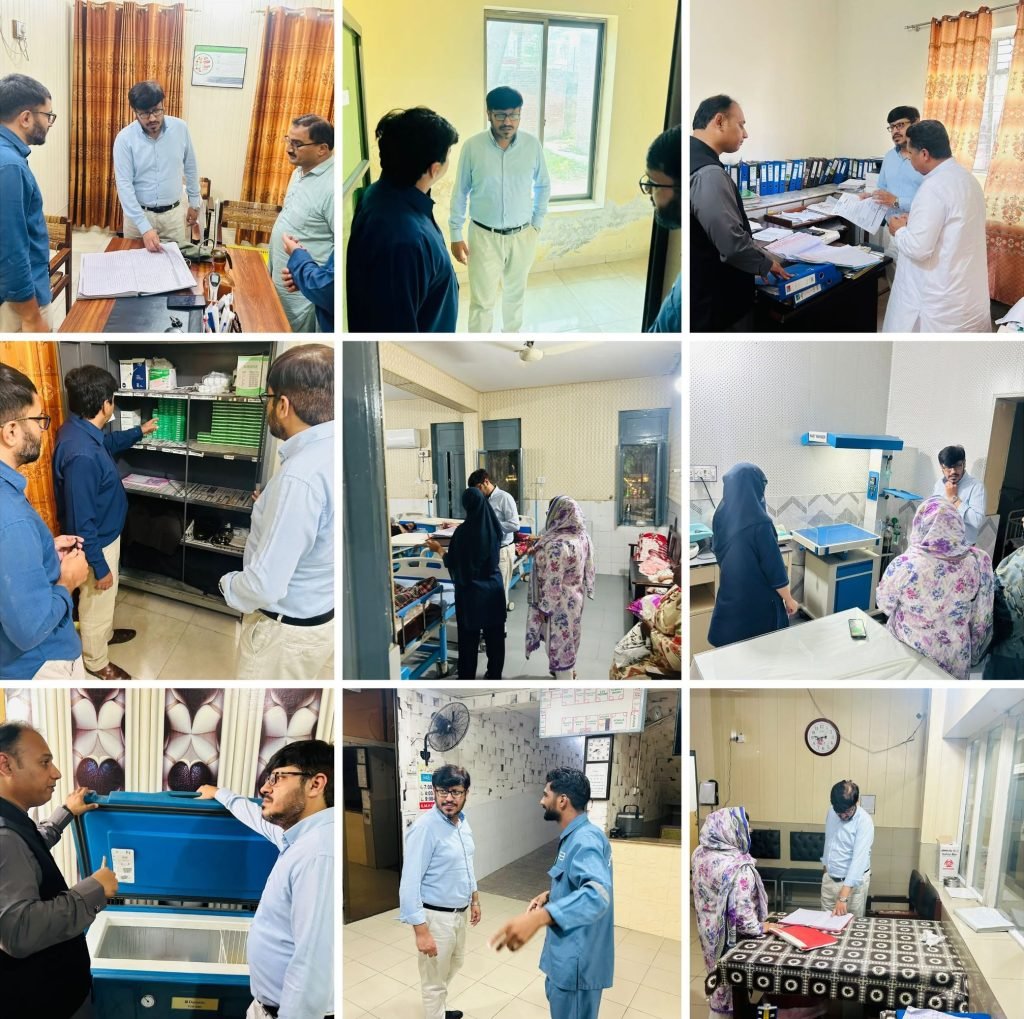
GUJRAT — Dr Syed Ata-ul-Munim, Chief Executive Officer of the District Health Authority Gujrat, conducted an inspection of several healthcare facilities on Thursday. The visit aimed to assess staff attendance, the quality of healthcare services, and administrative operations at key medical institutions in the region. What Happened Dr Syed Ata-ul-Munim’s inspection tour included stops at the Session Court Dispensary, the office of the Deputy District Health Officer, the Integrated Reproductive, Maternal, Newborn & Child Health (IRMNCH) Office, and the Government Maternity Hospital. During his visit, Dr Ata-ul-Munim reviewed the operational aspects of these facilities, focusing on the availability of staff and the quality of services provided to patients. At the Session Court Dispensary, the CEO observed the attendance of medical personnel and discussed the dispensary’s service delivery with the staff. He emphasized the importance of maintaining high standards of healthcare and ensuring that all patients receive timely and effective treatment. In his visit to the Deputy District Health Officer’s office, Dr Ata-ul-Munim evaluated administrative procedures and discussed potential improvements with the office’s leadership. The focus was on enhancing efficiency and ensuring that health policies are implemented effectively at the district level. The IRMNCH Office was another critical stop, where the CEO examined the programs aimed at improving maternal and child health. Discussions with the staff revolved around strategies to enhance the reach and impact of these programs, particularly in underserved areas. Finally, at the Government Maternity Hospital, Dr Ata-ul-Munim assessed the facility’s capacity to handle patient loads and the quality of maternal care services. He stressed the need for continuous training of medical staff to keep pace with modern healthcare practices. Background The District Health Authority in Gujrat is responsible for overseeing public health initiatives and ensuring the delivery of healthcare services across the district. This includes managing hospitals, dispensaries, and health offices, as well as implementing national health policies at the local level. In recent years, the government has prioritized improving healthcare infrastructure and services, particularly in rural and semi-urban areas. The focus has been on enhancing maternal and child health services, reducing mortality rates, and ensuring that healthcare facilities are adequately staffed and equipped. Why It Matters The inspection by Dr Syed Ata-ul-Munim is significant as it underscores the ongoing efforts to improve healthcare delivery in Gujrat, a district that serves a diverse population with varying healthcare needs. By directly engaging with healthcare facilities, the CEO aims to identify gaps in service delivery and address them promptly. For the local population, such inspections are crucial as they ensure accountability and transparency in the healthcare system. Regular evaluations help maintain service quality and can lead to improvements in patient care, which is vital for community health outcomes. Moreover, the focus on maternal and child health programs is particularly important in a country like Pakistan, where maternal and infant mortality rates have been a concern. By strengthening these services, the health authority aims to achieve better health indicators and contribute to national health goals. These efforts also align with broader governmental objectives to enhance public health infrastructure, which is essential for sustainable development and economic growth. A robust healthcare system not only improves quality of life but also supports a productive workforce, contributing to the district’s and the country’s overall progress. Key Takeaways Dr Syed Ata-ul-Munim inspected multiple healthcare facilities in Gujrat to assess service quality and staff attendance. The visit focused on key areas such as maternal and child health, administrative efficiency, and healthcare delivery standards. The inspection is part of ongoing efforts to improve healthcare services and infrastructure in the district. Enhancements in maternal and child health services are crucial for improving national health indicators. The initiative aligns with governmental priorities to strengthen public health systems for sustainable development. Source Attribution This article is based on official government statements, press releases, and public communications from relevant authorities. Author: NEN Editorial Desk | Editor: NEN Newsroom | Fact Checked By: NEN Editorial Team Author: NEN Editorial Desk  |  Editor: NEN Newsroom  |  Last Updated: July 03, 2026  |  Source: NEN Reporter This article was produced by the NEN Editorial Desk in accordance with NEN Agency’s Editorial Policy and Fact-Checking Policy.
President Zardari Mourns Losses in Balochistan Bus Tragedy
Pakistan

President Zardari Mourns Losses in Balochistan Bus Tragedy

ISLAMABAD — President Asif Ali Zardari expressed profound sorrow over the devastating passenger bus accident on the Zhob-Sherani Highway in Balochistan, which resulted in multiple fatalities and injuries. The president, in an official statement released on Friday, extended his condolences to the families of the deceased and prayed for the swift recovery of those injured in the tragic incident. What Happened The accident occurred on the Zhob-Sherani Highway, a major route in Balochistan, known for its challenging terrain and frequent traffic incidents. The passenger bus, carrying numerous passengers, met with a severe accident, leading to several deaths and injuries. The exact number of casualties has yet to be confirmed by local authorities, but initial reports indicate a significant loss of life. President Zardari, addressing the nation, stated, “The entire nation shares the grief of the affected families in this tragic hour.” He emphasized the importance of providing immediate and comprehensive medical care to the injured, directing relevant authorities to ensure that the best possible medical facilities are made available to those affected by the accident. Local emergency services responded swiftly to the incident, transporting the injured to nearby hospitals for urgent treatment. The cause of the accident is under investigation, with preliminary assessments suggesting that adverse road conditions and potential mechanical failure could have played a role. Background Balochistan, Pakistan’s largest province by area, is often plagued by road accidents due to its rugged terrain and underdeveloped infrastructure. The Zhob-Sherani Highway, in particular, is notorious for its narrow paths and sharp turns, which have historically contributed to numerous traffic incidents. Efforts to improve road safety in the region have been ongoing, but challenges remain due to the province’s geographic and economic constraints. In recent years, the Pakistani government has initiated several infrastructure projects aimed at enhancing road safety and connectivity in Balochistan. However, the implementation of these projects has been slow, and the region continues to witness tragic accidents, highlighting the urgent need for comprehensive road safety measures. Why It Matters The tragic accident on the Zhob-Sherani Highway underscores the critical need for improved road safety measures in Balochistan. The loss of lives in such incidents not only devastates families but also impacts the broader community, as many victims are often breadwinners for their households. The economic implications of these accidents are significant, as they contribute to the cycle of poverty and hinder regional development. Politically, the incident places pressure on the government to expedite infrastructure improvements and enforce stricter safety regulations. The recurring nature of such accidents could potentially erode public confidence in the authorities’ ability to ensure citizen safety. Internationally, these incidents may affect Pakistan’s image as it seeks to attract foreign investment and tourism, both of which are crucial for economic growth. Addressing these challenges requires a multi-faceted approach, including investment in infrastructure, public awareness campaigns on road safety, and stringent enforcement of traffic laws. Collaborative efforts between federal and provincial governments, along with support from international partners, could pave the way for meaningful progress in reducing road accidents in the region. Key Takeaways President Asif Ali Zardari expressed deep sorrow over the bus accident on the Zhob-Sherani Highway. The accident resulted in multiple fatalities and injuries, with exact numbers yet to be confirmed. Balochistan’s challenging terrain and infrastructure contribute to frequent road accidents. The incident highlights the urgent need for improved road safety measures and infrastructure development in the region. Addressing these issues is crucial for economic stability and public confidence in government capabilities. Source Attribution This article is based on official government statements, press releases, and public communications from relevant authorities. Author: NEN Editorial Desk | Editor: NEN Newsroom | Fact Checked By: NEN Editorial Team Author: NEN Editorial Desk  |  Editor: NEN Newsroom  |  Last Updated: July 03, 2026  |  Source: Press Release from Government of Pakistan This article was produced by the NEN Editorial Desk in accordance with NEN Agency’s Editorial Policy and Fact-Checking Policy.
Sahiwal DPO Conducts Open Court to Address Public Grievances
Pakistan

Sahiwal DPO Conducts Open Court to Address Public Grievances

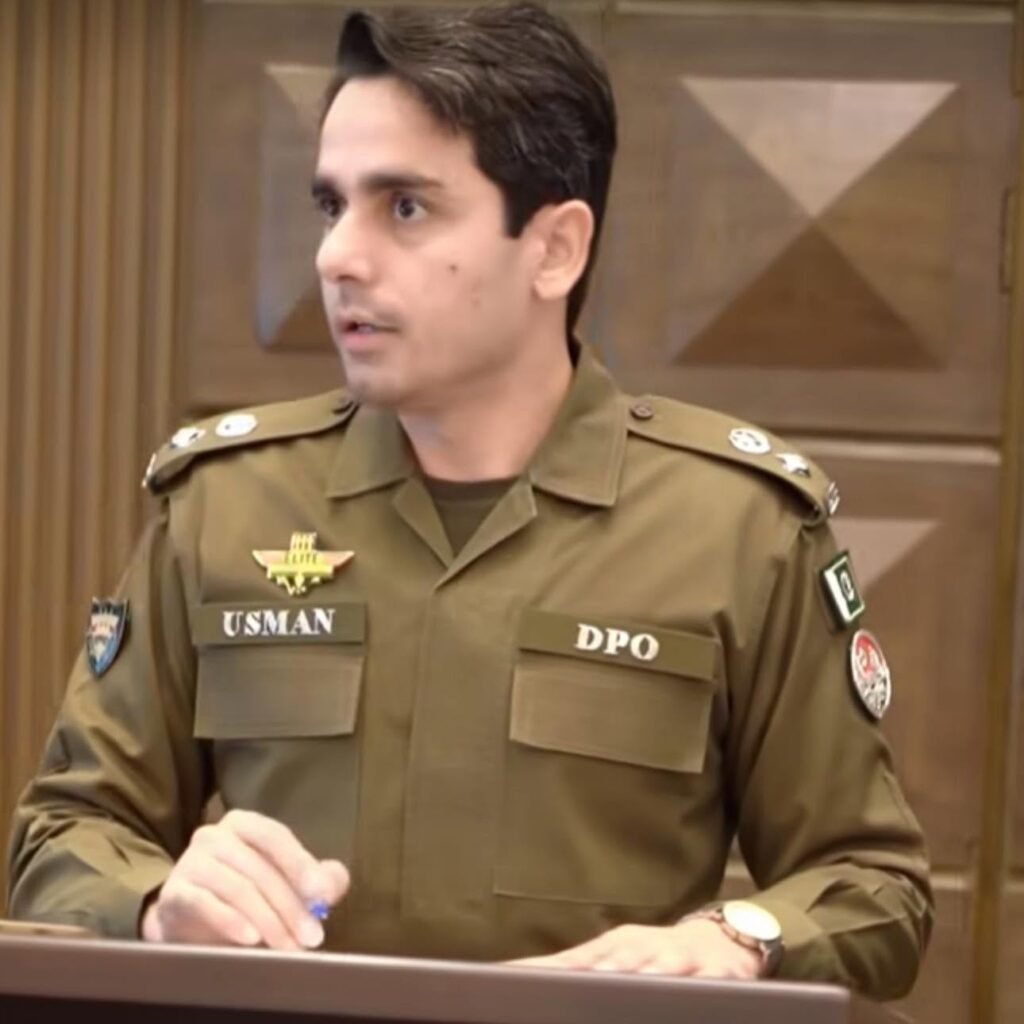
SAHIWAL — District Police Officer (DPO) Muhammad Usman Tipu held an open court session on Friday at the DPO Office Complaint Cell, inviting residents to voice their concerns directly to the district police leadership. The initiative aimed to enhance transparency and trust between the police force and the community. What Happened The open court, organized by DPO Muhammad Usman Tipu, saw a significant turnout of local residents eager to present their grievances. The session was held at the DPO Office Complaint Cell, providing a platform for citizens to engage directly with the police chief. Complaints ranged from issues of local crime, inefficiencies in police response, to concerns about community safety and security. During the session, DPO Tipu assured attendees that their concerns would be addressed promptly and effectively. “We are committed to resolving the issues faced by the community and improving the overall security environment in Sahiwal,” he stated. The DPO also emphasized the importance of community cooperation in maintaining law and order, urging residents to actively participate in crime prevention efforts. The open court initiative is part of a broader effort by the Sahiwal police to foster better communication and collaboration with the community. By addressing complaints directly, the police aim to build trust and ensure accountability within the force. Background Open court sessions are a common practice in various districts across Pakistan, aimed at bridging the gap between law enforcement agencies and the public. These sessions provide an opportunity for citizens to directly interact with police officials, facilitating a transparent dialogue about local issues and concerns. In recent years, the police force in Pakistan has been under scrutiny for its handling of public complaints and its relationship with the community. Initiatives like open courts are part of ongoing reforms to improve the public image of the police and enhance their effectiveness in maintaining law and order. Why It Matters The open court held by DPO Muhammad Usman Tipu is significant for several reasons. Firstly, it represents a proactive approach by the Sahiwal police to address public grievances, demonstrating a commitment to transparency and accountability. Such initiatives are crucial in rebuilding public trust in law enforcement, which has been eroded over the years due to various challenges. Economically, a secure and stable environment is essential for local businesses and investment. By addressing security concerns and improving police-community relations, the Sahiwal police are contributing to a more conducive environment for economic activities. This can lead to increased investment, job creation, and overall economic growth in the region. Socially, the open court serves as a platform for community engagement, empowering citizens to take an active role in shaping their safety and security. This participatory approach can lead to more effective crime prevention strategies, as community members work alongside law enforcement to identify and address potential threats. Politically, such initiatives reflect the government’s broader agenda of police reform and modernization. By prioritizing community engagement and transparency, the government aims to enhance the effectiveness and credibility of law enforcement agencies across the country. Key Takeaways DPO Muhammad Usman Tipu held an open court in Sahiwal to address public grievances. The session aimed to enhance transparency and trust between the police and the community. Open courts are part of broader police reforms to improve public relations and accountability. Improved police-community relations can contribute to economic growth and social stability. The initiative aligns with the government’s agenda for police reform and modernization. Source Attribution This article is based on official government statements, press releases, and public communications from relevant authorities. Author: NEN Editorial Desk | Editor: NEN Newsroom | Fact Checked By: NEN Editorial Team Author: NEN Editorial Desk  |  Editor: NEN Newsroom  |  Last Updated: July 03, 2026  |  Source: NEN Reporter This article was produced by the NEN Editorial Desk in accordance with NEN Agency’s Editorial Policy and Fact-Checking Policy.
Mansehra Police Return Cash and Valuables to Accident Victim’s Family
Pakistan

Mansehra Police Return Cash and Valuables to Accident Victim’s Family

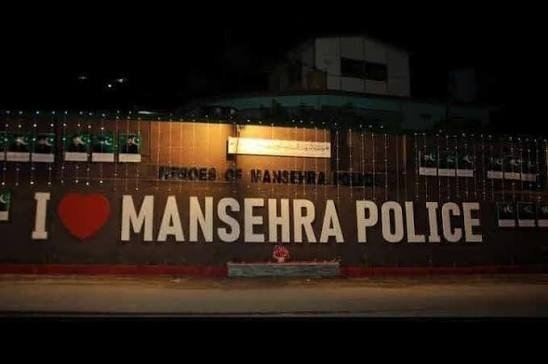
MANSEHRA — The Mansehra Traffic Police have returned Rs 210,000 in cash and other valuables to the family of a deceased road accident victim, showcasing their commitment to integrity and professionalism. The incident occurred on July 3, when Traffic Officer Maroof Khan and his team were returning from traffic control duty at Chattar Battal. What Happened While on their way back from a routine traffic control assignment, Officer Maroof Khan and his team encountered a tragic road accident. The victim, whose identity has not been disclosed, was found deceased at the scene. Upon discovering the cash and valuables with the victim, the officers immediately secured the items and initiated the legal process to ensure their safe return to the rightful owners. The police team followed all necessary legal formalities, including documenting the items and obtaining the required approvals to hand over the belongings to the victim’s family. Officer Khan emphasized the importance of maintaining transparency and accountability in such situations, stating, “Our duty is not only to enforce the law but also to uphold ethical standards and support the community in times of distress.” The family of the deceased expressed gratitude towards the Mansehra Traffic Police for their honesty and support during a difficult time. This act of integrity by the police has been praised by local residents and has set a positive example for law enforcement agencies across the region. Background Mansehra, a district in the Khyber Pakhtunkhwa province, has seen its share of road accidents, often attributed to challenging terrain and traffic congestion. The local traffic police are tasked with managing these issues, ensuring road safety, and responding to incidents promptly. The police force in the region has been working to improve its public image by focusing on community-oriented policing and transparency. In recent years, there have been efforts to enhance the training and resources available to traffic police officers in Mansehra, enabling them to handle emergencies more effectively. This incident highlights the positive impact of these efforts, as officers are better equipped to manage not only traffic control but also the aftermath of accidents with compassion and integrity. Why It Matters The return of cash and valuables by the Mansehra Traffic Police is significant for several reasons. Firstly, it highlights the importance of ethical conduct in law enforcement, particularly in situations involving vulnerable individuals and families. By returning the belongings to the victim’s family, the police have reinforced public trust and demonstrated their commitment to serving the community with integrity. Secondly, this incident underscores the role of the police in supporting families during tragic events. The compassionate actions of Officer Khan and his team provide a model for how law enforcement can positively impact communities, especially in rural areas where resources and support systems may be limited. Moreover, this act of honesty has potential implications for the broader perception of law enforcement in Pakistan. As the country continues to grapple with issues of corruption and mistrust in public institutions, such examples of integrity can contribute to rebuilding confidence in the police force. Key Takeaways The Mansehra Traffic Police returned Rs 210,000 and valuables to a deceased accident victim’s family. Officer Maroof Khan and his team followed legal procedures to ensure the safe return of the items. This act of integrity has been praised by the local community and highlights the importance of ethical conduct in law enforcement. The incident reflects ongoing efforts to improve public trust in the police through community-oriented policing. Such actions can help rebuild confidence in law enforcement institutions across Pakistan. Source Attribution This article is based on official government statements, press releases, and public communications from relevant authorities. Author: NEN Editorial Desk | Editor: NEN Newsroom | Fact Checked By: NEN Editorial Team Author: NEN Editorial Desk  |  Editor: NEN Newsroom  |  Last Updated: July 03, 2026  |  Source: NEN Reporter This article was produced by the NEN Editorial Desk in accordance with NEN Agency’s Editorial Policy and Fact-Checking Policy.

Punjab Food Authority Inspects 31 Outlets, Issues 14 Notices
Pakistan

Punjab Food Authority Inspects 31 Outlets, Issues 14 Notices

LAHORE — The Punjab Food Authority (PFA) conducted inspections at 31 food outlets across the district, issuing 14 notices for violations of hygiene and food safety standards. This action was part of an intensified crackdown directed by Deputy Director PFA Sadia Rafat, aimed at ensuring compliance with food safety regulations. What Happened The PFA’s recent inspections targeted a variety of food businesses, including restaurants, cafes, and roadside eateries. The authority’s teams were tasked with scrutinizing the cleanliness, food handling practices, and overall hygiene of these establishments. Out of the 31 outlets inspected, 14 were found to be non-compliant with the established standards and were consequently issued notices to rectify the identified issues. According to Deputy Director Sadia Rafat, the primary objective of these inspections was to protect public health by ensuring that food businesses adhere to the necessary safety protocols. She stated, “The PFA is committed to upholding food safety standards and will continue its rigorous monitoring to ensure that all food outlets maintain the required hygiene levels.” The inspections revealed various infractions, including improper food storage, inadequate sanitation facilities, and the use of expired ingredients. The PFA teams provided guidance to the non-compliant outlets on how to address these issues and improve their practices. Outlets that fail to comply with the notices within the stipulated time frame could face further legal action, including fines or closure. Background The Punjab Food Authority was established to regulate and monitor food safety standards across the province. It operates under the Punjab Food Authority Act, which empowers it to conduct inspections, issue notices, and take corrective action against violators. The PFA’s mandate includes ensuring that food products are safe for consumption and that food businesses operate in a hygienic environment. In recent years, the PFA has intensified its efforts to combat food safety violations, conducting regular inspections and launching awareness campaigns to educate food business operators about the importance of maintaining high hygiene standards. The authority has also been proactive in taking action against those who fail to comply with the regulations, thereby safeguarding public health. Why It Matters The PFA’s crackdown on food safety violations is crucial for several reasons. Firstly, it directly impacts public health by reducing the risk of foodborne illnesses, which can have severe consequences for consumers. By ensuring that food outlets adhere to hygiene standards, the PFA helps prevent outbreaks of diseases that can result from contaminated food. Economically, maintaining high food safety standards is essential for the hospitality and food service industries, which are significant contributors to the local economy. Compliance with these standards enhances consumer confidence, leading to increased patronage and business growth. Conversely, non-compliance can result in reputational damage and financial losses for food businesses. On a broader scale, the PFA’s actions align with national efforts to improve public health and safety. By setting a precedent for strict enforcement of food safety regulations, the authority supports the government’s objectives of ensuring the well-being of its citizens and promoting a healthy society. Key Takeaways The Punjab Food Authority inspected 31 food outlets, issuing 14 notices for hygiene violations. Inspections revealed issues such as improper food storage and inadequate sanitation. Non-compliant outlets have been given a timeframe to rectify violations or face further action. The PFA’s efforts are part of a broader initiative to enhance food safety and public health. Compliance with food safety standards is vital for consumer confidence and economic growth. Source Attribution This article is based on official statements from the Punjab Food Authority and public communications from relevant authorities. Author: NEN Editorial Desk | Editor: NEN Newsroom | Fact Checked By: NEN Editorial Team Author: NEN Editorial Desk  |  Editor: NEN Newsroom  |  Last Updated: July 03, 2026  |  Source: NEN Reporter This article was produced by the NEN Editorial Desk in accordance with NEN Agency’s Editorial Policy and Fact-Checking Policy.

Scroll to Top