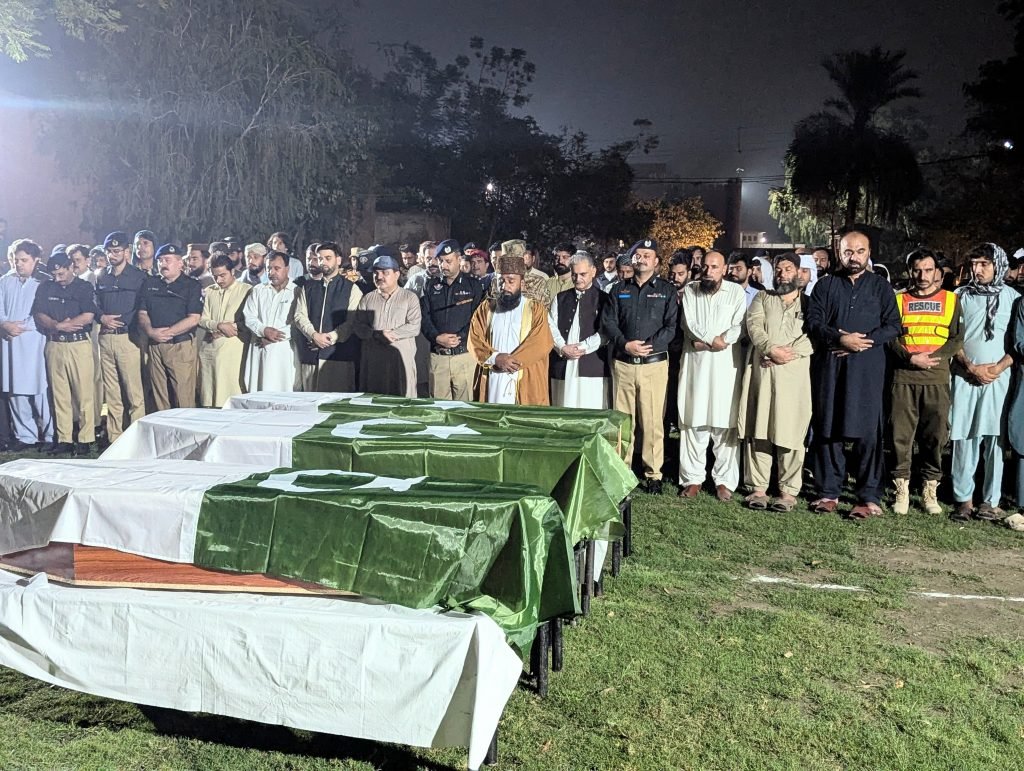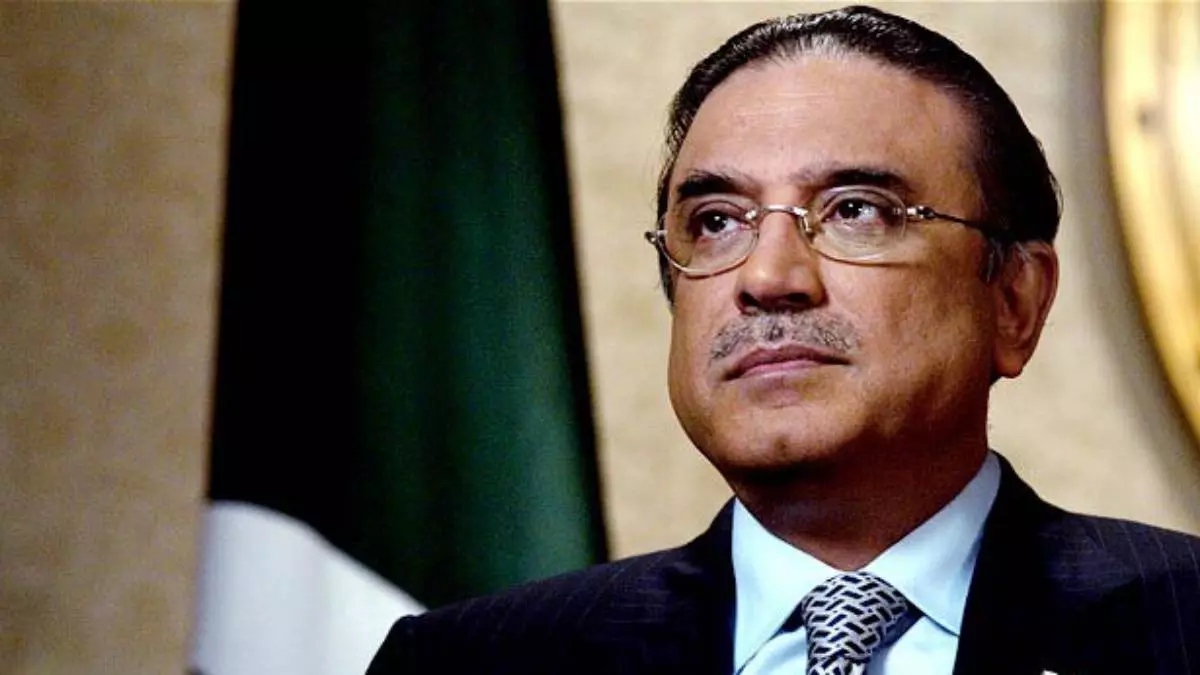
ISLAMABAD — President Asif Ali Zardari expressed profound sorrow over the devastating passenger bus accident on the Zhob-Sherani Highway in Balochistan, which resulted in multiple fatalities and injuries. The president, in an official statement released on Friday, extended his condolences to the families of the deceased and prayed for the swift recovery of those injured in the tragic incident.
What Happened
The accident occurred on the Zhob-Sherani Highway, a major route in Balochistan, known for its challenging terrain and frequent traffic incidents. The passenger bus, carrying numerous passengers, met with a severe accident, leading to several deaths and injuries. The exact number of casualties has yet to be confirmed by local authorities, but initial reports indicate a significant loss of life.
President Zardari, addressing the nation, stated, “The entire nation shares the grief of the affected families in this tragic hour.” He emphasized the importance of providing immediate and comprehensive medical care to the injured, directing relevant authorities to ensure that the best possible medical facilities are made available to those affected by the accident.
Local emergency services responded swiftly to the incident, transporting the injured to nearby hospitals for urgent treatment. The cause of the accident is under investigation, with preliminary assessments suggesting that adverse road conditions and potential mechanical failure could have played a role.
Background
Balochistan, Pakistan’s largest province by area, is often plagued by road accidents due to its rugged terrain and underdeveloped infrastructure. The Zhob-Sherani Highway, in particular, is notorious for its narrow paths and sharp turns, which have historically contributed to numerous traffic incidents. Efforts to improve road safety in the region have been ongoing, but challenges remain due to the province’s geographic and economic constraints.
In recent years, the Pakistani government has initiated several infrastructure projects aimed at enhancing road safety and connectivity in Balochistan. However, the implementation of these projects has been slow, and the region continues to witness tragic accidents, highlighting the urgent need for comprehensive road safety measures.
Why It Matters
The tragic accident on the Zhob-Sherani Highway underscores the critical need for improved road safety measures in Balochistan. The loss of lives in such incidents not only devastates families but also impacts the broader community, as many victims are often breadwinners for their households. The economic implications of these accidents are significant, as they contribute to the cycle of poverty and hinder regional development.
Politically, the incident places pressure on the government to expedite infrastructure improvements and enforce stricter safety regulations. The recurring nature of such accidents could potentially erode public confidence in the authorities’ ability to ensure citizen safety. Internationally, these incidents may affect Pakistan’s image as it seeks to attract foreign investment and tourism, both of which are crucial for economic growth.
Addressing these challenges requires a multi-faceted approach, including investment in infrastructure, public awareness campaigns on road safety, and stringent enforcement of traffic laws. Collaborative efforts between federal and provincial governments, along with support from international partners, could pave the way for meaningful progress in reducing road accidents in the region.
Key Takeaways
- President Asif Ali Zardari expressed deep sorrow over the bus accident on the Zhob-Sherani Highway.
- The accident resulted in multiple fatalities and injuries, with exact numbers yet to be confirmed.
- Balochistan’s challenging terrain and infrastructure contribute to frequent road accidents.
- The incident highlights the urgent need for improved road safety measures and infrastructure development in the region.
- Addressing these issues is crucial for economic stability and public confidence in government capabilities.
Source Attribution
This article is based on official government statements, press releases, and public communications from relevant authorities.