
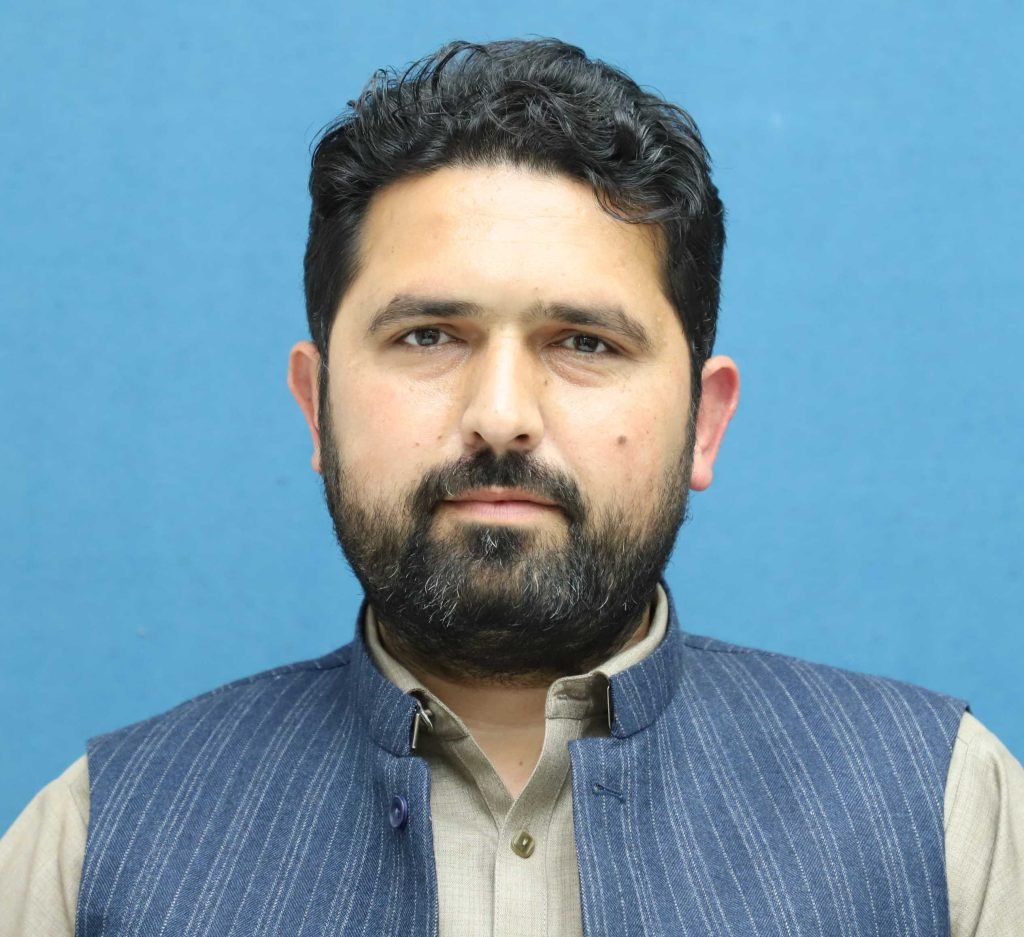
Author name: Yasir Zubairi

Yasir Zubairi is the founder and publisher of NEN Agency (News Era Network). He leads NEN's coverage of Pakistan's national affairs, economy, foreign relations and sports, and is responsible for the accuracy and standards of every story published on nenagency.com.

KP Chief Minister Condemns Dera Ismail Khan Terrorist Attack
Pakistan

KP Chief Minister Condemns Dera Ismail Khan Terrorist Attack

PESHAWAR — Khyber Pakhtunkhwa Chief Minister Muhammad Sohail Afridi has issued a strong condemnation of the recent terrorist attack in Dera Ismail Khan, describing it as a cowardly act perpetrated by miscreants. The attack, which occurred on Saturday, has resulted in the loss of several lives, further exacerbating the region’s ongoing struggle with violence. What Happened In a video message released on Saturday, Chief Minister Afridi expressed profound sorrow over the tragic loss of life in Dera Ismail Khan. He highlighted the persistent threat of terrorism that has plagued the Pashtun community, noting that citizens have been martyred daily amidst a renewed wave of violence. Afridi emphasized that warnings had been issued during the formulation of the terrorist resettlement policy, anticipating that the region would once again face the grim task of burying its dead. The Chief Minister criticized the lack of progress towards sustainable peace, despite a specific policy being in place for the past 22 years. He lamented that calls for a change in approach have repeatedly gone unheeded. Afridi stated that the Khyber Pakhtunkhwa government has independently taken every possible measure to ensure peace across the region. To bolster the security forces, funds from the 2025–26 development budget were reallocated, providing the police with an additional 35 billion rupees. Payments have been made to federal agencies to equip the police with modern weaponry, equipment, and infrastructure. However, Afridi noted that the necessary gear and Armoured Personnel Carriers (APCs) have yet to be delivered. For the 2026–27 fiscal year, the police budget has been increased by 103 percent to 191 billion rupees. Afridi stressed that frontline officers must receive their required supplies without further delay, stating that the province can no longer bear to witness continued bloodshed or carry more coffins. Background Khyber Pakhtunkhwa has been a hotspot for terrorist activities for many years, with various groups operating in the region. The province has faced numerous challenges in maintaining security, despite ongoing efforts by both provincial and federal governments. The resettlement policy, aimed at reintegrating former militants, has been in effect for over two decades but has faced criticism for its lack of effectiveness in achieving lasting peace. The region’s strategic location, bordering Afghanistan, has made it vulnerable to cross-border insurgencies and has complicated efforts to stabilize the area. The provincial government’s attempts to enhance security infrastructure and capabilities have been met with logistical challenges, including delays in the delivery of essential equipment and resources. Why It Matters The continued violence in Khyber Pakhtunkhwa has significant implications for the province’s socio-economic development and the overall stability of Pakistan. The persistent threat of terrorism not only endangers lives but also hinders investment and economic growth in the region. The inability to ensure security affects public confidence and deters potential investors, further exacerbating economic challenges. Politically, the situation underscores the need for a comprehensive review of existing policies and strategies to combat terrorism. The provincial government’s call for increased support and resources from federal agencies highlights the necessity for a coordinated approach to address security challenges effectively. Internationally, the ongoing violence in Khyber Pakhtunkhwa draws attention to Pakistan’s role in regional security dynamics. The country’s efforts to combat terrorism are closely monitored by global partners, and the success or failure of these efforts has implications for international relations and aid. Key Takeaways Khyber Pakhtunkhwa Chief Minister Muhammad Sohail Afridi condemned the terrorist attack in Dera Ismail Khan. The attack highlights ongoing security challenges in the region, with daily casualties reported. The provincial government has increased the police budget significantly to enhance security measures. Delays in the delivery of essential equipment and resources continue to hinder security efforts. The situation underscores the need for a coordinated approach to combat terrorism effectively. Source Attribution This article is based on official government statements, press releases, and public communications from relevant authorities. Author: NEN Editorial Desk | Editor: NEN Newsroom | Fact Checked By: NEN Editorial Team Author: NEN Editorial Desk  |  Editor: NEN Newsroom  |  Last Updated: September 26, 2026  |  Source: Press Release from Government of Pakistan This article was produced by the NEN Editorial Desk in accordance with NEN Agency’s Editorial Policy and Fact-Checking Policy.
5th Samarkand Forum on Human Rights Set for September 28–29 in Uzbekistan
World

5th Samarkand Forum on Human Rights Set for September 28–29 in Uzbekistan

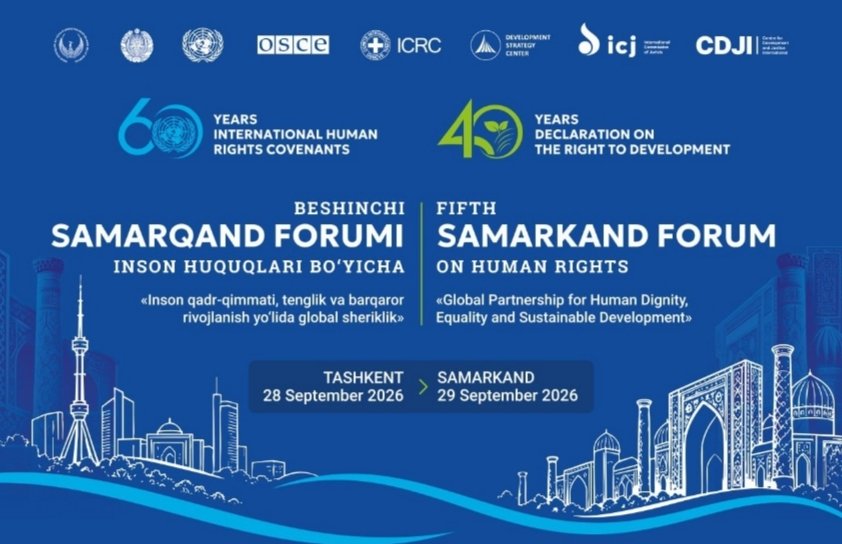
ISLAMABAD — Uzbekistan is gearing up to host the 5th Samarkand Forum on Human Rights from September 28 to 29, 2026. The event will bring together a diverse group of international experts, representatives from global and regional organizations, government officials, national human rights bodies, academics, and civil society members. The forum aims to address critical issues related to human rights, sustainable development, and international cooperation. What Happened The 5th Samarkand Forum on Human Rights is set to take place in Uzbekistan, gathering a wide array of stakeholders to deliberate on vital human rights issues. Scheduled for September 28–29, 2026, the forum will serve as a platform for dialogue and collaboration among international experts, government representatives, and civil society organizations. Participants will engage in discussions on pressing human rights challenges, explore sustainable development strategies, and foster international cooperation. The forum is expected to feature keynote speeches, panel discussions, and workshops led by prominent figures in the field of human rights. Topics will include the promotion of human rights in the context of global challenges, the role of international organizations in safeguarding rights, and innovative approaches to sustainable development. According to the organizers, the event will also focus on enhancing regional cooperation and sharing best practices in human rights protection. The forum aims to produce actionable recommendations that can be implemented by participating countries and organizations. Background The Samarkand Forum on Human Rights has become a significant event in the international human rights calendar since its inception. The forum provides a unique opportunity for stakeholders to come together and discuss strategies for addressing human rights issues in a rapidly changing world. Previous editions of the forum have successfully facilitated dialogue and collaboration among diverse participants, contributing to the advancement of human rights and sustainable development goals. Uzbekistan, as the host country, has been actively involved in promoting human rights and sustainable development. The nation has undertaken several initiatives to align its policies with international human rights standards and has been working closely with global and regional organizations to enhance its human rights framework. Why It Matters The 5th Samarkand Forum on Human Rights holds significant importance for several reasons. Firstly, it provides a platform for international dialogue on human rights issues at a time when global challenges such as climate change, migration, and economic inequality are impacting human rights worldwide. By bringing together a diverse group of stakeholders, the forum encourages the sharing of ideas and experiences, which can lead to innovative solutions and collaborative efforts. Secondly, the forum’s focus on sustainable development highlights the interconnectedness of human rights and environmental issues. As countries strive to achieve the United Nations Sustainable Development Goals (SDGs), the integration of human rights principles into sustainable development strategies becomes increasingly crucial. The forum’s discussions are expected to contribute to the development of policies that promote both human rights and environmental sustainability. Finally, the event underscores Uzbekistan’s commitment to advancing human rights within its borders and beyond. By hosting the forum, Uzbekistan positions itself as a key player in the international human rights arena, demonstrating its willingness to engage with global partners and contribute to the development of effective human rights policies. Key Takeaways The 5th Samarkand Forum on Human Rights will take place in Uzbekistan on September 28–29, 2026. The event will gather international experts, government representatives, and civil society members to discuss human rights issues. Key topics include sustainable development, international cooperation, and regional collaboration in human rights protection. The forum aims to produce actionable recommendations for participating countries and organizations. Uzbekistan’s hosting of the forum highlights its commitment to advancing human rights and sustainable development. Source Attribution This article is based on official government statements, press releases, and public communications from relevant authorities. Author: NEN Editorial Desk | Editor: NEN Newsroom | Fact Checked By: NEN Editorial Team Author: NEN Editorial Desk  |  Editor: NEN Newsroom  |  Last Updated: September 26, 2026  |  Source: NEN Reporter This article was produced by the NEN Editorial Desk in accordance with NEN Agency’s Editorial Policy and Fact-Checking Policy.
FCCI Urges Faisalabad Route for Outsourced Cargo Express Service
Pakistan

FCCI Urges Faisalabad Route for Outsourced Cargo Express Service

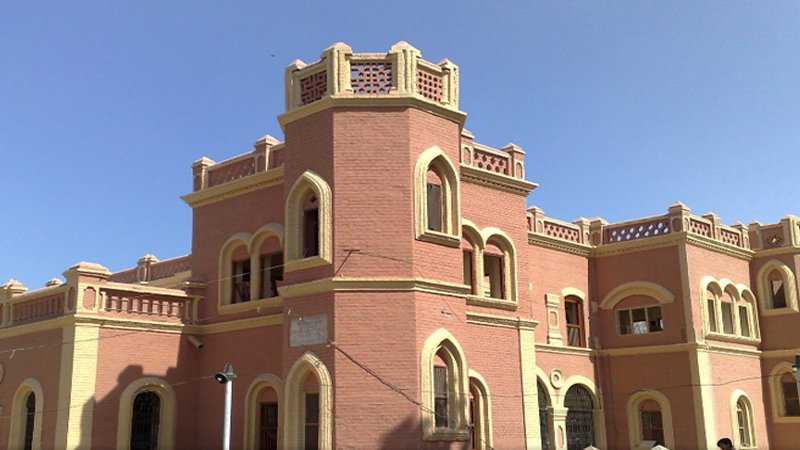
FAISALABAD — The President of the Faisalabad Chamber of Commerce & Industry (FCCI), Farooq Yousaf Sheikh, has expressed support for Pakistan Railways’ decision to outsource the commercial management of its Cargo Express service to the private sector. He has urged the authorities to consider routing the proposed train through Faisalabad to accommodate the city’s increasing import and export demands. What Happened In a recent statement, FCCI President Farooq Yousaf Sheikh welcomed the move by Pakistan Railways to involve the private sector in the management of its Cargo Express service. Sheikh emphasized the strategic importance of Faisalabad, a major industrial hub, in the national logistics network. He stated, “Routing the Cargo Express through Faisalabad will significantly enhance the efficiency of trade operations, benefiting numerous businesses reliant on timely and cost-effective transport solutions.” Sheikh highlighted that Faisalabad’s industrial sector has been experiencing substantial growth, necessitating improved logistical support to meet the rising demands of importers and exporters. He argued that the inclusion of Faisalabad in the Cargo Express route would not only facilitate local businesses but also contribute to the broader economic development of the region. The Cargo Express service, currently managed by Pakistan Railways, is set to undergo a transformation as its commercial management is handed over to private entities. This initiative is part of a broader strategy to enhance efficiency and service quality within the rail freight sector. The FCCI president’s call reflects the local business community’s interest in ensuring that Faisalabad remains a key node in the country’s logistics network. Background Faisalabad, often referred to as the “Manchester of Pakistan,” is a pivotal industrial city known for its textile industry. The city’s strategic location and industrial capacity make it an essential part of Pakistan’s economic landscape. Historically, the region has relied heavily on rail and road networks to facilitate trade and commerce. Pakistan Railways, the state-owned enterprise responsible for rail transport, has been exploring various strategies to revitalize its services, including the outsourcing of certain operations to private entities. This approach aims to leverage private sector efficiencies and expertise to improve service delivery and financial performance. The decision to outsource the Cargo Express service is part of these efforts, seeking to enhance operational efficiency and expand the service’s reach across the country. The involvement of private management is expected to bring about improvements in scheduling, service reliability, and customer satisfaction. Why It Matters The proposal to route the Cargo Express through Faisalabad carries significant implications for the local and national economy. Faisalabad’s industrial sector, particularly its textile industry, plays a crucial role in Pakistan’s export economy. Efficient logistics are vital for maintaining competitive edge in international markets, and improved rail services could reduce transportation costs and transit times for businesses. For the broader economy, enhancing the rail freight network through private sector involvement could lead to increased trade volumes, reduced road congestion, and lower carbon emissions. The move aligns with Pakistan’s broader economic goals of improving infrastructure and fostering industrial growth. Moreover, the success of this initiative could serve as a model for other regions and sectors, demonstrating the potential benefits of public-private partnerships in revitalizing state-owned enterprises. It could also attract further investment in the logistics sector, spurring innovation and development. Key Takeaways FCCI President Farooq Yousaf Sheikh supports the outsourcing of Pakistan Railways’ Cargo Express service. Sheikh advocates for routing the service through Faisalabad to support local industrial growth. Faisalabad’s inclusion in the route could enhance trade efficiency and economic development. The initiative is part of broader efforts to improve rail freight services through private sector involvement. Successful implementation could serve as a model for public-private partnerships in Pakistan. Source Attribution This article is based on official government statements, press releases, and public communications from relevant authorities. Author: NEN Editorial Desk | Editor: NEN Newsroom | Fact Checked By: NEN Editorial Team Author: NEN Editorial Desk  |  Editor: NEN Newsroom  |  Last Updated: September 26, 2026  |  Source: Press Release from Government of Pakistan This article was produced by the NEN Editorial Desk in accordance with NEN Agency’s Editorial Policy and Fact-Checking Policy.
HCSTSI Office Bearers Election Scheduled for September 28
Pakistan

HCSTSI Office Bearers Election Scheduled for September 28

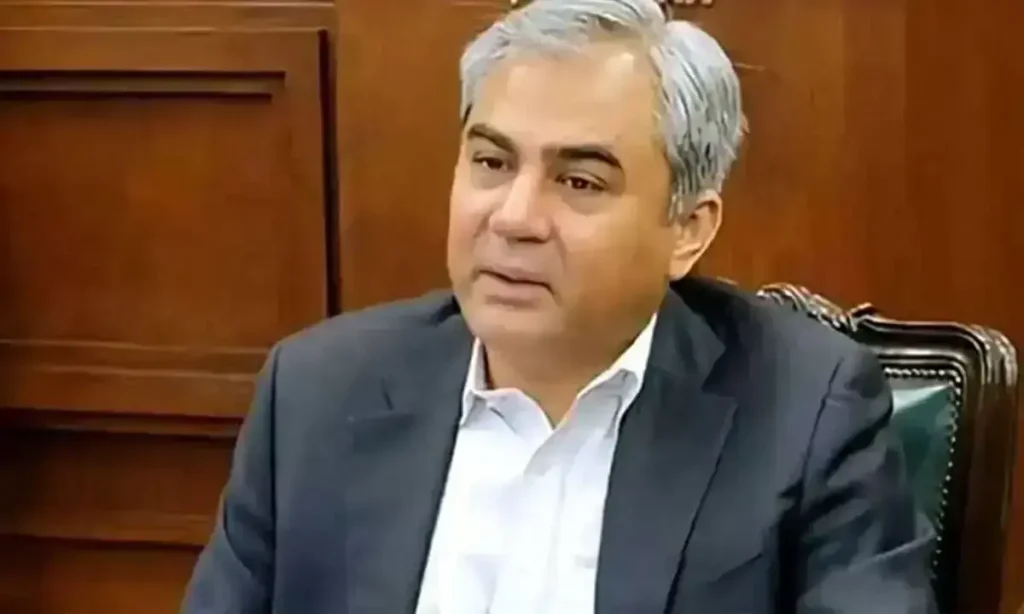
HYDERABAD — The election for the office bearers of the Hyderabad Chamber of Small Traders & Small Industry (HCSTSI) is set to take place on September 28, 2026. This announcement was made by Furqan Ahmed Lodhi, the Secretary General and Returning Officer of the Election Commission for the term 2026–28. What Happened The HCSTSI has announced that the election for its office bearers will occur on September 28, 2026. Furqan Ahmed Lodhi, who serves as both the Secretary General and the Returning Officer, confirmed that the nomination papers for the election were submitted by the deadline of September 24, 2026. This election is significant for the chamber as it will determine the leadership for the upcoming two-year term, guiding the organization’s activities and policies. The candidates for various positions within the chamber have been finalized, although specific names and positions have not been disclosed in the announcement. The election process is expected to adhere strictly to the guidelines set forth by the chamber’s governing rules, ensuring a fair and transparent election. The HCSTSI plays a crucial role in representing the interests of small traders and industries in Hyderabad, making these elections pivotal for the local business community. Background The Hyderabad Chamber of Small Traders & Small Industry is an influential body that advocates for the needs and concerns of small businesses in the region. Established to support the economic growth of small traders and industries, the chamber provides a platform for dialogue with government bodies and other stakeholders. The election of its office bearers is a routine process that occurs every two years, as per the chamber’s constitution. Historically, the chamber has been instrumental in various initiatives aimed at improving business conditions and fostering economic development in Hyderabad. It has also been involved in policy advocacy, aiming to secure favorable conditions for small traders and industries. The elections are a critical component of its governance, ensuring that leadership remains dynamic and responsive to the changing needs of its members. Why It Matters The election of new office bearers for the HCSTSI is a significant event for the local business community in Hyderabad. The chamber’s leadership plays a vital role in shaping policies that affect small traders and industries, which are crucial to the region’s economy. Effective leadership can lead to enhanced support and resources for these businesses, contributing to economic stability and growth. Small businesses are often considered the backbone of the economy, providing employment and contributing to GDP. In Pakistan, where economic challenges are prevalent, the role of small industries is even more critical. The chamber’s leadership can influence local economic policies, advocate for better infrastructure, and provide training and development opportunities for its members. This election, therefore, holds significant implications for the economic well-being of Hyderabad’s business community. Moreover, the outcome of the election could set a precedent for how small business interests are represented at a regional level, potentially influencing broader policy decisions. As the chamber engages with governmental and non-governmental organizations, its leadership will be crucial in negotiating favorable terms and conditions for small traders and industries. Thus, the election is not just a matter of internal governance but also a determinant of the chamber’s future influence and effectiveness. Key Takeaways The HCSTSI election is scheduled for September 28, 2026, with nominations closed on September 24. The chamber plays a vital role in supporting small traders and industries in Hyderabad. Effective leadership in the chamber can significantly impact local economic policies. The election outcome will influence the chamber’s ability to advocate for its members. Small businesses are crucial to Pakistan’s economic stability and growth. Source Attribution This article is based on official government statements, press releases, and public communications from relevant authorities. Author: NEN Editorial Desk | Editor: NEN Newsroom | Fact Checked By: NEN Editorial Team Author: NEN Editorial Desk  |  Editor: NEN Newsroom  |  Last Updated: September 26, 2026  |  Source: NEN Reporter This article was produced by the NEN Editorial Desk in accordance with NEN Agency’s Editorial Policy and Fact-Checking Policy.
Interior Minister Condemns Attack On Ambulance In DI Khan
Pakistan

Interior Minister Condemns Attack On Ambulance In DI Khan

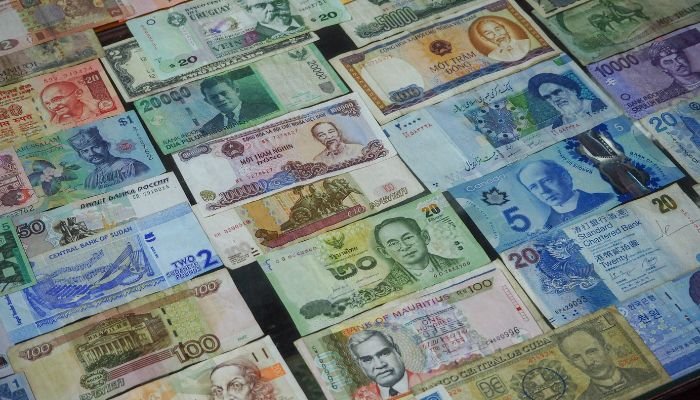
ISLAMABAD — Federal Interior Minister Mohsin Naqvi on Saturday issued a strong condemnation of the recent attack on an ambulance carrying victims of a suicide blast in Dera Ismail Khan. The incident, which resulted in the deaths of two rescue workers, has drawn widespread criticism and highlighted the ongoing challenges faced by emergency responders in conflict zones. What Happened The tragic event unfolded when an ambulance, tasked with transporting injured victims of a suicide blast in the Dera Ismail Khan area, came under fire. The attack resulted in the martyrdom of two rescue workers, both of whom were actively engaged in providing critical assistance to those affected by the initial explosion. Interior Minister Mohsin Naqvi expressed deep sorrow over the loss of life and extended his condolences to the families of the deceased personnel. In his statement, Minister Naqvi described the attack as an act of extreme brutality, perpetrated by what he termed as ‘Khawarij,’ a historical reference to extremist factions. He emphasized that the assault on the ambulance was a blatant disregard for human life and humanitarian efforts. The minister reiterated that no level of condemnation could adequately capture the heinous nature of the crime, which targeted individuals dedicated to saving lives. Naqvi also highlighted the disturbing trend of targeting rescue workers, who are often the first line of aid in emergency situations. He called for a thorough investigation into the incident and urged authorities to bring the perpetrators to justice promptly. Background Dera Ismail Khan, a district in Khyber Pakhtunkhwa, has been a focal point of various militant activities over the years. The region has witnessed numerous attacks, often targeting security forces and civilians alike. The recent suicide blast, which prompted the ambulance’s deployment, is part of a broader pattern of violence that has plagued the area. Historically, rescue workers in Pakistan have faced significant risks while performing their duties in conflict zones. The attack on the ambulance is reminiscent of past incidents where emergency responders have been targeted, underscoring the perilous conditions under which they operate. Why It Matters The attack on the ambulance in Dera Ismail Khan has significant implications for Pakistan’s ongoing struggle against terrorism and militancy. It highlights the vulnerabilities faced by emergency services in conflict-affected areas and raises questions about the safety and security of rescue operations. The incident also reflects the broader challenges in ensuring the protection of humanitarian workers, who play a crucial role in mitigating the impact of violence on civilian populations. Economically, such attacks can strain resources, as additional measures are required to safeguard emergency personnel. This can lead to increased operational costs and potentially hinder the timely delivery of aid to those in need. Socially, the targeting of rescue workers can have a demoralizing effect on communities, as it undermines trust in the ability of authorities to protect and assist citizens in times of crisis. Politically, the attack poses a challenge to the government’s efforts to maintain stability and security in volatile regions. It underscores the need for enhanced security protocols and a comprehensive strategy to address the root causes of militancy in the area. Internationally, incidents like these can impact Pakistan’s reputation, as they highlight ongoing security challenges and the need for sustained efforts to combat extremism. Key Takeaways Interior Minister Mohsin Naqvi condemned the attack on an ambulance in Dera Ismail Khan. The incident resulted in the deaths of two rescue workers, highlighting the risks faced by emergency responders. Dera Ismail Khan has a history of militant activities, complicating rescue operations. The attack underscores the need for enhanced security measures for humanitarian workers. It poses challenges to Pakistan’s efforts to ensure stability and combat extremism. Source Attribution This article is based on official government statements, press releases, and public communications from relevant authorities. Author: NEN Editorial Desk | Editor: NEN Newsroom | Fact Checked By: NEN Editorial Team Author: NEN Editorial Desk  |  Editor: NEN Newsroom  |  Last Updated: September 26, 2026  |  Source: Press Release from Government of Pakistan This article was produced by the NEN Editorial Desk in accordance with NEN Agency’s Editorial Policy and Fact-Checking Policy.
NBP Releases Latest Currency Exchange Rates Amid Market Volatility
Pakistan

NBP Releases Latest Currency Exchange Rates Amid Market Volatility

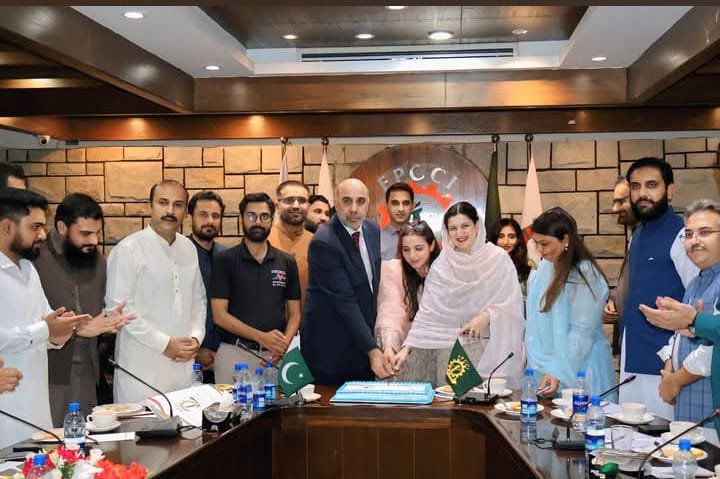
KARACHI — The National Bank of Pakistan (NBP) has announced the latest buying and selling rates for major foreign currencies, reflecting ongoing fluctuations in the foreign exchange market. The updated rates were issued on Friday, September 25, as the country continues to navigate economic challenges. What Happened The NBP released the currency exchange rates for several major currencies, providing a snapshot of the current market conditions. The US dollar (USD) was listed with a selling rate of PKR 278.94 and a buying rate of PKR 275.94. The British pound (GBP) was quoted at a selling rate of PKR 368.53 and a buying rate of PKR 364.18. Meanwhile, the euro (EUR) was priced at PKR 317.14 for selling and PKR 313.40 for buying. In addition to these, the Japanese yen (JPY) was available at a selling rate of PKR 1.7617 and a buying rate of PKR 1.7410. The Saudi riyal (SAR) and the United Arab Emirates dirham (AED) were also included in the list, with the SAR selling at PKR 74.26 and buying at PKR 73.38, while the AED was priced at PKR 75.95 for selling and PKR 75.06 for buying. This release of currency rates is a routine procedure by the NBP, aimed at providing transparency and aiding businesses and individuals in making informed financial decisions. The rates are subject to daily fluctuations based on market dynamics, including demand and supply, geopolitical developments, and economic indicators. Background Pakistan’s foreign exchange market has been experiencing significant volatility due to various internal and external factors. Historically, the country’s currency has faced pressure from a high import bill, dwindling foreign reserves, and geopolitical tensions. The State Bank of Pakistan (SBP) has been actively involved in managing the exchange rate through monetary policy tools and interventions in the forex market. The NBP, as one of the leading financial institutions in Pakistan, plays a crucial role in disseminating exchange rate information. It provides guidance to businesses engaged in international trade and individuals involved in foreign exchange transactions. The bank’s updates are considered a reliable source for gauging the current state of the forex market. Why It Matters The release of these currency exchange rates is significant for several reasons. Economically, the exchange rates impact the cost of imports and exports, influencing inflation and the overall economic stability of the country. Businesses that rely on imported goods or export products need to keep a close eye on these rates to manage their costs and pricing strategies effectively. On a social level, the exchange rates affect the purchasing power of citizens, particularly those who rely on remittances from abroad. A stronger local currency can increase the value of remittances, providing more financial support to families. Conversely, a weaker currency may reduce the purchasing power of these remittances, impacting household budgets. Politically, exchange rate stability is crucial for maintaining investor confidence. Fluctuating rates can deter foreign investment, which is vital for economic growth and development. The government’s ability to manage the exchange rate effectively is often seen as a measure of its economic competence. Key Takeaways The NBP has released updated currency exchange rates for major currencies, reflecting market conditions. The US dollar is selling at PKR 278.94 and buying at PKR 275.94, among other rates. Exchange rates impact the cost of imports, exports, and the purchasing power of remittances. Stable exchange rates are crucial for maintaining economic stability and investor confidence. The NBP’s updates provide transparency and aid financial decision-making for businesses and individuals. Source Attribution This article is based on official government statements and public communications from relevant authorities. Author: NEN Editorial Desk | Editor: NEN Newsroom | Fact Checked By: NEN Editorial Team Author: NEN Editorial Desk  |  Editor: NEN Newsroom  |  Last Updated: September 26, 2026  |  Source: NEN Reporter This article was produced by the NEN Editorial Desk in accordance with NEN Agency’s Editorial Policy and Fact-Checking Policy.

Pharmacists’ Expanding Role in Healthcare Emphasized on World Pharmacists Day
World

Pharmacists’ Expanding Role in Healthcare Emphasized on World Pharmacists Day

ISLAMABAD — The Pakistan Pharmacists Association (PPA) celebrated World Pharmacists Day with a ceremony that underscored the growing importance of pharmacists in patient care and healthcare delivery. The event, held on September 26 at the Federation of Pakistan Chambers of Commerce and Industry (FPCCI), was attended by key figures in the healthcare sector, including District Health Officer Islamabad Dr Syeda Rashida Batool, pharmacists, and representatives from the PPA. What Happened The ceremony, organized by PPA Islamabad, Azad Jammu and Kashmir, and Gilgit-Baltistan, focused on the evolving role of pharmacists beyond traditional duties. Dr Syeda Rashida Batool, serving as the chief guest, participated in the event alongside other healthcare professionals. The gathering highlighted recent initiatives by the Health Department Islamabad, which issued a notification to implement comprehensive pharmacy services as per the Drug Regulatory Authority of Pakistan (DRAP) Act. PPA Islamabad, AJK, and GB President Khakan Babar, along with Secretary Drug Control Wing and Senior Vice President PPA Sardar Shabbir Ahmed, commended these efforts. They emphasized that the new measures would enhance pharmacy services, including patient counselling, prescription review, dispensing, and pharmacovigilance. These steps aim to transition from a system primarily focused on inspection and licensing to one that actively contributes to patient care. Dr Batool also took part in a cake-cutting ceremony to mark World Pharmacists Day, acknowledging the critical contributions pharmacists make to public health and welfare. The PPA members reiterated their dedication to supporting reforms that improve pharmacy services and ensure better healthcare outcomes for the population. Background World Pharmacists Day, observed annually on September 25, was established by the International Pharmaceutical Federation (FIP) to recognize the vital role pharmacists play in healthcare systems worldwide. This year’s theme, “Empowering Pharmacists for a Healthier Future,” reflects the ongoing efforts to expand the scope of pharmacy practice to meet modern healthcare demands. In Pakistan, the role of pharmacists has traditionally been limited to dispensing medications and regulatory compliance. However, recent policy shifts, such as the implementation of the DRAP Act, aim to integrate pharmacists more deeply into patient care teams, emphasizing their potential in areas like medication management and patient education. Why It Matters The recognition of pharmacists’ roles in healthcare is a significant development for Pakistan’s medical landscape. As the country grapples with a growing population and increasing healthcare demands, pharmacists are uniquely positioned to alleviate some of the pressures on the healthcare system. By expanding their responsibilities, pharmacists can help optimize medication use, reduce errors, and improve patient outcomes. Economically, this shift could lead to more efficient healthcare delivery, potentially reducing costs associated with medication errors and hospital readmissions. Socially, empowering pharmacists enhances public access to healthcare advice and support, particularly in underserved areas where medical professionals are scarce. Politically, the move aligns with global trends in healthcare reform, where pharmacists are increasingly seen as integral to primary care teams. This alignment may improve Pakistan’s healthcare system’s reputation internationally, fostering partnerships and support from global health organizations. Key Takeaways The PPA celebrated World Pharmacists Day, highlighting the expanding role of pharmacists in healthcare. Recent initiatives by the Health Department Islamabad aim to implement comprehensive pharmacy services as per the DRAP Act. Pharmacists are being integrated more deeply into patient care, focusing on areas like medication management and patient education. This development could lead to more efficient healthcare delivery and improved patient outcomes in Pakistan. The recognition of pharmacists aligns with global healthcare reform trends, enhancing Pakistan’s healthcare system’s international reputation. Source Attribution This article is based on official government statements, press releases, and public communications from relevant authorities. Author: NEN Editorial Desk | Editor: NEN Newsroom | Fact Checked By: NEN Editorial Team Author: NEN Editorial Desk  |  Editor: NEN Newsroom  |  Last Updated: September 26, 2026  |  Source: Press Release from Government of Pakistan This article was produced by the NEN Editorial Desk in accordance with NEN Agency’s Editorial Policy and Fact-Checking Policy.
Pakistan Secures Squash Medal as Ashab, Noor Advance to Asian Games Play-Off
Pakistan

Pakistan Secures Squash Medal as Ashab, Noor Advance to Asian Games Play-Off

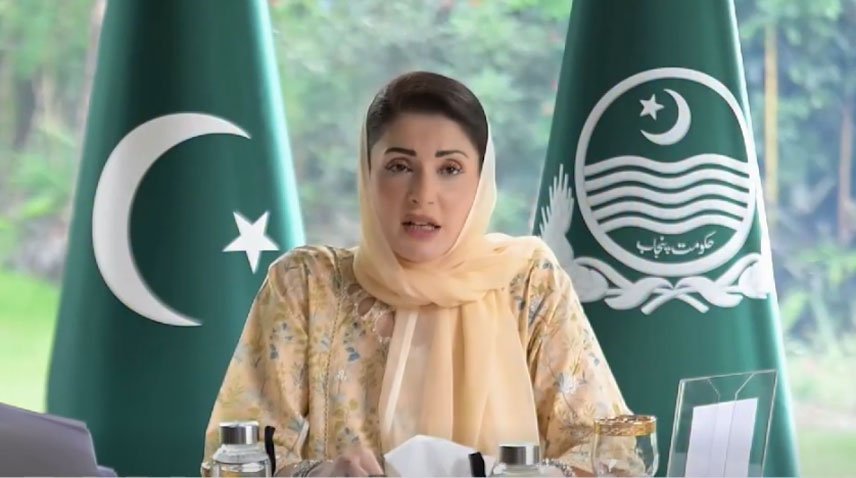
ISLAMABAD — Pakistan is guaranteed a medal in squash at the 20th Asian Games Aichi-Nagoya 2026, as Muhammad Ashab Irfan and Noor Zaman are set to compete against each other in the men’s singles bronze-medal play-off. This development follows their respective defeats in the semifinals held on Saturday. What Happened In a competitive display at the Asian Games, Pakistani squash players Muhammad Ashab Irfan and Noor Zaman reached the semifinals of the men’s singles event. Despite their efforts, both athletes were unable to secure victories in their respective matches, resulting in their progression to the bronze-medal play-off. The semifinals, held on Saturday, saw Ashab and Noor facing formidable opponents who ultimately outperformed them. Ashab Irfan, known for his aggressive style of play, faced a challenging match against a top-seeded player. Despite his best efforts, Ashab could not secure a win, resulting in his move to the play-off round. Similarly, Noor Zaman, who has been in impressive form throughout the tournament, faced a tough opponent in his semifinal match. Despite showcasing his skills and determination, Noor was unable to advance to the finals. The upcoming play-off match between Ashab and Noor ensures that Pakistan will bring home a medal from the Asian Games, marking a significant achievement for the country’s squash contingent. Both players have expressed their determination to perform at their best in the play-off, with the aim of securing the bronze medal for Pakistan. Background Squash has been a sport where Pakistan has historically excelled, producing world-renowned players like Jahangir Khan and Jansher Khan. The country’s dominance in the sport during the 1980s and 1990s set a high standard for future generations. However, in recent years, Pakistan’s presence on the international squash scene has diminished, making this achievement at the Asian Games particularly significant. The Asian Games, a multi-sport event held every four years, features athletes from across Asia competing in various disciplines. Squash has been a part of the Asian Games since 1998, and Pakistani players have consistently performed well, often securing medals for their country. The 20th edition of the Games is being held in Aichi-Nagoya, Japan, and has drawn competitors from across the continent, showcasing the best of Asian sports talent. Why It Matters The guaranteed medal in squash is a morale booster for Pakistan’s sports community, highlighting the potential and talent present in the country. It serves as a reminder of Pakistan’s historic prowess in squash and provides a platform to inspire young athletes to pursue the sport. The achievement at the Asian Games is not only a testament to the hard work and dedication of the players but also reflects the efforts of coaches and sports administrators in nurturing talent. Economically, success in international sports events can lead to increased funding and sponsorship opportunities for athletes and sports programs. A medal at the Asian Games enhances the visibility of squash in Pakistan, potentially attracting new players and resources to the sport. This could lead to improved training facilities, coaching, and support for upcoming squash players. On a broader scale, the performance of Ashab and Noor at the Asian Games contributes to Pakistan’s overall standing in the medal tally, enhancing the country’s reputation in the international sports arena. It underscores the importance of investing in sports development and the potential benefits such investments can bring to national pride and international recognition. Key Takeaways Pakistan is assured a squash medal at the 20th Asian Games as Ashab Irfan and Noor Zaman reach the bronze-medal play-off. Both players were defeated in their respective semifinals, leading to an all-Pakistani play-off match. This achievement highlights Pakistan’s historical strength in squash and serves as an inspiration for future athletes. The success could lead to increased funding and support for squash in Pakistan, benefiting the sport’s development. The performance contributes to Pakistan’s overall medal tally and international sports reputation. Source Attribution This article is based on official government statements, press releases, and public communications from relevant authorities. Author: NEN Editorial Desk | Editor: NEN Newsroom | Fact Checked By: NEN Editorial Team Author: NEN Editorial Desk  |  Editor: NEN Newsroom  |  Last Updated: September 26, 2026  |  Source: NEN Reporter This article was produced by the NEN Editorial Desk in accordance with NEN Agency’s Editorial Policy and Fact-Checking Policy.
Punjab CM Directs Swift Completion Of Health Projects
Pakistan

Punjab CM Directs Swift Completion Of Health Projects

LAHORE — Punjab Chief Minister Maryam Nawaz Sharif has issued directives for the expedited completion of ongoing health projects across the province. The announcement, made on Thursday, includes the establishment of two new healthcare institutions: the Maryam Nawaz Medical College and Teaching Hospital in Mianwali and the Kulsoom Nawaz Cancer Hospital in Dera Ghazi Khan. What Happened Chief Minister Maryam Nawaz Sharif emphasized the importance of timely completion of health infrastructure projects during a meeting with senior health department officials in Lahore. She underscored the need for efficient management and resource allocation to ensure that the projects meet their deadlines and serve the public effectively. The newly approved Maryam Nawaz Medical College and Teaching Hospital in Mianwali aims to enhance medical education and healthcare services in the region. Meanwhile, the Kulsoom Nawaz Cancer Hospital in Dera Ghazi Khan is expected to provide specialized cancer treatment, addressing a critical healthcare gap in the area. Maryam Nawaz Sharif stated, “These projects are crucial for improving healthcare access and quality in Punjab. We must ensure they are completed on time to benefit the people who need these services the most.” The Chief Minister also instructed the health department to regularly monitor the progress of these projects and address any challenges that may arise during their implementation. She highlighted the need for transparency and accountability in the use of public funds allocated for these developments. Background Punjab, Pakistan’s most populous province, has been striving to improve its healthcare system to meet the growing demands of its citizens. Previous administrations have initiated various health projects, but delays and inefficiencies have often hindered their progress. The establishment of new medical institutions and hospitals is part of a broader strategy to expand healthcare infrastructure and services in underserved areas. The healthcare sector in Punjab has faced challenges such as inadequate facilities, shortage of medical professionals, and limited access to specialized care. The government’s current focus on healthcare development aims to address these issues and improve overall health outcomes for the population. Why It Matters The timely completion of these health projects holds significant implications for the people of Punjab. Access to quality healthcare is a fundamental right, and the establishment of new medical facilities will help bridge the gap in healthcare services, particularly in rural and remote areas. The Maryam Nawaz Medical College and Teaching Hospital will not only provide medical education opportunities but also improve healthcare delivery in Mianwali and surrounding regions. This initiative is expected to produce a new generation of healthcare professionals who can contribute to the province’s medical workforce. Similarly, the Kulsoom Nawaz Cancer Hospital in Dera Ghazi Khan addresses the urgent need for specialized cancer treatment facilities in the area. Cancer remains a leading cause of mortality in Pakistan, and the availability of local treatment options can significantly improve patient outcomes and reduce the burden on families who currently have to travel long distances for care. Economically, the development of these projects is likely to generate employment opportunities during the construction phase and beyond, contributing to local economic growth. Additionally, improved healthcare infrastructure can attract further investment in the region, enhancing its overall development. Key Takeaways Punjab CM Maryam Nawaz Sharif has directed the swift completion of ongoing health projects. The establishment of Maryam Nawaz Medical College and Teaching Hospital in Mianwali has been approved. Kulsoom Nawaz Cancer Hospital will be set up in Dera Ghazi Khan to provide specialized cancer care. These initiatives aim to improve healthcare access and quality in underserved areas of Punjab. The projects are expected to generate employment and contribute to local economic growth. Source Attribution This article is based on official government statements and public communications from relevant authorities. Author: NEN Editorial Desk | Editor: NEN Newsroom | Fact Checked By: NEN Editorial Team Author: NEN Editorial Desk  |  Editor: NEN Newsroom  |  Last Updated: September 26, 2026  |  Source: NEN Reporter This article was produced by the NEN Editorial Desk in accordance with NEN Agency’s Editorial Policy and Fact-Checking Policy.

Polio Vaccination Effort Reaches Millions Across Pakistan
Pakistan

Polio Vaccination Effort Reaches Millions Across Pakistan

ISLAMABAD — The Sub-National Polio Vaccination Campaign has made significant progress, with over 27.7 million children vaccinated within the first five days, according to the National Emergency Operations Centre (NEOC). The campaign, which is in its sixth day, targets selected districts across Pakistan to curb the spread of the poliovirus. What Happened The ongoing polio vaccination campaign is part of a broader effort to eradicate the disease from Pakistan, one of the few countries where polio remains endemic. The NEOC reported that the campaign has successfully vaccinated more than 27.7 million children under the age of five in the first five days. This initiative is crucial as it aims to protect children from the debilitating effects of polio, which can lead to irreversible paralysis. The campaign, which began earlier this week, is focused on high-risk districts identified through surveillance data. Health workers are going door-to-door to ensure that every child receives the oral polio vaccine. The NEOC has deployed thousands of health workers and volunteers who are working tirelessly to reach children in remote and urban areas alike. Dr. Shahzad Baig, the National Coordinator for Polio Eradication, emphasized the importance of the campaign, stating, “Our teams are committed to reaching every child, and we are grateful for the support from local communities and parents who understand the importance of vaccination in protecting their children from polio.” Background Polio has been a persistent public health challenge in Pakistan. Despite significant efforts over the years, the country has struggled to completely eradicate the virus. The polio eradication initiative in Pakistan is part of a global effort led by the World Health Organization (WHO) and partners, which began in 1988. The initiative has made substantial progress, reducing polio cases worldwide by over 99%. In Pakistan, the government, along with international partners, has been conducting regular vaccination campaigns to address the issue. These campaigns are essential, especially in areas where the virus is still detected in environmental samples. The government has also implemented strict measures to ensure the safety and security of health workers, who have faced threats and violence in the past. Why It Matters The success of the current polio vaccination campaign is critical for several reasons. Firstly, it represents a significant step towards eradicating polio in Pakistan, which is vital for global health security. The eradication of polio would prevent future generations from suffering from the disease and its complications. Economically, polio eradication would alleviate the financial burden on the healthcare system and families affected by the disease. Treating polio and its complications is costly, and preventing the disease through vaccination is a more sustainable and cost-effective approach. Socially, the campaign strengthens trust in public health initiatives and demonstrates the government’s commitment to protecting children’s health. It also highlights the importance of community involvement and cooperation in achieving public health goals. Internationally, Pakistan’s progress in polio eradication is closely monitored, as it impacts the global fight against the disease. Success in Pakistan would bring the world closer to the goal of a polio-free future. Key Takeaways The polio vaccination campaign in Pakistan has vaccinated over 27.7 million children in five days. The campaign targets high-risk districts to prevent the spread of the poliovirus. Polio eradication is crucial for global health security and economic stability. Community support and the safety of health workers are vital for the campaign’s success. Pakistan’s efforts are part of a global initiative to eradicate polio worldwide. Source Attribution This article is based on official government statements, press releases, and public communications from relevant authorities. Author: NEN Editorial Desk | Editor: NEN Newsroom | Fact Checked By: NEN Editorial Team Author: NEN Editorial Desk  |  Editor: NEN Newsroom  |  Last Updated: September 26, 2026  |  Source: NEN Reporter This article was produced by the NEN Editorial Desk in accordance with NEN Agency’s Editorial Policy and Fact-Checking Policy.

Scroll to Top