

Author name: Yasir Zubairi

Yasir Zubairi is the founder and publisher of NEN Agency (News Era Network). He leads NEN's coverage of Pakistan's national affairs, economy, foreign relations and sports, and is responsible for the accuracy and standards of every story published on nenagency.com.

Pakistan Prepares for FIFA ASEAN Cup Opener Against Thailand
Pakistan

Pakistan Prepares for FIFA ASEAN Cup Opener Against Thailand

ISLAMABAD — Pakistan’s national football team is set to face Thailand in their opening match of the FIFA ASEAN Cup on Friday. Head coach Nolberto Solano and captain Abdullah Iqbal expressed optimism as the team completed their final preparations for the tournament. What Happened The Pakistani football team, known as the Shaheens, has been rigorously training ahead of their debut in the FIFA ASEAN Cup. The team arrived in Thailand earlier this week and has been acclimating to the local conditions while fine-tuning their strategies. Head coach Nolberto Solano, a former international player, emphasized the importance of this tournament for the team’s development. “We are excited about the challenge and have prepared well. The players are motivated and ready to give their best,” Solano stated. Captain Abdullah Iqbal echoed the coach’s sentiments, highlighting the team’s determination to perform well. “This is a significant opportunity for us to showcase our skills on an international platform. We have a young squad eager to make a mark,” Iqbal said. The match against Thailand is scheduled to take place at the Rajamangala National Stadium in Bangkok, a venue known for its vibrant atmosphere and passionate football fans. The ASEAN Cup, although not as globally recognized as the FIFA World Cup, provides a crucial platform for teams from the ASEAN region to compete and gain international experience. Pakistan’s participation marks a significant step in their football journey, aiming to elevate the sport’s profile within the country. Background Football in Pakistan has historically been overshadowed by cricket, the nation’s most popular sport. However, recent years have seen a growing interest in football, with efforts from the Pakistan Football Federation (PFF) to develop the sport at the grassroots level. The PFF has been working to improve infrastructure, coaching, and player development programs to nurture young talent. Pakistan’s participation in the FIFA ASEAN Cup is part of a broader strategy to increase international exposure and competitiveness. The team has participated in various regional tournaments, but this marks their first foray into the ASEAN Cup, a tournament primarily featuring Southeast Asian nations. The inclusion of Pakistan is part of an initiative to expand the tournament’s reach and foster greater regional cooperation in sports. Why It Matters The participation of Pakistan in the FIFA ASEAN Cup holds significant implications for the country’s sports landscape. Economically, it opens up potential sponsorship and partnership opportunities, which are crucial for funding and developing sports infrastructure. Socially, it can inspire a new generation of football enthusiasts and players, contributing to the sport’s growth at the grassroots level. Politically, successful participation in international tournaments can enhance national pride and unity, offering a positive narrative amid the challenges Pakistan faces. Internationally, it positions Pakistan as an emerging football nation, potentially attracting more friendly matches and collaborations with other countries. The ASEAN Cup also serves as a platform for Pakistani players to gain exposure and experience against higher-ranked teams, which is vital for their development and the overall improvement of the national team. By competing against teams like Thailand, which has a more established football program, Pakistani players can benchmark their skills and identify areas for improvement. Key Takeaways Pakistan is set to face Thailand in their FIFA ASEAN Cup opener on Friday. Head coach Nolberto Solano and captain Abdullah Iqbal are optimistic about the team’s performance. The tournament provides international exposure and development opportunities for Pakistani football. Participation in the ASEAN Cup is part of Pakistan’s broader strategy to elevate football’s profile. Success in the tournament could inspire a new generation of football enthusiasts in Pakistan. Source Attribution This article is based on official government statements, press releases, and public communications from relevant authorities. Author: NEN Editorial Desk | Editor: NEN Newsroom | Fact Checked By: NEN Editorial Team Author: NEN Editorial Desk  |  Editor: NEN Newsroom  |  Last Updated: September 26, 2026  |  Source: NEN Reporter This article was produced by the NEN Editorial Desk in accordance with NEN Agency’s Editorial Policy and Fact-Checking Policy.
Defence Chiefs of Saudi Arabia, Pakistan, Türkiye Convene in Riyadh
Pakistan

Defence Chiefs of Saudi Arabia, Pakistan, Türkiye Convene in Riyadh

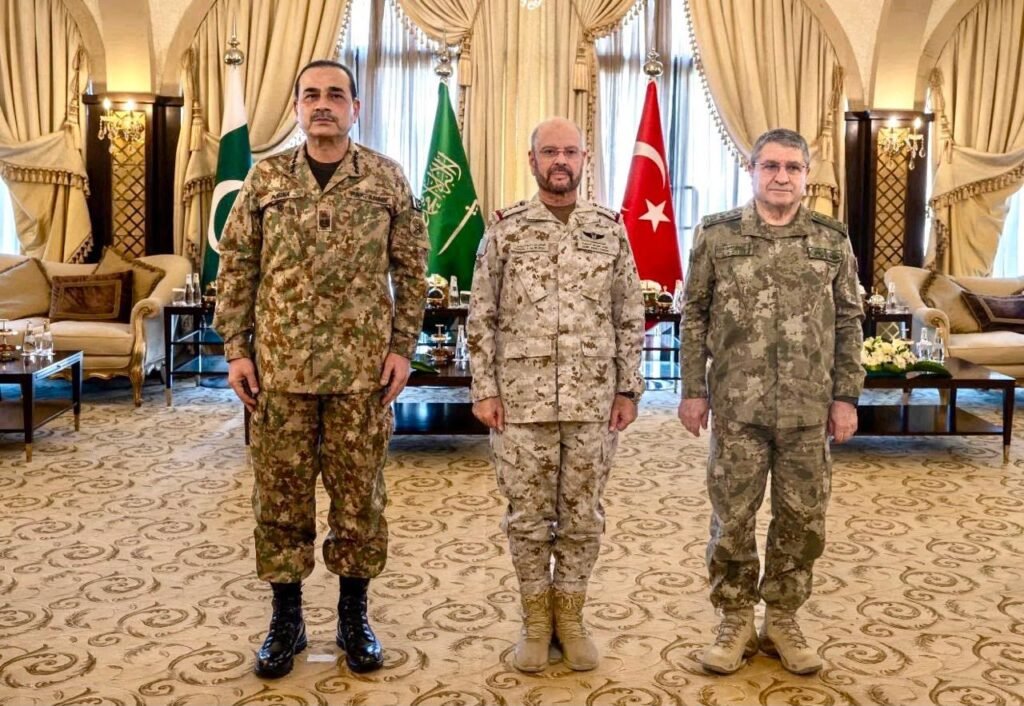
RAWALPINDI — Defence chiefs from Saudi Arabia, Pakistan, and Türkiye convened in Riyadh on September 26 to assess regional security threats impacting the Kingdom of Saudi Arabia (KSA). The meeting was part of the Makkah Joint Defence Agreement, which aims to bolster military cooperation among the participating states. What Happened The meeting in Riyadh brought together the Chiefs of Defence Forces and Chiefs of General Staff from Saudi Arabia, Pakistan, and Türkiye. The discussions focused on the current security landscape in the region, with particular emphasis on threats facing Saudi Arabia. The meeting aimed to strengthen military collaboration and ensure a coordinated response to potential security challenges. The Makkah Joint Defence Agreement serves as a framework for military cooperation among its member states. During the meeting, the defence chiefs reviewed existing security protocols and explored avenues for enhanced collaboration. The discussions also included an assessment of the geopolitical dynamics in the Middle East and their implications for regional stability. According to official sources, the meeting underscored the importance of joint military exercises and intelligence sharing to address common security concerns. The defence chiefs reiterated their commitment to maintaining peace and stability in the region through collective efforts. Background The Makkah Joint Defence Agreement was established to foster military cooperation among Saudi Arabia, Pakistan, and Türkiye. The agreement aims to enhance the collective defence capabilities of its member states and ensure a coordinated response to regional security threats. Over the years, the participating countries have engaged in joint military exercises and strategic dialogues to strengthen their defence ties. Saudi Arabia has faced various security challenges in recent years, including threats from non-state actors and regional conflicts. The Kingdom has sought to bolster its defence capabilities through strategic alliances and partnerships with key regional players like Pakistan and Türkiye. These partnerships are critical in addressing the complex security environment in the Middle East. Why It Matters The meeting holds significant implications for regional security and geopolitical stability. As key players in the Middle East, Saudi Arabia, Pakistan, and Türkiye play crucial roles in shaping the security dynamics of the region. Their collaboration under the Makkah Joint Defence Agreement highlights the importance of collective efforts in addressing shared security challenges. For Pakistan, participation in such high-level defence dialogues underscores its strategic importance in the region. The country has historically maintained strong military ties with Saudi Arabia, which have been further strengthened through collaborative defence initiatives. This meeting reaffirms Pakistan’s commitment to regional security and its role as a stabilizing force in the Middle East. Türkiye’s involvement in the meeting also reflects its growing influence in regional security matters. As a NATO member, Türkiye brings valuable military expertise and strategic insights to the table. Its collaboration with Saudi Arabia and Pakistan is pivotal in addressing the evolving security landscape in the Middle East. The outcome of the meeting is likely to influence future defence strategies and policies of the participating countries. By enhancing military cooperation and intelligence sharing, Saudi Arabia, Pakistan, and Türkiye can better address the multifaceted security threats facing the region. Key Takeaways Defence chiefs from Saudi Arabia, Pakistan, and Türkiye met in Riyadh to discuss regional security threats. The meeting was part of the Makkah Joint Defence Agreement, aimed at enhancing military cooperation. Discussions focused on joint military exercises and intelligence sharing to address security challenges. Saudi Arabia’s strategic alliances with Pakistan and Türkiye are crucial for regional stability. The meeting underscores the importance of collective efforts in tackling shared security concerns. Source Attribution This article is based on official government statements, press releases, and public communications from relevant authorities. Author: NEN Editorial Desk | Editor: NEN Newsroom | Fact Checked By: NEN Editorial Team Author: NEN Editorial Desk  |  Editor: NEN Newsroom  |  Last Updated: September 26, 2026  |  Source: NEN Reporter This article was produced by the NEN Editorial Desk in accordance with NEN Agency’s Editorial Policy and Fact-Checking Policy.
ECP Establishes Complaint Centre for Bahawalpur By-Election
Pakistan

ECP Establishes Complaint Centre for Bahawalpur By-Election

ISLAMABAD — The Election Commission of Pakistan (ECP) has announced the establishment of an Election Monitoring and Control Centre (EMCC) to manage public complaints during the upcoming by-election in Bahawalpur’s NA-168 constituency. The by-election is scheduled for September 27, and the EMCC aims to ensure a smooth electoral process by addressing grievances promptly. What Happened The ECP has set up the EMCC as part of its efforts to maintain transparency and efficiency in the electoral process. The centre will operate with trained staff stationed at federal, provincial, divisional, and district levels. This multi-tiered approach is designed to monitor the election proceedings closely and address any issues that may arise. The EMCC will be responsible for receiving complaints from the public and ensuring that they are addressed swiftly. This initiative is part of the ECP’s broader strategy to enhance the credibility of elections and to reassure the public of the integrity of the electoral process. The staff at the EMCC are equipped to handle a wide range of complaints, from procedural issues to allegations of misconduct. The by-election in Bahawalpur’s NA-168 constituency is a significant event, as it involves a contest for a National Assembly seat. The ECP’s proactive measures, including the establishment of the EMCC, underscore its commitment to conducting free and fair elections. The centre will remain operational throughout the election day to ensure that any disruptions are minimized and resolved efficiently. Background The ECP has a history of setting up similar monitoring centres during elections to ensure transparency and accountability. In previous elections, the establishment of such centres has helped in the quick resolution of complaints and has contributed to the overall credibility of the electoral process. The ECP operates under the legal framework provided by the Election Act of 2017, which mandates the commission to ensure free and fair elections in the country. Historically, by-elections in Pakistan have been closely watched events, often seen as a barometer for public sentiment and political trends. The NA-168 constituency in Bahawalpur has been a contested area, with various political parties vying for influence. The ECP’s measures are aimed at ensuring that the by-election is conducted in a manner that reflects the true will of the voters. Why It Matters The establishment of the EMCC is crucial for maintaining public confidence in the electoral process. By providing a platform for addressing complaints, the ECP is taking a significant step towards enhancing the transparency and fairness of the by-election. This initiative is particularly important in a political environment where allegations of electoral fraud and misconduct are not uncommon. For the citizens of Bahawalpur, the EMCC offers a direct channel to report any irregularities, ensuring that their voices are heard and their concerns addressed. This can lead to increased voter participation, as individuals feel more confident that their votes will be counted accurately and fairly. On a broader scale, the ECP’s actions can influence the political landscape in Pakistan. By demonstrating its commitment to free and fair elections, the ECP can help build trust in democratic institutions, which is essential for political stability and development. The by-election in Bahawalpur could set a precedent for future elections, reinforcing the importance of transparency and accountability in the electoral process. Key Takeaways The ECP has established an Election Monitoring and Control Centre for the NA-168 by-election in Bahawalpur. The centre is designed to address public complaints and ensure a transparent electoral process. Trained staff are deployed at various levels to monitor and act on any issues during the election. This initiative is part of the ECP’s efforts to enhance the credibility of elections in Pakistan. The EMCC aims to increase public confidence and voter participation in the electoral process. Source Attribution This article is based on official government statements and public communications from the Election Commission of Pakistan. Author: NEN Editorial Desk | Editor: NEN Newsroom | Fact Checked By: NEN Editorial Team Author: NEN Editorial Desk  |  Editor: NEN Newsroom  |  Last Updated: September 26, 2026  |  Source: NEN Reporter This article was produced by the NEN Editorial Desk in accordance with NEN Agency’s Editorial Policy and Fact-Checking Policy.
Karachi Braces for Drizzle Amid Predominantly Hot Weather Forecast
Pakistan

Karachi Braces for Drizzle Amid Predominantly Hot Weather Forecast

KARACHI — The Pakistan Meteorological Department (PMD) has forecasted a mix of weather conditions for Karachi and other parts of Sindh over the next 24 hours. While most districts are expected to experience hot and dry weather, coastal areas, including Karachi, may see partly cloudy skies with a chance of drizzle. What Happened The PMD issued a weather advisory on Saturday, indicating that the majority of Sindh province will continue to endure hot and dry weather conditions. However, Karachi and other coastal regions might experience a slight relief in the form of drizzle. The forecast suggests that the temperature in Karachi will remain high, with humidity levels contributing to a muggy atmosphere. According to the PMD, the current weather pattern is influenced by a weak monsoon system that is affecting the coastal belt. “Partly cloudy weather with chances of drizzle is expected in Karachi,” stated a PMD official. This weather pattern is typical for the region during this time of year, as the monsoon season begins to wane. Residents of Karachi have been advised to stay hydrated and take precautions against the heat, despite the potential for drizzle. The PMD has also warned of high UV index levels, urging people to avoid prolonged exposure to the sun during peak hours. Background Karachi, Pakistan’s largest city and economic hub, often experiences extreme weather conditions due to its geographical location. Situated on the Arabian Sea, the city is prone to both hot and humid conditions, especially during the summer months. The monsoon season, which typically runs from July to September, brings sporadic rainfall to the region, offering some respite from the heat. In recent years, Karachi has faced challenges related to urban flooding and heatwaves, exacerbated by climate change and rapid urbanization. The city’s infrastructure struggles to cope with heavy rainfall, leading to waterlogging and disruptions in daily life. The government and local authorities have been working to improve drainage systems and implement measures to mitigate the impact of extreme weather events. Why It Matters The forecasted drizzle, while a minor weather event, is significant for Karachi’s residents who are accustomed to enduring prolonged periods of heat. Even a brief respite in the form of drizzle can provide much-needed relief and improve air quality by reducing dust and pollutants. Economically, weather conditions have a direct impact on various sectors in Karachi, including agriculture, transportation, and retail. Farmers in the surrounding areas rely on weather forecasts to plan their activities, while transport and logistics companies must adjust operations to ensure timely deliveries despite weather challenges. Socially, the weather can affect public health, particularly for vulnerable populations such as the elderly and those with pre-existing health conditions. High temperatures and humidity can exacerbate health issues, making it crucial for public health officials to issue advisories and provide support to those in need. Internationally, Karachi’s weather patterns are closely monitored as they can influence regional climate conditions. The city’s port is a critical hub for trade, and adverse weather can disrupt shipping schedules, affecting international trade routes. Key Takeaways The PMD forecasts hot and dry weather for most of Sindh, with drizzle expected in Karachi. Karachi residents are advised to stay hydrated and avoid sun exposure due to high UV levels. The city’s weather is influenced by a weakening monsoon system typical for this time of year. Weather conditions in Karachi have economic and social implications, affecting sectors like agriculture and public health. Karachi’s port operations and international trade routes could be impacted by adverse weather conditions. Source Attribution This article is based on official statements and weather advisories from the Pakistan Meteorological Department. Author: NEN Editorial Desk | Editor: NEN Newsroom | Fact Checked By: NEN Editorial Team Author: NEN Editorial Desk  |  Editor: NEN Newsroom  |  Last Updated: September 26, 2026  |  Source: NEN Reporter This article was produced by the NEN Editorial Desk in accordance with NEN Agency’s Editorial Policy and Fact-Checking Policy.
Punjab Launches AI Curriculum to Equip Students for Future Technologies
Pakistan

Punjab Launches AI Curriculum to Equip Students for Future Technologies

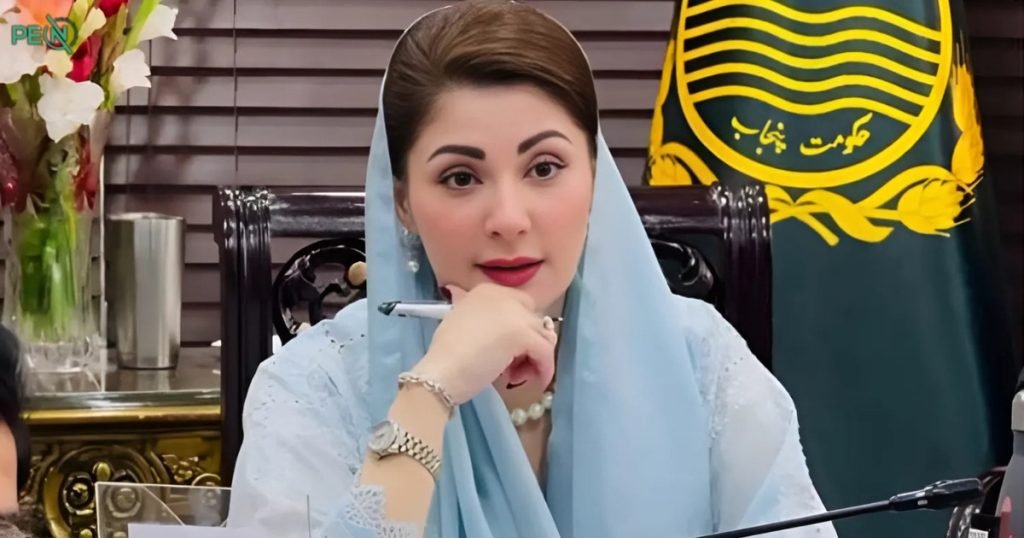
LAHORE — The Punjab government has introduced an Artificial Intelligence (AI) Curriculum and Training Initiative aimed at preparing students for future technological advancements. Adviser to Chief Minister Punjab on AI and Special Initiatives, Ali Dar, announced that the program will train over 160,000 teachers and equip students with essential skills for the digital economy. What Happened The AI Curriculum and Training Initiative was officially launched at a ceremony in Lahore, where Adviser Ali Dar emphasized the importance of integrating AI education into the school system. The initiative is designed to provide both teachers and students with the necessary tools to navigate and succeed in a rapidly evolving technological landscape. Dar stated, “This initiative will ensure that our education system is aligned with the demands of the future job market and the digital economy.” The program aims to cover a wide range of AI-related topics, including machine learning, data science, and robotics. The curriculum will be implemented across various educational institutions in Punjab, with a focus on fostering critical thinking and problem-solving skills among students. The training for teachers is expected to commence in the coming months, with the goal of creating a robust educational framework that supports AI learning from an early age. Background Punjab’s decision to introduce an AI curriculum is part of a broader effort to modernize the province’s educational system and align it with global technological trends. The initiative follows similar efforts in other regions of the world where AI education is becoming increasingly prioritized. In recent years, Pakistan has recognized the potential of AI and digital technologies in driving economic growth and improving various sectors, including education, healthcare, and agriculture. The government’s focus on AI is also in response to the growing demand for technology-driven skills in the job market. As industries continue to adopt AI and automation, there is a pressing need for a workforce that is proficient in these technologies. By implementing an AI curriculum, Punjab aims to bridge the skills gap and ensure that its students are well-prepared for future challenges. Why It Matters The introduction of an AI curriculum in Punjab’s educational institutions is a significant step towards fostering a technologically adept workforce in Pakistan. As the global economy becomes increasingly reliant on digital technologies, the demand for AI skills is expected to rise. This initiative not only prepares students for future job opportunities but also positions Punjab as a leader in AI education within the country. Economically, the program has the potential to boost the province’s competitiveness by creating a pool of skilled professionals who can contribute to various sectors, including IT, manufacturing, and services. Socially, it empowers students with the knowledge and skills needed to participate in the digital economy, thereby enhancing their career prospects and overall quality of life. Politically, the initiative reflects the government’s commitment to investing in education and technology as key drivers of development. It also aligns with national efforts to promote innovation and digital transformation across Pakistan. By prioritizing AI education, Punjab is setting a precedent for other provinces to follow, potentially leading to a nationwide emphasis on technology-driven learning. Key Takeaways Punjab has launched an AI Curriculum and Training Initiative to prepare students for future technologies. The program will train over 160,000 teachers and equip students with skills for the digital economy. The initiative aims to cover AI-related topics such as machine learning, data science, and robotics. This effort aligns with global trends and addresses the growing demand for AI skills in the job market. The initiative positions Punjab as a leader in AI education within Pakistan. Source Attribution This article is based on official government statements, press releases, and public communications from relevant authorities. Author: NEN Editorial Desk | Editor: NEN Newsroom | Fact Checked By: NEN Editorial Team Author: NEN Editorial Desk  |  Editor: NEN Newsroom  |  Last Updated: September 26, 2026  |  Source: NEN Reporter This article was produced by the NEN Editorial Desk in accordance with NEN Agency’s Editorial Policy and Fact-Checking Policy.
Punjab CM Evaluates Maryam Nawaz Hospitals’ Performance
Pakistan

Punjab CM Evaluates Maryam Nawaz Hospitals’ Performance

LAHORE — Punjab Chief Minister Maryam Nawaz Sharif conducted a comprehensive review of the Maryam Nawaz Hospitals’ performance on Saturday. These hospitals, transformed from rural health centers across the province, have provided medical treatment to over 7.824 million patients. The review meeting was chaired by the Chief Minister and included a briefing by Secretary Health Nadia Saqib on the performance of the outsourced rural health facilities. What Happened The meeting held in Lahore was a detailed evaluation of the healthcare services offered by the Maryam Nawaz Hospitals. Chief Minister Maryam Nawaz Sharif emphasized the importance of maintaining high standards of medical care and ensuring accessibility for all citizens. Secretary Health Nadia Saqib presented a report highlighting the hospitals’ achievements and areas needing improvement. The transformation of rural health centers into fully equipped hospitals has been a significant initiative aimed at enhancing healthcare delivery in underserved areas. According to the briefing, the hospitals have treated over 7.824 million patients, indicating a substantial impact on healthcare accessibility in rural regions. The Chief Minister expressed satisfaction with the progress but stressed the need for continuous improvement in service delivery. “Our goal is to ensure that every citizen has access to quality healthcare services, regardless of their location,” she stated. The meeting also discussed future plans to further improve infrastructure and medical facilities at these hospitals. The Chief Minister directed the health department to focus on training medical staff and upgrading equipment to meet modern healthcare standards. Additionally, she emphasized the importance of regular monitoring and evaluation to maintain service quality. Background The Maryam Nawaz Hospitals were established as part of a broader initiative to transform rural health centers into comprehensive medical facilities. This project aims to address the healthcare disparities between urban and rural areas in Punjab. Historically, rural regions have faced significant challenges in accessing quality healthcare, often due to inadequate infrastructure and a shortage of medical professionals. The initiative to upgrade rural health centers was launched with the objective of providing equitable healthcare services across the province. By outsourcing management and operations to private entities, the government seeks to enhance efficiency and service quality. This model has been implemented in several regions, with varying degrees of success, and is part of a larger strategy to improve public health outcomes in Pakistan. Why It Matters The review of the Maryam Nawaz Hospitals’ performance is crucial for several reasons. Firstly, it highlights the government’s commitment to improving healthcare access in rural areas, which historically have been underserved. By transforming rural health centers into fully functional hospitals, the initiative addresses a critical gap in healthcare delivery. Economically, the improved healthcare infrastructure can lead to better health outcomes, reducing the burden of disease and increasing productivity among the rural population. Socially, it empowers communities by providing essential services that enhance quality of life and reduce healthcare-related financial burdens. Politically, the initiative reflects the government’s prioritization of healthcare as a key area of development. It aligns with broader national goals of improving public health and achieving sustainable development. Internationally, such initiatives can enhance Pakistan’s reputation as a country committed to advancing its healthcare system, potentially attracting foreign investment and expertise in the health sector. Key Takeaways Punjab CM Maryam Nawaz Sharif reviewed the performance of Maryam Nawaz Hospitals. Over 7.824 million patients have been treated at these hospitals. The initiative aims to transform rural health centers into comprehensive medical facilities. Future plans include improving infrastructure and training medical staff. The initiative addresses healthcare disparities between urban and rural areas. Source Attribution This article is based on official government statements, press releases, and public communications from relevant authorities. Author: NEN Editorial Desk | Editor: NEN Newsroom | Fact Checked By: NEN Editorial Team Author: NEN Editorial Desk  |  Editor: NEN Newsroom  |  Last Updated: September 26, 2026  |  Source: NEN Reporter This article was produced by the NEN Editorial Desk in accordance with NEN Agency’s Editorial Policy and Fact-Checking Policy.

Pakistan Expresses Concern Over Regional And Middle East Security Issues
World

Pakistan Expresses Concern Over Regional And Middle East Security Issues

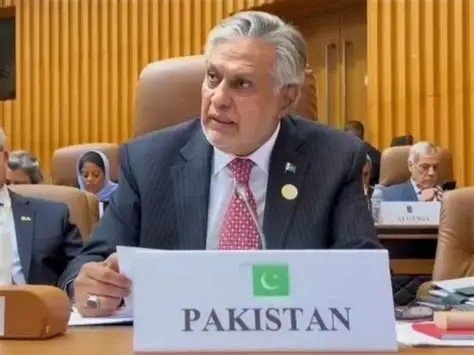
ISLAMABAD — Deputy Prime Minister and Foreign Minister Senator Mohammad Ishaq Dar expressed profound concern on Saturday regarding the current security situation in the region and the Middle East. He reiterated Pakistan’s dedication to resolving disputes peacefully in alignment with international law. What Happened During a recent address, Deputy Prime Minister Mohammad Ishaq Dar highlighted the escalating security tensions affecting both the regional landscape and the broader Middle East. He emphasized Pakistan’s unwavering commitment to pursuing peaceful solutions to conflicts, stressing adherence to international legal frameworks. The minister’s remarks come amid growing instability in these areas, which has raised alarms about potential wider implications. Senator Dar specifically pointed out the importance of collaboration among member states of the Economic Cooperation Organization (ECO) to address these security challenges effectively. “The need for a collective approach to ensure stability and peace in our region cannot be overstated,” he stated. His comments reflect a broader call for unity and cooperation among neighboring countries to tackle the pressing issues of security and peace. The Deputy Prime Minister also underscored the critical role that international law plays in resolving disputes, advocating for diplomatic dialogue and negotiation as the primary means of conflict resolution. This stance is consistent with Pakistan’s long-standing foreign policy objectives, which prioritize peaceful coexistence and regional stability. Background The Middle East and surrounding regions have been subject to numerous conflicts and tensions over the past decades, involving issues such as territorial disputes, political instability, and sectarian violence. These conflicts have often drawn in international actors and have had significant repercussions for global security and economic stability. Pakistan, as a member of the Economic Cooperation Organization, has historically played a role in advocating for peace and cooperation in the region. The ECO, established in 1985, aims to promote economic, technical, and cultural cooperation among its member states, which include countries from both the Middle East and Central Asia. Historically, Pakistan has maintained a policy of neutrality in many regional conflicts, advocating for peaceful resolutions and offering to mediate where possible. This approach has been consistent with its broader foreign policy goals of fostering regional peace and stability. Why It Matters The security situation in the Middle East and surrounding regions has far-reaching implications for global peace and economic stability. For Pakistan, a country that shares borders with several key players in these conflicts, the stakes are particularly high. Instability in the Middle East can lead to increased refugee flows, economic disruptions, and heightened security threats, all of which can have direct impacts on Pakistan. Economically, regional instability can affect trade routes and energy supplies, both of which are crucial for Pakistan’s economic health. The country relies heavily on energy imports, and disruptions in the Middle East can lead to volatility in energy prices, affecting everything from industrial production to household energy costs. Politically, Pakistan’s call for peaceful resolution through international law highlights its desire to play a constructive role on the global stage. By advocating for dialogue and cooperation, Pakistan positions itself as a responsible international actor, potentially enhancing its diplomatic relations and influence in international forums. Furthermore, stability in the region is essential for the continued growth and development of the Economic Cooperation Organization. As a key member, Pakistan’s proactive stance could lead to more robust economic partnerships and development initiatives within the ECO framework, benefiting all member states. Key Takeaways Deputy Prime Minister Mohammad Ishaq Dar voiced concerns over regional and Middle East security issues. Pakistan emphasizes peaceful resolution of disputes in accordance with international law. The Economic Cooperation Organization is highlighted as a platform for regional collaboration. Regional instability poses economic and security risks for Pakistan. Pakistan’s stance underscores its commitment to being a constructive international player. Source Attribution This article is based on official government statements and public communications from relevant authorities. Author: NEN Editorial Desk | Editor: NEN Newsroom | Fact Checked By: NEN Editorial Team Author: NEN Editorial Desk  |  Editor: NEN Newsroom  |  Last Updated: September 26, 2026  |  Source: NEN Reporter This article was produced by the NEN Editorial Desk in accordance with NEN Agency’s Editorial Policy and Fact-Checking Policy.
Pakistan Stock Exchange Gains 266 Points Amid Bullish Trend
Pakistan

Pakistan Stock Exchange Gains 266 Points Amid Bullish Trend

ISLAMABAD — The Pakistan Stock Exchange (PSX) experienced a bullish trend on Friday, with the benchmark KSE-100 Index rising by 266.28 points, marking a 0.16 percent increase. The index closed at 170,765.22 points, compared to the previous session’s close of 170,498.95 points. What Happened On Friday, the PSX saw a positive shift as the KSE-100 Index gained 266.28 points. This increase reflects a 0.16 percent rise, bringing the index to 170,765.22 points. The market’s upward movement was driven by improved investor sentiment, which was bolstered by positive economic indicators and a stable political environment. Market participants responded positively to these factors, leading to increased buying activity across various sectors. According to market analysts, the bullish trend was primarily supported by gains in sectors such as banking, oil and gas, and cement. The banking sector, in particular, saw significant interest from investors, contributing to the overall rise in the index. Additionally, the oil and gas sector benefitted from stable international oil prices, which provided further impetus for the market’s upward trajectory. One market analyst noted, “The recent stability in the political landscape has contributed to a more favorable investment climate, encouraging investors to take positions in key sectors.” The analyst further highlighted that the ongoing reforms in the economic sector have also played a role in boosting investor confidence. Background The Pakistan Stock Exchange has been experiencing fluctuations in recent months due to various economic and political factors. Historically, the PSX is sensitive to changes in the country’s economic policies, political stability, and global economic trends. In recent years, the government has implemented several economic reforms aimed at stabilizing the economy and attracting foreign investment. These measures have included efforts to improve the ease of doing business, reduce fiscal deficits, and enhance the regulatory framework for financial markets. Despite these efforts, the PSX has faced challenges, including volatility in the exchange rate and inflationary pressures. However, recent developments, such as the government’s commitment to maintaining macroeconomic stability and fostering a conducive business environment, have positively impacted investor sentiment. Why It Matters The recent bullish trend in the PSX is significant for several reasons. Firstly, it reflects growing investor confidence in the Pakistani market, which is crucial for attracting both domestic and foreign investment. A stable and growing stock market can lead to increased capital inflows, which are essential for economic growth and development. Secondly, the positive performance of the PSX can have a ripple effect on the broader economy. As companies listed on the exchange perform well, they are likely to invest more in their operations, leading to job creation and economic expansion. This, in turn, can contribute to higher consumer spending and improved living standards for the population. Moreover, the PSX’s performance is often seen as a barometer of the country’s economic health. A rising stock market can signal economic stability and growth, which can enhance Pakistan’s image as a viable investment destination on the international stage. This perception is vital for attracting foreign direct investment, which can bring in much-needed capital and expertise to various sectors of the economy. Key Takeaways The PSX’s KSE-100 Index gained 266.28 points, a 0.16 percent increase. Investor sentiment improved due to positive economic indicators and political stability. Key sectors contributing to the rise included banking, oil and gas, and cement. The bullish trend is crucial for attracting domestic and foreign investment. A stable stock market can lead to broader economic growth and job creation. Source Attribution This article is based on official government statements, press releases, and public communications from relevant authorities. Author: NEN Editorial Desk | Editor: NEN Newsroom | Fact Checked By: NEN Editorial Team Author: NEN Editorial Desk  |  Editor: NEN Newsroom  |  Last Updated: September 26, 2026  |  Source: NEN Reporter This article was produced by the NEN Editorial Desk in accordance with NEN Agency’s Editorial Policy and Fact-Checking Policy.
Pakistani Delegation Visits Belarus Tractor Factory for Industrial Insights
World

Pakistani Delegation Visits Belarus Tractor Factory for Industrial Insights

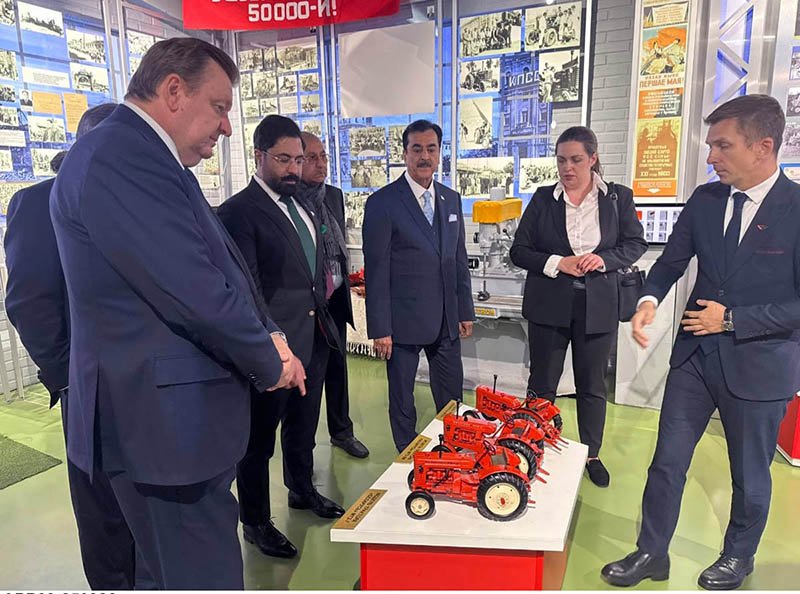
BELARUS — A parliamentary delegation from Pakistan, led by Chairman Senate Syed Yousaf Raza Gilani, visited the Minsk Tractor Plant in Belarus on September 25, 2023. The visit aimed to explore advancements in tractor manufacturing and strengthen industrial ties between the two nations. What Happened The delegation, headed by Chairman Senate Syed Yousaf Raza Gilani, inspected the latest models of tractors produced by the Minsk Tractor Plant, a renowned facility in Belarus known for its agricultural machinery. During the visit, the Pakistani officials were briefed on the technological advancements and production capabilities of the plant. The Minsk Tractor Plant, often referred to as MTZ, is a key player in the global agricultural machinery market, producing a wide range of tractors and related equipment. Chairman Gilani expressed interest in the upgraded versions of the Belarus tractors, noting the potential benefits of such machinery for Pakistan’s agricultural sector. He stated, “The advancements in tractor technology here are impressive and could greatly benefit our farmers back home.” The visit included a detailed tour of the manufacturing units where the delegation observed the assembly lines and quality control processes. The Pakistani delegation’s visit to Belarus also included discussions on potential collaborations and exchange programs to enhance technological expertise in Pakistan. The visit is part of a broader initiative to strengthen bilateral relations and explore opportunities for industrial cooperation between Pakistan and Belarus. Background Pakistan and Belarus have been working to enhance their economic and industrial ties over the past few years. The Minsk Tractor Plant, established in 1946, has been a significant contributor to Belarus’s industrial output and exports. It is one of the largest tractor manufacturers in the world, with a production capacity of over 60,000 tractors annually. The plant’s products are exported to various countries, including those in Asia, Africa, and Europe. In recent years, Pakistan has been focusing on modernizing its agricultural sector to increase productivity and efficiency. The introduction of advanced machinery and technology is seen as a crucial step in this direction. The visit by the Pakistani delegation is part of ongoing efforts to identify and incorporate international best practices and technologies into Pakistan’s agricultural framework. Why It Matters The visit of the Pakistani parliamentary delegation to the Minsk Tractor Plant holds significant implications for Pakistan’s agricultural sector. With agriculture being a backbone of Pakistan’s economy, contributing around 24% to the GDP and employing nearly 42% of the labor force, advancements in agricultural technology are crucial for sustainable growth. The insights gained from the visit could lead to the adoption of more efficient and productive farming equipment in Pakistan, potentially boosting crop yields and reducing labor costs. This could have a direct impact on the livelihoods of millions of farmers across the country, improving food security and economic stability. Furthermore, strengthening industrial ties with Belarus could open new avenues for trade and investment, fostering economic growth and diversification. The potential for technology exchange and collaboration in manufacturing sectors could enhance Pakistan’s industrial capabilities, aligning with the country’s broader economic development goals. Key Takeaways A Pakistani parliamentary delegation, led by Chairman Senate Syed Yousaf Raza Gilani, visited the Minsk Tractor Plant in Belarus. The visit focused on exploring advancements in tractor manufacturing and potential industrial collaborations. The Minsk Tractor Plant is a major global player in agricultural machinery production. The visit aligns with Pakistan’s efforts to modernize its agricultural sector and improve productivity. Strengthening ties with Belarus could enhance Pakistan’s industrial and economic growth prospects. Source Attribution This article is based on official government statements, press releases, and public communications from relevant authorities. Author: NEN Editorial Desk | Editor: NEN Newsroom | Fact Checked By: NEN Editorial Team Author: NEN Editorial Desk  |  Editor: NEN Newsroom  |  Last Updated: September 26, 2026  |  Source: Press Release from Government of Pakistan This article was produced by the NEN Editorial Desk in accordance with NEN Agency’s Editorial Policy and Fact-Checking Policy.

PM Shehbaz Sharif Addresses UN General Assembly, Calls For Middle East Peace
World

PM Shehbaz Sharif Addresses UN General Assembly, Calls For Middle East Peace

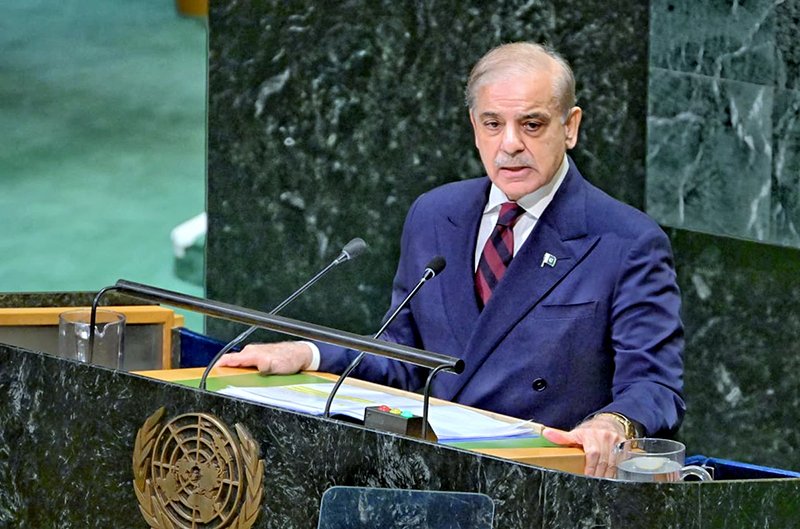
NEW YORK — Prime Minister Muhammad Shehbaz Sharif addressed the 81st session of the United Nations General Assembly on September 25, emphasizing the need for peace in the Middle East and cautioning India against the weaponization of water resources. His speech highlighted Pakistan’s stance on several pressing international issues, including regional stability and resource management. What Happened During his address at the United Nations General Assembly, Prime Minister Shehbaz Sharif articulated Pakistan’s concerns regarding regional peace and security. He underscored the importance of resolving conflicts in the Middle East, which have long-lasting implications for global stability. The Prime Minister specifically called for renewed efforts towards peace in the region, urging international stakeholders to engage in dialogue and cooperation. In his speech, Prime Minister Sharif also addressed the issue of water management, particularly in relation to India. He warned against the potential weaponization of water resources, which could exacerbate tensions between the two nuclear-armed neighbors. He stated, “The weaponization of water is a threat that could have catastrophic consequences for the region and beyond.” This statement reflects Pakistan’s ongoing concerns about water rights and the need for cooperative management of shared resources. Prime Minister Sharif’s address also touched upon other global challenges, including climate change, economic inequality, and the need for sustainable development. He advocated for collective global action to address these issues, emphasizing that no nation can tackle these challenges alone. Background The United Nations General Assembly serves as a platform for world leaders to discuss and address global issues. Pakistan has historically used this forum to highlight its foreign policy priorities and regional concerns. The issue of water management has been a longstanding point of contention between Pakistan and India, with both countries relying heavily on shared river systems. In recent years, tensions have escalated over water rights, particularly concerning the Indus Water Treaty, which governs the distribution of water from rivers that flow through both countries. The treaty, signed in 1960, has been a critical framework for managing water resources, but disputes have arisen over its implementation and interpretation. Why It Matters Prime Minister Sharif’s address at the UN General Assembly is significant for several reasons. Firstly, it highlights Pakistan’s commitment to advocating for peace and stability in the Middle East, a region that has been plagued by conflict for decades. By calling for international cooperation, Pakistan positions itself as a proactive player in seeking diplomatic solutions. Secondly, the emphasis on the weaponization of water resources underscores a critical issue that affects millions of people in South Asia. Water scarcity and management are becoming increasingly pressing concerns due to climate change and population growth. The potential for conflict over water resources poses a significant threat to regional stability, making it imperative for countries to engage in dialogue and cooperation. Furthermore, Prime Minister Sharif’s call for global action on climate change and sustainable development aligns with international efforts to address these urgent challenges. By participating in these discussions, Pakistan seeks to contribute to shaping global policies that can lead to a more equitable and sustainable future. Key Takeaways Prime Minister Shehbaz Sharif addressed the UN General Assembly, focusing on Middle East peace and water management. He warned against the weaponization of water resources, particularly in relation to India. The speech emphasized the need for international cooperation on global challenges like climate change. Pakistan’s stance at the UN highlights its role in advocating for regional and global stability. The address reflects ongoing concerns about water rights and the Indus Water Treaty. Source Attribution This article is based on official government statements, press releases, and public communications from relevant authorities. Author: NEN Editorial Desk | Editor: NEN Newsroom | Fact Checked By: NEN Editorial Team Author: NEN Editorial Desk  |  Editor: NEN Newsroom  |  Last Updated: September 26, 2026  |  Source: Press Release from Government of Pakistan This article was produced by the NEN Editorial Desk in accordance with NEN Agency’s Editorial Policy and Fact-Checking Policy.

Scroll to Top