
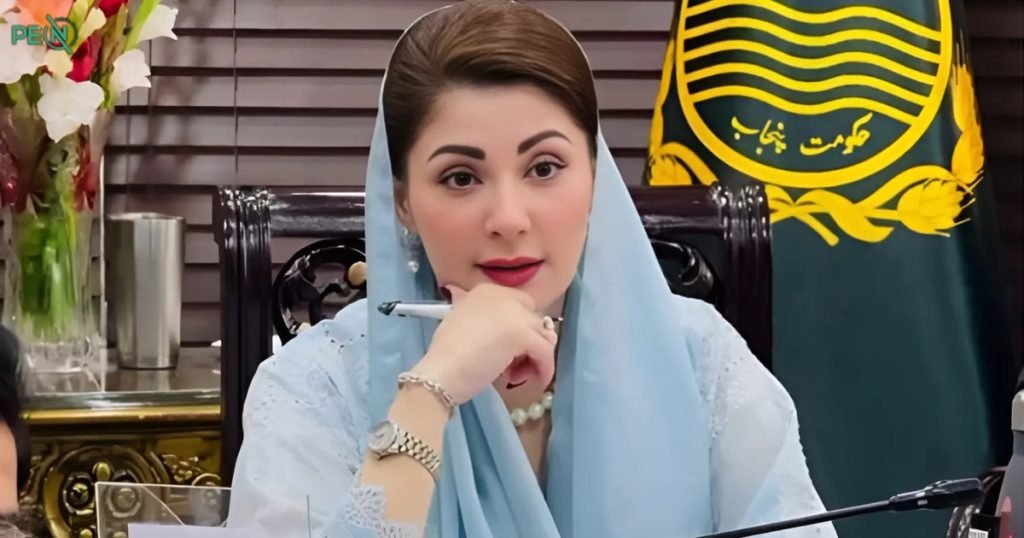
LAHORE — Punjab Chief Minister Maryam Nawaz Sharif conducted a comprehensive review of the Maryam Nawaz Hospitals’ performance on Saturday. These hospitals, transformed from rural health centers across the province, have provided medical treatment to over 7.824 million patients. The review meeting was chaired by the Chief Minister and included a briefing by Secretary Health Nadia Saqib on the performance of the outsourced rural health facilities.
What Happened
The meeting held in Lahore was a detailed evaluation of the healthcare services offered by the Maryam Nawaz Hospitals. Chief Minister Maryam Nawaz Sharif emphasized the importance of maintaining high standards of medical care and ensuring accessibility for all citizens. Secretary Health Nadia Saqib presented a report highlighting the hospitals’ achievements and areas needing improvement. The transformation of rural health centers into fully equipped hospitals has been a significant initiative aimed at enhancing healthcare delivery in underserved areas.
According to the briefing, the hospitals have treated over 7.824 million patients, indicating a substantial impact on healthcare accessibility in rural regions. The Chief Minister expressed satisfaction with the progress but stressed the need for continuous improvement in service delivery. “Our goal is to ensure that every citizen has access to quality healthcare services, regardless of their location,” she stated.
The meeting also discussed future plans to further improve infrastructure and medical facilities at these hospitals. The Chief Minister directed the health department to focus on training medical staff and upgrading equipment to meet modern healthcare standards. Additionally, she emphasized the importance of regular monitoring and evaluation to maintain service quality.
Background
The Maryam Nawaz Hospitals were established as part of a broader initiative to transform rural health centers into comprehensive medical facilities. This project aims to address the healthcare disparities between urban and rural areas in Punjab. Historically, rural regions have faced significant challenges in accessing quality healthcare, often due to inadequate infrastructure and a shortage of medical professionals.
The initiative to upgrade rural health centers was launched with the objective of providing equitable healthcare services across the province. By outsourcing management and operations to private entities, the government seeks to enhance efficiency and service quality. This model has been implemented in several regions, with varying degrees of success, and is part of a larger strategy to improve public health outcomes in Pakistan.
Why It Matters
The review of the Maryam Nawaz Hospitals’ performance is crucial for several reasons. Firstly, it highlights the government’s commitment to improving healthcare access in rural areas, which historically have been underserved. By transforming rural health centers into fully functional hospitals, the initiative addresses a critical gap in healthcare delivery.
Economically, the improved healthcare infrastructure can lead to better health outcomes, reducing the burden of disease and increasing productivity among the rural population. Socially, it empowers communities by providing essential services that enhance quality of life and reduce healthcare-related financial burdens.
Politically, the initiative reflects the government’s prioritization of healthcare as a key area of development. It aligns with broader national goals of improving public health and achieving sustainable development. Internationally, such initiatives can enhance Pakistan’s reputation as a country committed to advancing its healthcare system, potentially attracting foreign investment and expertise in the health sector.
Key Takeaways
- Punjab CM Maryam Nawaz Sharif reviewed the performance of Maryam Nawaz Hospitals.
- Over 7.824 million patients have been treated at these hospitals.
- The initiative aims to transform rural health centers into comprehensive medical facilities.
- Future plans include improving infrastructure and training medical staff.
- The initiative addresses healthcare disparities between urban and rural areas.
Source Attribution
This article is based on official government statements, press releases, and public communications from relevant authorities.














