
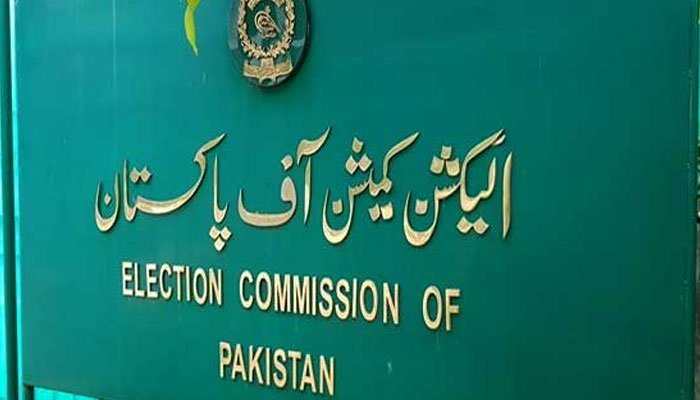
ISLAMABAD — The Election Commission of Pakistan (ECP) has announced the establishment of an Election Monitoring and Control Centre (EMCC) to manage public complaints during the upcoming by-election in Bahawalpur’s NA-168 constituency. The by-election is scheduled for September 27, and the EMCC aims to ensure a smooth electoral process by addressing grievances promptly.
What Happened
The ECP has set up the EMCC as part of its efforts to maintain transparency and efficiency in the electoral process. The centre will operate with trained staff stationed at federal, provincial, divisional, and district levels. This multi-tiered approach is designed to monitor the election proceedings closely and address any issues that may arise.
The EMCC will be responsible for receiving complaints from the public and ensuring that they are addressed swiftly. This initiative is part of the ECP’s broader strategy to enhance the credibility of elections and to reassure the public of the integrity of the electoral process. The staff at the EMCC are equipped to handle a wide range of complaints, from procedural issues to allegations of misconduct.
The by-election in Bahawalpur’s NA-168 constituency is a significant event, as it involves a contest for a National Assembly seat. The ECP’s proactive measures, including the establishment of the EMCC, underscore its commitment to conducting free and fair elections. The centre will remain operational throughout the election day to ensure that any disruptions are minimized and resolved efficiently.
Background
The ECP has a history of setting up similar monitoring centres during elections to ensure transparency and accountability. In previous elections, the establishment of such centres has helped in the quick resolution of complaints and has contributed to the overall credibility of the electoral process. The ECP operates under the legal framework provided by the Election Act of 2017, which mandates the commission to ensure free and fair elections in the country.
Historically, by-elections in Pakistan have been closely watched events, often seen as a barometer for public sentiment and political trends. The NA-168 constituency in Bahawalpur has been a contested area, with various political parties vying for influence. The ECP’s measures are aimed at ensuring that the by-election is conducted in a manner that reflects the true will of the voters.
Why It Matters
The establishment of the EMCC is crucial for maintaining public confidence in the electoral process. By providing a platform for addressing complaints, the ECP is taking a significant step towards enhancing the transparency and fairness of the by-election. This initiative is particularly important in a political environment where allegations of electoral fraud and misconduct are not uncommon.
For the citizens of Bahawalpur, the EMCC offers a direct channel to report any irregularities, ensuring that their voices are heard and their concerns addressed. This can lead to increased voter participation, as individuals feel more confident that their votes will be counted accurately and fairly.
On a broader scale, the ECP’s actions can influence the political landscape in Pakistan. By demonstrating its commitment to free and fair elections, the ECP can help build trust in democratic institutions, which is essential for political stability and development. The by-election in Bahawalpur could set a precedent for future elections, reinforcing the importance of transparency and accountability in the electoral process.
Key Takeaways
- The ECP has established an Election Monitoring and Control Centre for the NA-168 by-election in Bahawalpur.
- The centre is designed to address public complaints and ensure a transparent electoral process.
- Trained staff are deployed at various levels to monitor and act on any issues during the election.
- This initiative is part of the ECP’s efforts to enhance the credibility of elections in Pakistan.
- The EMCC aims to increase public confidence and voter participation in the electoral process.
Source Attribution
This article is based on official government statements and public communications from the Election Commission of Pakistan.














