
Author name: Yasir Zubairi

Yasir Zubairi is the founder and publisher of NEN Agency (News Era Network). He leads NEN's coverage of Pakistan's national affairs, economy, foreign relations and sports, and is responsible for the accuracy and standards of every story published on nenagency.com.

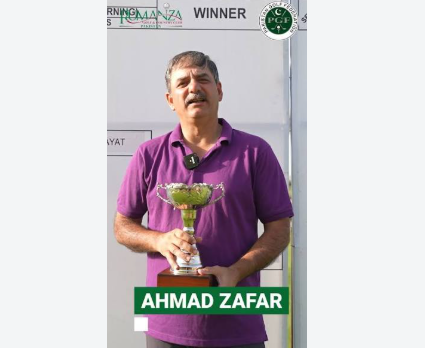
Ahmad Zafar Hayat Triumphs at Singapore Open Senior Amateur Championship
World

Ahmad Zafar Hayat Triumphs at Singapore Open Senior Amateur Championship

ISLAMABAD — Ahmad Zafar Hayat of Pakistan emerged victorious at the 35th Singapore Open Senior Amateur Championship 2026, marking a significant achievement in the realm of international senior amateur golf. The championship, held in Singapore, concluded with Hayat securing the overall title through a consistent and impressive performance across three rounds. What Happened Ahmad Zafar Hayat demonstrated exceptional skill and composure to clinch the title at the prestigious Singapore Open Senior Amateur Championship. The event, which took place over several days, saw Hayat compete against a field of seasoned golfers from around the world. He delivered steady rounds of 73, 74, and 76, culminating in a three-round aggregate score that ensured his victory. The championship, known for attracting top senior amateur golfers, provided a challenging platform with its demanding course layout. Hayat’s ability to navigate the course effectively was evident in his consistent scoring, which ultimately placed him at the top of the leaderboard. His triumph not only highlights his personal achievement but also brings recognition to Pakistan in the international golfing community. Following his victory, Hayat expressed his gratitude and satisfaction, stating, “Winning the Singapore Open Senior Amateur Championship is a dream come true. Competing against such a talented field and coming out on top is immensely rewarding.” His win is a testament to his dedication and the rigorous preparation that preceded the tournament. Background The Singapore Open Senior Amateur Championship is a well-regarded event in the senior amateur golf circuit, attracting participants from various countries. Established to promote competitive senior golf, the championship has grown in stature over the years, becoming a sought-after event for senior golfers aiming to showcase their skills on an international stage. Pakistan has a growing interest in golf, with increasing participation in both amateur and professional levels. The country’s golf infrastructure has seen improvements, and Pakistani golfers have started to make their mark in international competitions. Ahmad Zafar Hayat’s victory is a continuation of this positive trend and serves as an inspiration for upcoming golfers in Pakistan. Why It Matters Ahmad Zafar Hayat’s victory at the Singapore Open Senior Amateur Championship holds significant implications for Pakistan’s golfing community and the country’s sports landscape. Economically, such achievements can lead to increased investment in golf, enhancing facilities and training programs that can nurture future talent. This victory also positions Pakistan as a competitive participant in international golf, potentially attracting international events and tourism. Socially, Hayat’s win can inspire young and aspiring golfers in Pakistan, offering them a role model to emulate. His success demonstrates that with dedication and hard work, Pakistani athletes can excel on the world stage. This can lead to increased participation in golf, promoting a healthier lifestyle and encouraging sports as a viable career path. Politically, sporting achievements like Hayat’s can foster national pride and unity. They provide opportunities for positive international representation, countering negative stereotypes and showcasing Pakistan’s potential in various fields, including sports. Key Takeaways Ahmad Zafar Hayat won the 35th Singapore Open Senior Amateur Championship 2026, marking a significant achievement for Pakistan in international golf. Hayat’s consistent performance with rounds of 73, 74, and 76 secured his victory in a competitive field. The championship is a prestigious event in the senior amateur golf circuit, attracting participants from around the world. Hayat’s victory can inspire future generations of Pakistani golfers and boost the country’s sports profile internationally. This achievement may lead to increased investment and interest in golf within Pakistan, enhancing the country’s sports infrastructure. Source Attribution This article is based on official statements and public communications from relevant authorities. Author: NEN Editorial Desk | Editor: NEN Newsroom | Fact Checked By: NEN Editorial Team Author: NEN Editorial Desk  |  Editor: NEN Newsroom  |  Last Updated: September 26, 2026  |  Source: NEN Reporter This article was produced by the NEN Editorial Desk in accordance with NEN Agency’s Editorial Policy and Fact-Checking Policy.
State Bank of Pakistan Injects Rs 10.83 Trillion to Boost Liquidity
Pakistan

State Bank of Pakistan Injects Rs 10.83 Trillion to Boost Liquidity

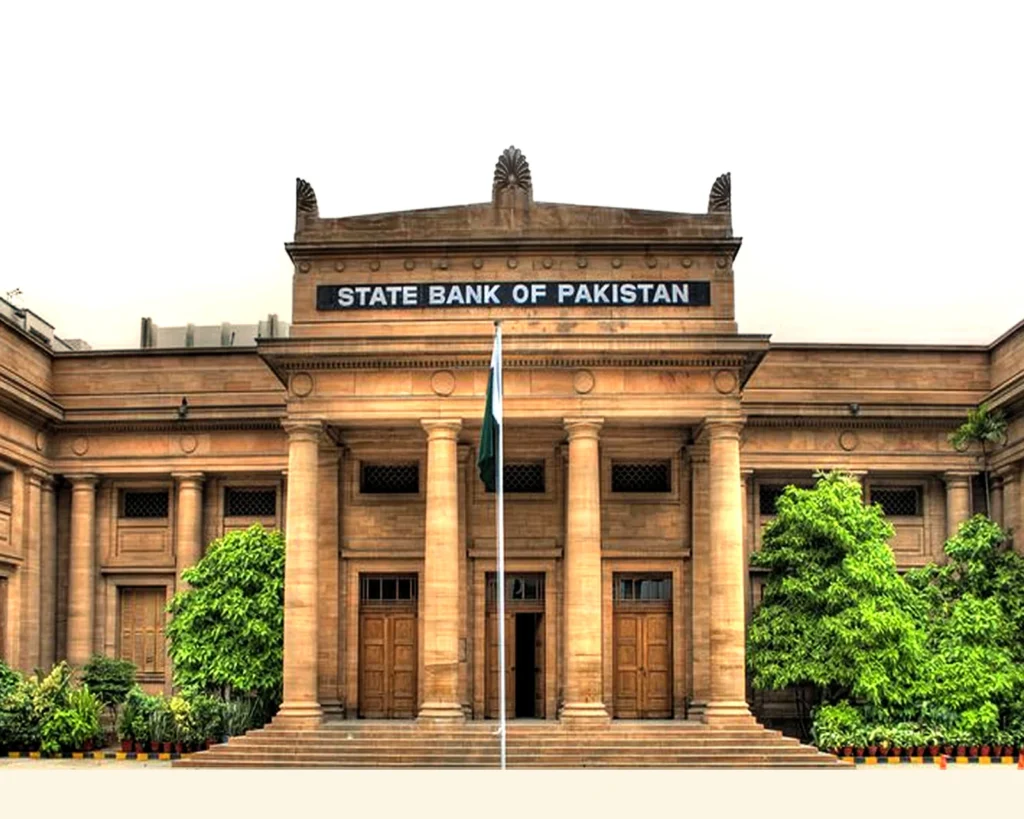
ISLAMABAD — The State Bank of Pakistan (SBP) has injected Rs 10.83 trillion into the financial market through Reverse Repo Purchase and Shariah Compliant Mudarabah-based Open Market Operations (OMO) as of Friday. This substantial liquidity measure aims to stabilize the market and ensure adequate cash flow within the banking system. What Happened The SBP’s decision to inject Rs 10,827 billion into the market was executed via two key financial instruments: Reverse Repo Purchase and Shariah Compliant Mudarabah-based Open Market Operations. These tools are designed to manage the liquidity levels in the banking sector, ensuring that financial institutions have sufficient cash reserves to meet their obligations and continue lending activities. Reverse Repo Purchase is a process where the central bank buys securities from commercial banks with an agreement to sell them back at a later date. This temporarily increases the money supply in the banking system, providing banks with the liquidity they need to operate smoothly. The Shariah Compliant Mudarabah-based OMO, on the other hand, aligns with Islamic finance principles, offering a non-interest-based mechanism to achieve similar liquidity outcomes. The injection of funds is part of the SBP’s ongoing efforts to maintain market stability, particularly in light of recent economic challenges. By providing this level of liquidity, the SBP aims to support the banking sector’s ability to lend to businesses and individuals, thereby fostering economic activity and growth. Background The State Bank of Pakistan regularly engages in open market operations to manage liquidity in the financial system. These operations are crucial for maintaining the balance between the supply and demand for money, which in turn influences interest rates and overall economic activity. Historically, the SBP has used various monetary policy tools to address liquidity issues, especially during times of economic uncertainty or financial stress. The use of Shariah Compliant Mudarabah-based operations reflects the growing importance of Islamic finance in Pakistan’s banking sector, catering to the needs of institutions and customers who prefer Shariah-compliant financial products. In recent years, Pakistan’s economy has faced several challenges, including inflationary pressures, currency depreciation, and fiscal deficits. These factors have necessitated proactive measures by the central bank to ensure financial stability and support economic growth. Why It Matters The SBP’s injection of Rs 10.83 trillion is significant for several reasons. Economically, it provides much-needed liquidity to the banking sector, enabling banks to continue lending to businesses and consumers. This is crucial for sustaining economic activity, especially in an environment where businesses may face cash flow challenges due to external economic pressures. Socially, the availability of credit can have a positive impact on employment and consumer spending. When businesses have access to financing, they can invest in expansion, hire more employees, and increase production, which can lead to job creation and improved economic conditions for citizens. Politically, the SBP’s actions demonstrate the government’s commitment to maintaining financial stability and supporting the economy. This can enhance confidence among investors and international partners, potentially leading to increased foreign investment and economic collaboration. Internationally, the move underscores Pakistan’s efforts to align its financial practices with global standards, particularly in the realm of Islamic finance. By utilizing Shariah-compliant mechanisms, Pakistan positions itself as a leader in Islamic banking, which could attract investment from countries and institutions interested in this sector. Key Takeaways The State Bank of Pakistan injected Rs 10.83 trillion to maintain liquidity in the market. The operation utilized Reverse Repo Purchase and Shariah Compliant Mudarabah-based Open Market Operations. This measure aims to stabilize the banking sector and support economic growth. The move reflects the SBP’s commitment to financial stability amid economic challenges. Pakistan’s use of Islamic finance tools positions it as a leader in the sector internationally. Source Attribution This article is based on official government statements, press releases, and public communications from relevant authorities. Author: NEN Editorial Desk | Editor: NEN Newsroom | Fact Checked By: NEN Editorial Team Author: NEN Editorial Desk  |  Editor: NEN Newsroom  |  Last Updated: September 26, 2026  |  Source: NEN Reporter This article was produced by the NEN Editorial Desk in accordance with NEN Agency’s Editorial Policy and Fact-Checking Policy.
SMEDA and Daraz Pakistan Collaborate on E-Commerce Initiative for SMEs
Pakistan

SMEDA and Daraz Pakistan Collaborate on E-Commerce Initiative for SMEs

ISLAMABAD — The Small and Medium Enterprises Development Authority (SMEDA) and Daraz Pakistan have announced a collaborative effort to enhance the digital capabilities of small and medium-sized enterprises (SMEs) in Pakistan. This initiative aims to expand SMEs’ access to e-commerce platforms and unlock new growth opportunities. What Happened SMEDA and Daraz Pakistan have entered into discussions to explore potential collaborations that would benefit Pakistani SMEs by integrating them into the digital economy. The initiative seeks to provide SMEs with the tools and knowledge needed to effectively engage in e-commerce, thereby broadening their market reach and increasing their competitiveness. According to a statement from SMEDA, the collaboration will focus on developing training programs and resources tailored to the needs of SMEs. These programs will cover various aspects of e-commerce, including digital marketing, online sales strategies, and customer service excellence. The goal is to equip SMEs with the skills necessary to thrive in an increasingly digital marketplace. Daraz Pakistan, a leading e-commerce platform in the country, has expressed its commitment to supporting SMEs by offering them a platform to showcase their products to a wider audience. The company plans to provide technical support and mentorship to help SMEs optimize their online presence and enhance their sales performance. In a recent meeting, officials from both SMEDA and Daraz Pakistan discussed the potential impact of this collaboration on the SME sector. They emphasized the importance of digital transformation for SMEs, particularly in the wake of the COVID-19 pandemic, which has accelerated the shift towards online commerce. Background The SME sector in Pakistan plays a crucial role in the country’s economy, contributing significantly to GDP and employment. However, many SMEs face challenges in accessing digital platforms due to a lack of resources and expertise. The government’s Vision 2025 includes a focus on digital transformation and aims to integrate more SMEs into the digital economy. In recent years, e-commerce has emerged as a vital component of economic growth in Pakistan. The sector has seen rapid expansion, driven by increased internet penetration and a growing preference for online shopping among consumers. Despite this growth, many SMEs have struggled to keep pace with technological advancements and have been unable to fully capitalize on the opportunities presented by e-commerce. Why It Matters This collaboration between SMEDA and Daraz Pakistan is significant for several reasons. Firstly, it addresses the digital divide that many SMEs face, providing them with the necessary tools and knowledge to compete in the digital marketplace. By enhancing their e-commerce capabilities, SMEs can reach a broader customer base, increase their sales, and contribute more significantly to the national economy. Economically, the initiative is poised to boost the SME sector, which is a backbone of Pakistan’s economy. By integrating more SMEs into the digital economy, the country can enhance its economic resilience and foster innovation. This is particularly important in the current global economic climate, where digital transformation is a key driver of growth. Socially, the initiative can lead to job creation and skill development, as SMEs expand their operations and require a workforce equipped with digital skills. This can contribute to reducing unemployment and improving the livelihoods of many Pakistanis. Politically, the collaboration aligns with the government’s broader strategy to promote digitalization and technological advancement. It demonstrates a commitment to supporting SMEs and fostering an environment conducive to business growth and innovation. Key Takeaways SMEDA and Daraz Pakistan are collaborating to enhance the digital capabilities of Pakistani SMEs. The initiative aims to provide training and resources to help SMEs engage in e-commerce effectively. This collaboration addresses the digital divide and aims to integrate more SMEs into the digital economy. The initiative is expected to boost economic growth, create jobs, and foster innovation in Pakistan. It aligns with the government’s Vision 2025 strategy for digital transformation. Source Attribution This article is based on official government statements and public communications from relevant authorities. Author: NEN Editorial Desk | Editor: NEN Newsroom | Fact Checked By: NEN Editorial Team Author: NEN Editorial Desk  |  Editor: NEN Newsroom  |  Last Updated: September 26, 2026  |  Source: NEN Reporter This article was produced by the NEN Editorial Desk in accordance with NEN Agency’s Editorial Policy and Fact-Checking Policy.
PM Urges Equal Urgency for Development and Security at UN Assembly
World

PM Urges Equal Urgency for Development and Security at UN Assembly

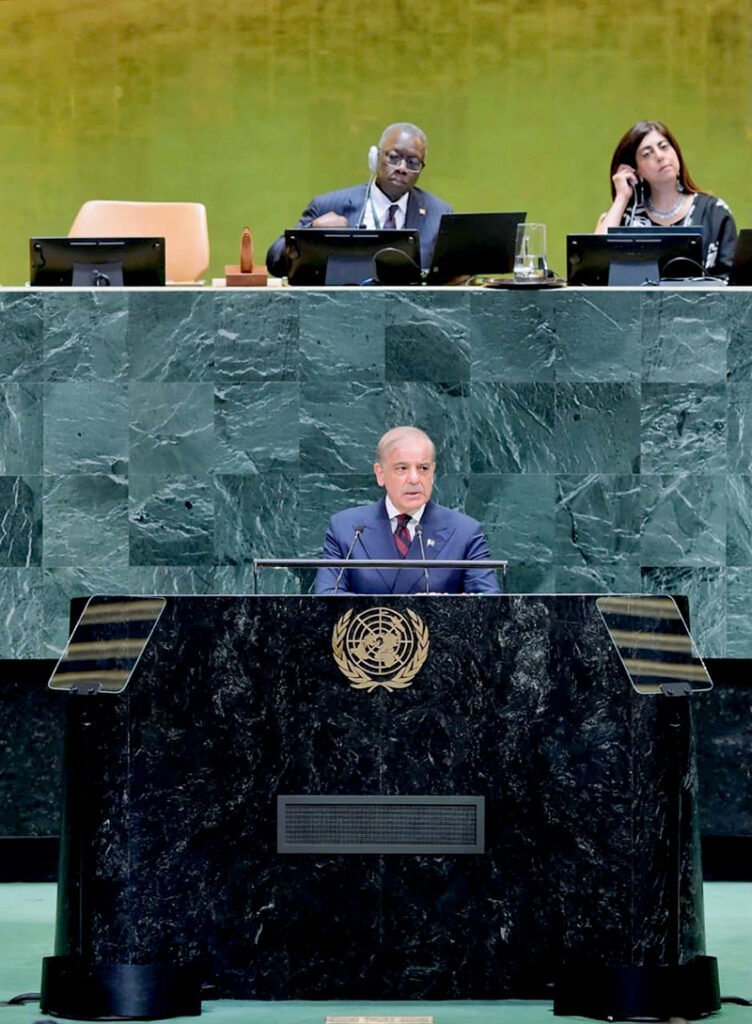
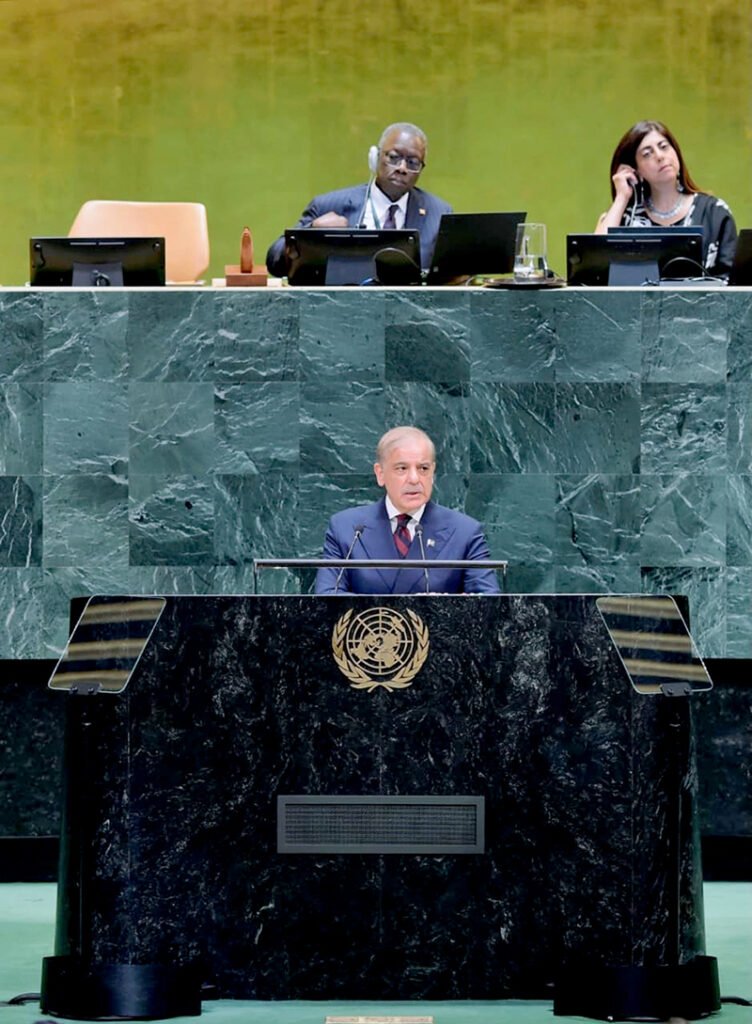
UNITED NATIONS — Prime Minister Shehbaz Sharif emphasized the need for development to receive the same level of urgency as security during his address at the United Nations General Assembly on Friday. He called for timely debt relief, affordable long-term financing, and a stronger voice for developing countries within global financial institutions. What Happened Prime Minister Shehbaz Sharif, addressing the United Nations General Assembly, highlighted the disproportionate impact of climate change on Pakistan, despite the country contributing less than one percent to global emissions. He urged developed nations to fulfill their climate-finance commitments without delay, to fund loss and damage swiftly, and to support adaptation and resilience efforts. In his speech, the prime minister praised Chinese President Xi Jinping for his leadership in launching initiatives such as the Global Development Initiative, the Global Security Initiative, the Global Civilization Initiative, and the Global Governance Initiative. He expressed optimism that these initiatives could serve as foundational pillars for building a shared future for humanity. Discussing Pakistan’s economic situation, Prime Minister Sharif stated that economic revival was a primary responsibility of his government. He noted that through structural reforms and stringent fiscal discipline, macro-economic stability had been restored, setting the stage for sustainable and inclusive growth. The prime minister mentioned efforts to modernize agriculture and industry, develop mineral resources, and digitalize the economy. Furthermore, he underscored the importance of equipping Pakistan’s youth with skills in artificial intelligence and information technology. Prime Minister Sharif also highlighted the strategic importance of the China-Pakistan Economic Corridor (CPEC) and its role in opening new pathways with China, the Gulf, Central Asia, and beyond. Background Pakistan has been grappling with the severe impacts of climate change, including devastating floods and extreme weather events, which have exacerbated existing socio-economic challenges. The country’s limited contribution to global emissions contrasts sharply with the magnitude of climate-related damages it faces. The call for climate-finance commitments aligns with ongoing international discussions about equitable climate action and support for vulnerable nations. The China-Pakistan Economic Corridor, a flagship project under China’s Belt and Road Initiative, aims to enhance connectivity and economic integration between the two countries. It has been a focal point of Pakistan’s economic strategy, promising infrastructure development and increased trade opportunities. Why It Matters The prime minister’s address at the UN General Assembly underscores the critical intersection of development and security in the global agenda. By advocating for equal urgency in addressing development challenges, Prime Minister Sharif is highlighting the need for a balanced approach that ensures economic growth and stability alongside traditional security concerns. Pakistan’s emphasis on climate finance and adaptation is particularly relevant as the country continues to face the adverse effects of climate change. The call for developed nations to honor their financial commitments is a pressing issue for many developing countries seeking to build resilience against climate impacts. The focus on economic revival and modernization reflects Pakistan’s broader efforts to position itself as a competitive and resilient economy. By investing in technology and infrastructure, the government aims to drive sustainable growth and improve the quality of life for its citizens. Furthermore, the strategic partnerships formed through CPEC and other regional collaborations are crucial for Pakistan’s economic and geopolitical positioning. These initiatives not only promise economic benefits but also enhance regional connectivity and cooperation. Key Takeaways Prime Minister Shehbaz Sharif called for equal urgency in addressing development and security at the UN General Assembly. He urged developed countries to fulfill climate-finance commitments to support vulnerable nations like Pakistan. Pakistan is focusing on economic revival through structural reforms, modernization, and digitalization. The China-Pakistan Economic Corridor is a key component of Pakistan’s strategy to enhance regional connectivity and economic growth. Climate change remains a significant challenge for Pakistan, necessitating international support and cooperation. Source Attribution This article is based on official government statements, press releases, and public communications from relevant authorities. Author: NEN Editorial Desk | Editor: NEN Newsroom | Fact Checked By: NEN Editorial Team Author: NEN Editorial Desk  |  Editor: NEN Newsroom  |  Last Updated: September 26, 2026  |  Source: Press Release from Government of Pakistan This article was produced by the NEN Editorial Desk in accordance with NEN Agency’s Editorial Policy and Fact-Checking Policy.
Prime Minister Shehbaz Sharif Speaks at 81st UN General Assembly Session
World

Prime Minister Shehbaz Sharif Speaks at 81st UN General Assembly Session

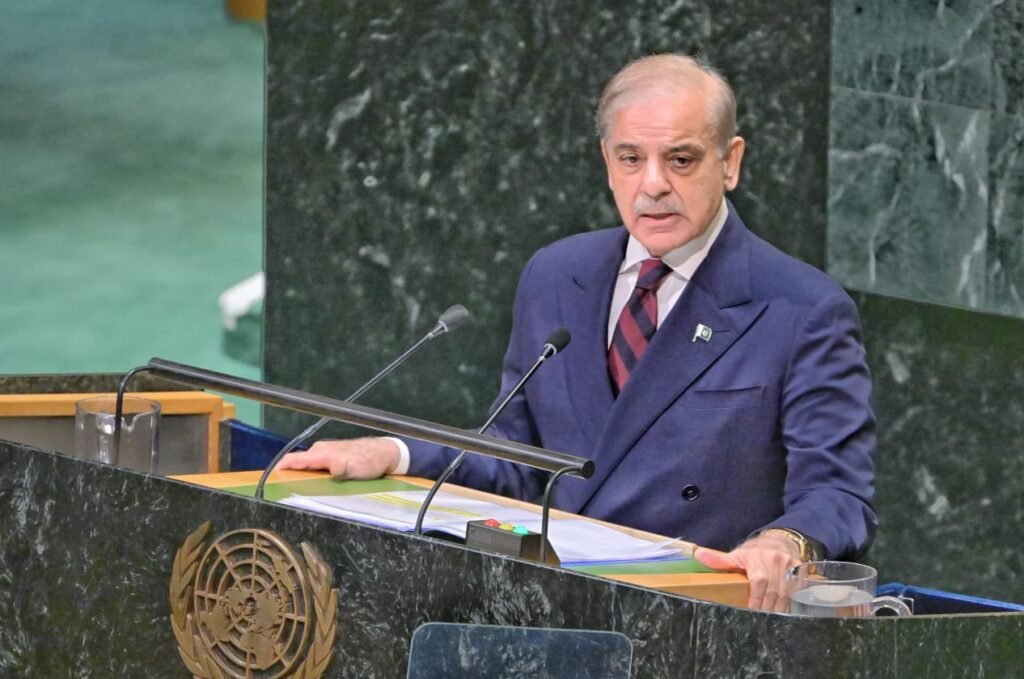
NEW YORK — Prime Minister Muhammad Shehbaz Sharif addressed the 81st session of the United Nations General Assembly on September 25, highlighting Pakistan’s stance on global issues and urging international cooperation on key challenges. The session, held at the UN headquarters in New York, provided a platform for world leaders to discuss pressing international concerns. What Happened During his address, Prime Minister Shehbaz Sharif emphasized the importance of multilateralism and the need for collective action to address global challenges such as climate change, poverty, and terrorism. He underscored Pakistan’s commitment to the UN’s goals and its role in promoting peace and stability in the region. Prime Minister Sharif called for a renewed focus on sustainable development, urging developed nations to fulfill their financial commitments to support developing countries. He highlighted the disproportionate impact of climate change on countries like Pakistan, which have contributed minimally to global emissions but suffer significantly from environmental degradation. On the issue of terrorism, Prime Minister Sharif reiterated Pakistan’s stance against all forms of terrorism and its efforts to combat extremism within its borders. He called for a comprehensive approach to address the root causes of terrorism, including socio-economic disparities and political grievances. In his speech, Prime Minister Sharif also addressed the situation in Kashmir, urging the international community to play a role in resolving the long-standing dispute in accordance with UN resolutions. He stressed the need for dialogue and diplomacy to achieve a peaceful settlement. Background The United Nations General Assembly (UNGA) is one of the six principal organs of the United Nations, where all 193 member states have equal representation. The annual sessions provide a forum for member states to discuss international issues and propose solutions. The 81st session comes at a time when the world is grappling with multiple crises, including the COVID-19 pandemic, geopolitical tensions, and economic instability. Pakistan has been an active participant in the UN since its inception, contributing to peacekeeping missions and advocating for issues such as disarmament, sustainable development, and human rights. The country’s leadership has historically used the UNGA platform to raise awareness about regional and global issues, including the Kashmir conflict. Why It Matters Prime Minister Shehbaz Sharif’s address at the UNGA is significant for several reasons. Firstly, it reaffirms Pakistan’s commitment to multilateralism and the UN’s role in addressing global challenges. As a developing nation, Pakistan’s call for increased support from developed countries highlights the need for equitable solutions to global problems. The emphasis on climate change is particularly relevant, as Pakistan has experienced devastating floods and other climate-related disasters in recent years. By advocating for international cooperation on climate issues, Pakistan seeks to draw attention to the urgent need for action and support for vulnerable countries. Furthermore, the Prime Minister’s remarks on terrorism and Kashmir underscore Pakistan’s foreign policy priorities. The call for a peaceful resolution to the Kashmir conflict aligns with Pakistan’s longstanding position and aims to garner international support for dialogue and negotiation. Overall, Prime Minister Sharif’s speech highlights Pakistan’s role as a responsible member of the international community, advocating for peace, stability, and sustainable development. Key Takeaways Prime Minister Shehbaz Sharif addressed the 81st UNGA session, emphasizing multilateralism and global cooperation. He highlighted the impact of climate change on developing countries and called for increased support from developed nations. The Prime Minister reiterated Pakistan’s commitment to combating terrorism and called for addressing its root causes. He urged the international community to play a role in resolving the Kashmir conflict through dialogue and diplomacy. Pakistan’s address at the UNGA reaffirms its commitment to peace, stability, and sustainable development. Source Attribution This article is based on official government statements, press releases, and public communications from relevant authorities. Author: NEN Editorial Desk | Editor: NEN Newsroom | Fact Checked By: NEN Editorial Team Author: NEN Editorial Desk  |  Editor: NEN Newsroom  |  Last Updated: September 26, 2026  |  Source: Press Release from Government of Pakistan This article was produced by the NEN Editorial Desk in accordance with NEN Agency’s Editorial Policy and Fact-Checking Policy.
PM Shehbaz Sharif Calls For Middle East Peace, Warns India On Water Disputes
World

PM Shehbaz Sharif Calls For Middle East Peace, Warns India On Water Disputes

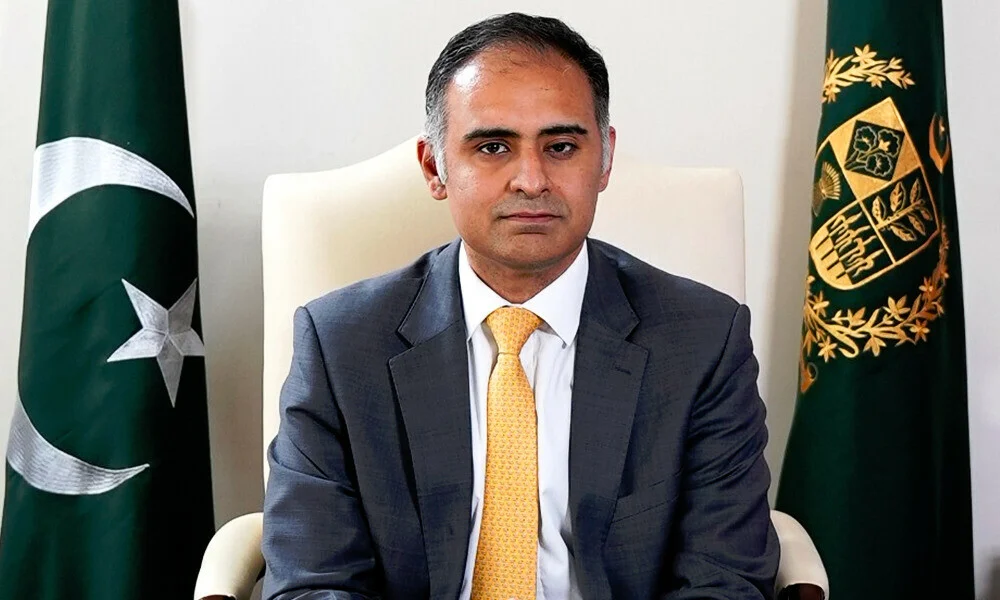
NEW YORK — Prime Minister Shehbaz Sharif on Friday addressed the United Nations General Assembly, emphasizing the urgent need for diplomatic efforts to resolve ongoing conflicts in the Middle East. He also issued a stern warning to India regarding any attempts to alter the flow of river waters shared with Pakistan, labeling such actions as potential acts of war. What Happened During his speech at the UN General Assembly, Prime Minister Shehbaz Sharif highlighted the escalating tensions in the Middle East, urging the international community to engage in renewed diplomatic initiatives. He expressed concerns over the humanitarian crises resulting from these conflicts and called for a collective effort to restore peace and stability in the region. Sharif’s address also included a pointed warning to India concerning the Indus Waters Treaty, which governs the distribution of river waters between the two countries. He stated, “Any attempt to stop, impede or divert Pakistan’s share of river waters will be treated as an act of war.” This statement underscores the critical nature of water resources in South Asia, where both nations rely heavily on shared river systems for agriculture and drinking water. The Prime Minister’s remarks come amid longstanding tensions between Pakistan and India over water rights, which have been exacerbated by climate change and increasing water scarcity. His speech aimed to highlight the potential for conflict escalation if water disputes are not managed through diplomatic channels. Background The Indus Waters Treaty, brokered by the World Bank in 1960, allocates the waters of the Indus River and its tributaries between India and Pakistan. Despite being a cornerstone of water-sharing agreements, the treaty has faced challenges as both countries experience growing water demands due to population growth and climate change. Historically, the treaty has been a source of tension, with periodic accusations from both sides of treaty violations. In recent years, India has undertaken several dam projects on rivers allocated to Pakistan, raising concerns about potential impacts on downstream water availability. In the Middle East, conflicts in regions such as Syria, Yemen, and Palestine have led to severe humanitarian crises, with millions displaced and in need of aid. The international community has struggled to find lasting solutions to these conflicts, often hindered by geopolitical interests and regional rivalries. Why It Matters Prime Minister Sharif’s call for peace in the Middle East and his warning to India on water issues carry significant implications for regional stability and international relations. The Middle East remains a focal point of global attention due to its strategic importance and the humanitarian impact of ongoing conflicts. Diplomatic efforts to resolve these issues could lead to improved regional security and economic development. In South Asia, water scarcity poses a critical challenge, with potential to exacerbate tensions between nuclear-armed neighbors Pakistan and India. Any unilateral actions that threaten the water supply could lead to severe diplomatic fallout and potentially escalate into conflict, affecting millions of lives and regional stability. Sharif’s emphasis on diplomacy highlights the need for cooperative approaches to shared challenges, such as water management and conflict resolution. By addressing these issues at the UN, Pakistan seeks to garner international support and pressure for peaceful solutions. Key Takeaways Prime Minister Shehbaz Sharif called for renewed diplomatic efforts to address Middle East conflicts at the UN General Assembly. He warned India that altering Pakistan’s share of river waters could be considered an act of war. The Indus Waters Treaty remains a critical framework for water-sharing between India and Pakistan. Water scarcity and climate change are increasing tensions over shared water resources in South Asia. International diplomatic efforts are essential for resolving Middle East conflicts and preventing regional instability. Source Attribution This article is based on official government statements, press releases, and public communications from relevant authorities. Author: NEN Editorial Desk | Editor: NEN Newsroom | Fact Checked By: NEN Editorial Team Author: NEN Editorial Desk  |  Editor: NEN Newsroom  |  Last Updated: September 26, 2026  |  Source: NEN Reporter This article was produced by the NEN Editorial Desk in accordance with NEN Agency’s Editorial Policy and Fact-Checking Policy.
Fuel Relief Scheme Now Active Nationwide, Confirms Kiyani
Pakistan

Fuel Relief Scheme Now Active Nationwide, Confirms Kiyani

ISLAMABAD — Minister of State for Finance, Bilal Azhar Kiyani, announced on Friday that the Prime Minister’s Fuel Relief Scheme is now fully operational across Pakistan. The initiative aims to provide financial relief to citizens amid rising fuel costs by offering Rs500 worth of free petrol weekly to eligible motorcyclists and Rs1,000 every 10 days to owners of cars with engine capacities up to 800cc. What Happened The government has launched the Fuel Relief Scheme to mitigate the impact of escalating fuel prices on the average Pakistani citizen. According to Minister Kiyani, the scheme is designed to support low-income individuals who are most affected by the economic pressures of fuel price hikes. “The scheme is fully operational and is a testament to our commitment to providing relief to the people,” Kiyani stated. Eligible participants can register quickly through a streamlined process that ensures they receive their benefits without delay. The scheme is expected to cover a significant portion of the population, particularly those reliant on motorcycles and small cars for daily commuting. The government has emphasized that the registration process is user-friendly, requiring minimal documentation to facilitate easy access to the relief. Minister Kiyani highlighted the government’s dedication to addressing economic challenges faced by citizens, particularly in the wake of global fuel price fluctuations. He noted that the scheme is part of a broader strategy to stabilize the economy and support vulnerable groups during challenging times. Background Pakistan has been grappling with rising fuel prices, influenced by global market trends and domestic economic conditions. The government has previously implemented various measures to cushion the impact on consumers, including subsidies and price controls. However, the persistent increase in international crude oil prices has necessitated more targeted interventions. The Fuel Relief Scheme is a continuation of the government’s efforts to provide direct support to citizens. Historically, similar initiatives have been employed during periods of economic strain, reflecting a pattern of state intervention to maintain social stability and economic resilience. Why It Matters The implementation of the Fuel Relief Scheme is significant for several reasons. Economically, it provides immediate financial relief to lower-income groups who are disproportionately affected by fuel price increases. By reducing the cost burden on these individuals, the scheme helps maintain their purchasing power, which is crucial for sustaining domestic consumption and economic activity. Socially, the scheme is a response to public demands for government intervention in the face of rising living costs. It demonstrates the government’s responsiveness to citizen needs and its willingness to take concrete steps to address economic disparities. This initiative may also help alleviate public dissatisfaction and prevent potential unrest stemming from economic grievances. Politically, the scheme is likely to bolster the government’s standing among the electorate, particularly as it prepares for upcoming elections. By providing tangible benefits to a large segment of the population, the government can strengthen its support base and enhance its credibility as a responsive and people-oriented administration. Internationally, the scheme positions Pakistan as a country taking proactive measures to protect its citizens from global economic shocks. This approach may enhance the country’s image as a responsible member of the international community, committed to sustainable development and social welfare. Key Takeaways The Fuel Relief Scheme provides Rs500 weekly to motorcyclists and Rs1,000 every 10 days to small car owners. The initiative is fully operational nationwide, with a quick and easy registration process. The scheme aims to alleviate the economic burden of rising fuel prices on low-income citizens. It reflects the government’s commitment to addressing economic challenges and supporting vulnerable groups. The scheme has economic, social, and political implications for Pakistan’s domestic and international standing. Source Attribution This article is based on official government statements, press releases, and public communications from relevant authorities. Author: NEN Editorial Desk | Editor: NEN Newsroom | Fact Checked By: NEN Editorial Team Author: NEN Editorial Desk  |  Editor: NEN Newsroom  |  Last Updated: September 25, 2026  |  Source: NEN Reporter This article was produced by the NEN Editorial Desk in accordance with NEN Agency’s Editorial Policy and Fact-Checking Policy.
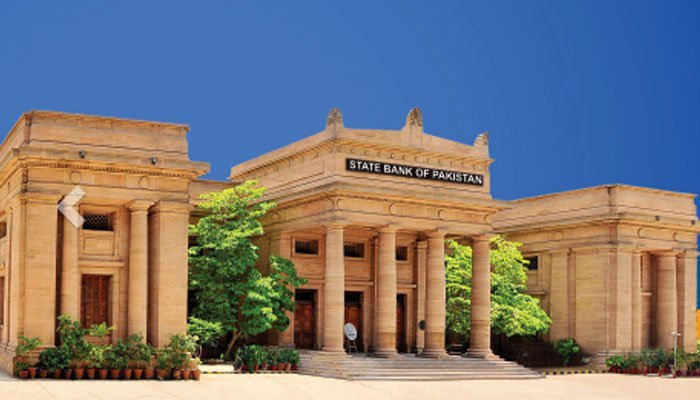
FCCI Leadership Set for Unopposed Election in Faisalabad
Pakistan

FCCI Leadership Set for Unopposed Election in Faisalabad

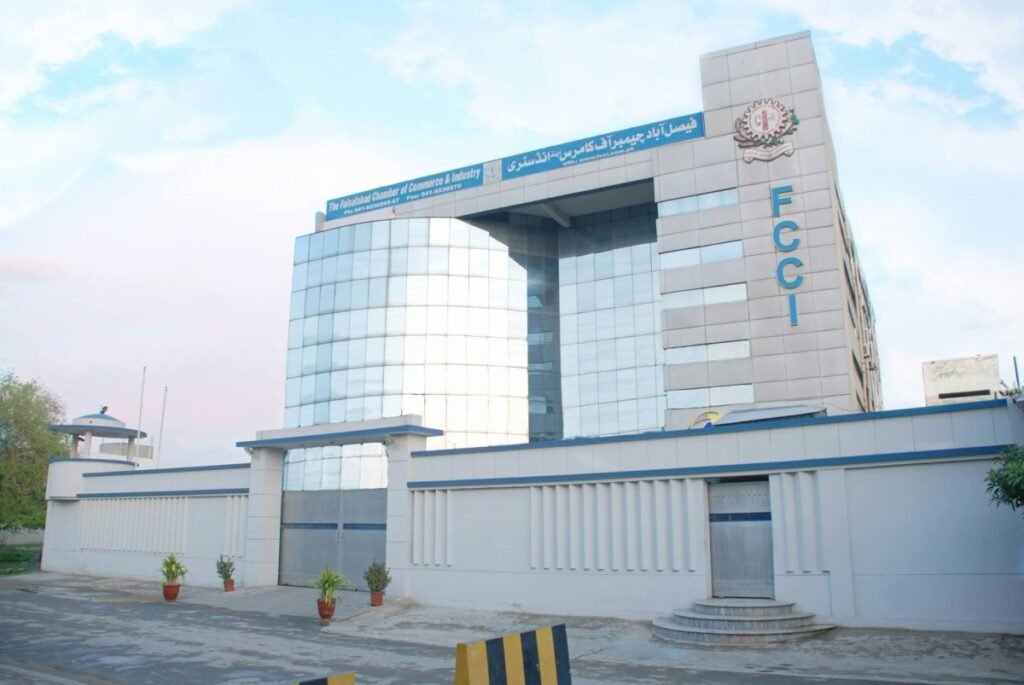
FAISALABAD — The Faisalabad Chamber of Commerce & Industry (FCCI) is poised to see its top office-bearers elected unopposed as the election process reaches its final stage. The FCCI Election Commission has validated the nomination papers for the positions of president, senior vice president, and vice president, ensuring an uncontested election outcome. What Happened The FCCI, a pivotal body representing the business community in Faisalabad, is on the verge of finalizing its leadership for the upcoming term. The Election Commission of the FCCI has completed the scrutiny of nomination papers submitted by candidates vying for the chamber’s top positions. According to the commission, the nomination papers for the roles of president, senior vice president, and vice president have been deemed valid, leading to an unopposed election scenario. This development signifies a consensus among the FCCI’s members, reflecting a unified approach to leadership within the organization. The unopposed election is expected to bring continuity and stability to the chamber’s operations, allowing it to focus on its strategic goals without the distractions of a contested election process. The FCCI plays a crucial role in advocating for the business community in Faisalabad, providing a platform for dialogue between the private sector and government authorities. The chamber’s leadership is instrumental in shaping policies that impact the region’s economic landscape. Background The Faisalabad Chamber of Commerce & Industry has a long-standing tradition of representing the interests of businesses in one of Pakistan’s key industrial hubs. Established to promote trade and industry, the FCCI serves as a bridge between the business community and the government, facilitating discussions on policy and regulatory matters. Historically, the FCCI’s election process has been a significant event, often involving intense competition among candidates. However, in recent years, there has been a trend towards consensus-building, with many positions being filled unopposed. This shift reflects a growing desire for stability and collaborative leadership within the chamber. Why It Matters The unopposed election of FCCI’s top office-bearers holds significant implications for the business community in Faisalabad and beyond. Firstly, it ensures a seamless transition of leadership, allowing the chamber to maintain its focus on addressing the challenges faced by businesses in the region. With the global economic landscape constantly evolving, having a stable leadership team is crucial for navigating uncertainties and capitalizing on emerging opportunities. Economically, Faisalabad is a critical industrial city in Pakistan, contributing significantly to the country’s GDP. The FCCI’s leadership plays a vital role in advocating for policies that support industrial growth and development. The unopposed election allows the chamber to continue its advocacy efforts without the disruptions that a contested election might bring. Socially, the FCCI’s leadership is expected to foster an environment of collaboration and innovation within the business community. By working together, businesses can share best practices, drive innovation, and create job opportunities, contributing to the overall socio-economic development of the region. Politically, the FCCI’s leadership can influence policy decisions at both the local and national levels. By maintaining a unified front, the chamber can effectively lobby for reforms and initiatives that benefit the business community, thereby enhancing Faisalabad’s competitiveness on the national and international stage. Key Takeaways The FCCI’s top office-bearers are set for unopposed election, ensuring continuity in leadership. The unopposed election reflects a consensus among FCCI members, promoting stability. The FCCI plays a crucial role in advocating for the business community in Faisalabad. Stable leadership is essential for navigating economic challenges and opportunities. The FCCI’s leadership can influence policy decisions at local and national levels. Source Attribution This article is based on official statements and public communications from the Faisalabad Chamber of Commerce & Industry. Author: NEN Editorial Desk | Editor: NEN Newsroom | Fact Checked By: NEN Editorial Team Author: NEN Editorial Desk  |  Editor: NEN Newsroom  |  Last Updated: September 25, 2026  |  Source: Press Release from Government of Pakistan This article was produced by the NEN Editorial Desk in accordance with NEN Agency’s Editorial Policy and Fact-Checking Policy.
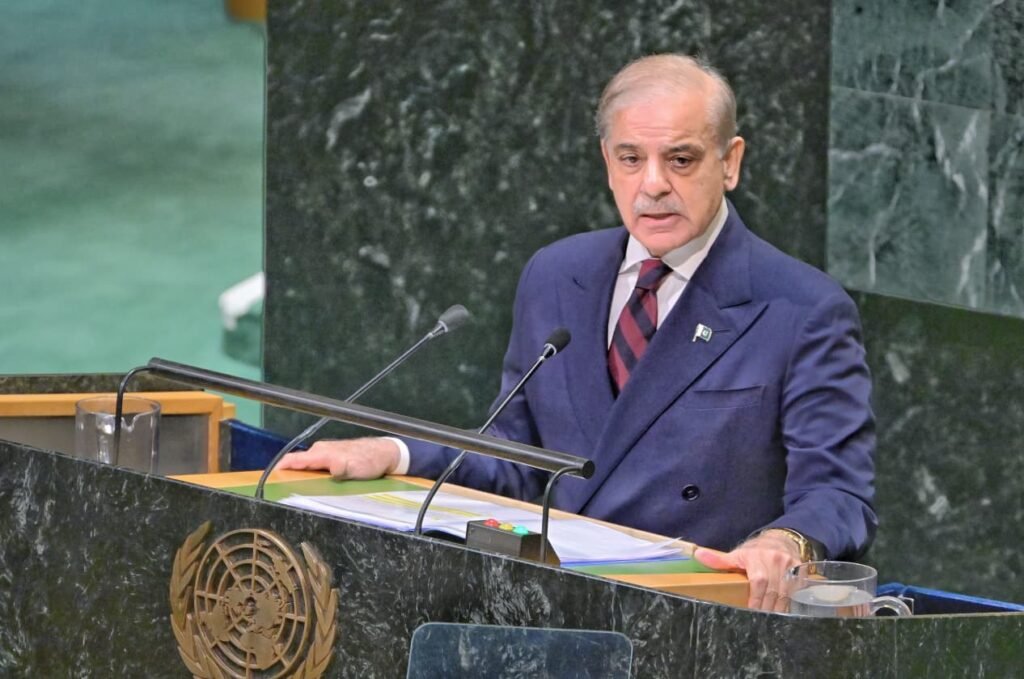
SBP Unveils Pasban Remittance Scheme Offering Rs16 Billion in Prizes
Pakistan

SBP Unveils Pasban Remittance Scheme Offering Rs16 Billion in Prizes

ISLAMABAD — The State Bank of Pakistan (SBP) has introduced the Pasban Remittance Reward Scheme, which allocates Rs16 billion annually in cash prizes to incentivize the use of formal banking channels for remittances sent to Pakistan. The initiative, launched on Friday, aims to bolster the country’s foreign exchange reserves by encouraging overseas Pakistanis to remit funds through official channels. What Happened The State Bank of Pakistan officially launched the Pasban Remittance Reward Scheme on Friday, marking a significant step towards enhancing the inflow of remittances through legal banking systems. The scheme is designed to reward Pakistani expatriates who choose to send money home using formal banking channels, with the SBP setting aside a substantial Rs16 billion for this purpose. The scheme will offer cash prizes to remittance customers, providing them with a tangible incentive to avoid informal channels, such as hundi or hawala, which have historically been popular due to their ease and lower costs. By promoting the use of formal channels, the SBP aims to increase transparency and ensure that remittances contribute effectively to the national economy. The launch event was attended by key officials from the banking sector, who expressed optimism that the scheme would not only increase remittance inflows but also strengthen the financial inclusion of overseas Pakistanis. A senior SBP official stated, “This initiative is part of our broader strategy to enhance the efficiency of remittance inflows and ensure that they are channeled through safe and secure means.” Background Remittances have long been a critical component of Pakistan’s economy, providing a vital source of foreign exchange and supporting millions of families across the country. Historically, a significant portion of these remittances has been transferred through informal channels, which, while convenient, pose challenges in terms of regulation and economic impact. The Pakistani government and the SBP have previously introduced various measures to encourage the use of formal remittance channels, including reducing transaction costs and improving the banking infrastructure. However, informal methods have persisted due to their perceived convenience and efficiency. The Pasban Remittance Reward Scheme builds on these efforts, offering a direct financial incentive to remittance senders, thereby aligning with global best practices in remittance management. Why It Matters The introduction of the Pasban Remittance Reward Scheme is significant for several reasons. Economically, remittances are a major source of foreign exchange for Pakistan, contributing to the stability of the national currency and the balance of payments. By channeling more remittances through formal systems, the SBP aims to enhance the country’s foreign exchange reserves, which are crucial for economic stability and growth. Socially, the scheme has the potential to improve financial inclusion among overseas Pakistanis. By encouraging the use of formal banking channels, the SBP not only ensures that remittances are secure and reliable but also integrates expatriates into the formal financial system, thereby expanding their access to financial services. Politically, the scheme demonstrates the government’s commitment to supporting the Pakistani diaspora, recognizing their contributions to the national economy, and addressing their needs. This move could strengthen ties with overseas communities, which are often seen as key stakeholders in Pakistan’s development. Key Takeaways The SBP launched the Pasban Remittance Reward Scheme, offering Rs16 billion in annual prizes. The scheme aims to encourage the use of formal banking channels for remittances. It seeks to enhance Pakistan’s foreign exchange reserves and promote financial inclusion. Remittances are a crucial component of Pakistan’s economy, supporting millions of families. The initiative aligns with global best practices in managing remittance inflows. Source Attribution This article is based on official government statements and public communications from the State Bank of Pakistan. Author: NEN Editorial Desk | Editor: NEN Newsroom | Fact Checked By: NEN Editorial Team Author: NEN Editorial Desk  |  Editor: NEN Newsroom  |  Last Updated: September 25, 2026  |  Source: NEN Reporter This article was produced by the NEN Editorial Desk in accordance with NEN Agency’s Editorial Policy and Fact-Checking Policy.

Makkah Agreement Aims for Regional Peace, Not Hostility: PM
World

Makkah Agreement Aims for Regional Peace, Not Hostility: PM

UNITED NATIONS — Prime Minister Shehbaz Sharif affirmed that the Makkah Joint Defence Agreement, involving Saudi Arabia, Türkiye, and Pakistan, is a commitment to regional peace and stability, not a threat to any nation. His remarks came during his address to the United Nations General Assembly on Friday. What Happened Prime Minister Shehbaz Sharif addressed the United Nations General Assembly, emphasizing that the Makkah Joint Defence Agreement is a strategic alliance focused on defense, stability, and peace rather than aggression towards any country. The agreement, which unites Saudi Arabia, Türkiye, and Pakistan, is seen as a historic step towards fostering collective security in a volatile region. During his speech, the Prime Minister condemned recent attacks by the Houthi rebels against Saudi Arabia, particularly an attempted drone assault on the sacred city of Makkah. “The attempted drone attack on the holy city of Makkah Al-Mukarramah has outraged Muslims across the globe,” he stated, underscoring the emotional and religious significance of the site. Prime Minister Sharif stressed that any threat to the Haramain Sharifain, the two holy mosques in Makkah and Medina, is a ‘red line’ that should not be crossed. He reaffirmed Pakistan’s unwavering support for Saudi Arabia, noting, “Pakistan stands in complete solidarity with the brotherly people of Saudi Arabia, as we always have throughout our history.” Background The Makkah Joint Defence Agreement was recently signed among Saudi Arabia, Türkiye, and Pakistan, marking a significant development in regional defense cooperation. This agreement comes amidst ongoing tensions in the Middle East, particularly with the persistent threat posed by Houthi rebels in Yemen, who have frequently targeted Saudi Arabia with missile and drone attacks. Historically, Pakistan and Saudi Arabia have shared a close relationship, with Pakistan often expressing solidarity with Saudi Arabia on various international platforms. The two countries have cooperated extensively in defense and economic sectors, and the inclusion of Türkiye in this agreement signals a broader coalition aimed at enhancing regional security. Why It Matters The Makkah Joint Defence Agreement is pivotal for several reasons. Economically, the stability of the Middle East is crucial for global energy markets, as the region is a major oil supplier. Any disruption could have significant repercussions on global oil prices and economic stability. Politically, the alliance strengthens the diplomatic ties between Pakistan, Saudi Arabia, and Türkiye, potentially serving as a counterbalance to other regional powers. This cooperation could lead to a more coordinated approach to addressing conflicts and fostering peace in the Middle East. Socially, the agreement and the Prime Minister’s strong condemnation of attacks on Makkah resonate deeply with the Muslim world. The sanctity of the holy cities is a unifying concern for Muslims globally, and any threat to these sites can provoke widespread outrage and unrest. Internationally, the agreement signals a shift towards multilateral defense strategies in the region, which could influence other nations’ foreign policies and defense postures. The emphasis on peace and stability could encourage diplomatic solutions to longstanding conflicts. Key Takeaways The Makkah Joint Defence Agreement involves Saudi Arabia, Türkiye, and Pakistan, focusing on regional peace and stability. Prime Minister Shehbaz Sharif condemned Houthi attacks on Saudi Arabia, particularly the attempted drone strike on Makkah. The agreement is not directed against any specific country but aims to enhance collective security in the Middle East. Pakistan reaffirms its solidarity with Saudi Arabia, emphasizing the sanctity of the Haramain Sharifain. The alliance could have significant economic, political, and social implications for the region and beyond. Source Attribution This article is based on official government statements, press releases, and public communications from relevant authorities. Author: NEN Editorial Desk | Editor: NEN Newsroom | Fact Checked By: NEN Editorial Team Author: NEN Editorial Desk  |  Editor: NEN Newsroom  |  Last Updated: September 25, 2026  |  Source: Press Release from Government of Pakistan This article was produced by the NEN Editorial Desk in accordance with NEN Agency’s Editorial Policy and Fact-Checking Policy.

Scroll to Top