
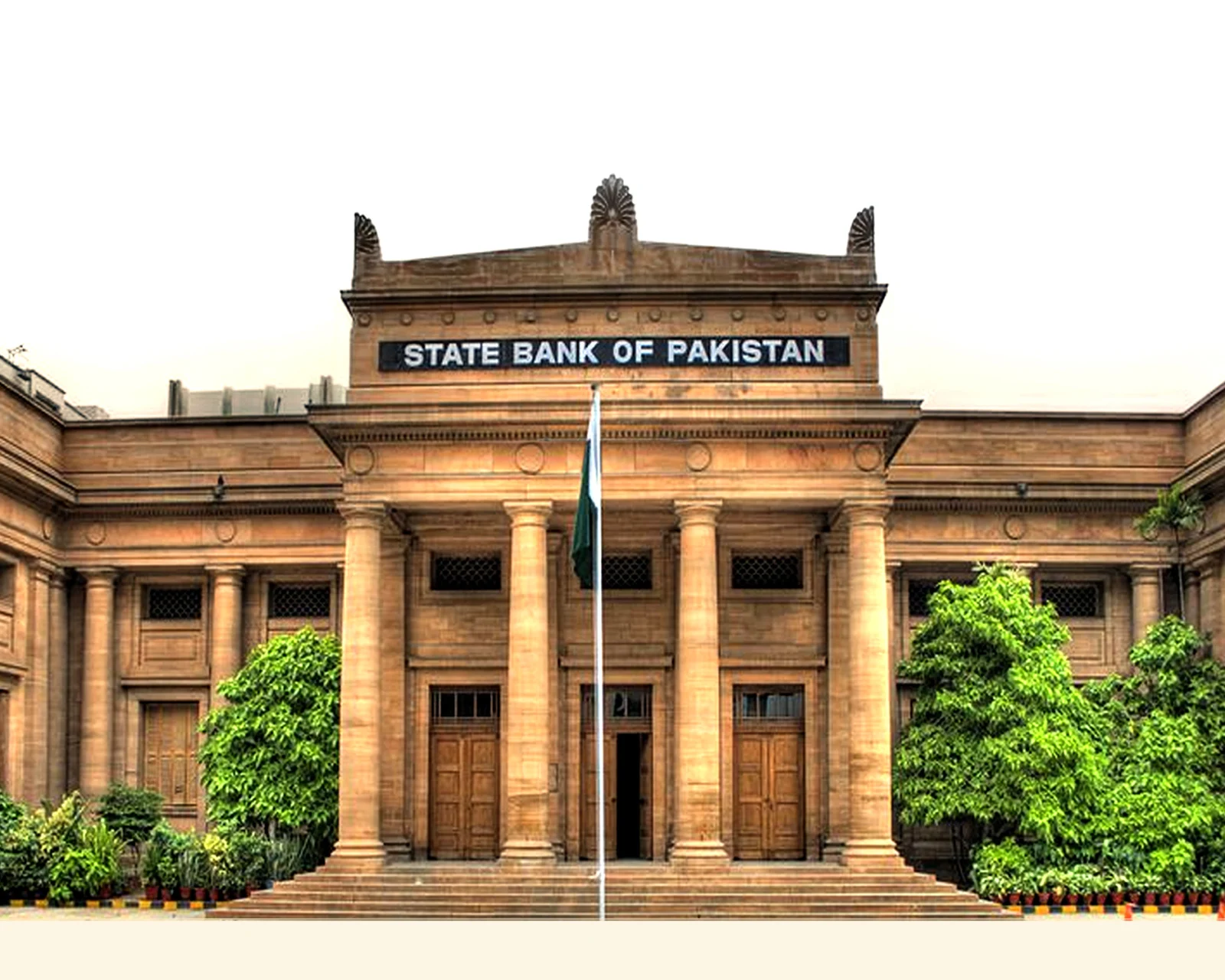
ISLAMABAD — The State Bank of Pakistan (SBP) has injected Rs 10.83 trillion into the financial market through Reverse Repo Purchase and Shariah Compliant Mudarabah-based Open Market Operations (OMO) as of Friday. This substantial liquidity measure aims to stabilize the market and ensure adequate cash flow within the banking system.
What Happened
The SBP’s decision to inject Rs 10,827 billion into the market was executed via two key financial instruments: Reverse Repo Purchase and Shariah Compliant Mudarabah-based Open Market Operations. These tools are designed to manage the liquidity levels in the banking sector, ensuring that financial institutions have sufficient cash reserves to meet their obligations and continue lending activities.
Reverse Repo Purchase is a process where the central bank buys securities from commercial banks with an agreement to sell them back at a later date. This temporarily increases the money supply in the banking system, providing banks with the liquidity they need to operate smoothly. The Shariah Compliant Mudarabah-based OMO, on the other hand, aligns with Islamic finance principles, offering a non-interest-based mechanism to achieve similar liquidity outcomes.
The injection of funds is part of the SBP’s ongoing efforts to maintain market stability, particularly in light of recent economic challenges. By providing this level of liquidity, the SBP aims to support the banking sector’s ability to lend to businesses and individuals, thereby fostering economic activity and growth.
Background
The State Bank of Pakistan regularly engages in open market operations to manage liquidity in the financial system. These operations are crucial for maintaining the balance between the supply and demand for money, which in turn influences interest rates and overall economic activity.
Historically, the SBP has used various monetary policy tools to address liquidity issues, especially during times of economic uncertainty or financial stress. The use of Shariah Compliant Mudarabah-based operations reflects the growing importance of Islamic finance in Pakistan’s banking sector, catering to the needs of institutions and customers who prefer Shariah-compliant financial products.
In recent years, Pakistan’s economy has faced several challenges, including inflationary pressures, currency depreciation, and fiscal deficits. These factors have necessitated proactive measures by the central bank to ensure financial stability and support economic growth.
Why It Matters
The SBP’s injection of Rs 10.83 trillion is significant for several reasons. Economically, it provides much-needed liquidity to the banking sector, enabling banks to continue lending to businesses and consumers. This is crucial for sustaining economic activity, especially in an environment where businesses may face cash flow challenges due to external economic pressures.
Socially, the availability of credit can have a positive impact on employment and consumer spending. When businesses have access to financing, they can invest in expansion, hire more employees, and increase production, which can lead to job creation and improved economic conditions for citizens.
Politically, the SBP’s actions demonstrate the government’s commitment to maintaining financial stability and supporting the economy. This can enhance confidence among investors and international partners, potentially leading to increased foreign investment and economic collaboration.
Internationally, the move underscores Pakistan’s efforts to align its financial practices with global standards, particularly in the realm of Islamic finance. By utilizing Shariah-compliant mechanisms, Pakistan positions itself as a leader in Islamic banking, which could attract investment from countries and institutions interested in this sector.
Key Takeaways
- The State Bank of Pakistan injected Rs 10.83 trillion to maintain liquidity in the market.
- The operation utilized Reverse Repo Purchase and Shariah Compliant Mudarabah-based Open Market Operations.
- This measure aims to stabilize the banking sector and support economic growth.
- The move reflects the SBP’s commitment to financial stability amid economic challenges.
- Pakistan’s use of Islamic finance tools positions it as a leader in the sector internationally.
Source Attribution
This article is based on official government statements, press releases, and public communications from relevant authorities.














