

Author name: Yasir Zubairi

Yasir Zubairi is the founder and publisher of NEN Agency (News Era Network). He leads NEN's coverage of Pakistan's national affairs, economy, foreign relations and sports, and is responsible for the accuracy and standards of every story published on nenagency.com.

Pakistan Secures Commanding 3-0 Victory Over China in Asian Games Hockey
World

Pakistan Secures Commanding 3-0 Victory Over China in Asian Games Hockey

ISLAMABAD — The Pakistan hockey team delivered an impressive performance, achieving a 3-0 victory against China in their Pool B match at the 20th Asian Games Aichi-Nagoya 2026. The match, held on September 24, showcased Pakistan’s dominance on the field as they outplayed their opponents with tactical precision and skillful execution. What Happened The game commenced with both teams showing determination and strategic play. Pakistan took the lead in the 19th minute when Abu Bakar Mahmood successfully converted a penalty corner, setting the tone for the rest of the match. Just five minutes later, Sufyan Khan doubled the lead for Pakistan by netting another goal from a penalty corner, demonstrating the team’s effective short corner tactics. By the 28th minute, Pakistan further solidified their advantage with a spectacular field goal by Hanan Shahid, bringing the score to 3-0. This goal not only highlighted Shahid’s individual brilliance but also underscored the team’s cohesive play and strategic planning. The Pakistani defense held firm throughout the match, preventing China from making any significant inroads, thus securing a clean sheet. President of the Pakistan Hockey Federation, Mohyuddin Ahmad Wani, praised the team’s remarkable performance. In a statement, he expressed optimism about the team’s future matches, hoping they maintain their winning momentum throughout the tournament. Background The Asian Games, held every four years, is a prestigious multi-sport event where athletes from across Asia compete. Hockey has been a significant part of the Games since its inclusion, and Pakistan has a rich history in the sport, having won multiple gold medals in past editions. The 2026 Asian Games in Aichi-Nagoya present an opportunity for Pakistan to reclaim its dominance in Asian hockey. Historically, Pakistan has been a powerhouse in field hockey, with a legacy of producing world-class players and achieving significant successes on the international stage. However, in recent years, the team has faced challenges, including a decline in performance and a lack of consistent victories in major tournaments. This victory against China is a positive sign of resurgence under the current leadership of the Pakistan Hockey Federation. Why It Matters This victory is crucial for Pakistan for several reasons. Firstly, it boosts the morale of the players and the coaching staff, providing them with the confidence needed to face tougher opponents in the tournament. Winning against a competitive team like China indicates that Pakistan’s strategic changes and training regimes are yielding results. Economically, success in sports can have a ripple effect, potentially attracting sponsorships and investments in the sport. For a country like Pakistan, where hockey was once the national sport, such victories can reignite public interest and support, leading to increased participation at the grassroots level. This can help develop a new generation of players who can sustain and enhance Pakistan’s legacy in hockey. Internationally, a strong performance in the Asian Games can improve Pakistan’s rankings in field hockey, offering better seeding in future tournaments. It also enhances the country’s image on the global sports stage, showcasing its potential to compete at high levels despite past challenges. Key Takeaways Pakistan defeated China 3-0 in their Pool B hockey match at the Asian Games 2026. Goals were scored by Abu Bakar Mahmood, Sufyan Khan, and Hanan Shahid. The victory boosts team morale and enhances Pakistan’s standing in international hockey. This success could lead to increased investment and interest in field hockey in Pakistan. Pakistan aims to maintain its winning momentum in upcoming matches of the tournament. Source Attribution This article is based on official government statements, press releases, and public communications from relevant authorities. Author: NEN Editorial Desk | Editor: NEN Newsroom | Fact Checked By: NEN Editorial Team Author: NEN Editorial Desk  |  Editor: NEN Newsroom  |  Last Updated: September 25, 2026  |  Source: Press Release from Government of Pakistan This article was produced by the NEN Editorial Desk in accordance with NEN Agency’s Editorial Policy and Fact-Checking Policy.


Pakistan Squash Players Reach Asian Games Semifinals
Pakistan

Pakistan Squash Players Reach Asian Games Semifinals

ISLAMABAD — Pakistan’s squash players Muhammad Ashab Irfan and Noor Zaman have advanced to the men’s singles semifinals at the 20th Asian Games Aichi-Nagoya 2026, securing a medal for the country. Their victories on Friday at the Nagoya Kinjo Futo Arena mark a significant achievement in Pakistan’s squash campaign at the Games. What Happened On Friday, Muhammad Ashab Irfan and Noor Zaman delivered outstanding performances in their respective matches at the Nagoya Kinjo Futo Arena, ensuring Pakistan’s presence in the semifinals of the men’s singles squash event. Their victories not only highlight their individual talent but also reflect the strength of Pakistan’s squash tradition on the Asian stage. Muhammad Ashab Irfan showcased his skill and determination, overcoming his opponent in a match that tested his endurance and tactical prowess. Meanwhile, Noor Zaman demonstrated his agility and strategic gameplay, securing his place in the semifinals with a decisive win. The success of both players guarantees Pakistan at least a bronze medal, as reaching the semifinals ensures a podium finish. The semifinal matches are set to take place over the weekend, where both players will face formidable opponents. The anticipation is high as they aim to advance further and possibly secure gold for Pakistan. Background Squash has been a sport where Pakistan has historically excelled, with a legacy of producing world-class players. The country’s dominance in squash, particularly during the 1980s and 1990s, was marked by legendary figures such as Jahangir Khan and Jansher Khan. These athletes set a high standard, winning numerous international titles and establishing Pakistan as a powerhouse in the sport. The Asian Games have been a platform where Pakistani squash players have consistently performed well. The Games provide an opportunity for athletes from across Asia to compete at a high level, and for Pakistan, it is a chance to showcase its continued prowess in squash. Why It Matters The advancement of Muhammad Ashab Irfan and Noor Zaman to the semifinals is significant for several reasons. Firstly, it underscores the resurgence of Pakistan in international squash, a sport where the country has a rich history. This success at the Asian Games could inspire a new generation of players and revive interest in squash at a national level. Economically, success in sports can lead to increased sponsorship and funding opportunities, which are crucial for the development of athletes and sports infrastructure. A medal at the Asian Games can attract attention from sponsors, potentially leading to better training facilities and support for upcoming players. Socially, achievements in sports serve as a source of national pride and unity. In a country where sports like cricket dominate, success in squash can diversify the athletic achievements celebrated by the public. It also highlights the potential of sports as a tool for international diplomacy, fostering goodwill and friendly competition among nations. On an international level, strong performances by Pakistani athletes can enhance the country’s reputation in the sporting world, potentially leading to more international events being hosted in Pakistan. This can have a positive impact on tourism and international relations. Key Takeaways Muhammad Ashab Irfan and Noor Zaman have advanced to the semifinals of the men’s singles squash event at the Asian Games. Their victories ensure Pakistan will secure at least a bronze medal in the competition. Pakistan has a storied history in squash, with past successes inspiring current and future athletes. Success in squash at the Asian Games can lead to increased sponsorship and funding for the sport in Pakistan. Achievements in sports contribute to national pride and can enhance Pakistan’s international reputation. Source Attribution This article is based on official government statements, press releases, and public communications from relevant authorities. Author: NEN Editorial Desk | Editor: NEN Newsroom | Fact Checked By: NEN Editorial Team Author: NEN Editorial Desk  |  Editor: NEN Newsroom  |  Last Updated: September 25, 2026  |  Source: NEN Reporter This article was produced by the NEN Editorial Desk in accordance with NEN Agency’s Editorial Policy and Fact-Checking Policy.
FIFA President Supports Pakistan’s Football Development Vision
Pakistan

FIFA President Supports Pakistan’s Football Development Vision

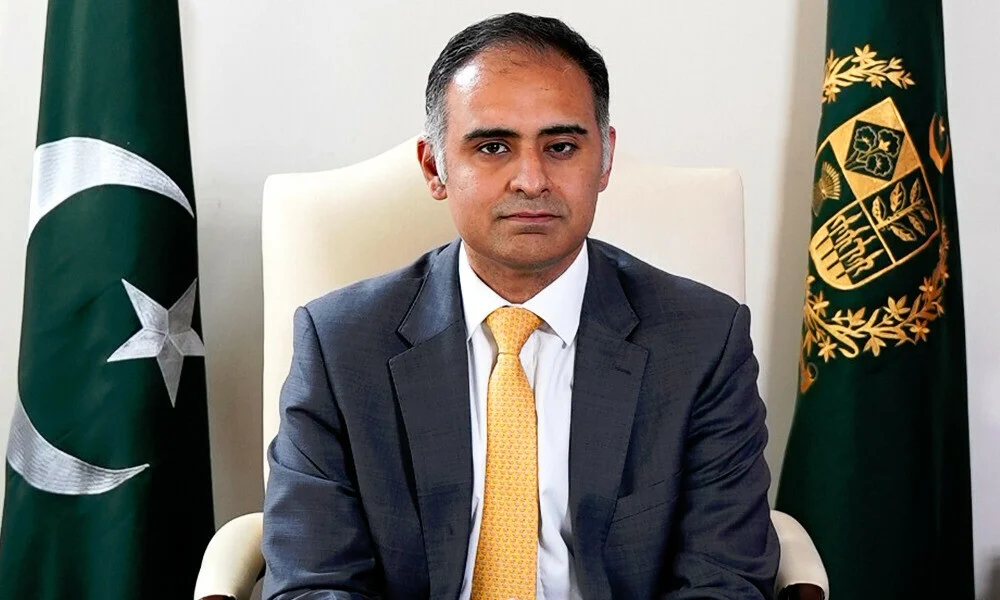
ISLAMABAD — FIFA President Gianni Infantino has expressed support for Syed Mohsen Gilani, the President of the Pakistan Football Federation (PFF), in his efforts to transform and develop football across Pakistan. Infantino’s endorsement focuses on enhancing youth and grassroots football development, aiming to elevate the sport’s profile and participation levels within the country. What Happened During a recent meeting, FIFA President Gianni Infantino reiterated his commitment to aiding the Pakistan Football Federation under the leadership of Syed Mohsen Gilani. Infantino acknowledged the strategic vision laid out by Gilani, which prioritizes the nurturing of young talent and the establishment of a robust grassroots framework to support the sport’s growth in Pakistan. Infantino stated, “FIFA is fully committed to supporting the PFF’s vision. We believe that investing in youth and grassroots development is crucial for the long-term success of football in Pakistan.” This endorsement comes as a significant boost for the PFF, which has been working to overcome various challenges in recent years, including administrative hurdles and limited resources. The PFF’s plan includes the establishment of youth academies, improvement of existing football infrastructure, and the organization of national and regional tournaments to provide young players with competitive opportunities. Gilani emphasized the importance of creating pathways for young athletes to progress from grassroots levels to professional leagues, ultimately representing Pakistan on international platforms. Background Football in Pakistan has faced numerous challenges over the years, including governance issues, lack of funding, and limited infrastructure. The Pakistan Football Federation has been working to address these challenges, with a focus on restructuring its operations and enhancing its capabilities to support the sport’s development. Historically, Pakistan has struggled to make a significant impact on the international football stage. However, the country has a rich history of football culture, particularly in regions like Karachi and Balochistan, where the sport enjoys widespread popularity. The PFF’s current leadership under Syed Mohsen Gilani is determined to harness this enthusiasm and translate it into tangible progress through strategic planning and international collaboration. Why It Matters The support from FIFA represents a crucial opportunity for Pakistan to revitalize its football landscape. By focusing on youth and grassroots development, the PFF aims to create a sustainable ecosystem that can produce talented players capable of competing at higher levels. This initiative is expected to have a positive impact on the country’s sports culture, encouraging more young people to participate in football and potentially leading to greater international success. Economically, the development of football infrastructure and the organization of tournaments can stimulate local economies by creating jobs and attracting investment. Socially, football can serve as a unifying force, bringing together diverse communities and fostering a sense of national pride. Politically, successful football development can enhance Pakistan’s international standing, showcasing the country’s commitment to sports and youth development. Furthermore, the collaboration with FIFA opens doors for technical expertise and funding, which are essential for implementing the PFF’s ambitious plans. This partnership can also facilitate knowledge exchange and capacity building, enabling Pakistan to adopt best practices from successful football nations. Key Takeaways FIFA President Gianni Infantino supports PFF President Syed Mohsen Gilani’s vision for football development in Pakistan. The focus is on youth and grassroots development to enhance the sport’s growth and participation. Challenges such as governance issues and limited infrastructure have historically hindered football in Pakistan. FIFA’s support can provide technical expertise and funding, crucial for implementing PFF’s plans. Successful football development can boost Pakistan’s sports culture, economy, and international standing. Source Attribution This article is based on official statements and public communications from FIFA and the Pakistan Football Federation. Author: NEN Editorial Desk | Editor: NEN Newsroom | Fact Checked By: NEN Editorial Team Author: NEN Editorial Desk  |  Editor: NEN Newsroom  |  Last Updated: September 25, 2026  |  Source: Press Release from Government of Pakistan This article was produced by the NEN Editorial Desk in accordance with NEN Agency’s Editorial Policy and Fact-Checking Policy.

Nearly 10,000 Shopkeepers Join Pakistan’s Asan Tax Scheme in First Month
World

Nearly 10,000 Shopkeepers Join Pakistan’s Asan Tax Scheme in First Month

ISLAMABAD — Nearly 10,000 shopkeepers have registered under Pakistan’s Asan Tax Scheme within its first month of implementation, as revealed in a review meeting held on Friday. The scheme, which aims to broaden the tax net by simplifying the process for small business owners, has recorded exactly 9,806 registrations so far. What Happened The meeting, chaired by Minister of State for Finance and Railways Bilal Azhar Kayani, focused on the scheme’s progress and addressed various concerns raised by shopkeepers. Officials reported that out of the total registrants, 1,929 shopkeepers are entering the tax system for the first time, while 428 had previously filed their tax returns. The scheme has attracted participants from both small towns and major urban centers, indicating a broad-based interest in the initiative. Minister Kayani emphasized the scheme’s uniqueness, noting that it is specifically tailored for shopkeepers, unlike any other business segment. He instructed the Federal Board of Revenue (FBR) to swiftly resolve technical issues highlighted by shopkeepers and legal representatives, and to expedite the provision of FBR plates to those who have filed their returns. “The Asan Tax Scheme is a unique facility designed specifically for shopkeepers and not available to any other business segment,” he stated, encouraging further participation. The meeting also resolved to maintain daily communication between traders and FBR officials to ensure smooth implementation and enhance collaboration with tax bars and legal advisors. An Urdu-language information booklet has been distributed to guide shopkeepers on the new scheme, detailing the return-filing process and penalties for non-compliance. Penalties for failing to pay taxes under the Asan Tax Scheme or through the regular procedure after the deadline were outlined: Rs10,000 in the first month, Rs25,000 in the second, and Rs50,000 in the third month. Trader representatives, including Ajmal Baloch and Kashif Chaudhry, expressed their support for the scheme, acknowledging it as a positive step, though they noted that awareness among shopkeepers would require time to develop. Background The Asan Tax Scheme was launched as part of Pakistan’s broader efforts to increase tax compliance and revenue collection. Historically, Pakistan has faced challenges in expanding its tax base, with a significant portion of the economy operating informally. The government has introduced various measures over the years to encourage formalization and compliance, with mixed results. The scheme is part of a larger strategic transformation within the FBR, aimed at simplifying tax procedures and reducing the burden on small businesses. By targeting shopkeepers, who often operate outside the formal tax system, the government hopes to capture a larger share of economic activity and improve fiscal stability. Why It Matters The successful implementation of the Asan Tax Scheme holds significant implications for Pakistan’s economic landscape. By bringing nearly 10,000 shopkeepers into the tax net, the government is taking a crucial step towards formalizing the economy, which is essential for sustainable economic growth. This initiative is expected to increase tax revenues, thereby providing the government with additional resources to invest in public services and infrastructure. Economically, the scheme could lead to a more equitable distribution of the tax burden, as more businesses contribute to the national exchequer. Socially, it may encourage a culture of compliance and transparency, reducing the prevalence of tax evasion and fostering trust in governmental institutions. Politically, the scheme’s success could bolster the government’s credibility and demonstrate its commitment to reforming the tax system. Internationally, a broader tax base could improve Pakistan’s standing with financial institutions and investors, potentially leading to more favorable terms for loans and investments. Key Takeaways Nearly 10,000 shopkeepers have registered for the Asan Tax Scheme within the first month. The scheme aims to simplify tax compliance for shopkeepers, encouraging formalization. Penalties for non-compliance are structured to incentivize timely tax payments. Daily communication between traders and FBR officials is planned to facilitate implementation. The scheme could enhance Pakistan’s fiscal stability and international economic standing. Source Attribution This article is based on official government statements, press releases, and public communications from relevant authorities. Author: NEN Editorial Desk | Editor: NEN Newsroom | Fact Checked By: NEN Editorial Team Author: NEN Editorial Desk  |  Editor: NEN Newsroom  |  Last Updated: September 25, 2026  |  Source: Press Release from Federal Board of Revenue (FBR) This article was produced by the NEN Editorial Desk in accordance with NEN Agency’s Editorial Policy and Fact-Checking Policy.
IUB Partners with Enablers to Boost Data Science and AI Education
Pakistan

IUB Partners with Enablers to Boost Data Science and AI Education

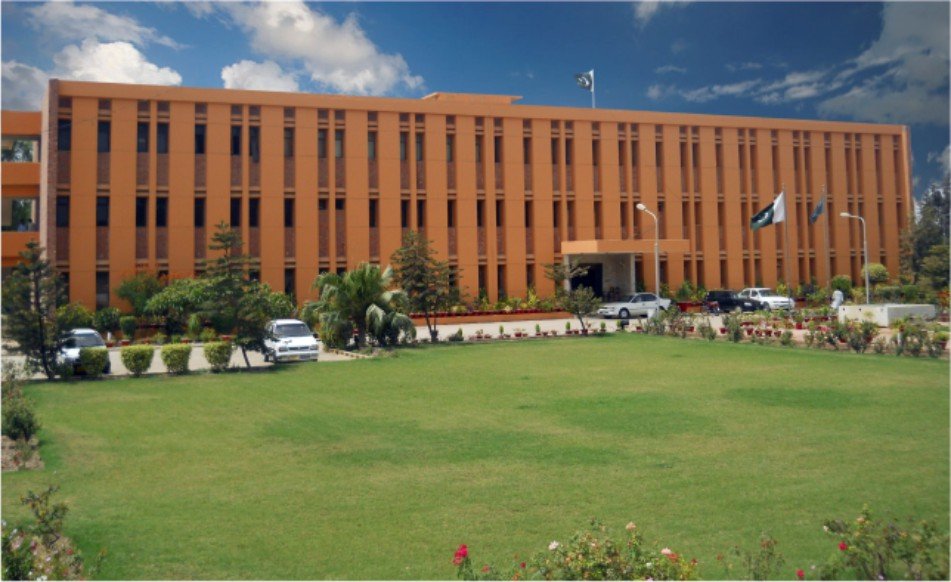
BAHAWALPUR — The Islamia University of Bahawalpur (IUB) has entered into a strategic partnership with Enablers to advance education in data science, artificial intelligence (AI), and entrepreneurship. This collaboration, formalized by the Department of Data Science, Faculty of Computing at IUB, aims to enhance digital skills and foster industry-relevant learning among students. What Happened The partnership between IUB and Enablers was announced as a step towards integrating practical industry skills with academic learning. Enablers, known for its work in entrepreneurship, e-commerce, and digital skills development, will collaborate with IUB to provide students with training, mentorship, and industry-oriented learning opportunities. The initiative is designed to equip students with the necessary skills to excel in the rapidly evolving fields of data science and AI. According to university officials, the collaboration will involve a series of workshops, seminars, and training sessions led by experts from Enablers. These sessions are intended to bridge the gap between theoretical knowledge and practical application, thereby enhancing the employability of graduates. The initiative is also expected to foster an entrepreneurial mindset among students, encouraging them to explore innovative solutions and business models. Dr. Muhammad Ali, Head of the Department of Data Science at IUB, emphasized the importance of this collaboration in preparing students for future challenges. “Our partnership with Enablers is a significant step towards providing our students with the tools and knowledge they need to succeed in the digital economy. By leveraging Enablers’ expertise, we aim to create a robust learning environment that nurtures innovation and entrepreneurship,” he stated. Background The Islamia University of Bahawalpur, established in 1975, has been at the forefront of higher education in Pakistan, offering a wide range of programs across various disciplines. The university has consistently focused on integrating modern technology and innovative teaching methods into its curriculum to meet the demands of the contemporary job market. Enablers, on the other hand, is a prominent organization in Pakistan that specializes in entrepreneurship and e-commerce training. It has been instrumental in helping individuals and businesses harness the power of digital platforms to achieve economic growth. The organization has a track record of successful collaborations with educational institutions to promote skill development and entrepreneurship. Why It Matters The collaboration between IUB and Enablers is significant for several reasons. Firstly, it addresses the skills gap in Pakistan’s education system by providing students with practical, industry-relevant training. In a world increasingly driven by data and technology, proficiency in data science and AI is becoming essential for career success. By equipping students with these skills, the partnership enhances their employability and prepares them for the demands of the global job market. Secondly, the initiative supports the growth of entrepreneurship in Pakistan. By fostering an entrepreneurial mindset, it encourages students to think creatively and develop innovative solutions to real-world problems. This is particularly important in a country where entrepreneurship is seen as a key driver of economic development and job creation. Moreover, the collaboration aligns with national efforts to promote digital literacy and innovation. As Pakistan seeks to position itself as a hub for technology and innovation, initiatives like this play a crucial role in building a skilled workforce that can contribute to the country’s economic growth. Key Takeaways The Islamia University of Bahawalpur has partnered with Enablers to enhance education in data science, AI, and entrepreneurship. The collaboration will involve workshops, seminars, and training sessions to provide practical industry skills to students. This initiative aims to bridge the gap between academic learning and practical application, enhancing graduate employability. The partnership supports national efforts to promote digital literacy and foster economic growth through entrepreneurship. By nurturing an entrepreneurial mindset, the initiative encourages students to develop innovative solutions to real-world challenges. Source Attribution This article is based on official government statements, press releases, and public communications from relevant authorities. Author: NEN Editorial Desk | Editor: NEN Newsroom | Fact Checked By: NEN Editorial Team Author: NEN Editorial Desk  |  Editor: NEN Newsroom  |  Last Updated: September 25, 2026  |  Source: NEN Reporter This article was produced by the NEN Editorial Desk in accordance with NEN Agency’s Editorial Policy and Fact-Checking Policy.
SAU and FAO Collaborate to Observe World Food Day and Enhance Agriculture
World

SAU and FAO Collaborate to Observe World Food Day and Enhance Agriculture

TANDOJAM — Sindh Agriculture University (SAU) and the Food and Agriculture Organization (FAO) of the United Nations will jointly observe World Food Day, focusing on promoting food security and sustainable agriculture. This collaboration aims to enhance efforts in efficient agricultural water management, climate-resilient agriculture, research, training, and modern weather monitoring. What Happened The Sindh Agriculture University (SAU), located in Tandojam, has announced a partnership with the Food and Agriculture Organization (FAO) to observe World Food Day together. The event, which is celebrated globally on October 16, will serve as a platform to highlight the importance of food security and sustainable agricultural practices. The collaboration between SAU and FAO is set to strengthen their ongoing initiatives in various agricultural domains. Both institutions have expressed their commitment to advancing agricultural water management and climate-resilient farming techniques. This includes a focus on research and training that can equip farmers and agricultural professionals with the necessary skills and knowledge to adapt to changing environmental conditions. Additionally, the partnership will emphasize the use of modern weather monitoring technologies to better predict and respond to climate-related challenges. SAU Vice Chancellor Dr. Fateh Marri stated, “This collaboration with FAO is a significant step towards achieving sustainable agriculture in Pakistan. By working together, we can enhance our research capabilities and provide better training for our students and local farmers.” The FAO representative echoed this sentiment, emphasizing the importance of joint efforts in tackling global food security challenges. Background World Food Day is observed annually on October 16 to commemorate the founding of the Food and Agriculture Organization of the United Nations in 1945. The day is dedicated to raising awareness about food security issues and promoting actions to achieve a world free from hunger. In Pakistan, agriculture plays a crucial role in the economy, providing employment to a significant portion of the population and contributing to national GDP. The collaboration between SAU and FAO builds on previous efforts to improve agricultural practices in Pakistan. The country faces numerous challenges, including water scarcity, climate change, and outdated farming techniques, which hinder its agricultural productivity. By focusing on efficient water management and climate-resilient agriculture, the partnership aims to address these issues and promote sustainable development in the sector. Why It Matters The collaboration between SAU and FAO is significant for several reasons. Firstly, it highlights the importance of international cooperation in addressing global food security challenges. By working together, institutions can share knowledge and resources to develop innovative solutions that can be applied locally and globally. Economically, the partnership aims to improve agricultural productivity in Pakistan by introducing modern techniques and technologies. This can lead to increased crop yields, reduced waste, and more efficient use of resources, ultimately benefiting farmers and the broader economy. As agriculture is a key sector in Pakistan, improvements in this area can have a substantial impact on national economic growth. Socially, the collaboration emphasizes the need for education and training in sustainable agricultural practices. By equipping local farmers with the skills and knowledge they need to adapt to changing environmental conditions, the partnership can help ensure food security and improve livelihoods in rural communities. Furthermore, the focus on climate-resilient agriculture is crucial in the context of global climate change. As weather patterns become increasingly unpredictable, the ability to adapt and respond to these changes is essential for ensuring food security and sustainable development. By investing in modern weather monitoring and adaptive farming techniques, the partnership can help build resilience in the agricultural sector. Key Takeaways Sindh Agriculture University and FAO will jointly observe World Food Day to promote food security and sustainable agriculture. The collaboration focuses on efficient agricultural water management, climate-resilient farming, and modern weather monitoring. World Food Day is observed globally on October 16 to raise awareness about food security issues. The partnership aims to improve agricultural productivity and economic growth in Pakistan. Education and training in sustainable practices are key components of the collaboration. Source Attribution This article is based on official statements from Sindh Agriculture University and the Food and Agriculture Organization. Author: NEN Editorial Desk | Editor: NEN Newsroom | Fact Checked By: NEN Editorial Team Author: NEN Editorial Desk  |  Editor: NEN Newsroom  |  Last Updated: September 25, 2026  |  Source: NEN Reporter This article was produced by the NEN Editorial Desk in accordance with NEN Agency’s Editorial Policy and Fact-Checking Policy.

Governor Khyber Pakhtunkhwa Rejects Proposed Law Affecting Police Autonomy
Pakistan

Governor Khyber Pakhtunkhwa Rejects Proposed Law Affecting Police Autonomy

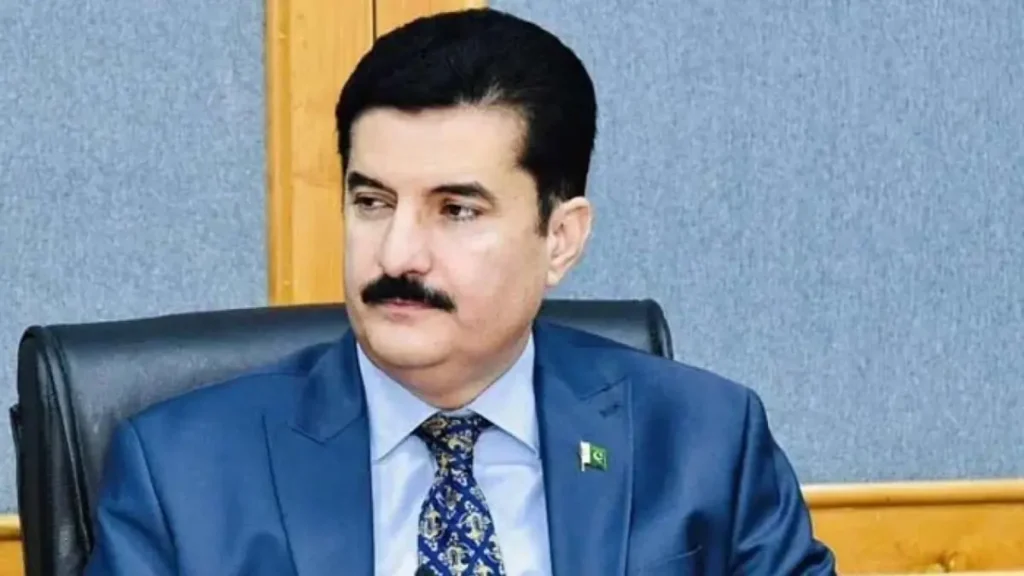
PESHAWAR — Governor Khyber Pakhtunkhwa Faisal Karim Kundi has expressed strong opposition to a proposed law that he believes could undermine the professional independence of the provincial police force. On Friday, Governor Kundi stated his commitment to reviewing the legislation in accordance with the Constitution and vowed to reject any measures that compromise the autonomy of law enforcement agencies. What Happened Governor Faisal Karim Kundi made a public statement on Friday, indicating his firm stance against a draft law intended to alter the operational framework of the Khyber Pakhtunkhwa police. He emphasized the importance of maintaining the professional independence of the police force, which he views as essential for effective law enforcement and public safety. “I will not support any legislation that curtails the autonomy of our police force,” Governor Kundi asserted. He further mentioned that any proposed changes would be thoroughly examined to ensure they align with constitutional provisions. The proposed legislation, which has yet to be fully disclosed, reportedly aims to modify the existing legal framework governing police operations in the province. While specific details of the draft law remain undisclosed, concerns have been raised about potential political interference and reduced operational independence for the police. Background The debate over police autonomy in Khyber Pakhtunkhwa is not new. The Police Order 2002, which was introduced to depoliticize the police and enhance its operational independence, has been a cornerstone of police reforms in Pakistan. Over the years, various amendments have been proposed and implemented, often sparking controversy and debate among political leaders, law enforcement officials, and civil society. In recent years, there have been multiple instances where proposed changes to police governance have been met with resistance from those advocating for a more independent police force. The current proposal appears to be another chapter in this ongoing debate, reflecting broader tensions between political oversight and operational independence within Pakistan’s law enforcement agencies. Why It Matters The issue of police autonomy in Khyber Pakhtunkhwa holds significant implications for governance and public safety in the region. An independent police force is widely regarded as crucial for upholding the rule of law, ensuring impartial enforcement of laws, and protecting citizens’ rights. Any perceived erosion of this independence could lead to increased political influence over police operations, potentially undermining public trust and the effectiveness of law enforcement. Furthermore, the debate touches on broader themes of governance and accountability in Pakistan. Ensuring that police forces operate free from undue political influence is essential for maintaining democratic principles and fostering public confidence in state institutions. The outcome of this legislative proposal could set a precedent for other provinces, influencing national discourse on police reforms and governance. For the citizens of Khyber Pakhtunkhwa, the stakes are high. Effective policing is critical for addressing security challenges, combating crime, and ensuring community safety. Any changes that compromise the ability of the police to perform their duties independently could have far-reaching consequences for public order and safety in the province. Key Takeaways Governor Khyber Pakhtunkhwa Faisal Karim Kundi opposes a proposed law affecting police autonomy. The draft legislation is under scrutiny for potentially reducing the operational independence of the police force. Police autonomy has been a contentious issue in Pakistan, with historical debates over governance and political influence. Maintaining an independent police force is crucial for upholding the rule of law and public trust. The outcome of this legislative proposal could influence police governance discussions nationwide. Source Attribution This article is based on official government statements, press releases, and public communications from relevant authorities. Author: NEN Editorial Desk | Editor: NEN Newsroom | Fact Checked By: NEN Editorial Team Author: NEN Editorial Desk  |  Editor: NEN Newsroom  |  Last Updated: September 25, 2026  |  Source: Press Release from Government of Pakistan This article was produced by the NEN Editorial Desk in accordance with NEN Agency’s Editorial Policy and Fact-Checking Policy.
FBR Launches National Faceless Centre to Streamline Tax Processes
Pakistan

FBR Launches National Faceless Centre to Streamline Tax Processes

ISLAMABAD — The Federal Board of Revenue (FBR) has inaugurated the National Faceless Centre (NFC) in Islamabad, aiming to revolutionize the tax audit and assessment procedures by removing direct interactions between taxpayers and tax officers. This initiative, announced on Thursday, seeks to enhance transparency and efficiency within the tax system. What Happened The FBR’s establishment of the NFC marks a significant shift in how tax audits and assessments are conducted in Pakistan. By leveraging digital technology, the NFC aims to minimize the potential for corruption and undue influence by ensuring that taxpayers do not have to engage directly with tax officers. According to FBR officials, this system will facilitate a more objective and impartial evaluation of tax returns. FBR Chairman Asim Ahmad stated, “The introduction of the National Faceless Centre is a crucial step towards modernizing our tax system. By eliminating face-to-face interactions, we aim to build trust and confidence among taxpayers.” The NFC will utilize advanced data analytics and artificial intelligence to assess tax returns, thereby reducing human error and bias. The NFC will initially focus on high-risk cases identified through data analytics. Taxpayers will be notified electronically about any discrepancies or requirements for additional documentation. This digital approach is expected to significantly reduce the time taken for audits and assessments, benefiting both the FBR and taxpayers. Background The move to establish the NFC is part of a broader strategy by the FBR to digitize and streamline tax processes. In recent years, Pakistan has faced challenges in tax collection, with a significant portion of the economy remaining undocumented. Previous attempts to reform the tax system have met with limited success due to bureaucratic hurdles and resistance from vested interests. The FBR has been under pressure to increase tax revenues to meet the government’s fiscal targets. In this context, the NFC is seen as a tool to improve compliance and broaden the tax base. The concept of a faceless tax system has been implemented in several countries, including India, where it has reportedly improved transparency and reduced corruption. Why It Matters The establishment of the NFC has significant implications for Pakistan’s economic landscape. By reducing direct contact between taxpayers and tax officers, the FBR aims to curb corruption, a persistent issue that has undermined public trust in the tax system. This move is expected to enhance voluntary compliance, as taxpayers may feel more secure and less intimidated in a faceless system. Economically, improving tax compliance is crucial for Pakistan, which has one of the lowest tax-to-GDP ratios in the region. By increasing tax revenues, the government can invest more in public services and infrastructure, which are essential for sustainable economic growth. The NFC could also encourage more businesses to enter the formal economy, thereby expanding the tax base. Internationally, the NFC aligns with global best practices in tax administration. By adopting a digital-first approach, Pakistan can improve its standing in the Ease of Doing Business rankings, potentially attracting more foreign investment. The success of the NFC could serve as a model for other reforms in the public sector, promoting a culture of transparency and accountability. Key Takeaways The FBR has launched the National Faceless Centre to eliminate direct contact between taxpayers and tax officers. The NFC aims to enhance transparency and efficiency in tax audits and assessments through digital technology. This initiative is part of broader efforts to reform and modernize Pakistan’s tax system. The NFC could improve tax compliance and increase government revenues, benefiting the economy. Internationally, the NFC aligns with best practices, potentially boosting Pakistan’s investment appeal. Source Attribution This article is based on official government statements, press releases, and public communications from relevant authorities. Author: NEN Editorial Desk | Editor: NEN Newsroom | Fact Checked By: NEN Editorial Team Author: NEN Editorial Desk  |  Editor: NEN Newsroom  |  Last Updated: September 25, 2026  |  Source: NEN Reporter This article was produced by the NEN Editorial Desk in accordance with NEN Agency’s Editorial Policy and Fact-Checking Policy.

Pakistan Chosen for COP31 Climate Finance Implementation Initiative
World

Pakistan Chosen for COP31 Climate Finance Implementation Initiative

NEW YORK — Pakistan has been selected as one of the first five pilot countries for a new initiative under COP31, aimed at assisting developing nations in converting their climate commitments into finance-ready projects. This initiative is expected to bolster Islamabad’s efforts to secure international funding for its climate and development objectives, as announced by the COP31 Presidency. What Happened The COP31 initiative is a strategic move to support developing countries like Pakistan in their pursuit of climate finance. The selection of Pakistan as one of the pilot countries highlights its commitment to addressing climate change challenges. The initiative will focus on transforming climate pledges into actionable projects that can attract the necessary financial backing from international donors and investors. The COP31 Presidency emphasized the importance of this initiative in bridging the gap between climate commitments and financial implementation. By being part of this pilot program, Pakistan will have access to technical assistance and resources to develop projects that align with its climate goals. This support is crucial for Pakistan, which faces significant climate-related challenges, including extreme weather events, water scarcity, and agricultural vulnerabilities. Pakistan’s inclusion in the initiative is a testament to its proactive approach to climate action. The country has been actively participating in international climate forums and has made substantial commitments under the Paris Agreement. The COP31 initiative will provide a platform for Pakistan to showcase its climate projects and attract the necessary funding to implement them effectively. Background Pakistan has been grappling with the impacts of climate change for years. The country’s geographical location makes it particularly vulnerable to climate-related disasters such as floods, droughts, and heatwaves. In recent years, Pakistan has experienced devastating floods and extreme temperatures, affecting millions of people and causing significant economic losses. To address these challenges, Pakistan has been actively engaging in international climate negotiations and has committed to reducing its carbon emissions. The country has set ambitious targets to increase its renewable energy capacity and improve energy efficiency. However, achieving these goals requires substantial financial resources, which Pakistan has been seeking from international donors and financial institutions. The COP31 initiative comes at a crucial time for Pakistan, as it seeks to enhance its climate resilience and transition towards a low-carbon economy. The initiative will provide the necessary support to develop projects that align with Pakistan’s climate priorities and attract the required funding to implement them effectively. Why It Matters The inclusion of Pakistan in the COP31 initiative is significant for several reasons. Firstly, it underscores the international community’s recognition of Pakistan’s commitment to addressing climate change. By being part of this pilot program, Pakistan will have the opportunity to showcase its climate projects and attract the necessary funding to implement them effectively. Secondly, the initiative will provide Pakistan with the technical assistance and resources needed to develop finance-ready projects. This support is crucial for Pakistan, which faces significant climate-related challenges and requires substantial financial resources to address them. By transforming its climate commitments into actionable projects, Pakistan can enhance its climate resilience and transition towards a low-carbon economy. Finally, the COP31 initiative will help Pakistan mobilize international financing for its climate and development priorities. This is essential for Pakistan, as it seeks to enhance its climate resilience and transition towards a low-carbon economy. By attracting the necessary funding, Pakistan can implement projects that align with its climate goals and contribute to global efforts to combat climate change. Key Takeaways Pakistan is one of the first five countries selected for the COP31 climate finance initiative. The initiative aims to help developing countries convert climate commitments into finance-ready projects. Pakistan’s inclusion highlights its commitment to addressing climate change challenges. The initiative provides technical assistance and resources to develop projects aligned with climate goals. Pakistan seeks to mobilize international financing for its climate and development priorities. Source Attribution This article is based on official government statements, press releases, and public communications from relevant authorities. Author: NEN Editorial Desk | Editor: NEN Newsroom | Fact Checked By: NEN Editorial Team Author: NEN Editorial Desk  |  Editor: NEN Newsroom  |  Last Updated: September 25, 2026  |  Source: NEN Reporter This article was produced by the NEN Editorial Desk in accordance with NEN Agency’s Editorial Policy and Fact-Checking Policy.

UN Seminar Addresses AI and Surveillance Concerns in IIOJK
World

UN Seminar Addresses AI and Surveillance Concerns in IIOJK

ISLAMABAD — A United Nations seminar, conducted alongside the 63rd session of the UN Human Rights Council, has brought to light significant concerns regarding the deployment of artificial intelligence (AI) and surveillance technologies in Indian Illegally Occupied Jammu and Kashmir (IIOJK). The seminar, titled “Artificial Intelligence: Impacts on Civil and Political Rights,” was convened to discuss the potential ramifications of these technologies on the region’s human rights landscape. What Happened The seminar, held in Geneva, Switzerland, gathered experts, human rights advocates, and representatives from various international organizations. They deliberated on the implications of AI and surveillance technologies, particularly in conflict zones like IIOJK. The discussions centered around the potential for these technologies to infringe on civil liberties, privacy, and political rights. Speakers at the seminar highlighted the increasing use of AI-driven surveillance systems in IIOJK, raising alarms about the potential for abuse in a region already fraught with political tension and human rights challenges. Concerns were expressed over the lack of transparency and accountability in the deployment of these technologies, which could lead to enhanced state surveillance and suppression of dissent. One of the key points raised was the absence of robust legal frameworks to regulate the use of AI in surveillance, which could result in violations of international human rights standards. Participants emphasized the need for international oversight and the establishment of guidelines to ensure that AI technologies are used ethically and do not exacerbate existing human rights issues. Background Indian Illegally Occupied Jammu and Kashmir has been a focal point of international human rights discussions due to ongoing conflicts and allegations of human rights abuses. The region has been under heightened surveillance, with reports of increased military presence and the use of advanced technologies to monitor civilian activities. The use of AI and surveillance technologies in IIOJK is part of a broader global trend where governments are increasingly adopting these tools for security purposes. However, in conflict zones, the application of such technologies often leads to controversies regarding privacy violations and the suppression of civil liberties. Why It Matters The use of AI and surveillance technologies in IIOJK carries significant implications for both the region and the broader international community. For the residents of IIOJK, these technologies could mean heightened surveillance and a further erosion of privacy and political freedoms. The potential misuse of AI-driven tools in a politically sensitive area raises concerns about the exacerbation of existing tensions and the potential for human rights abuses. Internationally, the situation in IIOJK serves as a critical example of the challenges posed by the rapid advancement of AI technologies in surveillance. It highlights the urgent need for global governance frameworks to regulate the use of AI, ensuring that technological advancements do not come at the cost of fundamental human rights. The seminar’s discussions underscore the importance of balancing technological innovation with ethical considerations, particularly in regions with complex political dynamics. The call for international oversight and the development of comprehensive legal frameworks is crucial to prevent the misuse of AI technologies and to protect human rights globally. Key Takeaways The UN seminar highlighted concerns over AI and surveillance technologies in IIOJK. Experts emphasized the lack of legal frameworks regulating AI use in surveillance. Increased AI-driven surveillance in IIOJK raises privacy and human rights concerns. International oversight is needed to ensure ethical use of AI technologies. The situation in IIOJK exemplifies the global challenges of AI in conflict zones. Source Attribution This article is based on official government statements, press releases, and public communications from relevant authorities. Author: NEN Editorial Desk | Editor: NEN Newsroom | Fact Checked By: NEN Editorial Team Author: NEN Editorial Desk  |  Editor: NEN Newsroom  |  Last Updated: September 25, 2026  |  Source: NEN Reporter This article was produced by the NEN Editorial Desk in accordance with NEN Agency’s Editorial Policy and Fact-Checking Policy.

Scroll to Top