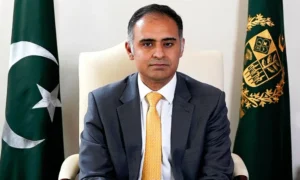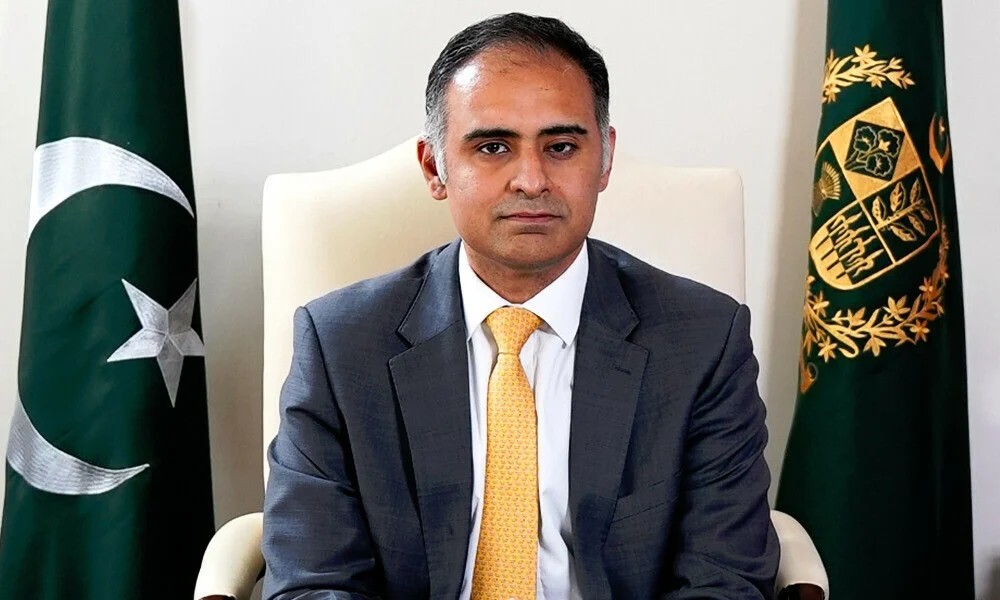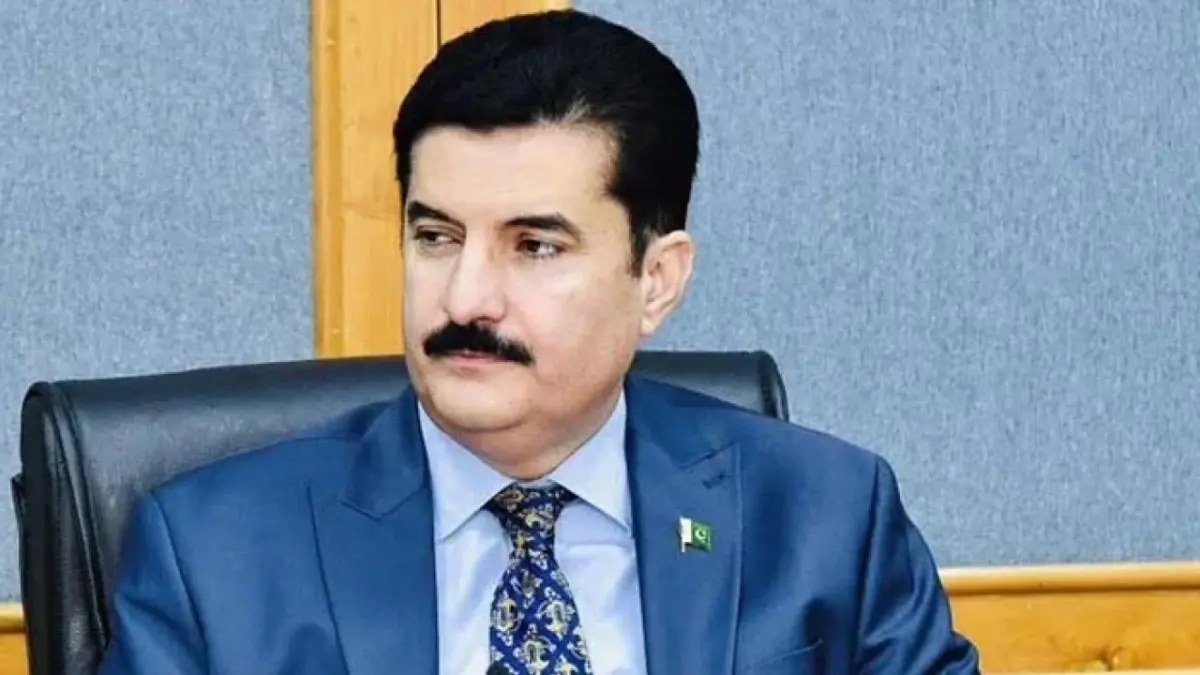
PESHAWAR — Governor Khyber Pakhtunkhwa Faisal Karim Kundi has expressed strong opposition to a proposed law that he believes could undermine the professional independence of the provincial police force. On Friday, Governor Kundi stated his commitment to reviewing the legislation in accordance with the Constitution and vowed to reject any measures that compromise the autonomy of law enforcement agencies.
What Happened
Governor Faisal Karim Kundi made a public statement on Friday, indicating his firm stance against a draft law intended to alter the operational framework of the Khyber Pakhtunkhwa police. He emphasized the importance of maintaining the professional independence of the police force, which he views as essential for effective law enforcement and public safety. “I will not support any legislation that curtails the autonomy of our police force,” Governor Kundi asserted. He further mentioned that any proposed changes would be thoroughly examined to ensure they align with constitutional provisions.
The proposed legislation, which has yet to be fully disclosed, reportedly aims to modify the existing legal framework governing police operations in the province. While specific details of the draft law remain undisclosed, concerns have been raised about potential political interference and reduced operational independence for the police.
Background
The debate over police autonomy in Khyber Pakhtunkhwa is not new. The Police Order 2002, which was introduced to depoliticize the police and enhance its operational independence, has been a cornerstone of police reforms in Pakistan. Over the years, various amendments have been proposed and implemented, often sparking controversy and debate among political leaders, law enforcement officials, and civil society.
In recent years, there have been multiple instances where proposed changes to police governance have been met with resistance from those advocating for a more independent police force. The current proposal appears to be another chapter in this ongoing debate, reflecting broader tensions between political oversight and operational independence within Pakistan’s law enforcement agencies.
Why It Matters
The issue of police autonomy in Khyber Pakhtunkhwa holds significant implications for governance and public safety in the region. An independent police force is widely regarded as crucial for upholding the rule of law, ensuring impartial enforcement of laws, and protecting citizens’ rights. Any perceived erosion of this independence could lead to increased political influence over police operations, potentially undermining public trust and the effectiveness of law enforcement.
Furthermore, the debate touches on broader themes of governance and accountability in Pakistan. Ensuring that police forces operate free from undue political influence is essential for maintaining democratic principles and fostering public confidence in state institutions. The outcome of this legislative proposal could set a precedent for other provinces, influencing national discourse on police reforms and governance.
For the citizens of Khyber Pakhtunkhwa, the stakes are high. Effective policing is critical for addressing security challenges, combating crime, and ensuring community safety. Any changes that compromise the ability of the police to perform their duties independently could have far-reaching consequences for public order and safety in the province.
Key Takeaways
- Governor Khyber Pakhtunkhwa Faisal Karim Kundi opposes a proposed law affecting police autonomy.
- The draft legislation is under scrutiny for potentially reducing the operational independence of the police force.
- Police autonomy has been a contentious issue in Pakistan, with historical debates over governance and political influence.
- Maintaining an independent police force is crucial for upholding the rule of law and public trust.
- The outcome of this legislative proposal could influence police governance discussions nationwide.
Source Attribution
This article is based on official government statements, press releases, and public communications from relevant authorities.