ISLAMABAD — The Federal Board of Revenue (FBR) has inaugurated the National Faceless Centre (NFC) in Islamabad, aiming to revolutionize the tax audit and assessment procedures by removing direct interactions between taxpayers and tax officers. This initiative, announced on Thursday, seeks to enhance transparency and efficiency within the tax system.
What Happened
The FBR’s establishment of the NFC marks a significant shift in how tax audits and assessments are conducted in Pakistan. By leveraging digital technology, the NFC aims to minimize the potential for corruption and undue influence by ensuring that taxpayers do not have to engage directly with tax officers. According to FBR officials, this system will facilitate a more objective and impartial evaluation of tax returns.
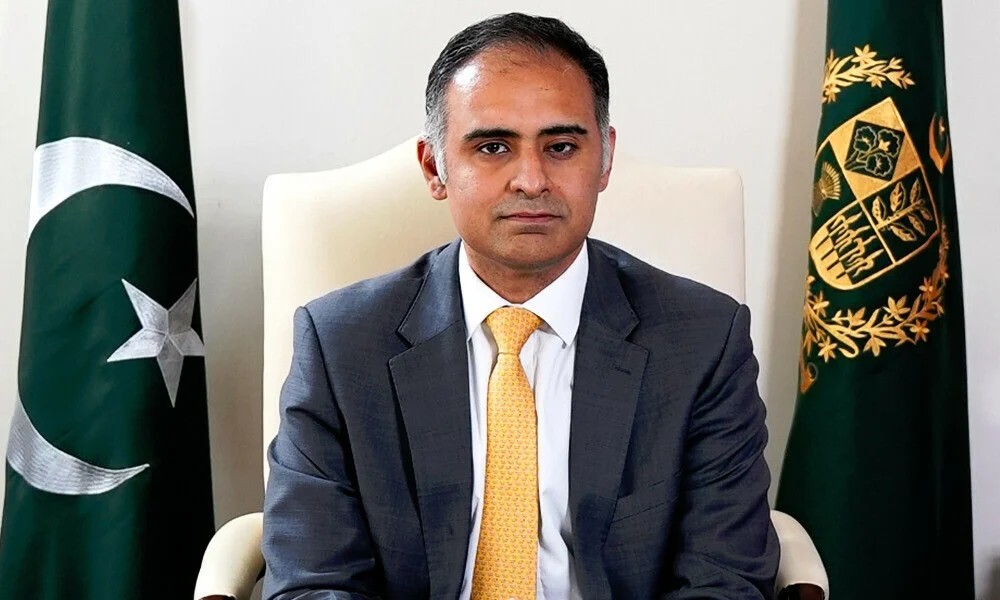
FBR Chairman Asim Ahmad stated, “The introduction of the National Faceless Centre is a crucial step towards modernizing our tax system. By eliminating face-to-face interactions, we aim to build trust and confidence among taxpayers.” The NFC will utilize advanced data analytics and artificial intelligence to assess tax returns, thereby reducing human error and bias.
The NFC will initially focus on high-risk cases identified through data analytics. Taxpayers will be notified electronically about any discrepancies or requirements for additional documentation. This digital approach is expected to significantly reduce the time taken for audits and assessments, benefiting both the FBR and taxpayers.
Background
The move to establish the NFC is part of a broader strategy by the FBR to digitize and streamline tax processes. In recent years, Pakistan has faced challenges in tax collection, with a significant portion of the economy remaining undocumented. Previous attempts to reform the tax system have met with limited success due to bureaucratic hurdles and resistance from vested interests.
The FBR has been under pressure to increase tax revenues to meet the government’s fiscal targets. In this context, the NFC is seen as a tool to improve compliance and broaden the tax base. The concept of a faceless tax system has been implemented in several countries, including India, where it has reportedly improved transparency and reduced corruption.
Why It Matters
The establishment of the NFC has significant implications for Pakistan’s economic landscape. By reducing direct contact between taxpayers and tax officers, the FBR aims to curb corruption, a persistent issue that has undermined public trust in the tax system. This move is expected to enhance voluntary compliance, as taxpayers may feel more secure and less intimidated in a faceless system.
Economically, improving tax compliance is crucial for Pakistan, which has one of the lowest tax-to-GDP ratios in the region. By increasing tax revenues, the government can invest more in public services and infrastructure, which are essential for sustainable economic growth. The NFC could also encourage more businesses to enter the formal economy, thereby expanding the tax base.
Internationally, the NFC aligns with global best practices in tax administration. By adopting a digital-first approach, Pakistan can improve its standing in the Ease of Doing Business rankings, potentially attracting more foreign investment. The success of the NFC could serve as a model for other reforms in the public sector, promoting a culture of transparency and accountability.
Key Takeaways
- The FBR has launched the National Faceless Centre to eliminate direct contact between taxpayers and tax officers.
- The NFC aims to enhance transparency and efficiency in tax audits and assessments through digital technology.
- This initiative is part of broader efforts to reform and modernize Pakistan’s tax system.
- The NFC could improve tax compliance and increase government revenues, benefiting the economy.
- Internationally, the NFC aligns with best practices, potentially boosting Pakistan’s investment appeal.
Source Attribution
This article is based on official government statements, press releases, and public communications from relevant authorities.