
Author name: Yasir Zubairi

Yasir Zubairi is the founder and publisher of NEN Agency (News Era Network). He leads NEN's coverage of Pakistan's national affairs, economy, foreign relations and sports, and is responsible for the accuracy and standards of every story published on nenagency.com.

Sialkot Chamber Celebrates Independence Day With Flag Hoisting Ceremony
Pakistan

Sialkot Chamber Celebrates Independence Day With Flag Hoisting Ceremony

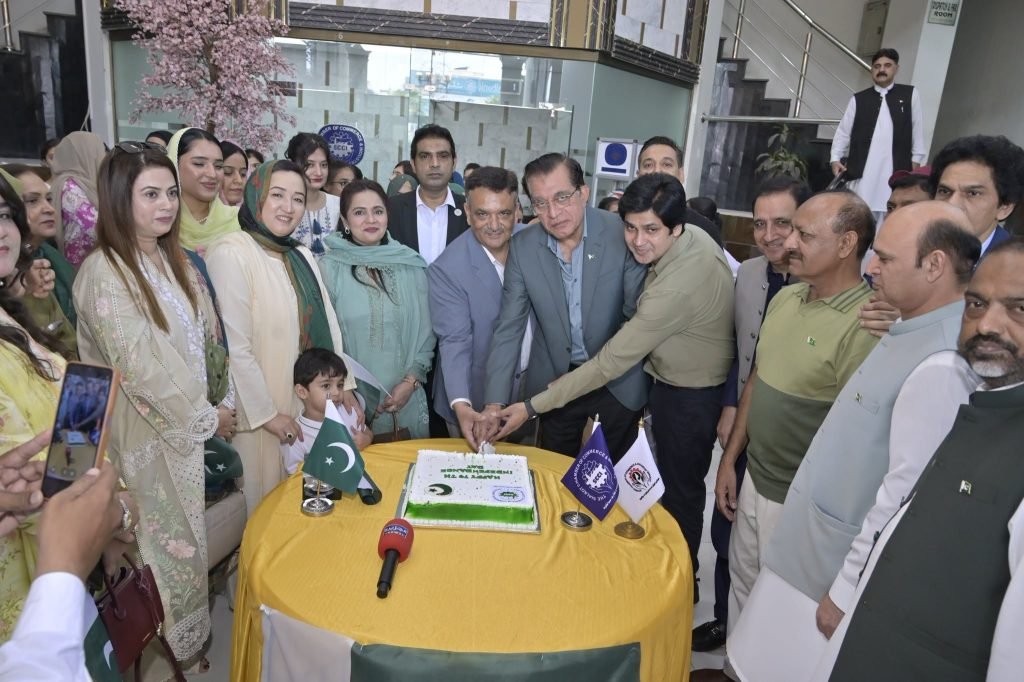
SIALKOT — The Sialkot Chamber of Commerce and Industry (SCCI) marked Pakistan’s 79th Independence Day with a ceremonial flag-hoisting and cake-cutting event on Friday at its headquarters. The celebration was attended by prominent figures from the local business community, reflecting their patriotic spirit and dedication to national progress. What Happened The event, held at the SCCI premises, was graced by President SCCI Syed Ahtesham Mazhar, Senior Vice President Muhammad Murad Arshad, Vice President Salman Sheikh, and President of the Women Chamber of Commerce and Industry Sialkot (WCCIS) Dr. Mariam Siddiqa. Members of the Executive Committee and SCCI employees also participated in the festivities. As part of the ceremony, the national flag was hoisted, symbolizing the unity and independence of Pakistan. Following the flag hoisting, a cake was cut to commemorate the nation’s independence, marking 79 years since Pakistan’s establishment. The event underscored the business community’s commitment to the country’s development and prosperity. In his address, President SCCI Syed Ahtesham Mazhar emphasized the significance of Independence Day, paying homage to the sacrifices made by the nation’s founders. He reiterated the chamber’s resolve to contribute to Pakistan’s economic growth and stability. “Our forefathers laid down their lives for this nation, and it is our duty to honor their sacrifices by working towards a prosperous Pakistan,” he stated. The participants collectively expressed their aspirations for peace, stability, and progress in Pakistan, highlighting the role of the business sector in achieving these goals. The ceremony concluded with prayers for the nation’s continued success and prosperity. Background Pakistan’s Independence Day, celebrated annually on August 14, marks the day in 1947 when the country gained independence from British rule. The day is observed with various ceremonies and events across the nation, reflecting on the struggles and achievements of the past. The Sialkot Chamber of Commerce and Industry, established in 1982, has been an active participant in these celebrations, promoting the interests of the local business community and contributing to regional economic development. Sialkot, known for its thriving industrial sector, particularly in sports goods and surgical instruments, plays a significant role in Pakistan’s economy. The city’s business community has historically been at the forefront of national economic initiatives, making the SCCI a pivotal institution in fostering economic growth and innovation. Why It Matters The celebration of Independence Day by the Sialkot Chamber of Commerce and Industry is significant as it highlights the crucial role of the business community in Pakistan’s economic landscape. Sialkot’s industries have been instrumental in driving exports, contributing substantially to the national economy. Events like these reinforce the commitment of business leaders to national development and unity. The SCCI’s involvement in Independence Day celebrations also serves as a reminder of the interconnectedness of economic prosperity and national stability. By fostering a sense of patriotism and responsibility among business leaders, such events encourage a collective effort towards addressing economic challenges and capitalizing on growth opportunities. Furthermore, the participation of the Women Chamber of Commerce and Industry Sialkot underscores the increasing role of women in the economic sector. It reflects a broader trend of gender inclusivity and empowerment within Pakistan’s business community, aligning with national and international efforts to promote gender equality in economic participation. Key Takeaways The Sialkot Chamber of Commerce and Industry celebrated Pakistan’s 79th Independence Day with a flag-hoisting and cake-cutting ceremony. The event was attended by key figures from the SCCI and the local business community, emphasizing their patriotic spirit. President SCCI Syed Ahtesham Mazhar highlighted the importance of honoring the sacrifices of Pakistan’s founders through economic development. The ceremony reinforced the role of the business community in contributing to national prosperity and stability. The inclusion of the Women Chamber of Commerce in the event reflects growing gender inclusivity in Pakistan’s economic sector. Source Attribution This article is based on official statements and public communications from the Sialkot Chamber of Commerce and Industry. Author: NEN Editorial Desk | Editor: NEN Newsroom | Fact Checked By: NEN Editorial Team Author: NEN Editorial Desk  |  Editor: NEN Newsroom  |  Last Updated: August 14, 2026  |  Source: Press Release from Government of Pakistan This article was produced by the NEN Editorial Desk in accordance with NEN Agency’s Editorial Policy and Fact-Checking Policy.
ECC Approves Increased Dealers’ Margins on Petroleum Products
Pakistan

ECC Approves Increased Dealers’ Margins on Petroleum Products

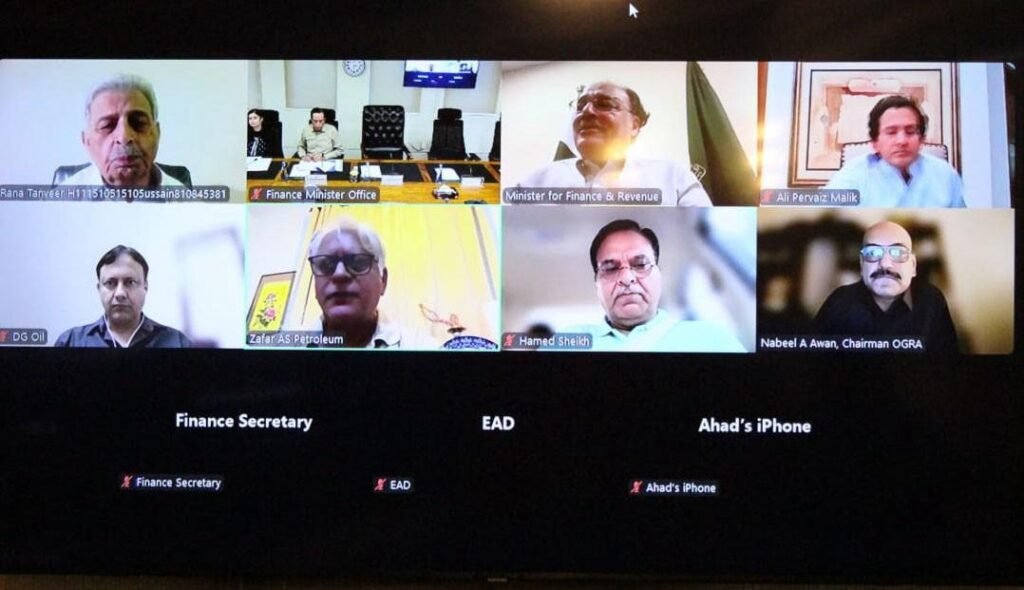
ISLAMABAD — The Economic Coordination Committee (ECC) on Friday approved a revision in the margins for dealers on Motor Spirit (MS) and High-Speed Diesel (HSD). The decision follows a detailed review of a proposal submitted by the Petroleum Division, aimed at adjusting the financial incentives for fuel dealers across Pakistan. What Happened The ECC, chaired by Finance Minister Ishaq Dar, convened to deliberate on the proposed adjustments to the dealers’ margins on petroleum products. The Petroleum Division presented a comprehensive summary highlighting the need for revising the margins, which have remained unchanged for a significant period despite fluctuating operational costs. The approved revision will see an increase in the per-litre margin for dealers, a move intended to align their earnings with current market conditions and operational expenses. The decision is expected to provide relief to fuel dealers who have been facing financial strain due to rising costs and inflationary pressures. In the meeting, Finance Minister Ishaq Dar emphasized the importance of maintaining a balance between consumer interests and the viability of the petroleum distribution network. “The revision in margins is necessary to ensure that dealers can continue to operate sustainably while providing essential services to the public,” he stated. The ECC’s approval is part of a broader strategy to stabilize the petroleum sector, which is critical to Pakistan’s economy. The revised margins will be implemented immediately, ensuring that dealers can adjust their operations accordingly. Background The margins for dealers on petroleum products have been a point of contention for several years. Historically, these margins have been set by the government to ensure affordability for consumers while attempting to provide a reasonable profit margin for dealers. However, with rising operational costs, including transportation, labor, and infrastructure maintenance, dealers have been lobbying for an increase. Previous attempts to revise these margins have been met with mixed reactions, balancing the need to keep fuel prices stable for consumers against the financial sustainability of the dealers. The ECC’s decision reflects a shift towards addressing the concerns of the petroleum distribution network, which plays a vital role in the country’s energy supply chain. Why It Matters The revision of dealers’ margins on petroleum products has significant implications for Pakistan’s economy and energy sector. By adjusting these margins, the government aims to ensure the continued viability of fuel dealers, who are crucial for maintaining an efficient supply chain across the country. Economically, the decision could help stabilize the petroleum sector by preventing potential disruptions in fuel distribution. Dealers, who have been operating under tight margins, will now have more financial flexibility to manage their operations, potentially leading to improved service delivery and investment in infrastructure. Socially, this move may help prevent fuel shortages and ensure that consumers continue to have access to essential energy resources. By supporting the dealers financially, the government is indirectly safeguarding consumer interests, as stable operations are less likely to lead to abrupt price hikes or supply interruptions. Politically, the decision underscores the government’s commitment to addressing sector-specific challenges and maintaining economic stability. It reflects a proactive approach to managing the complexities of the energy market, which is often subject to global fluctuations and domestic pressures. Key Takeaways The ECC approved an increase in dealers’ margins on Motor Spirit and High-Speed Diesel. The revision aims to align dealers’ earnings with current market conditions and operational costs. This decision is part of a broader strategy to stabilize Pakistan’s petroleum sector. The move is expected to prevent disruptions in fuel distribution and ensure consumer access to energy. The government aims to balance consumer interests with the financial sustainability of fuel dealers. Source Attribution This article is based on official government statements, press releases, and public communications from relevant authorities. Author: NEN Editorial Desk | Editor: NEN Newsroom | Fact Checked By: NEN Editorial Team Author: NEN Editorial Desk  |  Editor: NEN Newsroom  |  Last Updated: August 14, 2026  |  Source: NEN Reporter This article was produced by the NEN Editorial Desk in accordance with NEN Agency’s Editorial Policy and Fact-Checking Policy.
Pakistan Navy Commemorates 80th Independence Day with Ceremonial Tribute
Pakistan

Pakistan Navy Commemorates 80th Independence Day with Ceremonial Tribute

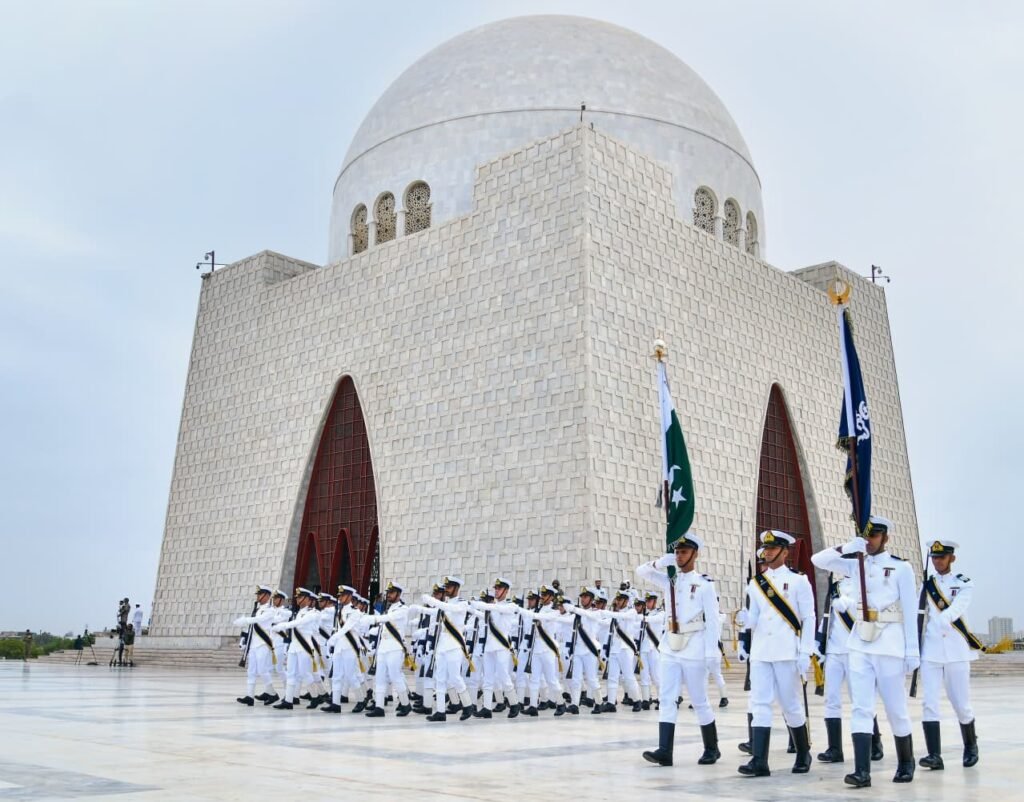
KARACHI — The Pakistan Navy marked the 80th Independence Day of Pakistan with a series of ceremonial events that underscored national pride and military tradition. The celebrations took place on August 14, 2023, with a notable Change of Guard ceremony at the mausoleum of Quaid-e-Azam Muhammad Ali Jinnah, the founder of Pakistan. What Happened The day began with a solemn Change of Guard ceremony at Mazar-e-Quaid, where a contingent of cadets from the Pakistan Naval Academy and sailors assumed guard duties. The event was characterized by the traditional enthusiasm and discipline that the Pakistan Navy is known for. Rear Admiral Muhammad Umair, Commandant of the Pakistan Naval Academy, served as the Chief Guest at the ceremony. During the event, Rear Admiral Umair presented the Qaumi Salam to the Father of the Nation and laid a floral wreath on behalf of the Chief of the Naval Staff. He also offered Fatiha and inscribed his reflections in the Visitors’ Book, paying homage to Quaid-e-Azam Muhammad Ali Jinnah’s visionary leadership and his pivotal role in the creation of Pakistan. The celebrations were not confined to Karachi alone. Across various naval units and establishments in Islamabad, Lahore, Karachi, Petaro, Sujawal, Sanghar, Gwadar, and Ormara, flag hoisting ceremonies were conducted. The day also featured a 21 Guns Salute at naval units and thanksgiving prayers in mosques, seeking peace, prosperity, and unity for the nation. In a press release, the Pakistan Navy reiterated its unwavering commitment to safeguarding the sovereignty and territorial integrity of Pakistan. The statement emphasized the Navy’s dedication to maintaining the highest standards of operational readiness to address any challenges to national security. Background The tradition of celebrating Independence Day with military ceremonies dates back to the early years of Pakistan’s establishment. The mausoleum of Quaid-e-Azam, also known as Mazar-e-Quaid, is a focal point for national celebrations, symbolizing the enduring legacy of Muhammad Ali Jinnah. The Change of Guard ceremony is a significant event that highlights the discipline and dedication of the armed forces. Independence Day in Pakistan is a time of reflection and celebration, marking the country’s emergence as a sovereign state in 1947. The day is observed with various events across the nation, including parades, cultural shows, and public gatherings, reflecting the diverse heritage and unity of the country. Why It Matters The Pakistan Navy’s celebration of Independence Day is a poignant reminder of the armed forces’ role in national security and unity. By honoring the legacy of Quaid-e-Azam, the Navy not only pays tribute to the past but also reinforces its commitment to the future of Pakistan. Such ceremonies foster a sense of national pride and solidarity among citizens, crucial for maintaining social cohesion and morale. Moreover, the Navy’s emphasis on operational readiness is particularly significant in the context of regional security dynamics. Pakistan’s strategic location and geopolitical challenges necessitate a robust defense posture, and the Navy’s preparedness is integral to safeguarding national interests. The celebrations also serve as a platform to project Pakistan’s commitment to peace and stability, both domestically and internationally. By showcasing military discipline and national spirit, the Navy contributes to a positive image of Pakistan on the global stage. Key Takeaways The Pakistan Navy celebrated the 80th Independence Day with a Change of Guard ceremony at Mazar-e-Quaid. Rear Admiral Muhammad Umair, Commandant of the Pakistan Naval Academy, was the Chief Guest. Flag hoisting ceremonies and a 21 Guns Salute were conducted across various naval units. The Navy reiterated its commitment to national security and operational readiness. These celebrations highlight the role of the armed forces in fostering national unity and pride. Source Attribution This article is based on official government statements, press releases, and public communications from relevant authorities. Author: NEN Editorial Desk | Editor: NEN Newsroom | Fact Checked By: NEN Editorial Team Author: NEN Editorial Desk  |  Editor: NEN Newsroom  |  Last Updated: August 14, 2026  |  Source: Press Release from Pakistan Navy This article was produced by the NEN Editorial Desk in accordance with NEN Agency’s Editorial Policy and Fact-Checking Policy.
PIO Raisa Adil Honors Sacrifices on Pakistan Independence Day
Pakistan

PIO Raisa Adil Honors Sacrifices on Pakistan Independence Day

ISLAMABAD — Principal Information Officer Raisa Adil extended heartfelt greetings to the nation on the occasion of Pakistan’s Independence Day, paying tribute to the martyrs and elders whose sacrifices laid the foundation for the country’s freedom, security, and sovereignty. What Happened In her Independence Day message, Principal Information Officer Raisa Adil emphasized the significance of the sacrifices made by the founders of Pakistan, as well as the martyrs and generations of elders who played a pivotal role in the country’s creation and security. She remarked, “Independence Day is a reminder of the immense sacrifices made by the founders of Pakistan, martyrs, and generations of elders who struggled for the country’s creation and security.” Her message was a poignant reminder of the historical struggles that led to the establishment of Pakistan as an independent nation. Adil’s message was disseminated to the public through various media channels, aiming to instill a sense of pride and gratitude among the citizens of Pakistan. The Principal Information Officer highlighted the enduring legacy of those who fought for the country’s independence and underscored the importance of remembering their contributions as Pakistan continues to navigate its path forward. Background Pakistan’s Independence Day, celebrated annually on August 14, marks the day in 1947 when the country gained independence from British rule. The partition of British India led to the creation of two independent dominions, India and Pakistan. The day is commemorated with nationalistic fervor, featuring flag hoisting ceremonies, parades, and cultural events across the country. The struggle for independence was marked by significant sacrifices from various leaders and ordinary citizens alike. Figures such as Muhammad Ali Jinnah, Allama Iqbal, and Liaquat Ali Khan are revered for their leadership roles in the movement. The sacrifices of countless individuals who endured hardships and laid down their lives for the cause of freedom are remembered and honored each year on this day. Why It Matters The message from Principal Information Officer Raisa Adil serves as a reminder of the foundational values upon which Pakistan was built. In a time of political and economic challenges, acknowledging the sacrifices of the past can inspire unity and resilience among the populace. The remembrance of historical struggles is crucial for fostering a sense of national identity and pride, which can contribute to the country’s stability and progress. Moreover, the tribute to martyrs and elders highlights the importance of preserving the sovereignty and security of Pakistan. As the nation faces contemporary challenges, including economic pressures and regional security concerns, reflecting on the sacrifices that secured its independence can motivate current and future generations to work towards a prosperous and secure Pakistan. Internationally, Pakistan’s Independence Day is an opportunity to showcase the country’s rich history and cultural heritage. It serves as a platform for strengthening diplomatic ties and promoting a positive image of Pakistan on the global stage. The acknowledgment of the sacrifices made for independence also resonates with other nations that have undergone similar struggles for freedom, fostering a sense of solidarity and shared history. Key Takeaways Principal Information Officer Raisa Adil extended greetings and paid tribute to martyrs and elders on Independence Day. Her message emphasized the sacrifices made for Pakistan’s freedom, security, and sovereignty. Independence Day commemorates Pakistan’s liberation from British rule on August 14, 1947. The remembrance of sacrifices is crucial for national unity and identity amid current challenges. Pakistan’s Independence Day also serves to enhance its international image and diplomatic relations. Source Attribution This article is based on official government statements, press releases, and public communications from relevant authorities. Author: NEN Editorial Desk | Editor: NEN Newsroom | Fact Checked By: NEN Editorial Team Author: NEN Editorial Desk  |  Editor: NEN Newsroom  |  Last Updated: August 14, 2026  |  Source: NEN Reporter This article was produced by the NEN Editorial Desk in accordance with NEN Agency’s Editorial Policy and Fact-Checking Policy.

Thousands Flock to Khanpur Lake for Independence Day Celebrations
World

Thousands Flock to Khanpur Lake for Independence Day Celebrations

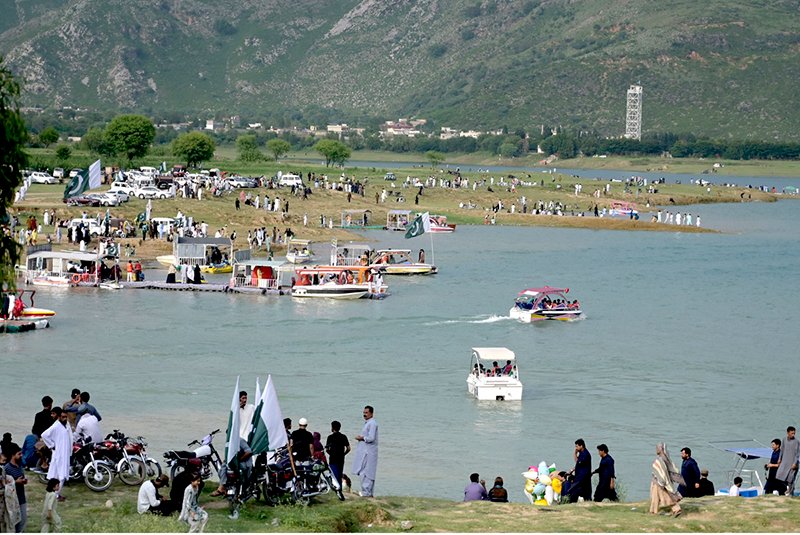
KHANPUR — Thousands of visitors gathered at Khanpur Lake on the eve of Pakistan’s Independence Day, turning the scenic spot into a vibrant hub of festivities. The celebrations, marking the nation’s 76th anniversary of independence, drew people from various parts of the country, eager to partake in the jubilant atmosphere. What Happened On the eve of August 14, Khanpur Lake, located near the city of Khanpur, became a focal point for Independence Day celebrations. Families, tourists, and local residents flocked to the lake, enjoying a day filled with recreational activities, picnics, and cultural performances. The lake, known for its clear blue waters and picturesque surroundings, provided an ideal backdrop for the festivities. According to local authorities, the number of visitors this year was significantly higher than in previous years, with estimates suggesting that several thousand people visited the lake. The influx of visitors was attributed to the easing of COVID-19 restrictions, which had previously curtailed large gatherings. Security measures were heightened to ensure the safety of the attendees. Local police and security personnel were deployed in significant numbers to manage the crowd and maintain order. Additionally, first aid stations were set up to address any medical emergencies. One of the highlights of the day was a series of cultural performances organized by local artists. Traditional music and dance performances captivated the audience, adding to the festive spirit. Vendors selling traditional Pakistani food and crafts also lined the area, offering visitors a taste of local culture. Background Khanpur Lake, a man-made reservoir, is a popular tourist destination in Pakistan. It was constructed in 1983 as part of the Khanpur Dam project, primarily to supply water to Islamabad and Rawalpindi. Over the years, it has become a favored spot for recreational activities such as boating, fishing, and water sports. Independence Day in Pakistan is celebrated on August 14 each year, commemorating the country’s independence from British rule in 1947. The day is marked by nationwide celebrations, including parades, fireworks, and cultural events. Khanpur Lake has become a popular venue for such celebrations due to its accessibility and natural beauty. Why It Matters The large turnout at Khanpur Lake underscores the significance of Independence Day as a unifying event for Pakistanis. It provides an opportunity for citizens to come together, celebrate their national identity, and reflect on the country’s history and achievements. Economically, events like these contribute to the local economy by boosting tourism and supporting local businesses. The influx of visitors provides a significant source of income for vendors, hoteliers, and transport services in the area. This economic activity is particularly important in the post-pandemic recovery phase, as it helps stimulate local economies and provides employment opportunities. Socially, the celebrations foster a sense of community and national pride. They allow people from diverse backgrounds to connect and celebrate shared values and traditions. This is crucial in a country like Pakistan, where regional and cultural diversity is vast. Politically, Independence Day serves as a reminder of the country’s sovereignty and the struggles endured to achieve it. It is a day for reaffirming commitment to the nation’s progress and unity, amidst ongoing challenges both domestically and internationally. Key Takeaways Thousands visited Khanpur Lake for Independence Day celebrations, marking a significant turnout. The event featured cultural performances, traditional food stalls, and heightened security measures. Khanpur Lake is a popular tourist destination, contributing to local economic activity. Independence Day celebrations foster national unity and pride among Pakistanis. The event highlights the easing of COVID-19 restrictions and a return to normalcy. Source Attribution This article is based on official government statements, press releases, and public communications from relevant authorities. Author: NEN Editorial Desk | Editor: NEN Newsroom | Fact Checked By: NEN Editorial Team Author: NEN Editorial Desk  |  Editor: NEN Newsroom  |  Last Updated: August 14, 2026  |  Source: NEN Reporter This article was produced by the NEN Editorial Desk in accordance with NEN Agency’s Editorial Policy and Fact-Checking Policy.
Pakistan Hockey Federation Announces Training Camp for National Team
World

Pakistan Hockey Federation Announces Training Camp for National Team

ISLAMABAD — The Pakistan Hockey Federation (PHF) has announced the commencement of a training camp for the national senior hockey team in preparation for the upcoming Four-Nation Invitational Hockey Tournament in Kazan, Russia. The camp is set to begin on August 15 in Islamabad, aiming to enhance the team’s performance and readiness for international competition. What Happened The PHF has taken a proactive step by organizing a training camp for the national senior hockey team, which will serve as a crucial preparatory phase for the Four-Nation Invitational Hockey Tournament. This tournament is scheduled to take place in Kazan, Russia, and will feature teams from various countries, providing a platform for Pakistan to showcase its talent on an international stage. The training camp, beginning on August 15, will be held in Islamabad, where the selected players will undergo rigorous training sessions. The focus will be on improving the team’s tactical skills, physical fitness, and overall coordination. The PHF aims to ensure that the players are well-prepared to compete against some of the best teams in the world. PHF officials have emphasized the importance of this training camp as part of their broader strategy to revive Pakistan’s hockey legacy. The federation is committed to providing the necessary resources and support to the players, enabling them to perform at their best during the tournament. Background Pakistan has a storied history in the world of field hockey, having won numerous Olympic and World Cup titles in the past. However, in recent years, the national team has struggled to maintain its dominance on the international stage. The PHF has been working to address these challenges by implementing strategic initiatives aimed at revitalizing the sport in the country. The Four-Nation Invitational Hockey Tournament presents an opportunity for Pakistan to re-establish itself as a formidable force in international hockey. The tournament will not only test the team’s capabilities but also provide valuable experience against top-tier competition, which is essential for the team’s development. Why It Matters The upcoming training camp and subsequent participation in the Four-Nation Invitational Hockey Tournament hold significant implications for Pakistan’s hockey landscape. Firstly, it serves as a critical step in rebuilding the national team’s confidence and international reputation. Success in the tournament could reignite interest in hockey across Pakistan, inspiring a new generation of players to take up the sport. Economically, a strong performance by the national team could attract sponsorships and investments in the sport, providing much-needed financial support for infrastructure development and grassroots programs. This, in turn, could lead to improved facilities and training opportunities for aspiring hockey players throughout the country. Politically, the tournament offers a chance for Pakistan to strengthen diplomatic ties with participating nations, fostering goodwill and collaboration through sports diplomacy. It also highlights the importance of sports as a unifying force, capable of bridging cultural and political divides. Internationally, Pakistan’s participation in the tournament underscores its commitment to re-engaging with the global hockey community. A successful campaign could pave the way for more invitations to prestigious tournaments, further enhancing the team’s exposure and experience. Key Takeaways The PHF has announced a training camp for the national senior hockey team starting August 15 in Islamabad. The camp is in preparation for the Four-Nation Invitational Hockey Tournament in Kazan, Russia. The initiative aims to improve the team’s performance and revive Pakistan’s hockey legacy. Success in the tournament could boost interest in hockey and attract investments in the sport. Participation in the tournament emphasizes Pakistan’s commitment to international sports engagement. Source Attribution This article is based on official statements from the Pakistan Hockey Federation and public communications from relevant authorities. Author: NEN Editorial Desk | Editor: NEN Newsroom | Fact Checked By: NEN Editorial Team Author: NEN Editorial Desk  |  Editor: NEN Newsroom  |  Last Updated: August 14, 2026  |  Source: NEN Reporter This article was produced by the NEN Editorial Desk in accordance with NEN Agency’s Editorial Policy and Fact-Checking Policy.
Governor Sindh Joins Special Meeting with Sindh Assembly and Children’s Parliament
Pakistan

Governor Sindh Joins Special Meeting with Sindh Assembly and Children’s Parliament

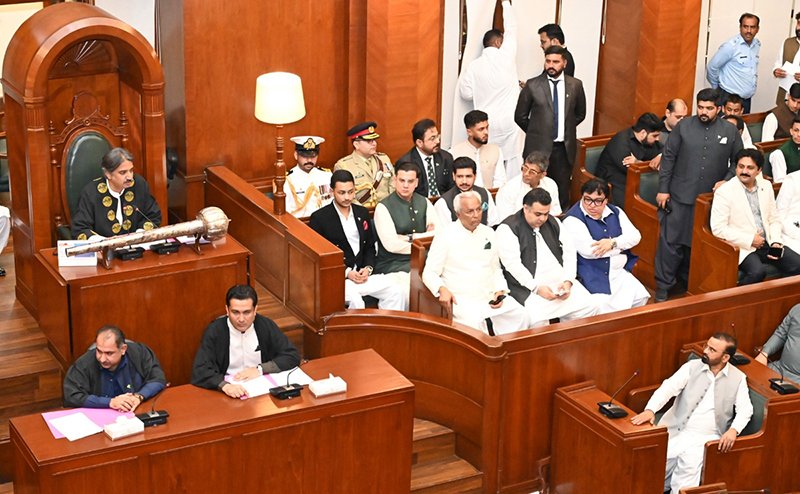
KARACHI — Governor Sindh Syed Muhammad Nehal Hashmi participated in a special meeting at the Sindh Assembly on Monday, where members of the Sindh Assembly and the Children’s Parliament convened. The meeting was also attended by Federal Minister of State for Sports Das Kohistani, Special Assistant to the Prime Minister and Minister of State Fahad Haroon, Raja Ansari, and other notable figures. What Happened The special meeting held at the Sindh Assembly was a significant gathering aimed at fostering dialogue between elected officials and the youth represented by the Children’s Parliament. Governor Sindh Syed Muhammad Nehal Hashmi emphasized the importance of engaging young minds in legislative processes. “The future of our province and country lies in the hands of our youth, and it is imperative that we include them in discussions that shape their future,” he stated. Federal Minister of State for Sports Das Kohistani underscored the role of sports in youth development, highlighting government initiatives aimed at increasing youth participation in sports. “Sports not only promote physical health but also instill discipline and teamwork among young individuals,” Kohistani remarked. Special Assistant to the Prime Minister Fahad Haroon discussed the government’s commitment to empowering youth through various educational and skill development programs. He noted, “Our government is dedicated to providing the youth with the necessary tools and opportunities to excel in their chosen fields.” The Children’s Parliament, a platform for young individuals to voice their opinions and engage with policymakers, presented several proposals aimed at improving educational standards and youth engagement in governance. Raja Ansari, a prominent figure in youth advocacy, supported these initiatives, emphasizing the need for continuous dialogue between youth and government officials. Background The concept of a Children’s Parliament is not new in Pakistan. It was established as a means to provide a formal platform for young voices to be heard in legislative discussions. Historically, the Sindh Assembly has been proactive in involving youth in its proceedings, recognizing the potential impact of their contributions to policy-making. The Sindh Assembly has previously hosted similar events, reflecting its commitment to integrating youth perspectives into governance. These initiatives align with Pakistan’s broader youth policy framework, which aims to harness the demographic dividend by investing in youth education, employment, and civic engagement. Why It Matters The inclusion of youth in legislative processes is crucial for Pakistan, where a significant portion of the population is under 30 years old. Engaging young people in governance not only empowers them but also ensures that policies are reflective of the needs and aspirations of the younger generation. This meeting highlights the government’s recognition of the importance of youth participation in shaping the future of the province and the country. By involving the Children’s Parliament, the Sindh Assembly is setting a precedent for other provincial assemblies to follow, potentially leading to more inclusive and representative governance. Economically, empowering youth through education and skill development can lead to a more productive workforce, driving economic growth. Socially, it fosters a sense of belonging and responsibility among young citizens, encouraging them to contribute positively to society. Politically, such initiatives can enhance democratic processes by cultivating informed and engaged future leaders. The meeting serves as a reminder of the critical role that young people play in the nation’s development and the need for continuous efforts to integrate their voices into the political discourse. Key Takeaways Governor Sindh Syed Muhammad Nehal Hashmi participated in a special meeting with the Sindh Assembly and Children’s Parliament. The meeting emphasized the importance of youth engagement in legislative processes. Federal Minister of State for Sports Das Kohistani highlighted government initiatives in sports to promote youth development. The Children’s Parliament presented proposals for improving education and youth engagement. The event underscores the significance of including youth perspectives in governance for Pakistan’s future. Source Attribution This article is based on official government statements, press releases, and public communications from relevant authorities. Author: NEN Editorial Desk | Editor: NEN Newsroom | Fact Checked By: NEN Editorial Team Author: NEN Editorial Desk  |  Editor: NEN Newsroom  |  Last Updated: August 14, 2026  |  Source: Press Release from Government of Pakistan This article was produced by the NEN Editorial Desk in accordance with NEN Agency’s Editorial Policy and Fact-Checking Policy.
Arid University Commemorates Independence Day with Enthusiastic Celebrations
Pakistan

Arid University Commemorates Independence Day with Enthusiastic Celebrations

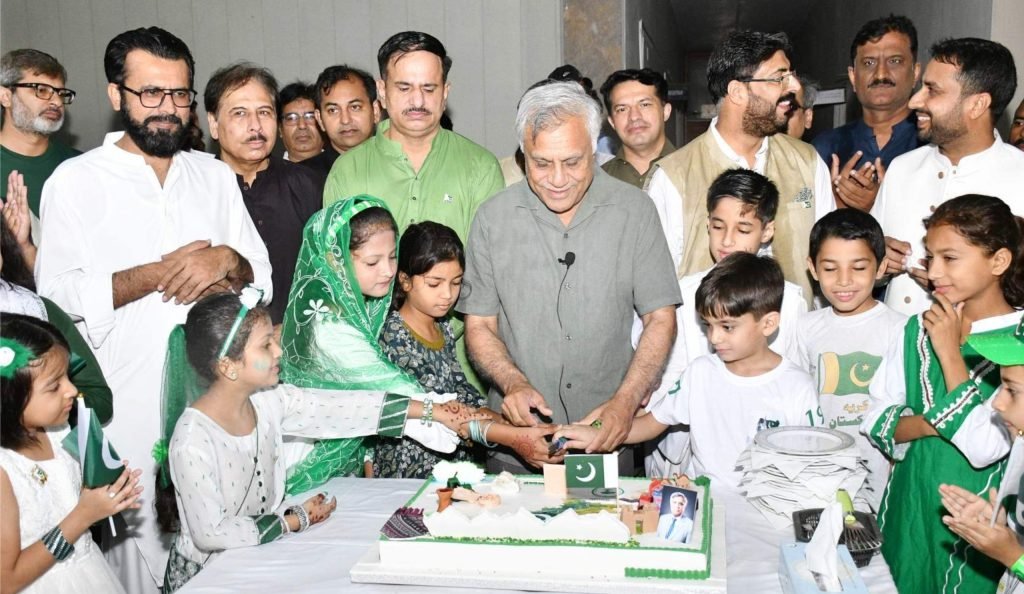
RAWALPINDI — Pir Mehr Ali Shah Arid Agriculture University Rawalpindi (PMAS-AAUR) marked Pakistan’s 80th Independence Day with a vibrant celebration on campus, reflecting high national spirit and enthusiasm. The event, held on August 14, included a series of activities designed to honor the country’s rich history and promote patriotism among students and faculty. What Happened The Independence Day celebrations at PMAS-AAUR were a testament to the university’s commitment to fostering national pride and unity. The event commenced with a flag-hoisting ceremony, which was attended by the university’s vice-chancellor, faculty members, students, and staff. The national anthem was played, and the campus echoed with patriotic songs, creating an atmosphere of unity and pride. Following the flag-hoisting, a series of speeches were delivered by prominent faculty members and students, highlighting the significance of Independence Day and the sacrifices made by the nation’s forefathers. The vice-chancellor, in his address, emphasized the importance of education in nation-building and urged students to contribute positively to Pakistan’s development. Various cultural performances, including traditional dances and musical renditions, were also part of the celebrations. These performances aimed to showcase Pakistan’s diverse cultural heritage and instill a sense of pride in the country’s rich traditions. The university also organized a special exhibition featuring historical photographs and documents related to the independence movement, providing attendees with a glimpse into the past struggles and achievements that led to the creation of Pakistan. Background Pakistan’s Independence Day, celebrated annually on August 14, marks the country’s liberation from British rule in 1947. It is a day of national pride and reflection, commemorating the efforts and sacrifices of those who fought for the country’s freedom. Educational institutions across Pakistan often play a significant role in these celebrations, using the occasion to educate students about the nation’s history and the importance of unity and patriotism. PMAS-AAUR, established in 1994, has a long-standing tradition of celebrating national events with enthusiasm. The university is known for its focus on agricultural education and research, contributing significantly to Pakistan’s agricultural sector. Independence Day celebrations at the university are seen as an opportunity to reinforce national values and inspire the younger generation to contribute to the country’s progress. Why It Matters The celebrations at PMAS-AAUR hold significant importance in the context of Pakistan’s current socio-political landscape. As the country faces various challenges, including economic instability and political tensions, events like these serve as a reminder of the nation’s resilience and unity. They provide a platform for educational institutions to engage students in discussions about national issues and encourage them to play an active role in shaping the country’s future. Moreover, such events help in promoting cultural awareness and appreciation among the younger generation. By showcasing Pakistan’s diverse cultural heritage, the university fosters a sense of belonging and pride among students, which is crucial for maintaining social cohesion in a diverse society. On a broader scale, Independence Day celebrations contribute to the strengthening of national identity. They remind citizens of their shared history and values, reinforcing the importance of unity and cooperation in overcoming challenges. For educational institutions like PMAS-AAUR, these celebrations are an opportunity to instill a sense of responsibility and patriotism in students, preparing them to become future leaders and contributors to Pakistan’s development. Key Takeaways PMAS-AAUR celebrated Pakistan’s 80th Independence Day with a series of patriotic events. The celebrations included a flag-hoisting ceremony, speeches, cultural performances, and an exhibition. Independence Day serves as a reminder of Pakistan’s history and the sacrifices made for freedom. Such events help foster national pride and cultural awareness among students. Educational institutions play a crucial role in promoting unity and patriotism in Pakistan. Source Attribution This article is based on official statements and public communications from relevant authorities. Author: NEN Editorial Desk | Editor: NEN Newsroom | Fact Checked By: NEN Editorial Team Author: NEN Editorial Desk  |  Editor: NEN Newsroom  |  Last Updated: August 14, 2026  |  Source: NEN Reporter This article was produced by the NEN Editorial Desk in accordance with NEN Agency’s Editorial Policy and Fact-Checking Policy.
E-Cluster Initiative Launched to Boost Clean Energy Manufacturing in Pakistan
Pakistan

E-Cluster Initiative Launched to Boost Clean Energy Manufacturing in Pakistan

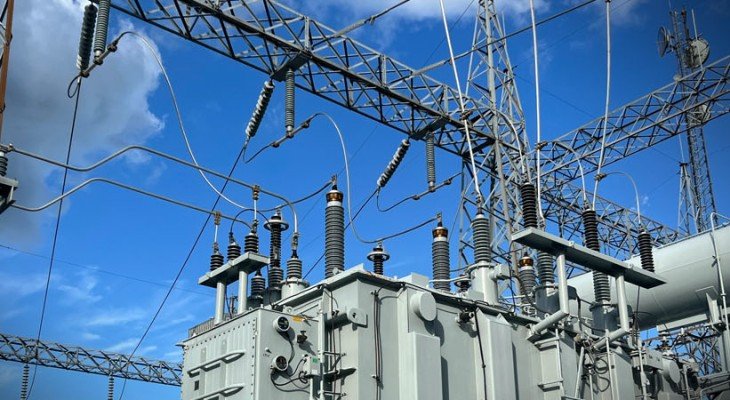
ISLAMABAD — Pakistan has launched an ambitious initiative to establish local manufacturing bases for clean energy through an ‘E-Cluster’ model. This initiative aims to develop an integrated clean-energy manufacturing ecosystem nationwide, marking a significant step towards enhancing the country’s renewable energy capabilities. What Happened The government of Pakistan has introduced the E-Cluster model, a strategic framework designed to bolster the local production of clean energy technologies. This initiative seeks to create a comprehensive ecosystem that supports the manufacturing of renewable energy components, thereby reducing reliance on imports and fostering domestic innovation. The E-Cluster model is expected to facilitate collaboration between various stakeholders, including government agencies, private sector companies, and research institutions. According to official statements, the E-Cluster will focus on key areas such as solar panels, wind turbines, and energy storage solutions. By localizing the production of these technologies, Pakistan aims to not only meet its growing energy demands but also contribute to global efforts in combating climate change. The initiative is part of a broader strategy to increase the share of renewable energy in the national energy mix, aligning with international commitments to sustainable development. An official from the Ministry of Energy stated, “The E-Cluster model represents a transformative approach to energy production in Pakistan. By fostering local manufacturing, we are not only creating jobs but also positioning Pakistan as a leader in clean energy technology in the region.” Background Pakistan has long faced challenges in meeting its energy needs, with a significant portion of its energy derived from fossil fuels. In recent years, the government has made concerted efforts to diversify its energy sources, with a particular focus on renewable energy. The introduction of the E-Cluster model is a continuation of these efforts, building on previous initiatives such as the Alternative and Renewable Energy Policy 2019, which set ambitious targets for increasing the share of renewable energy in the national grid. Historically, Pakistan has relied heavily on imported energy technologies, which has posed economic and logistical challenges. The E-Cluster initiative aims to address these issues by developing local manufacturing capabilities, thereby reducing dependency on foreign imports and enhancing energy security. Why It Matters The launch of the E-Cluster model is a pivotal development for Pakistan’s energy sector. By establishing local manufacturing bases for clean energy technologies, the country is taking a significant step towards achieving energy independence. This initiative is expected to create numerous job opportunities, stimulate economic growth, and foster innovation within the renewable energy sector. Economically, the E-Cluster model could lead to substantial cost savings by reducing the need for imported energy technologies. This, in turn, could lower the overall cost of renewable energy projects, making them more accessible and attractive to investors. Additionally, local manufacturing is likely to spur technological advancements and capacity building, positioning Pakistan as a competitive player in the global clean energy market. On the social front, the initiative aligns with national and international goals for sustainable development and environmental protection. By increasing the share of renewable energy, Pakistan can reduce its carbon footprint and contribute to global efforts in mitigating climate change. This is particularly important for a country that is highly vulnerable to the impacts of climate change, such as extreme weather events and water scarcity. Key Takeaways Pakistan has launched the E-Cluster model to develop local manufacturing bases for clean energy technologies. The initiative focuses on solar panels, wind turbines, and energy storage solutions to enhance energy independence. The E-Cluster model aims to reduce reliance on imports, create jobs, and stimulate economic growth. This initiative aligns with Pakistan’s broader strategy to increase the share of renewable energy in its national grid. By fostering local innovation, Pakistan aims to position itself as a leader in clean energy technology in the region. Source Attribution This article is based on official government statements, press releases, and public communications from relevant authorities. Author: NEN Editorial Desk | Editor: NEN Newsroom | Fact Checked By: NEN Editorial Team Author: NEN Editorial Desk  |  Editor: NEN Newsroom  |  Last Updated: August 14, 2026  |  Source: NEN Reporter This article was produced by the NEN Editorial Desk in accordance with NEN Agency’s Editorial Policy and Fact-Checking Policy.

Deputy PM Dar Urges New Ambassador to Enhance Pakistan-Sweden Relations
World

Deputy PM Dar Urges New Ambassador to Enhance Pakistan-Sweden Relations

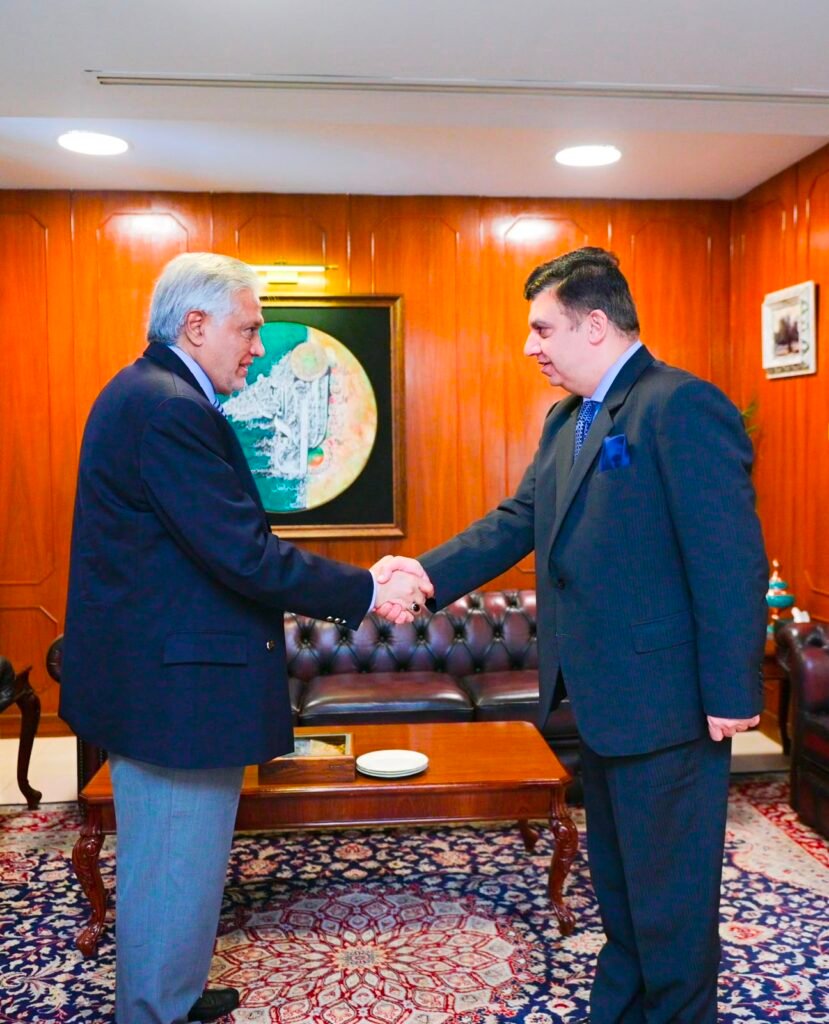
ISLAMABAD — Deputy Prime Minister and Foreign Minister Senator Muhammad Ishaq Dar has instructed Pakistan’s newly appointed Ambassador to Sweden, Ahmed Amjad Ali, to actively foster bilateral relations. The directive was given during a meeting held on August 14, where Dar emphasized the need for strengthening economic ties between the two nations, focusing on key sectors such as trade, investment, technology, renewable energy, agriculture, education, and skills development. What Happened During the meeting in Islamabad, Deputy Prime Minister Dar highlighted the strategic importance of enhancing Pakistan-Sweden relations. He urged Ambassador-designate Ahmed Amjad Ali to prioritize the expansion of economic cooperation and to explore new avenues for collaboration. Dar stated, “The potential for growth in trade and investment between Pakistan and Sweden is immense, and we must capitalize on this opportunity.” Dar also pointed out the significance of technology transfer and renewable energy, areas where Sweden has considerable expertise. He encouraged the ambassador to engage with Swedish counterparts to facilitate partnerships that could lead to technological advancements and sustainable energy solutions in Pakistan. Furthermore, the deputy prime minister underscored the importance of collaboration in education and skills development, which could contribute to Pakistan’s human capital enhancement. He stressed that fostering educational exchanges and vocational training programs could yield long-term benefits for both countries. Background Pakistan and Sweden have maintained diplomatic relations since the early 1950s, with both countries sharing a history of cooperation in various sectors. Historically, the bilateral relationship has been characterized by mutual respect and collaboration, particularly in trade and development assistance. Sweden has been a significant contributor to development projects in Pakistan, focusing on areas such as education, health, and environmental sustainability. In recent years, there has been a renewed interest in expanding economic ties, with both countries recognizing the potential for increased trade and investment. Sweden’s advanced technology sector and Pakistan’s growing market present opportunities for mutual benefit. Additionally, Sweden’s commitment to sustainable development aligns with Pakistan’s goals of enhancing its renewable energy capacity and addressing climate change challenges. Why It Matters The directive from Deputy Prime Minister Dar to the new ambassador is significant as it reflects Pakistan’s strategic focus on strengthening its international partnerships. Enhancing relations with Sweden could lead to increased foreign investment, which is crucial for Pakistan’s economic growth. The emphasis on sectors such as technology and renewable energy is particularly important as Pakistan seeks to modernize its infrastructure and reduce its carbon footprint. Moreover, the focus on education and skills development aligns with Pakistan’s broader objectives of improving its workforce capabilities. By fostering educational exchanges and vocational training, Pakistan can better equip its youth with the skills needed in a rapidly changing global economy. This could also help reduce unemployment and drive economic progress. On the international front, stronger ties with Sweden could enhance Pakistan’s standing in the European Union, potentially leading to more favorable trade agreements and increased access to European markets. As Sweden is a member of the EU, a robust bilateral relationship could serve as a gateway for Pakistan to strengthen its economic ties with other EU countries. Key Takeaways Deputy Prime Minister Ishaq Dar has directed the new ambassador to Sweden to focus on enhancing bilateral economic relations. The emphasis is on key sectors such as trade, investment, technology, and renewable energy. Strengthening ties with Sweden could lead to increased foreign investment and technological advancements in Pakistan. Educational and skills development collaboration is seen as a priority for enhancing Pakistan’s workforce capabilities. Improved relations with Sweden could bolster Pakistan’s standing within the European Union. Source Attribution This article is based on official government statements and public communications from relevant authorities. Author: NEN Editorial Desk | Editor: NEN Newsroom | Fact Checked By: NEN Editorial Team Author: NEN Editorial Desk  |  Editor: NEN Newsroom  |  Last Updated: August 14, 2026  |  Source: NEN Reporter This article was produced by the NEN Editorial Desk in accordance with NEN Agency’s Editorial Policy and Fact-Checking Policy.

Scroll to Top