
Author name: Yasir Zubairi

Yasir Zubairi is the founder and publisher of NEN Agency (News Era Network). He leads NEN's coverage of Pakistan's national affairs, economy, foreign relations and sports, and is responsible for the accuracy and standards of every story published on nenagency.com.

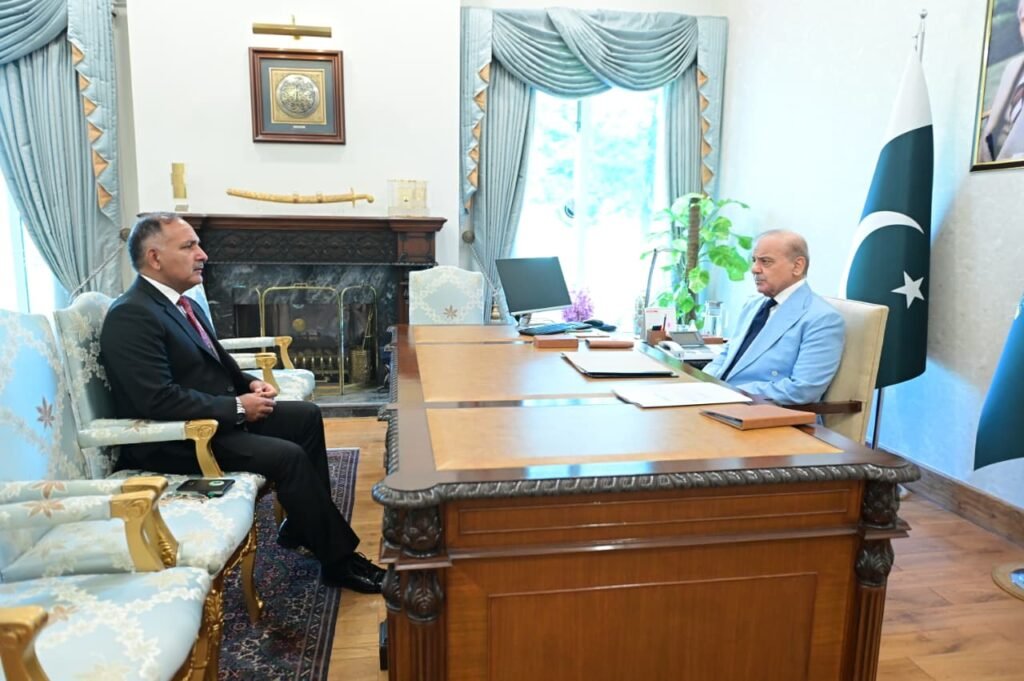
Prime Minister Instructs NDMA to Enhance Flood Relief Efforts
Pakistan

Prime Minister Instructs NDMA to Enhance Flood Relief Efforts

ISLAMABAD — Prime Minister Shehbaz Sharif has directed the National Disaster Management Authority (NDMA) to maximize relief efforts for flood-affected individuals across Pakistan. The directive came during a meeting held on Saturday with NDMA Chairman Lieutenant General Inam Haider Malik, who provided a briefing on the current situation. What Happened During the meeting in Islamabad, Prime Minister Shehbaz Sharif emphasized the urgency of deploying all available resources to assist those impacted by the ongoing floods. The Prime Minister instructed the NDMA to coordinate closely with provincial disaster management authorities and other relevant agencies to ensure that aid reaches those in need swiftly and effectively. Lieutenant General Inam Haider Malik briefed the Prime Minister on the current flood situation, detailing the extent of the damage and the ongoing relief operations. He highlighted the challenges faced in accessing certain remote areas and the need for additional resources to overcome these obstacles. The NDMA has been tasked with prioritizing the distribution of food, clean water, and medical supplies to the affected regions. Prime Minister Sharif reiterated the government’s commitment to supporting flood victims and stressed the importance of transparency and accountability in the relief efforts. He urged all stakeholders to work collaboratively to mitigate the impact of the floods and to ensure that relief efforts are not hampered by bureaucratic delays. Background Pakistan has been experiencing severe monsoon rains, leading to widespread flooding in various parts of the country. The floods have resulted in significant loss of life, displacement of communities, and destruction of infrastructure. The NDMA, established under the National Disaster Management Act of 2010, is responsible for coordinating disaster response efforts at the national level. Historically, Pakistan has faced challenges in managing natural disasters due to its diverse geography and the intensity of monsoon seasons. Previous flood events, such as those in 2010 and 2022, have underscored the need for effective disaster management strategies and robust infrastructure to withstand such calamities. Why It Matters The Prime Minister’s directive is crucial in ensuring that relief efforts are intensified and reach the most vulnerable populations swiftly. Floods have a profound impact on Pakistan’s economy, particularly in rural areas where agriculture is a primary livelihood. The destruction of crops and infrastructure not only affects immediate food security but also has long-term economic consequences. Socially, the floods exacerbate existing vulnerabilities, particularly among women, children, and the elderly, who are often the hardest hit during such disasters. Ensuring that relief efforts are inclusive and address the specific needs of these groups is essential for effective recovery. Politically, the government’s response to the floods is a test of its ability to manage crises and deliver on its promises of support and relief. Effective disaster management can enhance public trust and demonstrate the government’s commitment to the welfare of its citizens. Internationally, Pakistan’s handling of the flood crisis can influence its relationships with donor countries and international organizations. Efficient and transparent relief efforts can attract additional support and resources from the global community, aiding in recovery and rebuilding efforts. Key Takeaways Prime Minister Shehbaz Sharif has directed the NDMA to enhance relief efforts for flood-affected areas. The NDMA is coordinating with provincial authorities to ensure effective distribution of aid. Floods have caused significant damage, impacting lives, infrastructure, and the economy. The government’s response is critical for maintaining public trust and securing international support. Relief efforts must prioritize vulnerable populations, including women, children, and the elderly. Source Attribution This article is based on official government statements, press releases, and public communications from relevant authorities. Author: NEN Editorial Desk | Editor: NEN Newsroom | Fact Checked By: NEN Editorial Team Author: NEN Editorial Desk  |  Editor: NEN Newsroom  |  Last Updated: August 15, 2026  |  Source: Press Release from Government of Pakistan This article was produced by the NEN Editorial Desk in accordance with NEN Agency’s Editorial Policy and Fact-Checking Policy.

Pakistan Plans Major Reforms to Strengthen Construction Sector
World

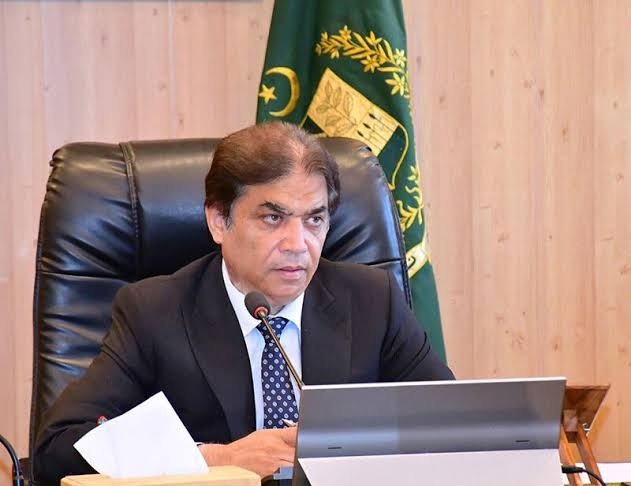
Pakistan Plans Major Reforms to Strengthen Construction Sector

ISLAMABAD — The Pakistani government is considering a comprehensive package of reforms aimed at overhauling the construction sector, as announced during a meeting chaired by Federal Minister for Economic Affairs and Establishment Division, Senator Ahad Khan Cheema, on Saturday. The meeting, which took place on August 15, was attended by key officials including Minister of State for Finance Bilal Azhar, and focused on regulatory, operational, and financial reforms to enhance national standards. What Happened The meeting, held in Islamabad, was convened to discuss and formulate strategies for a significant overhaul of Pakistan’s construction sector. Senator Ahad Khan Cheema emphasized the need for a robust framework that addresses current challenges and aligns with international standards. The proposed reforms are expected to streamline processes, improve regulatory compliance, and enhance the financial viability of construction projects across the country. During the session, participants deliberated on various aspects of the construction industry, including the need for updated regulations that reflect modern construction practices and technologies. The discussion also covered the importance of operational efficiency and financial transparency to attract both domestic and international investment. Minister of State for Finance Bilal Azhar highlighted the economic potential of the construction sector, noting that it could play a pivotal role in job creation and economic growth. He stated, “The construction industry is a key driver of economic development, and these reforms are crucial for unlocking its full potential.” The reforms are expected to include measures for improving the ease of doing business, reducing bureaucratic hurdles, and fostering a more competitive environment for local and international construction firms. The government aims to implement these changes in a phased manner, ensuring that the sector can adapt to new regulations without disruption. Background The construction sector in Pakistan has long been seen as a vital component of the country’s economy, contributing significantly to GDP and employment. However, it has faced numerous challenges, including outdated regulations, lack of transparency, and inefficiencies in project execution. Previous attempts at reform have met with limited success, often hindered by bureaucratic inertia and resistance to change. In recent years, the government has recognized the need for a more strategic approach to revitalize the sector. This includes aligning local practices with global standards and leveraging technology to improve efficiency. The current initiative represents a continuation of these efforts, with a renewed focus on comprehensive and sustainable reforms. Why It Matters The construction sector’s reform is crucial for Pakistan’s broader economic trajectory. By addressing regulatory and operational inefficiencies, the government aims to create a more conducive environment for investment, which is essential for infrastructure development and urbanization. This, in turn, can lead to increased employment opportunities and economic growth. Moreover, the proposed reforms have significant implications for Pakistan’s international standing. By aligning with global standards, the country can attract foreign direct investment, which is vital for large-scale infrastructure projects. This could enhance Pakistan’s competitiveness in the region and contribute to its economic stability. For citizens, these reforms promise improved infrastructure, better housing, and more job opportunities. The construction sector’s growth can also stimulate related industries, such as cement, steel, and logistics, further amplifying its impact on the economy. Key Takeaways The Pakistani government is planning comprehensive reforms to overhaul the construction sector. The reforms aim to improve regulatory, operational, and financial aspects of the industry. Key officials, including Senator Ahad Khan Cheema and Minister Bilal Azhar, are spearheading the initiative. The construction sector is seen as a critical driver of economic growth and job creation. Aligning with international standards is expected to attract foreign investment and improve competitiveness. Source Attribution This article is based on official government statements and public communications from relevant authorities. Author: NEN Editorial Desk | Editor: NEN Newsroom | Fact Checked By: NEN Editorial Team Author: NEN Editorial Desk  |  Editor: NEN Newsroom  |  Last Updated: August 15, 2026  |  Source: Press Release from Government of Pakistan This article was produced by the NEN Editorial Desk in accordance with NEN Agency’s Editorial Policy and Fact-Checking Policy.
ML-1 Project: Cornerstone for Pakistan Railways’ Modernization, Says Minister
Pakistan

ML-1 Project: Cornerstone for Pakistan Railways’ Modernization, Says Minister

LAHORE — Minister for Railways Muhammad Hanif Abbasi emphasized on Saturday that the Main Line-1 (ML-1) project serves as the cornerstone for the modernization and development of Pakistan Railways. He expressed satisfaction with the progress made on this flagship initiative, which is expected to significantly enhance the railway infrastructure in the country. What Happened Minister Muhammad Hanif Abbasi, in a statement issued on August 15, highlighted the importance of the ML-1 project for Pakistan Railways’ future. He noted that the upgradation of this critical railway line would lead to increased train speeds, improved passenger facilities, and a more robust railway network. The minister’s comments came as part of an ongoing assessment of the project’s progress, which is being closely monitored by the government. The ML-1 project is a major component of the China-Pakistan Economic Corridor (CPEC) and involves the complete overhaul of the existing railway line from Karachi to Peshawar. This comprehensive upgrade aims to increase the speed of passenger trains up to 160 kilometers per hour and significantly reduce travel time across the country. The project also includes the installation of a modern signaling system and the construction of new stations to enhance the overall passenger experience. According to the minister, the project is progressing according to schedule, with several key milestones already achieved. The government is committed to ensuring that the ML-1 project is completed within the stipulated timeframe, as it is expected to play a crucial role in boosting Pakistan’s economy by improving connectivity and facilitating trade. Background The ML-1 project is part of a broader strategy to revitalize Pakistan’s railway system, which has suffered from decades of underinvestment and neglect. Historically, the railway network has been a vital component of the country’s transportation infrastructure, but it has faced numerous challenges, including outdated technology, inadequate maintenance, and financial constraints. In recent years, the government has prioritized the modernization of the railway system as part of its national development agenda. The ML-1 project, in particular, is seen as a transformative initiative that will not only improve transportation efficiency but also create thousands of jobs and stimulate economic growth. The project is being implemented in collaboration with China under the CPEC framework, which has brought significant investment and technical expertise to Pakistan’s infrastructure projects. Why It Matters The successful implementation of the ML-1 project is expected to have far-reaching implications for Pakistan’s economy and society. By reducing travel times and increasing train speeds, the project will make rail travel a more attractive option for both passengers and freight transport. This could lead to a shift from road to rail transport, alleviating pressure on the country’s road infrastructure and reducing traffic congestion and pollution. Economically, the project is anticipated to enhance trade efficiency by providing a faster and more reliable means of transporting goods across the country. This could boost Pakistan’s trade competitiveness and attract further investment in the logistics and transport sectors. Additionally, the project is expected to generate significant employment opportunities during its construction phase and beyond, contributing to job creation and economic development. On a social level, the modernization of Pakistan Railways through the ML-1 project could improve accessibility and mobility for millions of citizens, particularly those in remote and underserved areas. Enhanced railway services could facilitate greater social and economic integration, contributing to regional development and cohesion. Key Takeaways The ML-1 project is a key component of Pakistan Railways’ modernization efforts. Minister for Railways Muhammad Hanif Abbasi expressed satisfaction with the project’s progress. The project aims to increase train speeds and improve passenger facilities. It is part of the China-Pakistan Economic Corridor (CPEC) initiative. The project is expected to have significant economic and social impacts. Source Attribution This article is based on official government statements, press releases, and public communications from relevant authorities. Author: NEN Editorial Desk | Editor: NEN Newsroom | Fact Checked By: NEN Editorial Team Author: NEN Editorial Desk  |  Editor: NEN Newsroom  |  Last Updated: August 15, 2026  |  Source: Press Release from Government of Pakistan This article was produced by the NEN Editorial Desk in accordance with NEN Agency’s Editorial Policy and Fact-Checking Policy.
Over 3,000 Motorcycles Seized in Lahore Traffic Crackdown
Pakistan

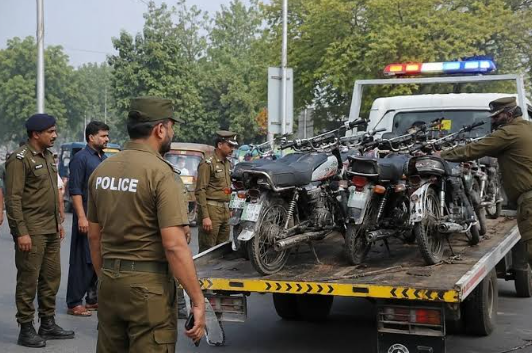
Over 3,000 Motorcycles Seized in Lahore Traffic Crackdown

LAHORE — In a concerted effort to curb traffic violations during the Independence Day celebrations, Lahore’s traffic police impounded over 3,000 motorcycles. The crackdown, which spanned two days, targeted reckless driving, speeding, and dangerous stunts, according to official police statements. What Happened The traffic police in Lahore initiated a comprehensive operation to address the surge in traffic violations typically observed during the Independence Day festivities. The operation, which took place over August 14 and 15, was aimed at ensuring public safety and maintaining order on the roads. Police sources reported that more than 3,000 motorcycles were seized during the crackdown, with special attention given to those involved in one-wheeling and other hazardous driving behaviors. Traffic police officers were deployed across key locations in the city to monitor and apprehend violators. In addition to the impounding of motorcycles, legal actions were taken against individuals found engaging in dangerous driving practices. Five cases were registered at various police stations, highlighting the authorities’ commitment to enforcing traffic laws. “Our primary goal is to ensure the safety of all citizens, especially during such national celebrations when the risk of accidents increases,” stated a senior police official. The operation was part of a broader initiative to promote road safety and reduce the incidence of traffic-related incidents during public holidays. Background Independence Day in Pakistan is marked by widespread celebrations, including parades, fireworks, and public gatherings. However, these festivities often lead to an increase in traffic violations as citizens take to the streets to celebrate. In recent years, there has been a growing concern over the rise in accidents and injuries resulting from reckless driving during these celebrations. The traffic police in Lahore have historically implemented similar crackdowns during major public holidays to mitigate the risks associated with increased vehicular activity. These efforts are part of a larger strategy to instill a culture of road safety and adherence to traffic regulations among the public. Why It Matters The crackdown on traffic violations during Independence Day celebrations holds significant importance for several reasons. Firstly, it underscores the need for stringent enforcement of traffic laws to protect public safety. The impounding of over 3,000 motorcycles serves as a deterrent to potential violators, emphasizing the consequences of reckless driving. Economically, traffic violations and the resulting accidents place a substantial burden on public resources, including healthcare services and law enforcement. By reducing the incidence of such violations, authorities can alleviate some of this strain, allowing resources to be allocated more efficiently. Socially, the crackdown sends a clear message about the importance of responsible driving. It aims to foster a culture of safety and respect for traffic laws, which is crucial for reducing the overall number of traffic-related incidents in the long term. This initiative aligns with broader efforts to enhance road safety standards across Pakistan. Internationally, demonstrating a commitment to road safety can improve Pakistan’s image as a country that prioritizes the well-being of its citizens. This can have positive implications for tourism and foreign investment, as safety is a key consideration for both tourists and investors. Key Takeaways Over 3,000 motorcycles were seized in Lahore during a traffic crackdown on Independence Day. The operation targeted reckless driving, speeding, and dangerous stunts. Five cases were registered against individuals for engaging in hazardous driving practices. The crackdown is part of efforts to promote road safety and reduce traffic violations. Such initiatives are crucial for protecting public safety and improving Pakistan’s international image. Source Attribution This article is based on official government statements, press releases, and public communications from relevant authorities. Author: NEN Editorial Desk | Editor: NEN Newsroom | Fact Checked By: NEN Editorial Team Author: NEN Editorial Desk  |  Editor: NEN Newsroom  |  Last Updated: August 15, 2026  |  Source: NEN Reporter This article was produced by the NEN Editorial Desk in accordance with NEN Agency’s Editorial Policy and Fact-Checking Policy.
GCWUS Announces Australian Scholarships for Students
World

GCWUS Announces Australian Scholarships for Students

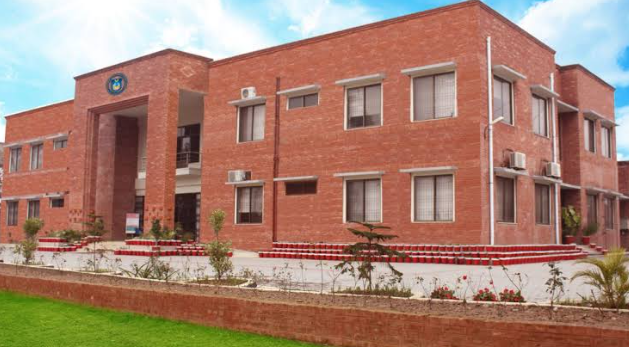
SIALKOT — Government College Women University Sialkot (GCWUS) has announced a new scholarship opportunity for its students through a partnership with the University of Canberra, Australia. The initiative, revealed on Saturday, aims to provide financial assistance to eligible students pursuing undergraduate and postgraduate programs in Australia. What Happened GCWUS, in a recent announcement, shared that its students now have the chance to apply for the University of Canberra Scholarship 2026. This scholarship offers up to a 30% reduction in tuition fees for both undergraduate and postgraduate programs. The scholarship is designed to support international students from GCWUS who meet the eligibility criteria set by the University of Canberra. The Vice Chancellor of GCWUS, Dr. Rukhsana Kausar, expressed her enthusiasm about the partnership, stating, “This scholarship is a significant opportunity for our students to gain international exposure and enhance their academic credentials. We are committed to supporting our students in every possible way to achieve their educational goals.” The scholarship program is part of a broader effort by GCWUS to internationalize its educational offerings and provide its students with global learning opportunities. The University of Canberra is known for its strong emphasis on practical learning and research, making it an attractive destination for students seeking quality education abroad. The partnership with GCWUS is expected to open new avenues for academic collaboration and cultural exchange between the two institutions. Background GCWUS, established in 2012, has been at the forefront of women’s education in Pakistan, offering a range of undergraduate and postgraduate programs. The university has consistently sought to enhance its academic offerings through international collaborations. The University of Canberra, on the other hand, is a well-regarded institution in Australia, known for its diverse student body and commitment to innovation in education. Scholarship programs like this are part of a growing trend where Pakistani universities partner with international institutions to provide students with opportunities to study abroad. Such initiatives not only help in broadening the academic horizons of students but also in fostering cross-cultural understanding and collaboration. Why It Matters This scholarship program is significant for several reasons. Firstly, it provides financial relief to students who may otherwise find it challenging to afford international education. The reduction in tuition fees can make a substantial difference, enabling more students to pursue their dreams of studying abroad. Secondly, the opportunity to study in Australia allows Pakistani students to gain exposure to different educational methodologies and cultures, which can be invaluable in today’s globalized world. This experience can enhance their employability and prepare them for careers in international settings. Moreover, such partnerships between Pakistani and Australian universities can lead to further academic collaborations, joint research initiatives, and exchange programs, benefiting both institutions and their students. These collaborations can also contribute to strengthening bilateral relations between Pakistan and Australia, particularly in the field of education. For GCWUS, this partnership is a step towards achieving its vision of becoming a leading institution for women’s education in Pakistan, with a strong emphasis on internationalization and academic excellence. Key Takeaways GCWUS has partnered with the University of Canberra to offer scholarships to its students. The scholarship provides up to a 30% reduction in tuition fees for eligible programs. This initiative aims to enhance international exposure and academic opportunities for GCWUS students. The partnership reflects a broader trend of international collaboration in higher education. Such programs can strengthen educational and cultural ties between Pakistan and Australia. Source Attribution This article is based on official statements and press releases from Government College Women University Sialkot and the University of Canberra. Author: NEN Editorial Desk | Editor: NEN Newsroom | Fact Checked By: NEN Editorial Team Author: NEN Editorial Desk  |  Editor: NEN Newsroom  |  Last Updated: August 15, 2026  |  Source: NEN Reporter This article was produced by the NEN Editorial Desk in accordance with NEN Agency’s Editorial Policy and Fact-Checking Policy.
Students Showcase Cultural Tableau at Bahawalpur Independence Day Event
Pakistan

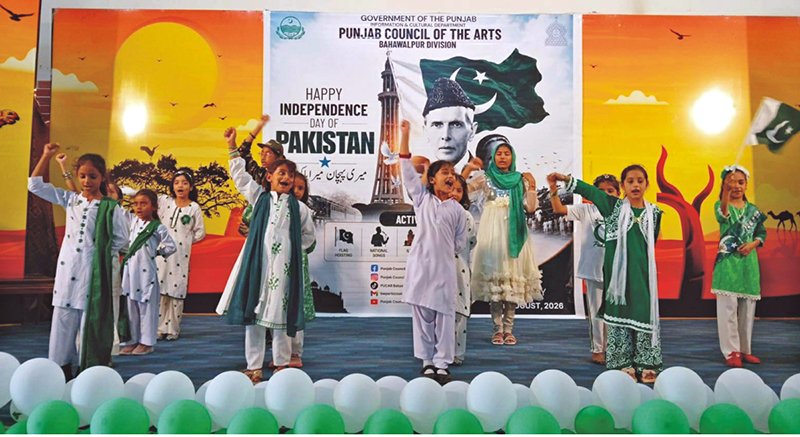
Students Showcase Cultural Tableau at Bahawalpur Independence Day Event

BAHAWALPUR — Students captivated audiences with a cultural tableau at an Independence Day event organized by the Punjab Council of the Arts in Bahawalpur on August 14. The event was part of the nationwide celebrations marking Pakistan’s 79th Independence Day. What Happened The Punjab Council of the Arts hosted an Independence Day event in Bahawalpur, where students performed a tableau that highlighted the rich cultural heritage of Pakistan. The performance was designed to instill a sense of patriotism and pride among the attendees. The event attracted a diverse audience, including local dignitaries, families, and art enthusiasts, all gathered to witness the vibrant display of cultural expression. The tableau, performed by students from various schools in the region, depicted significant historical events and cultural traditions of Pakistan. The young performers donned traditional attire representing different provinces, showcasing the unity in diversity that characterizes the nation. The performance was met with applause and appreciation from the audience, who were visibly moved by the students’ dedication and talent. In addition to the tableau, the event featured speeches by local leaders and cultural experts who emphasized the importance of preserving and promoting Pakistan’s cultural heritage. The event concluded with a flag-hoisting ceremony and a rendition of the national anthem, further enhancing the patriotic spirit of the occasion. Background Independence Day in Pakistan is celebrated annually on August 14, commemorating the country’s independence from British rule in 1947. The day is marked by various events and activities across the country, including flag-hoisting ceremonies, parades, cultural performances, and fireworks displays. The Punjab Council of the Arts, established to promote cultural activities and support artists in the region, regularly organizes events that celebrate and preserve the cultural heritage of Punjab and Pakistan as a whole. Tableaux performances have been a traditional part of Independence Day celebrations, serving as a medium to educate and engage the public about the country’s history and cultural diversity. These performances are often integrated into school curriculums and community events, highlighting their role in fostering national unity and pride. Why It Matters The cultural tableau performed by students in Bahawalpur is significant for several reasons. Firstly, it serves as a reminder of the rich cultural diversity that exists within Pakistan. By showcasing the traditional attire and customs of various provinces, the performance underscores the importance of unity in a country with diverse ethnic and cultural backgrounds. Moreover, events like these play a crucial role in educating the younger generation about the nation’s history and cultural heritage. In an era where global influences are pervasive, such performances help preserve indigenous traditions and instill a sense of national identity among the youth. Economically, cultural events contribute to the local economy by attracting visitors and promoting tourism. They provide a platform for local artists and performers to showcase their talents, potentially leading to further opportunities in the arts and entertainment sectors. On a broader scale, celebrating Independence Day with cultural events strengthens national solidarity and pride. It reminds citizens of the struggles and sacrifices made by their forebears to achieve independence, reinforcing the values of freedom and democracy that are central to Pakistan’s national identity. Key Takeaways Students performed a cultural tableau at an Independence Day event in Bahawalpur, organized by the Punjab Council of the Arts. The performance highlighted Pakistan’s cultural diversity and historical events, fostering national unity and pride. Independence Day celebrations in Pakistan commemorate the country’s independence from British rule in 1947. Cultural events contribute to local economies and provide platforms for artists to showcase their talents. Such events play a vital role in educating youth about national history and preserving cultural heritage. Source Attribution This article is based on official government statements, press releases, and public communications from relevant authorities. Author: NEN Editorial Desk | Editor: NEN Newsroom | Fact Checked By: NEN Editorial Team Author: NEN Editorial Desk  |  Editor: NEN Newsroom  |  Last Updated: August 14, 2026  |  Source: NEN Reporter This article was produced by the NEN Editorial Desk in accordance with NEN Agency’s Editorial Policy and Fact-Checking Policy.
Sindh Leaders Hoist National Flag at Mazar-e-Quaid on Independence Day
Pakistan

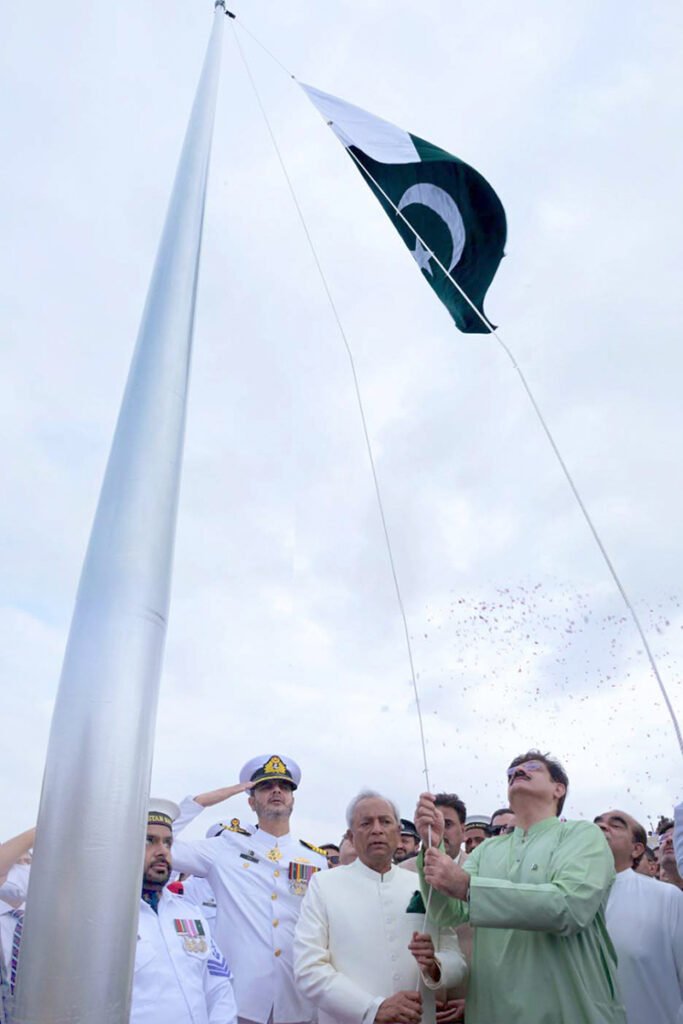
Sindh Leaders Hoist National Flag at Mazar-e-Quaid on Independence Day

KARACHI — Sindh Chief Minister Syed Murad Ali Shah, alongside Governor Sindh Syed Muhammad Nihal Hashmi and members of the provincial cabinet, hoisted the national flag at Mazar-e-Quaid during a ceremony marking Pakistan’s 79th Independence Day on August 14, 2023. The event was part of nationwide celebrations commemorating the country’s independence from British rule in 1947. What Happened The ceremony at Mazar-e-Quaid, the mausoleum of Pakistan’s founding father, Muhammad Ali Jinnah, was attended by various dignitaries, government officials, and citizens. Chief Minister Shah and Governor Hashmi led the flag-hoisting ceremony, a symbolic act representing national unity and patriotism. The event included recitations of the national anthem and speeches highlighting the significance of independence and the sacrifices made by the nation’s forefathers. Chief Minister Shah, addressing the gathering, emphasized the importance of unity and resilience in overcoming the challenges facing the country. He stated, “Today, as we celebrate our independence, we must remember the sacrifices of those who fought for our freedom and work towards a prosperous and peaceful Pakistan.” Governor Hashmi echoed these sentiments, urging citizens to contribute positively to the nation’s development. The ceremony also featured cultural performances, including traditional music and dance, reflecting the diverse heritage of Pakistan. Participants and attendees expressed their patriotic fervor, with many waving flags and wearing traditional attire in the national colors of green and white. Background Independence Day in Pakistan is celebrated annually on August 14, marking the day in 1947 when Pakistan gained independence from British colonial rule. The day is a public holiday and is observed with various events, including parades, flag-hoisting ceremonies, and cultural programs across the country. Mazar-e-Quaid in Karachi holds particular significance as it is the final resting place of Muhammad Ali Jinnah, the leader of the All-India Muslim League and the driving force behind the creation of Pakistan. Historically, the Independence Day celebrations serve as a reminder of the country’s journey towards sovereignty and the ongoing efforts required to uphold the values of democracy, freedom, and justice. The day also honors the contributions of those who played pivotal roles in the independence movement. Why It Matters The Independence Day celebrations at Mazar-e-Quaid are a poignant reminder of the unity and resilience that are crucial for Pakistan’s progress. As the country faces numerous challenges, including economic instability, political tensions, and social issues, the event serves as a call for collective action and national solidarity. Economically, Pakistan is grappling with inflation, a depreciating currency, and external debt pressures. The government’s commitment to celebrating national events underscores the importance of fostering a sense of unity and purpose among citizens, which is essential for economic recovery and growth. Politically, the presence of Sindh’s top leaders at the event highlights the significance of provincial and federal cooperation. Such events provide a platform for leaders to reaffirm their commitment to democratic principles and governance, which are vital for maintaining stability and addressing regional disparities. Socially, the Independence Day celebrations offer an opportunity to reflect on the nation’s achievements and the work that remains in areas such as education, healthcare, and human rights. By celebrating cultural diversity and promoting inclusivity, these events contribute to social cohesion and national identity. Key Takeaways Sindh Chief Minister and Governor participated in the Independence Day flag-hoisting ceremony at Mazar-e-Quaid. The event highlighted the importance of unity and national identity amidst current challenges. Independence Day marks Pakistan’s freedom from British rule in 1947, celebrated annually on August 14. The ceremony included cultural performances, emphasizing Pakistan’s diverse heritage. National celebrations serve as a reminder of the need for collective action towards economic and social progress. Source Attribution This article is based on official statements and public communications from relevant authorities. Author: NEN Editorial Desk | Editor: NEN Newsroom | Fact Checked By: NEN Editorial Team Author: NEN Editorial Desk  |  Editor: NEN Newsroom  |  Last Updated: August 14, 2026  |  Source: Press Release from Government of Pakistan This article was produced by the NEN Editorial Desk in accordance with NEN Agency’s Editorial Policy and Fact-Checking Policy.
Sindh CM Visits Rehabilitation Center, Engages With Recovering Child
Pakistan

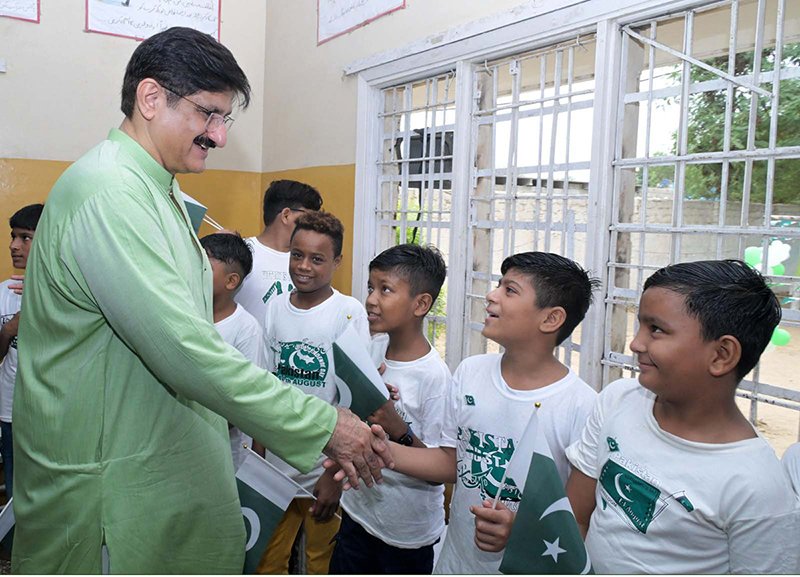
Sindh CM Visits Rehabilitation Center, Engages With Recovering Child

KARACHI — Sindh Chief Minister Syed Murad Ali Shah visited the Aas Foundation in Haji Sukhio Goth on Independence Day, where he interacted with a child undergoing rehabilitation from drug addiction. This visit underscores the provincial government’s commitment to addressing drug abuse issues among youth. What Happened On the occasion of Pakistan’s 79th Independence Day, Chief Minister Syed Murad Ali Shah, accompanied by Governor Sindh Syed Muhammad Nihal Hashmi and members of the provincial cabinet, visited the Aas Foundation, a rehabilitation center for drug addicts. During his visit, Shah engaged with a young child who is currently in the process of recovering from drug addiction. The interaction was part of a broader initiative to raise awareness about the challenges faced by individuals struggling with substance abuse and the efforts being made to support their rehabilitation. The Chief Minister expressed his concern over the rising trend of drug addiction among youth and emphasized the need for comprehensive strategies to combat this issue. He stated, “The government is committed to providing all necessary support to rehabilitation centers like the Aas Foundation to ensure that individuals battling addiction receive the care and assistance they need to reintegrate into society.” Shah’s visit also included discussions with the staff and management of the Aas Foundation, where he was briefed on the center’s programs, success stories, and the challenges they face in their mission to rehabilitate drug addicts. The Chief Minister assured the foundation of the government’s continued support and encouraged them to expand their outreach to more affected individuals. Background Drug addiction has been a persistent issue in Pakistan, with a significant portion of the population, particularly youth, falling prey to substance abuse. The Sindh government has been actively working to address this issue through various initiatives, including the establishment of rehabilitation centers and awareness campaigns. The Aas Foundation is one such center that has been providing rehabilitation services to drug addicts, helping them recover and reintegrate into society. The government’s efforts are part of a larger national strategy to combat drug abuse, which includes collaboration with law enforcement agencies to curb the supply of illegal substances and partnerships with non-governmental organizations to provide support services to addicts and their families. Why It Matters The Chief Minister’s visit to the Aas Foundation highlights the ongoing efforts by the Sindh government to tackle the issue of drug addiction, which poses a significant threat to the social fabric of the province. Drug addiction not only affects the individuals involved but also has far-reaching consequences for families and communities, leading to increased crime rates, health issues, and economic burdens. By focusing on rehabilitation and support for recovering addicts, the government aims to reduce the stigma associated with drug addiction and promote a more inclusive approach to addressing the problem. This approach is crucial for encouraging more individuals to seek help and for ensuring that they receive the necessary support to overcome their addiction. Furthermore, the visit serves as a reminder of the importance of community involvement in addressing social issues. By engaging with rehabilitation centers and supporting their efforts, the government is fostering a collaborative environment where various stakeholders can work together to combat drug addiction effectively. Key Takeaways Sindh Chief Minister Syed Murad Ali Shah visited the Aas Foundation on Independence Day. Shah interacted with a child undergoing rehabilitation from drug addiction. The visit underscores the government’s commitment to addressing drug abuse issues. Efforts include support for rehabilitation centers and awareness campaigns. Community involvement is crucial in combating the social issue of drug addiction. Source Attribution This article is based on official government statements, press releases, and public communications from relevant authorities. Author: NEN Editorial Desk | Editor: NEN Newsroom | Fact Checked By: NEN Editorial Team Author: NEN Editorial Desk  |  Editor: NEN Newsroom  |  Last Updated: August 14, 2026  |  Source: Press Release from Government of Pakistan This article was produced by the NEN Editorial Desk in accordance with NEN Agency’s Editorial Policy and Fact-Checking Policy.
Islamabad Celebrates Independence Day with Vibrant Cultural Parade
Pakistan

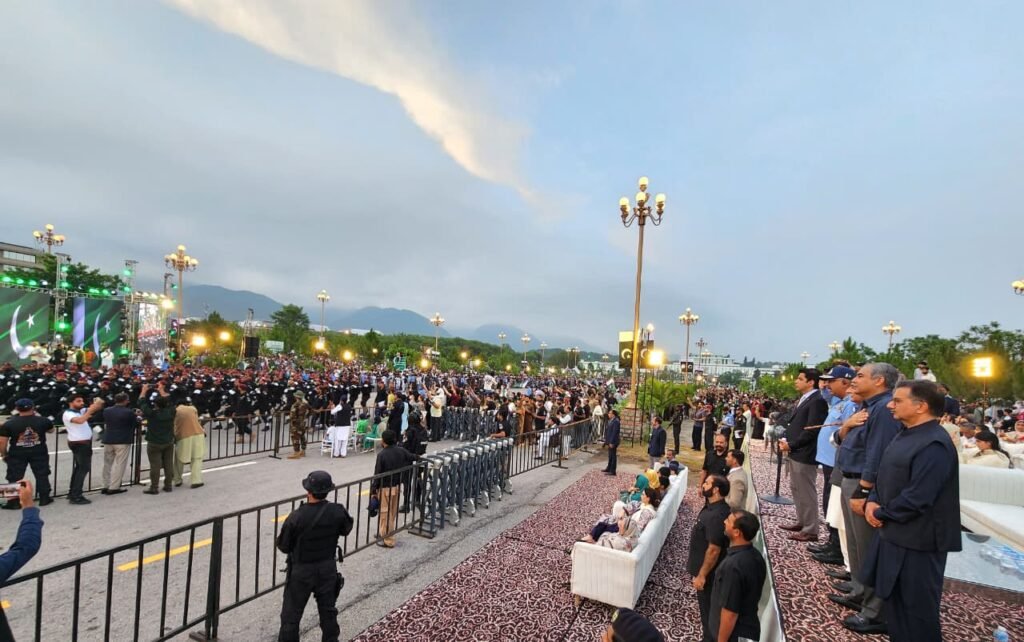
Islamabad Celebrates Independence Day with Vibrant Cultural Parade

ISLAMABAD — The federal capital marked Independence Day with a vibrant City Parade at D-Chowk on Friday evening, showcasing a colorful display of national culture, music, and public festivities. This event comes 12 years after the last such parade was held in Islamabad, drawing large crowds eager to celebrate the nation’s heritage and unity. What Happened The City Parade, held at the iconic D-Chowk, featured a variety of performances and displays that highlighted Pakistan’s rich cultural diversity. Participants from different provinces showcased traditional dances, music, and costumes, creating a festive atmosphere that resonated with the spirit of Independence Day. The parade included floats representing various cultural themes, each adorned with intricate designs and vibrant colors. Officials from the federal government and local administration attended the event, emphasizing the importance of unity and national pride. The parade also featured performances by local artists and musicians, who played patriotic songs that stirred emotions among the attendees. The event was a significant draw for families, with many bringing children to witness the celebrations and learn about Pakistan’s cultural heritage. Security measures were heightened to ensure the safety of participants and spectators, with law enforcement agencies coordinating efforts to manage the large crowds. The event concluded with a spectacular fireworks display, illuminating the night sky over Islamabad and symbolizing the nation’s aspirations for peace and prosperity. Background Independence Day in Pakistan is celebrated annually on August 14, commemorating the country’s independence from British rule in 1947. Traditionally, the day is marked by ceremonies, parades, and cultural events across the nation. However, large-scale parades in Islamabad have been rare in recent years due to various logistical and security challenges. The last major parade in Islamabad was held 12 years ago, making this year’s event particularly significant. The decision to revive the parade reflects a renewed focus on promoting national unity and cultural appreciation. The federal government has been keen to use such events to foster a sense of pride and belonging among citizens, especially in the context of ongoing social and political challenges. Why It Matters The revival of the City Parade in Islamabad is significant for several reasons. Economically, such events can boost local businesses, as vendors and artisans benefit from the increased foot traffic and interest in cultural products. Socially, the parade serves as a platform for promoting cultural understanding and unity among Pakistan’s diverse population. By showcasing the traditions and customs of different regions, the event fosters a sense of national identity that transcends ethnic and linguistic differences. Politically, the parade underscores the government’s commitment to preserving and promoting cultural heritage. In a time of political uncertainty and economic challenges, public displays of unity and cultural pride can enhance national morale and cohesion. Internationally, the event projects a positive image of Pakistan as a nation that values its cultural diversity and is committed to peace and progress. The parade also has implications for tourism, as such vibrant cultural displays can attract international visitors and promote Pakistan as a destination rich in history and tradition. By investing in cultural events, the government hopes to strengthen Pakistan’s reputation on the global stage and encourage cultural exchange. Key Takeaways Islamabad hosted a City Parade at D-Chowk to celebrate Independence Day, the first in 12 years. The event featured cultural performances, traditional dances, and a fireworks display. The parade highlighted Pakistan’s cultural diversity and aimed to promote national unity. Security was heightened to ensure the safety of the large crowds attending the event. The parade has economic, social, and political significance, boosting local businesses and fostering national pride. Source Attribution This article is based on official government statements, press releases, and public communications from relevant authorities. Author: NEN Editorial Desk | Editor: NEN Newsroom | Fact Checked By: NEN Editorial Team Author: NEN Editorial Desk  |  Editor: NEN Newsroom  |  Last Updated: August 14, 2026  |  Source: NEN Reporter This article was produced by the NEN Editorial Desk in accordance with NEN Agency’s Editorial Policy and Fact-Checking Policy.

Bari Imam Shrine’s Second Extension Phase to Commence Soon, Says Deputy PM
World

Bari Imam Shrine’s Second Extension Phase to Commence Soon, Says Deputy PM

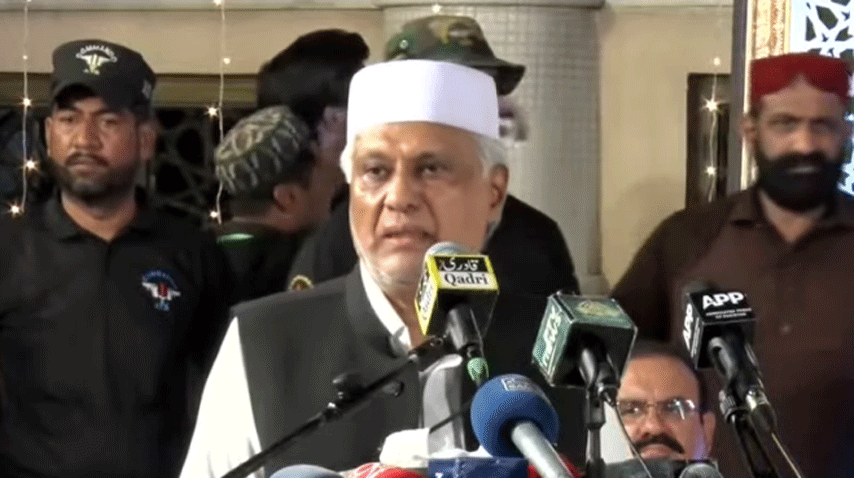
ISLAMABAD — Deputy Prime Minister and Foreign Minister Muhammad Ishaq Dar announced on Friday that the second phase of the Bari Imam shrine extension will commence shortly, with ongoing work on the third phase of the Data Darbar project. The announcement was made during the inaugural ceremony of the three-day annual Urs of Hazrat Shah Abdul Latif Kazmi, known as Bari Imam. What Happened Deputy Prime Minister Muhammad Ishaq Dar revealed plans for the second phase of the Bari Imam shrine’s extension during a ceremony marking the annual Urs of Hazrat Bari Imam. The event, held in Islamabad, was attended by federal ministers and members of Parliament. Dar highlighted that the first phase of the shrine’s extension was completed under a previous government led by the Pakistan Muslim League (Nawaz) (PML-N), and the current administration remains committed to furthering this expansion. Dar’s visit to the shrine included laying a chadar and wreath, along with offering prayers for the nation’s security, progress, and prosperity. The Urs, a significant religious event, is being held for the first time in 16 years, thanks to the efforts of the PML-N leadership, particularly former Prime Minister Nawaz Sharif. The Urs is scheduled to take place from August 15 to 17, drawing devotees from across the country. In his address, Dar emphasized the historical role of Ulema and Sufis in spreading Islam in the region, which eventually contributed to the creation of Pakistan under the leadership of Quaid-e-Azam Muhammad Ali Jinnah and other founding figures. He also remarked on Pakistan’s special connection with Madina, underscoring the country’s enduring existence as a ‘land of the pure.’ Background The Bari Imam shrine, located in Islamabad, is a revered site dedicated to Hazrat Shah Abdul Latif Kazmi, a prominent Sufi saint. The shrine has been a focal point for spiritual gatherings and religious events. The first phase of its extension was completed under the PML-N government, reflecting the party’s commitment to preserving and enhancing the country’s spiritual heritage. The Data Darbar in Lahore, another significant Sufi shrine, is currently undergoing its third phase of development. Both projects highlight the government’s focus on maintaining and expanding religious sites that hold cultural and historical significance for Pakistan’s Muslim majority. Why It Matters The expansion of the Bari Imam shrine is significant for several reasons. Firstly, it underscores the government’s dedication to preserving and promoting Pakistan’s rich Sufi heritage, which plays a crucial role in the country’s cultural and religious identity. The shrine attracts thousands of pilgrims annually, contributing to religious tourism and local economic activity. Moreover, the government’s involvement in such projects reflects an effort to strengthen ties with religious communities and promote national unity through shared cultural and spiritual values. The revival of the Urs after a 16-year hiatus is particularly noteworthy, as it signifies a renewed commitment to religious traditions that have shaped the nation’s history. On a broader scale, these developments can enhance Pakistan’s image as a country that values its spiritual and cultural heritage, potentially attracting international visitors and fostering a deeper understanding of the nation’s historical context. The government’s focus on religious sites also aligns with efforts to promote peace and tolerance, countering narratives of extremism that have affected the region. Key Takeaways The second phase of the Bari Imam shrine extension is set to begin soon, as announced by Deputy Prime Minister Muhammad Ishaq Dar. The Urs of Hazrat Bari Imam, held after 16 years, will take place from August 15 to 17. The government is committed to preserving and expanding Pakistan’s Sufi heritage through projects like the Bari Imam and Data Darbar shrine extensions. The initiatives aim to boost religious tourism and promote national unity through shared cultural and spiritual values. These developments contribute to enhancing Pakistan’s image as a country that values its spiritual and cultural heritage. Source Attribution This article is based on official government statements, press releases, and public communications from relevant authorities. Author: NEN Editorial Desk | Editor: NEN Newsroom | Fact Checked By: NEN Editorial Team Author: NEN Editorial Desk  |  Editor: NEN Newsroom  |  Last Updated: August 14, 2026  |  Source: Press Release from Government of Pakistan This article was produced by the NEN Editorial Desk in accordance with NEN Agency’s Editorial Policy and Fact-Checking Policy.

Scroll to Top