
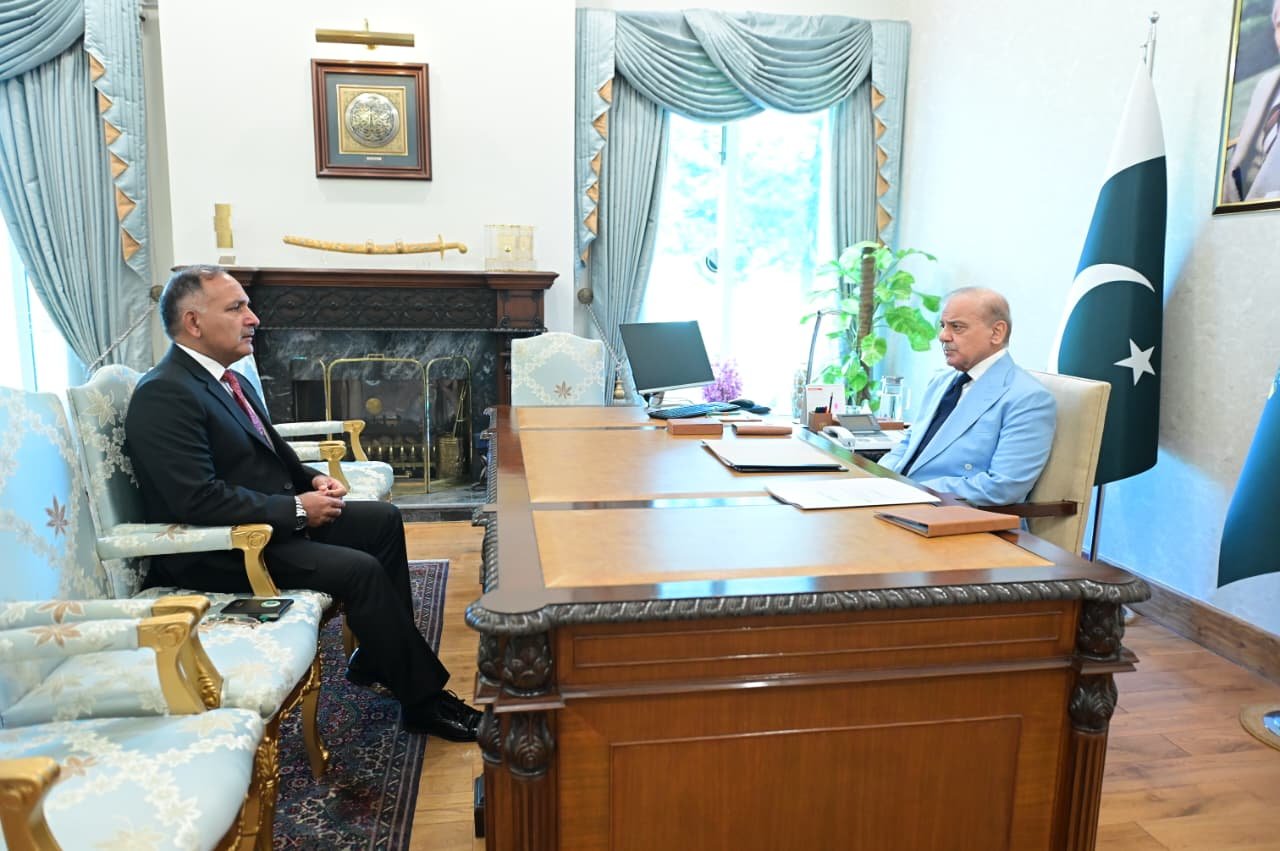
ISLAMABAD — Prime Minister Shehbaz Sharif has directed the National Disaster Management Authority (NDMA) to maximize relief efforts for flood-affected individuals across Pakistan. The directive came during a meeting held on Saturday with NDMA Chairman Lieutenant General Inam Haider Malik, who provided a briefing on the current situation.
What Happened
During the meeting in Islamabad, Prime Minister Shehbaz Sharif emphasized the urgency of deploying all available resources to assist those impacted by the ongoing floods. The Prime Minister instructed the NDMA to coordinate closely with provincial disaster management authorities and other relevant agencies to ensure that aid reaches those in need swiftly and effectively.
Lieutenant General Inam Haider Malik briefed the Prime Minister on the current flood situation, detailing the extent of the damage and the ongoing relief operations. He highlighted the challenges faced in accessing certain remote areas and the need for additional resources to overcome these obstacles. The NDMA has been tasked with prioritizing the distribution of food, clean water, and medical supplies to the affected regions.
Prime Minister Sharif reiterated the government’s commitment to supporting flood victims and stressed the importance of transparency and accountability in the relief efforts. He urged all stakeholders to work collaboratively to mitigate the impact of the floods and to ensure that relief efforts are not hampered by bureaucratic delays.
Background
Pakistan has been experiencing severe monsoon rains, leading to widespread flooding in various parts of the country. The floods have resulted in significant loss of life, displacement of communities, and destruction of infrastructure. The NDMA, established under the National Disaster Management Act of 2010, is responsible for coordinating disaster response efforts at the national level.
Historically, Pakistan has faced challenges in managing natural disasters due to its diverse geography and the intensity of monsoon seasons. Previous flood events, such as those in 2010 and 2022, have underscored the need for effective disaster management strategies and robust infrastructure to withstand such calamities.
Why It Matters
The Prime Minister’s directive is crucial in ensuring that relief efforts are intensified and reach the most vulnerable populations swiftly. Floods have a profound impact on Pakistan’s economy, particularly in rural areas where agriculture is a primary livelihood. The destruction of crops and infrastructure not only affects immediate food security but also has long-term economic consequences.
Socially, the floods exacerbate existing vulnerabilities, particularly among women, children, and the elderly, who are often the hardest hit during such disasters. Ensuring that relief efforts are inclusive and address the specific needs of these groups is essential for effective recovery.
Politically, the government’s response to the floods is a test of its ability to manage crises and deliver on its promises of support and relief. Effective disaster management can enhance public trust and demonstrate the government’s commitment to the welfare of its citizens.
Internationally, Pakistan’s handling of the flood crisis can influence its relationships with donor countries and international organizations. Efficient and transparent relief efforts can attract additional support and resources from the global community, aiding in recovery and rebuilding efforts.
Key Takeaways
- Prime Minister Shehbaz Sharif has directed the NDMA to enhance relief efforts for flood-affected areas.
- The NDMA is coordinating with provincial authorities to ensure effective distribution of aid.
- Floods have caused significant damage, impacting lives, infrastructure, and the economy.
- The government’s response is critical for maintaining public trust and securing international support.
- Relief efforts must prioritize vulnerable populations, including women, children, and the elderly.
Source Attribution
This article is based on official government statements, press releases, and public communications from relevant authorities.














