
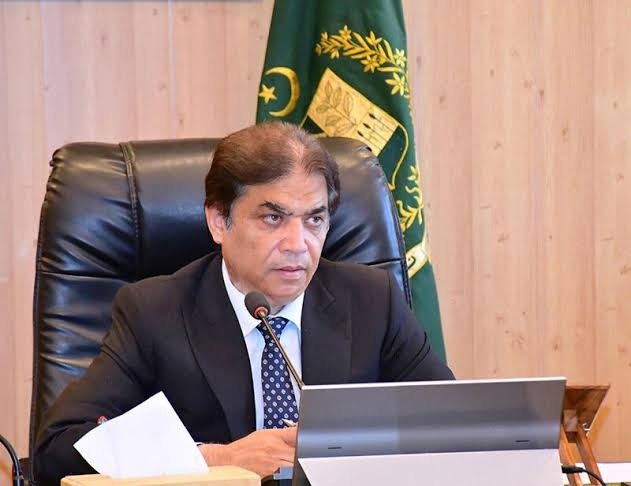
LAHORE — Minister for Railways Muhammad Hanif Abbasi emphasized on Saturday that the Main Line-1 (ML-1) project serves as the cornerstone for the modernization and development of Pakistan Railways. He expressed satisfaction with the progress made on this flagship initiative, which is expected to significantly enhance the railway infrastructure in the country.
What Happened
Minister Muhammad Hanif Abbasi, in a statement issued on August 15, highlighted the importance of the ML-1 project for Pakistan Railways’ future. He noted that the upgradation of this critical railway line would lead to increased train speeds, improved passenger facilities, and a more robust railway network. The minister’s comments came as part of an ongoing assessment of the project’s progress, which is being closely monitored by the government.
The ML-1 project is a major component of the China-Pakistan Economic Corridor (CPEC) and involves the complete overhaul of the existing railway line from Karachi to Peshawar. This comprehensive upgrade aims to increase the speed of passenger trains up to 160 kilometers per hour and significantly reduce travel time across the country. The project also includes the installation of a modern signaling system and the construction of new stations to enhance the overall passenger experience.
According to the minister, the project is progressing according to schedule, with several key milestones already achieved. The government is committed to ensuring that the ML-1 project is completed within the stipulated timeframe, as it is expected to play a crucial role in boosting Pakistan’s economy by improving connectivity and facilitating trade.
Background
The ML-1 project is part of a broader strategy to revitalize Pakistan’s railway system, which has suffered from decades of underinvestment and neglect. Historically, the railway network has been a vital component of the country’s transportation infrastructure, but it has faced numerous challenges, including outdated technology, inadequate maintenance, and financial constraints.
In recent years, the government has prioritized the modernization of the railway system as part of its national development agenda. The ML-1 project, in particular, is seen as a transformative initiative that will not only improve transportation efficiency but also create thousands of jobs and stimulate economic growth. The project is being implemented in collaboration with China under the CPEC framework, which has brought significant investment and technical expertise to Pakistan’s infrastructure projects.
Why It Matters
The successful implementation of the ML-1 project is expected to have far-reaching implications for Pakistan’s economy and society. By reducing travel times and increasing train speeds, the project will make rail travel a more attractive option for both passengers and freight transport. This could lead to a shift from road to rail transport, alleviating pressure on the country’s road infrastructure and reducing traffic congestion and pollution.
Economically, the project is anticipated to enhance trade efficiency by providing a faster and more reliable means of transporting goods across the country. This could boost Pakistan’s trade competitiveness and attract further investment in the logistics and transport sectors. Additionally, the project is expected to generate significant employment opportunities during its construction phase and beyond, contributing to job creation and economic development.
On a social level, the modernization of Pakistan Railways through the ML-1 project could improve accessibility and mobility for millions of citizens, particularly those in remote and underserved areas. Enhanced railway services could facilitate greater social and economic integration, contributing to regional development and cohesion.
Key Takeaways
- The ML-1 project is a key component of Pakistan Railways’ modernization efforts.
- Minister for Railways Muhammad Hanif Abbasi expressed satisfaction with the project’s progress.
- The project aims to increase train speeds and improve passenger facilities.
- It is part of the China-Pakistan Economic Corridor (CPEC) initiative.
- The project is expected to have significant economic and social impacts.
Source Attribution
This article is based on official government statements, press releases, and public communications from relevant authorities.














