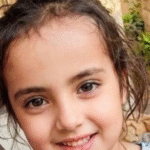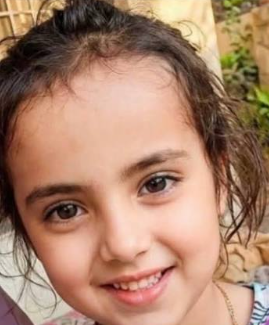
ISLAMABAD — The investigation team probing the case of four-year-old Ayat Noor from Haripur is expected to submit its report within 15 days, as per discussions held with the Deputy Inspector General (DIG) of Hazara. Members of the National Assembly Standing Committee on Human Rights recently convened to address the family’s concerns and assess the progress of the investigation.
What Happened
The tragic case of Ayat Noor, a four-year-old girl from Haripur, has garnered significant attention from both the public and lawmakers. The National Assembly Standing Committee on Human Rights met with DIG Hazara to discuss the ongoing investigation. The meeting aimed to ensure that the investigation proceeds efficiently and addresses the family’s concerns.
During the meeting, the committee emphasized the need for a thorough and timely investigation. The DIG assured the committee members that the investigation team is working diligently to uncover the facts surrounding Ayat Noor’s case. The team is expected to submit a comprehensive report within the next 15 days, which will detail the findings and any actions taken.
Representatives from the Human Rights Committee expressed their commitment to monitoring the case closely. They reiterated their support for the family and stressed the importance of justice being served swiftly. The committee’s involvement underscores the significance of the case and the need for transparency in the investigation process.
Background
The case of Ayat Noor has been a focal point of concern in the region. Ayat Noor, a young girl from Haripur, was reported missing under suspicious circumstances. Her disappearance prompted widespread concern and led to calls for a comprehensive investigation.
The local authorities, under the direction of the DIG Hazara, initiated an investigation to determine the circumstances surrounding her disappearance. The involvement of the National Assembly Standing Committee on Human Rights highlights the case’s importance and the need for a thorough and transparent investigation.
Historically, cases involving minors have prompted national attention, leading to policy discussions and, in some instances, legislative changes aimed at improving child protection measures in Pakistan.
Why It Matters
The case of Ayat Noor is not just a local issue; it resonates with the broader national discourse on child safety and human rights in Pakistan. The involvement of the National Assembly Standing Committee on Human Rights signifies the gravity of the situation and the need for systemic improvements in handling such cases.
Economically, unresolved cases can lead to increased public expenditure on prolonged investigations and legal proceedings. Socially, they can erode public trust in law enforcement agencies and the judicial system, highlighting the need for reforms and accountability.
Politically, the case has the potential to influence policy changes, particularly in the realm of child protection laws and the efficiency of law enforcement agencies. The National Assembly’s active role indicates a push towards ensuring that such incidents are handled with the utmost seriousness and urgency.
Internationally, Pakistan’s handling of human rights cases, especially those involving children, is closely watched by global human rights organizations. The outcome of this case could impact Pakistan’s international standing and its commitments to child protection under various international treaties.
Key Takeaways
- The investigation team is expected to submit a report on the Ayat Noor case within 15 days.
- The National Assembly Standing Committee on Human Rights is actively monitoring the case.
- The case highlights the need for improvements in child protection measures in Pakistan.
- There are potential economic, social, and political implications associated with the case.
- International attention on Pakistan’s human rights practices could be influenced by the case outcome.
Source Attribution
This article is based on official government statements, press releases, and public communications from relevant authorities.