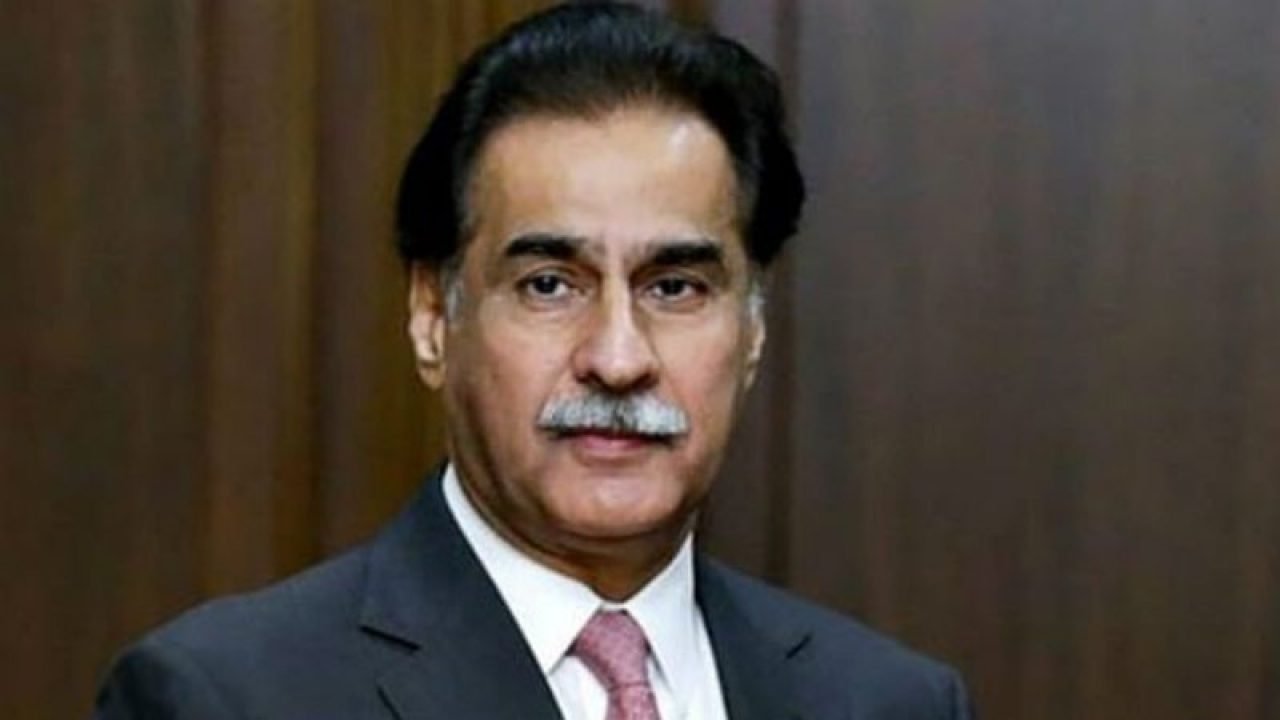
ISLAMABAD — Speaker of the National Assembly, Sardar Ayaz Sadiq, has called for the strengthening of parliamentary ties with Uganda and Bangladesh. This initiative was discussed during separate meetings with the Speaker of the Parliament of Uganda, Jacob Marksons Oboth, and the Deputy Speaker of the House of the Nation of Bangladesh, Barrister Kayser Kamal, on the sidelines of the 69th Commonwealth Parliamentary Conference held in Cape Town, South Africa.
What Happened
During the meetings, Ayaz Sadiq emphasized the importance of enhancing cooperation and collaboration between the parliaments of Pakistan, Uganda, and Bangladesh. The discussions focused on exploring avenues for mutual support and exchange of best practices in legislative processes. Sadiq highlighted the potential benefits of such cooperation, not only in strengthening democratic institutions but also in addressing common challenges faced by the respective countries.
In his meeting with Jacob Marksons Oboth, Sadiq underscored the historical ties between Pakistan and Uganda, expressing a desire to build upon this foundation to foster greater parliamentary engagement. Oboth reciprocated the sentiment, acknowledging the role that parliamentary diplomacy can play in enhancing bilateral relations.
Similarly, in his dialogue with Barrister Kayser Kamal, Sadiq reiterated Pakistan’s commitment to strengthening ties with Bangladesh. He noted that both countries share a rich history and cultural connections that can be leveraged to enhance parliamentary cooperation. Kamal expressed Bangladesh’s willingness to engage in initiatives that would benefit both nations, particularly in areas such as trade, education, and technology transfer.
Background
The Commonwealth Parliamentary Conference, where these meetings took place, serves as a platform for parliamentarians from member countries to engage in dialogue and share experiences. It aims to promote democratic governance and strengthen parliamentary institutions across the Commonwealth. Pakistan has been an active participant in these conferences, using them as opportunities to forge and reinforce international parliamentary relationships.
Historically, Pakistan has maintained diplomatic and parliamentary relations with both Uganda and Bangladesh. The ties with Uganda have been characterized by mutual support in international forums and collaboration in sectors such as health and education. With Bangladesh, Pakistan shares a complex history, yet both countries have shown a willingness to move forward with constructive dialogue and cooperation.
Why It Matters
Strengthening parliamentary ties with Uganda and Bangladesh holds significant implications for Pakistan’s foreign policy and international standing. By fostering closer relations with these countries, Pakistan can enhance its diplomatic influence and promote regional stability. This initiative aligns with Pakistan’s broader strategy of engaging with African and South Asian nations to expand its geopolitical reach and economic partnerships.
For Pakistan, enhanced parliamentary cooperation can lead to increased trade opportunities, particularly in sectors where Uganda and Bangladesh have shown growth, such as agriculture and textiles. Moreover, by sharing legislative experiences, Pakistan can benefit from innovative policy solutions that have been successful in these countries.
On a social level, fostering such ties can lead to cultural exchanges and educational collaborations, enriching the people-to-people connections between these nations. This can also contribute to a more positive international image for Pakistan, showcasing its commitment to democratic values and international cooperation.
Key Takeaways
- Ayaz Sadiq met with Ugandan and Bangladeshi parliamentary leaders to discuss enhanced cooperation.
- The meetings took place during the 69th Commonwealth Parliamentary Conference in Cape Town.
- Strengthening ties with Uganda and Bangladesh can benefit Pakistan economically and diplomatically.
- Parliamentary collaboration can lead to shared legislative best practices and policy innovations.
- Enhanced relations can improve Pakistan’s international image and promote regional stability.
Source Attribution
This article is based on official government statements, press releases, and public communications from relevant authorities.