
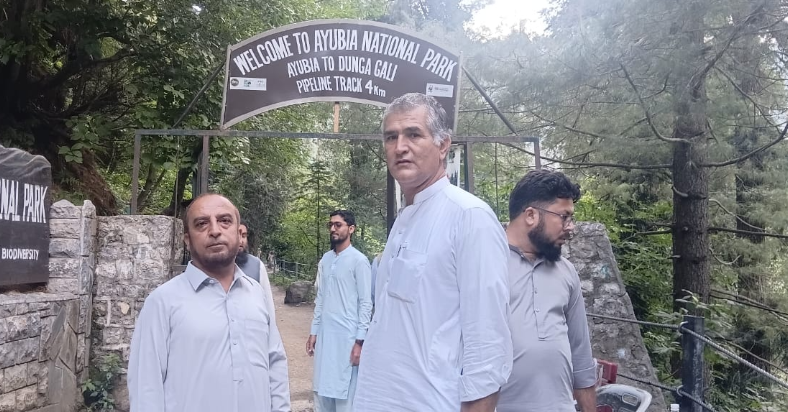
PESHAWAR — Ayubia National Park, spanning 3,312 hectares in the Abbottabad District, has become a significant center for eco-tourism and conservation efforts in Pakistan. The park attracts hundreds of thousands of tourists, students, trekkers, and nature enthusiasts annually, particularly to its renowned scenic Pipeline track.
What Happened
Ayubia National Park, a protected area in the Khyber Pakhtunkhwa province, has gained prominence as a hub for promoting eco-tourism while advancing forest and wildlife conservation. The park’s diverse ecosystem, featuring dense forests and a variety of wildlife, serves as a natural classroom for visitors and researchers alike. The Pipeline track, a popular trail in the park, offers breathtaking views and an immersive experience in nature, drawing significant footfall each year.
The park management has implemented several initiatives to enhance the eco-tourism experience while ensuring the conservation of its natural resources. These initiatives include guided tours, educational programs, and conservation workshops aimed at raising awareness about environmental protection. The park’s administration collaborates with local communities to promote sustainable tourism practices that benefit both the environment and the local economy.
According to park officials, the influx of visitors has significantly contributed to the local economy, providing employment opportunities and supporting small businesses in the area. The park’s success in balancing tourism with conservation efforts has made it a model for similar initiatives across the country.
Background
Established in 1984, Ayubia National Park was created to protect the region’s unique biodiversity and to promote environmental education. The park is part of the Western Himalayan ecoregion and is home to a variety of flora and fauna, including several endangered species. Over the years, the park has played a crucial role in conserving the region’s natural heritage while providing a platform for eco-tourism and environmental education.
The park’s management has faced challenges in balancing the needs of tourism with conservation. However, through strategic planning and community involvement, Ayubia National Park has successfully navigated these challenges, setting a precedent for sustainable tourism in Pakistan.
Why It Matters
The rise of Ayubia National Park as a center for eco-tourism and conservation is significant for several reasons. Economically, the park’s success has provided a boost to the local economy, creating jobs and supporting businesses. The influx of tourists has increased demand for local products and services, benefiting the surrounding communities.
Socially, the park serves as an educational resource, raising awareness about environmental conservation among visitors. The educational programs and workshops conducted at the park have helped foster a culture of environmental stewardship among the local population and tourists alike.
Environmentally, the park’s conservation efforts have helped preserve the region’s biodiversity, protecting endangered species and maintaining the ecological balance. The park’s initiatives serve as a model for other conservation projects in the country, demonstrating the potential for eco-tourism to coexist with environmental protection.
On a broader scale, the success of Ayubia National Park highlights the potential for eco-tourism to contribute to sustainable development in Pakistan. By promoting responsible tourism practices, the park sets an example for other regions seeking to balance economic growth with environmental conservation.
Key Takeaways
- Ayubia National Park covers 3,312 hectares and is a hub for eco-tourism and conservation.
- The park attracts hundreds of thousands of visitors annually, boosting the local economy.
- Conservation initiatives include guided tours, educational programs, and community collaboration.
- The park’s success serves as a model for sustainable tourism and environmental protection in Pakistan.
- Ayubia National Park plays a crucial role in preserving biodiversity and promoting environmental education.
Source Attribution
This article is based on official government statements, press releases, and public communications from relevant authorities.














