
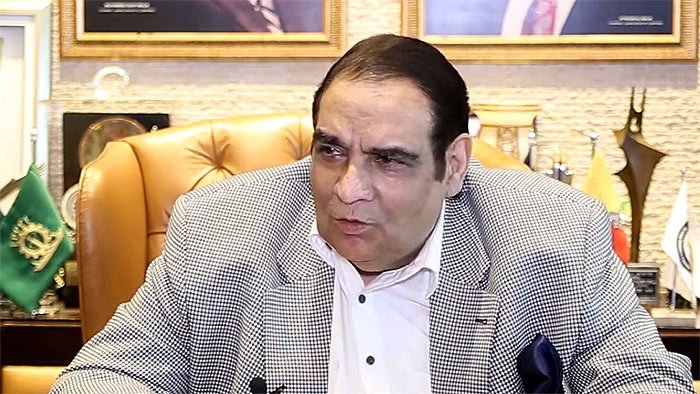
ISLAMABAD — Former President of the South Asian Association for Regional Cooperation (SAARC) Chamber of Commerce and Industry, Iftikhar Ali Malik, emphasized on Sunday the importance of leveraging Balochistan’s renewable energy resources to address Pakistan’s energy challenges and promote sustainable industrial growth.
What Happened
During a recent statement, Iftikhar Ali Malik highlighted the untapped potential of Balochistan’s solar and wind resources as a solution to Pakistan’s ongoing energy crisis. He urged the government and private sector to invest in renewable energy projects in the province, which could lead to the production of affordable electricity and support the country’s industrial sector.
Malik stated, “Balochistan is endowed with vast solar and wind energy resources that remain largely untapped. Harnessing these resources can provide a sustainable solution to our energy problems and drive industrial growth.” He further noted that the development of renewable energy infrastructure in Balochistan could significantly reduce the cost of electricity, making it more accessible for industries and households alike.
The call to action comes amid persistent energy shortages in Pakistan, which have hampered industrial productivity and economic growth. By focusing on renewable energy, Malik believes Pakistan can not only meet its current energy demands but also pave the way for future industrial expansion.
Background
Pakistan has long struggled with energy shortages, which have been a significant barrier to economic development. The country’s energy sector relies heavily on imported fossil fuels, leading to high electricity costs and frequent power outages. In recent years, there has been a growing recognition of the need to diversify energy sources and invest in renewable energy to ensure a stable and sustainable energy supply.
Balochistan, the largest province in Pakistan by area, is rich in natural resources, including solar and wind energy potential. The province’s geographic location and climate conditions make it an ideal site for renewable energy projects. Despite this, the development of renewable energy infrastructure in Balochistan has been slow, with limited investment from both the public and private sectors.
Why It Matters
The development of renewable energy resources in Balochistan is crucial for Pakistan’s economic and environmental future. By reducing reliance on imported fossil fuels, Pakistan can achieve greater energy security and reduce its carbon footprint. This shift towards renewable energy aligns with global trends and commitments to combat climate change.
Economically, harnessing Balochistan’s renewable energy potential could lead to job creation and stimulate local economies. The establishment of solar and wind farms would require skilled labor for construction, operation, and maintenance, providing employment opportunities for the local population.
Politically, the successful development of renewable energy projects in Balochistan could enhance the province’s integration into the national economy, addressing longstanding grievances related to economic marginalization. This could contribute to greater political stability and social cohesion within the region.
On an international level, Pakistan’s commitment to renewable energy development could improve its standing in global environmental forums and attract foreign investment in the energy sector. By positioning itself as a leader in renewable energy in South Asia, Pakistan can strengthen its regional influence and economic partnerships.
Key Takeaways
- Iftikhar Ali Malik urges investment in Balochistan’s solar and wind resources to address energy challenges.
- Renewable energy development in Balochistan could lead to affordable electricity and industrial growth.
- Pakistan’s energy sector currently relies heavily on imported fossil fuels, leading to high costs and shortages.
- Investing in renewable energy aligns with global climate commitments and can enhance Pakistan’s energy security.
- Renewable projects in Balochistan could create jobs, stimulate local economies, and improve political stability.
Source Attribution
This article is based on official statements, press releases, and public communications from relevant authorities.














