
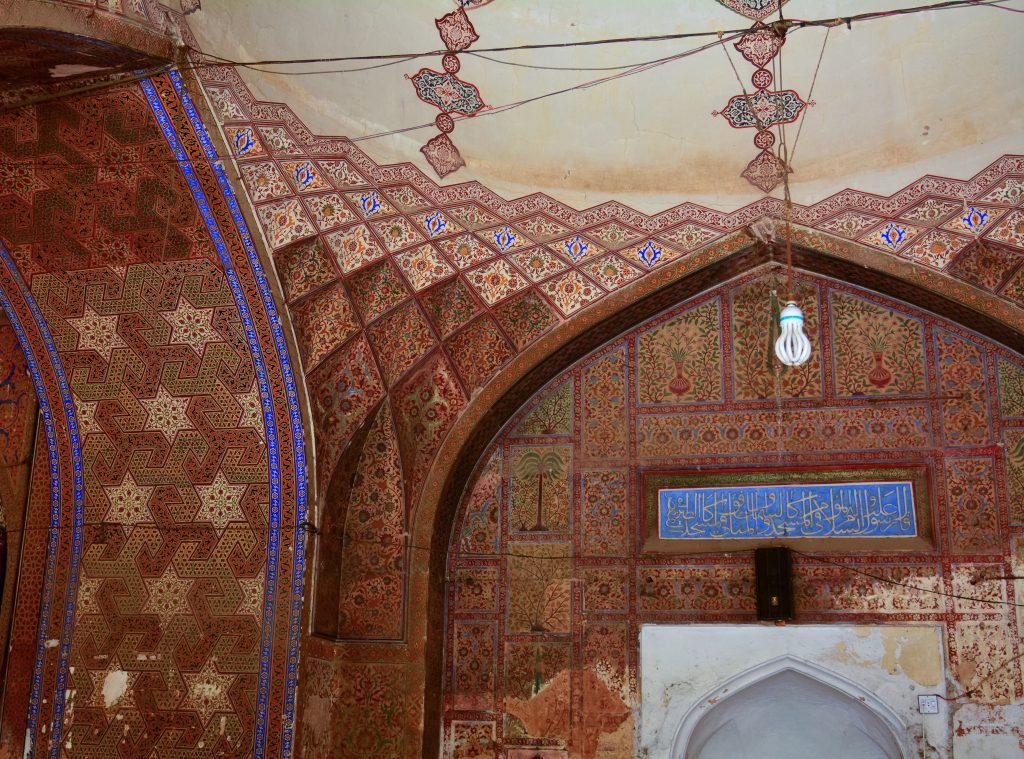
LAHORE — The historic Begum Shahi Mosque, a prominent Mughal-era monument in Lahore, is currently facing significant structural threats due to ongoing water seepage and illegal encroachments, according to officials on Thursday. Despite ongoing conservation efforts, these issues continue to pose serious risks to the integrity of the mosque.
What Happened
The Begum Shahi Mosque, constructed during the reign of Mughal Emperor Jahangir in the early 17th century, is experiencing severe structural challenges. Officials have reported that persistent water seepage is damaging the mosque’s foundations, while illegal encroachments are further exacerbating the situation. The mosque, often referred to as the ‘Mother of All Mosques’ due to its historical significance, is a vital part of Lahore’s architectural heritage.
Conservation efforts have been underway for several years, aiming to preserve the mosque’s intricate frescoes and structural integrity. However, the continuous seepage has led to damp conditions that threaten the mosque’s walls and ceilings. An official from the Punjab Archaeology Department stated, “The seepage issue is critical and needs immediate attention to prevent irreversible damage.”
In addition to the water-related issues, the mosque is surrounded by illegal encroachments that hinder conservation efforts. These encroachments not only obstruct access to the site for maintenance work but also contribute to the deterioration of the mosque’s surroundings. Local authorities have been urged to take swift action to remove these encroachments and facilitate the preservation of the mosque.
Background
The Begum Shahi Mosque holds a significant place in Pakistan’s cultural and historical landscape. Built in 1614 by Empress Nur Jahan, the mosque is a testament to the architectural prowess of the Mughal era. It served as a model for later Mughal mosques, including the famous Badshahi Mosque. Over the centuries, the mosque has witnessed numerous restoration projects, yet it continues to face challenges due to urban development and lack of adequate maintenance.
In recent years, the Punjab government has initiated several conservation projects aimed at preserving the mosque’s unique architectural features. However, these efforts have often been hampered by administrative hurdles and insufficient funding. The mosque’s location in a densely populated area of Lahore further complicates conservation efforts, as urban encroachments continue to threaten its structural stability.
Why It Matters
The plight of the Begum Shahi Mosque underscores the broader challenges faced by heritage sites in Pakistan. As urbanization accelerates, many historic sites are at risk of being overshadowed by modern development. The mosque’s deterioration not only threatens a piece of Pakistan’s cultural heritage but also highlights the need for more robust policies to protect such sites.
Economically, heritage sites like the Begum Shahi Mosque have the potential to boost tourism, contributing to local economies. However, without proper preservation, these opportunities may be lost. The mosque’s current state of disrepair could deter tourists and historians, impacting the cultural tourism sector in Lahore.
Socially, the mosque serves as a place of worship and community gathering, making its preservation vital for maintaining cultural identity. The loss of such a site would be a significant blow to the community’s historical consciousness and identity.
Key Takeaways
- The Begum Shahi Mosque is facing structural threats due to water seepage and illegal encroachments.
- Conservation efforts are ongoing but are hindered by administrative challenges and urban encroachment.
- The mosque is a significant cultural and historical site, reflecting Mughal architectural heritage.
- Preservation of the mosque is crucial for cultural tourism and community identity in Lahore.
- There is an urgent need for effective policies to protect heritage sites amid urban development.
Source Attribution
This article is based on official government statements, press releases, and public communications from relevant authorities.














