
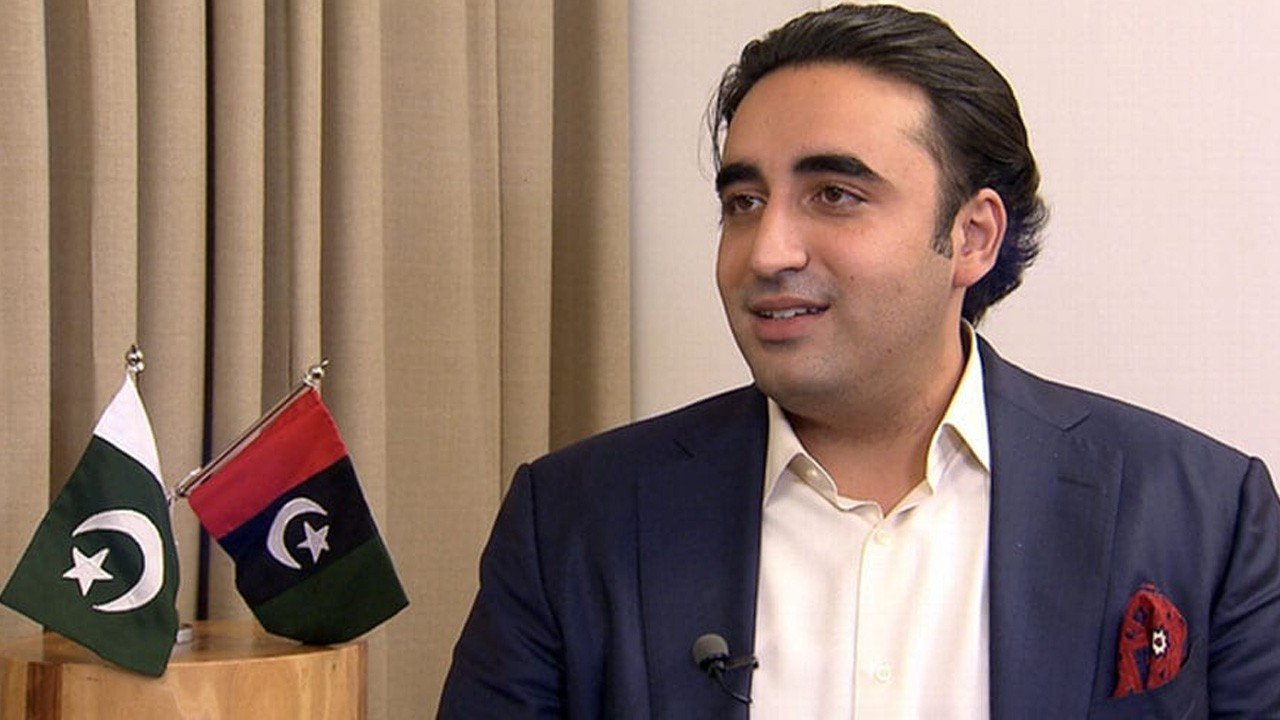
GILGIT — Chairman of the Pakistan Peoples Party (PPP), Bilawal Bhutto Zardari, emphasized the enduring legacy of Zulfikar Ali Bhutto in Gilgit-Baltistan (GB) during a recent address. Speaking at the oath-taking ceremony of the new Chief Minister of Gilgit-Baltistan, Amjad Hussain Advocate, Bilawal reflected on historical reforms and the region’s ongoing aspirations.
What Happened
On July 6, Bilawal Bhutto Zardari addressed the gathering in Gilgit, marking the appointment of Amjad Hussain Advocate as the Chief Minister of Gilgit-Baltistan. During his speech, Bilawal praised the late Prime Minister Zulfikar Ali Bhutto for his significant contributions to the region, particularly the abolition of the Frontier Crimes Regulations (FCR) and the introduction of subsidies. He noted that these initiatives have left a lasting impact on the people of Gilgit-Baltistan.
Bilawal highlighted the historical context of Gilgit-Baltistan’s struggle for independence from the Dogra regime and its subsequent integration into Pakistan. He remarked, “The people of this region defeated the Dogra rule to gain independence and joined Pakistan, and to this day, they are waiting to be a full part of it.” His comments underscore the region’s continued quest for political and constitutional recognition within Pakistan.
The ceremony was attended by various political leaders and dignitaries, signifying the importance of the event in the political landscape of Gilgit-Baltistan. Bilawal’s remarks were met with applause, reflecting the deep respect for his grandfather’s legacy in the region.
Background
Gilgit-Baltistan, a region of strategic importance due to its location and resources, has historically been governed under special administrative arrangements. The abolition of the FCR by Zulfikar Ali Bhutto in the 1970s was a pivotal moment, as it removed a colonial-era legal framework that restricted civil liberties and imposed harsh penalties. This reform was part of a broader effort to integrate the region more fully into Pakistan’s administrative and legal systems.
Subsequent governments have continued to grapple with the region’s status, with varying degrees of autonomy and representation in the national framework. The introduction of subsidies by Zulfikar Bhutto was aimed at improving the economic conditions of the region, which remains one of the less developed areas in Pakistan.
Why It Matters
Bilawal Bhutto Zardari’s speech serves as a reminder of the historical reforms that have shaped Gilgit-Baltistan’s current status. The abolition of the FCR and the introduction of subsidies were crucial steps in addressing the region’s socio-economic challenges and integrating it into the national fold.
Politically, the speech highlights the ongoing debate about Gilgit-Baltistan’s constitutional status. Despite being part of Pakistan for decades, the region lacks full provincial status, which affects its political representation and access to resources. Bilawal’s remarks resonate with the local population’s aspirations for greater autonomy and recognition.
Economically, the subsidies introduced by Zulfikar Bhutto have had a lasting impact on the region, helping to alleviate poverty and improve living standards. However, the region still faces significant challenges, including infrastructure development and access to basic services.
Internationally, Gilgit-Baltistan’s strategic location near the China-Pakistan Economic Corridor (CPEC) adds another layer of significance. The region’s stability and development are crucial for the success of CPEC, which is a key component of Pakistan’s economic strategy.
Key Takeaways
- Bilawal Bhutto Zardari highlighted Zulfikar Ali Bhutto’s legacy in Gilgit-Baltistan during the Chief Minister’s oath-taking ceremony.
- The abolition of the Frontier Crimes Regulations by Zulfikar Bhutto was a significant reform for the region.
- Subsidies introduced by Zulfikar Bhutto have had a lasting economic impact on Gilgit-Baltistan.
- The region continues to seek greater political and constitutional recognition within Pakistan.
- Gilgit-Baltistan’s strategic importance is underscored by its proximity to the China-Pakistan Economic Corridor.
Source Attribution
This article is based on official government statements, press releases, and public communications from relevant authorities.














