
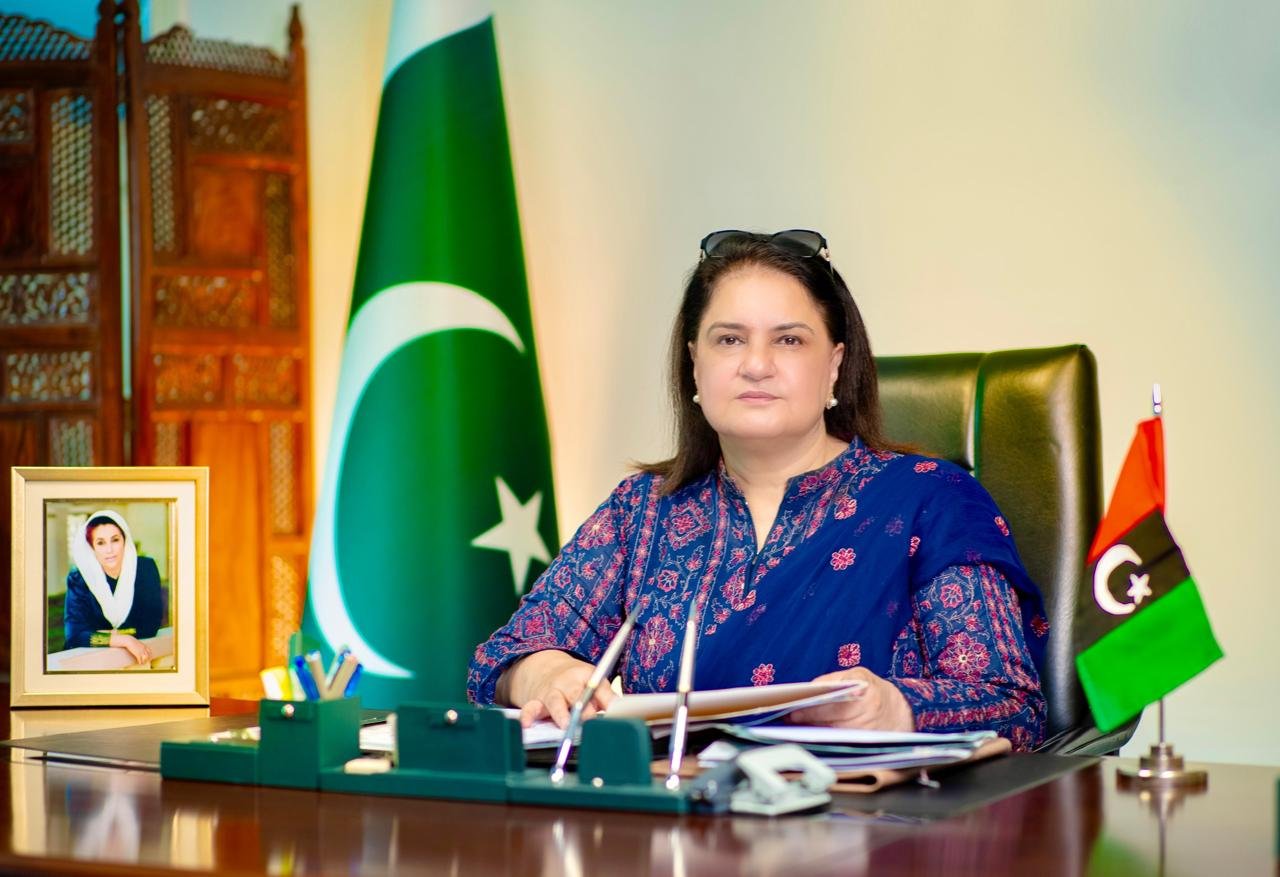
ISLAMABAD — Chairperson of the Benazir Income Support Programme (BISP), Senator Rubina Khalid, on Friday called for increased investment in women’s empowerment as a cornerstone for achieving sustainable development in Pakistan. She emphasized that providing equal opportunities to women could transform the nation’s burgeoning population into a valuable asset.
What Happened
During a recent address, Senator Rubina Khalid highlighted the critical role of women in the socio-economic development of Pakistan. She underscored the necessity of empowering women economically to foster sustainable development, strengthen family units, and build a prosperous society. “Empowering women is not just a moral imperative but an economic necessity,” she stated, urging stakeholders to prioritize gender equality in development agendas.
Senator Khalid pointed out that women constitute nearly half of Pakistan’s population, and their active participation in the workforce is essential for the country’s progress. She argued that by investing in women’s education, health, and entrepreneurship, Pakistan could significantly enhance its economic growth and social stability. “Equal opportunities for women can transform our growing population into a national asset,” she added.
The BISP, a social safety net initiative, has been at the forefront of providing financial assistance to women in need. Senator Khalid reiterated the program’s commitment to supporting women through various initiatives aimed at improving their economic status and overall well-being. She called on the government and private sector to collaborate in creating an environment conducive to women’s empowerment.
Background
The Benazir Income Support Programme was launched in 2008 as a response to the global financial crisis and rising food prices. It aims to provide financial assistance to low-income families, with a particular focus on empowering women. Over the years, BISP has expanded its reach and now serves millions of families across Pakistan. The program’s emphasis on women is rooted in the belief that empowering women leads to broader socio-economic benefits.
Historically, Pakistan has faced challenges in achieving gender equality, with cultural, social, and economic barriers hindering women’s progress. Despite these challenges, initiatives like BISP have made significant strides in addressing gender disparities and promoting women’s rights.
Why It Matters
The call for greater investment in women’s empowerment is crucial for Pakistan’s development trajectory. Economically empowering women can lead to a more equitable distribution of resources and opportunities, ultimately contributing to poverty reduction and economic growth. As women gain access to education and employment, they can contribute more effectively to the economy, leading to increased household incomes and improved living standards.
Socially, empowering women can lead to stronger family units and healthier communities. Women who are educated and financially independent are more likely to invest in their children’s education and health, creating a positive cycle of development. Politically, increased female participation can lead to more inclusive and representative governance, ensuring that women’s voices are heard in decision-making processes.
Internationally, Pakistan’s commitment to gender equality aligns with global development goals, such as the United Nations Sustainable Development Goals (SDGs), which emphasize gender equality as a critical component of sustainable development. By investing in women’s empowerment, Pakistan can improve its standing on the global stage and attract international support and investment.
Key Takeaways
- Senator Rubina Khalid calls for increased investment in women’s empowerment to achieve sustainable development in Pakistan.
- The Benazir Income Support Programme focuses on empowering women as a means to strengthen families and build a prosperous society.
- Economic empowerment of women is seen as essential for transforming Pakistan’s population into a national asset.
- Empowering women can lead to poverty reduction, economic growth, and improved social outcomes.
- Pakistan’s efforts align with global development goals, enhancing its international reputation and potential for investment.
Source Attribution
This article is based on official statements and public communications from the Benazir Income Support Programme and relevant authorities.














