
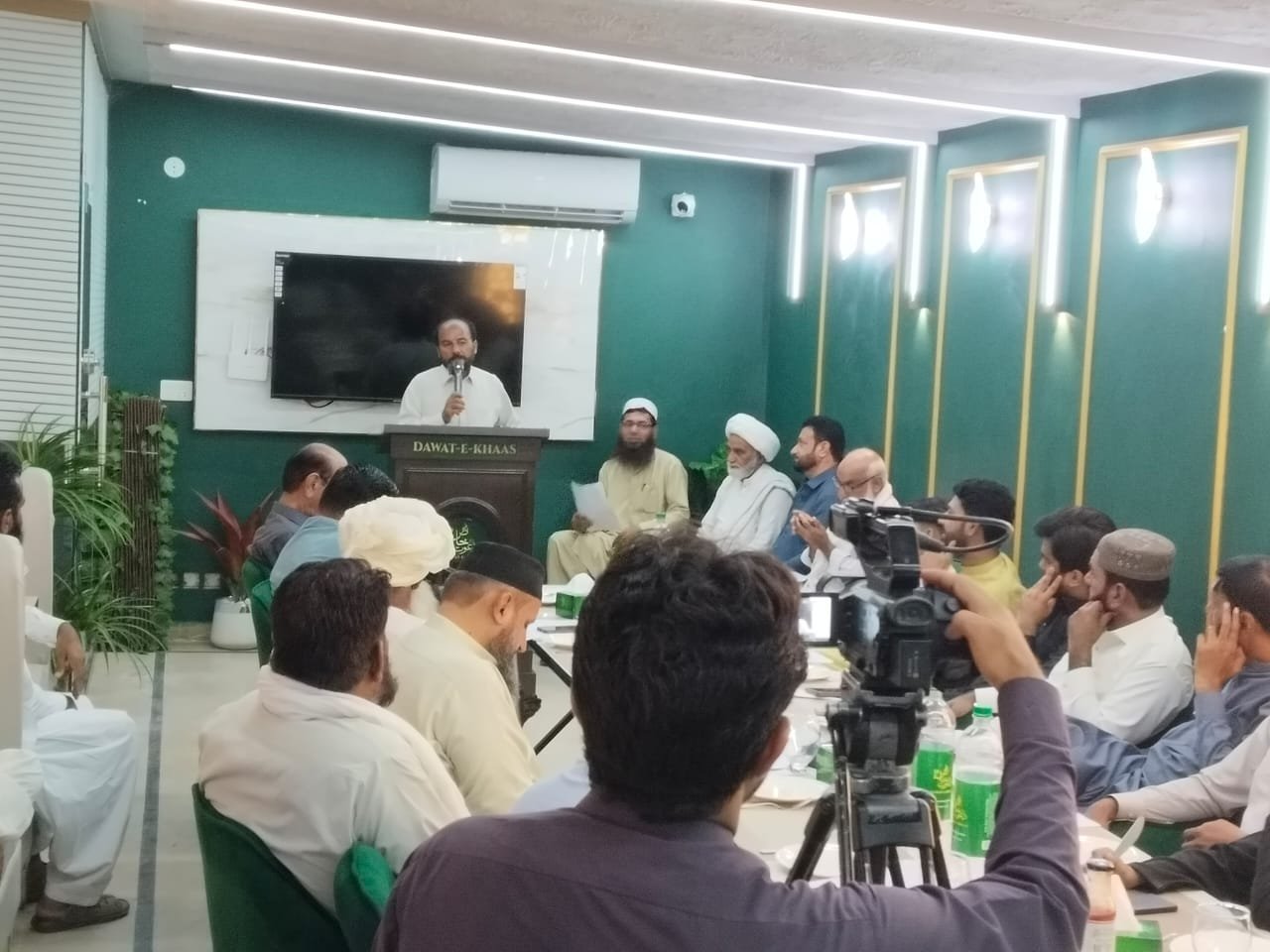
DERA ISMAIL KHAN — At a recent all-parties conference held in Dera Ismail Khan, speakers emphasized the urgent need for self-reform and national unity to address Pakistan’s pressing challenges. Organized by the Pakistan Markazi Muslim League, the conference brought together representatives from various political, religious, and social groups to discuss the country’s current issues and potential solutions.
What Happened
The conference, held at a local restaurant, saw participation from a diverse array of political and community leaders. The speakers unanimously called for an end to religious, ethnic, linguistic, and political divisions, asserting that these fractures are hindering the nation’s progress. They emphasized that both individual and collective accountability are essential for overcoming the country’s problems.
One of the key speakers stated, “Our nation is at a crossroads, and it is imperative that we unite to tackle the challenges we face. Without self-reform and unity, we cannot hope to achieve the progress we desire.” The conference highlighted the importance of fostering a sense of national cohesion and responsibility among citizens to ensure a stable and prosperous future for Pakistan.
Participants also discussed the role of political parties in promoting unity and accountability. They urged leaders to set aside their differences and work collaboratively for the greater good of the nation. The conference concluded with a resolution to continue dialogues aimed at bridging divides and promoting a unified national identity.
Background
Pakistan has a history of political and social divisions that have often impeded its development. The country’s diverse ethnic and linguistic groups have sometimes found themselves at odds, leading to tensions and conflicts. Political instability has further exacerbated these issues, with frequent changes in government and policy direction.
In recent years, there have been several calls for national unity and reforms to address systemic issues such as corruption, economic disparity, and social injustice. Previous conferences and dialogues have attempted to bring together different factions to find common ground, but achieving lasting unity has proven challenging.
Why It Matters
The call for unity and self-reform at the Dera Ismail Khan conference is significant in the context of Pakistan’s ongoing struggles with political and social fragmentation. The country’s economic challenges, coupled with security concerns, require a cohesive national strategy that can only be achieved through unity.
Economically, Pakistan faces high inflation, unemployment, and a growing debt burden. These issues necessitate comprehensive reforms that can only be implemented effectively if there is broad-based political and social support. A unified approach could lead to more stable governance, attracting foreign investment and fostering economic growth.
Socially, bridging ethnic and linguistic divides is crucial for maintaining peace and stability. By promoting a sense of shared identity and purpose, the nation can work towards reducing conflict and fostering social harmony. This unity is also vital for combating extremism and promoting a more inclusive society.
Politically, the conference’s emphasis on accountability and reform aligns with the broader demands of the Pakistani populace for transparent and effective governance. By holding leaders accountable and promoting reforms, the country can strengthen its democratic institutions and ensure that they better serve the needs of its citizens.
Key Takeaways
- The Dera Ismail Khan conference called for national unity and self-reform to address Pakistan’s challenges.
- Speakers emphasized the need to end religious, ethnic, linguistic, and political divisions.
- Participants urged political leaders to work collaboratively for the nation’s progress.
- The conference highlighted the importance of individual and collective accountability.
- Unity is seen as essential for economic growth, social harmony, and political stability.
Source Attribution
This article is based on official government statements, press releases, and public communications from relevant authorities.














