Business

Business – NEN Agency

Welcome to the Business section of NEN Agency, where we decode Pakistan’s economy, spotlight entrepreneurs, and track global market trends. From corporate boardrooms to small-town startups, our coverage connects you to the decisions, deals, and developments shaping financial life in Pakistan and beyond.

Inside This Category

  • Pakistan Economy: Government policies, taxation, inflation, trade, and growth indicators.

  • Startups & SMEs: Success stories of Pakistani entrepreneurs and innovative ventures.

  • Stock Market & Finance: Updates on PSX, forex, banking, and financial literacy.

  • Global Business: Trends from international markets, MNC activities, and economic events.

Why Our Business Coverage Stands Out
We don’t just report the numbers — we explain what they mean for you. Our team digs deeper into the “why” behind every headline, giving readers the context they need to make informed decisions.

Business

PM Shehbaz Orders Review of University IT Education After Poor Test Scores

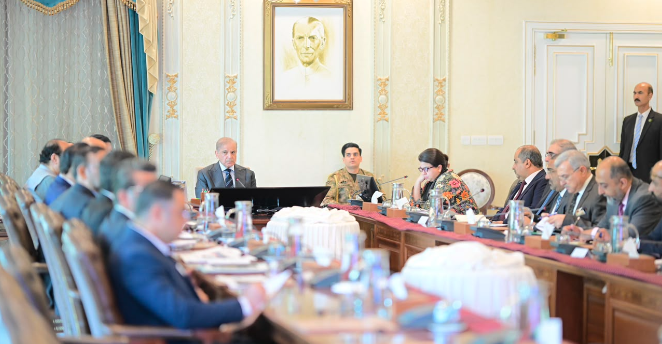
ISLAMABAD — Prime Minister Shehbaz Sharif has called for a thorough review of information technology education in Pakistani universities, prompted by poor student performance in a national skills test. Enhancing IT Education Quality In a high-level meeting focused on IT higher education, the Prime Minister expressed significant concerns about the test results. He stressed the urgent need to elevate educational standards nationwide. The focus is on aligning curricula with industry standards and market needs to ensure graduates have job-ready skills. Key Priorities for Reform The government has outlined key priorities to enhance the quality of IT education: Conducting a comprehensive review of current university curricula Aligning courses with global industry standards Incorporating practical, market-relevant skills training Implementing advanced competency testing and assessment methods Linking IT Exports to Economic Growth The review underscores the administration’s commitment to producing qualified technical graduates. The government views IT exports as crucial for economic recovery and revenue growth. It’s essential for Pakistan’s IT sector to produce skilled professionals who can compete globally, as quality is key to market access. Boosting Export Revenue and Competitiveness IT exports are poised to have a profound impact on Pakistan’s economic future. Enhancing technical education quality is vital for capturing international market share and generating foreign exchange revenue. By upgrading IT education standards, Pakistan aims to bolster its position in the global tech industry, promoting long-term economic growth and enhancing competitiveness in international IT trade.
Business

KP Excise Department Seals Properties in Peshawar, Mansehra Over Tax Defaults

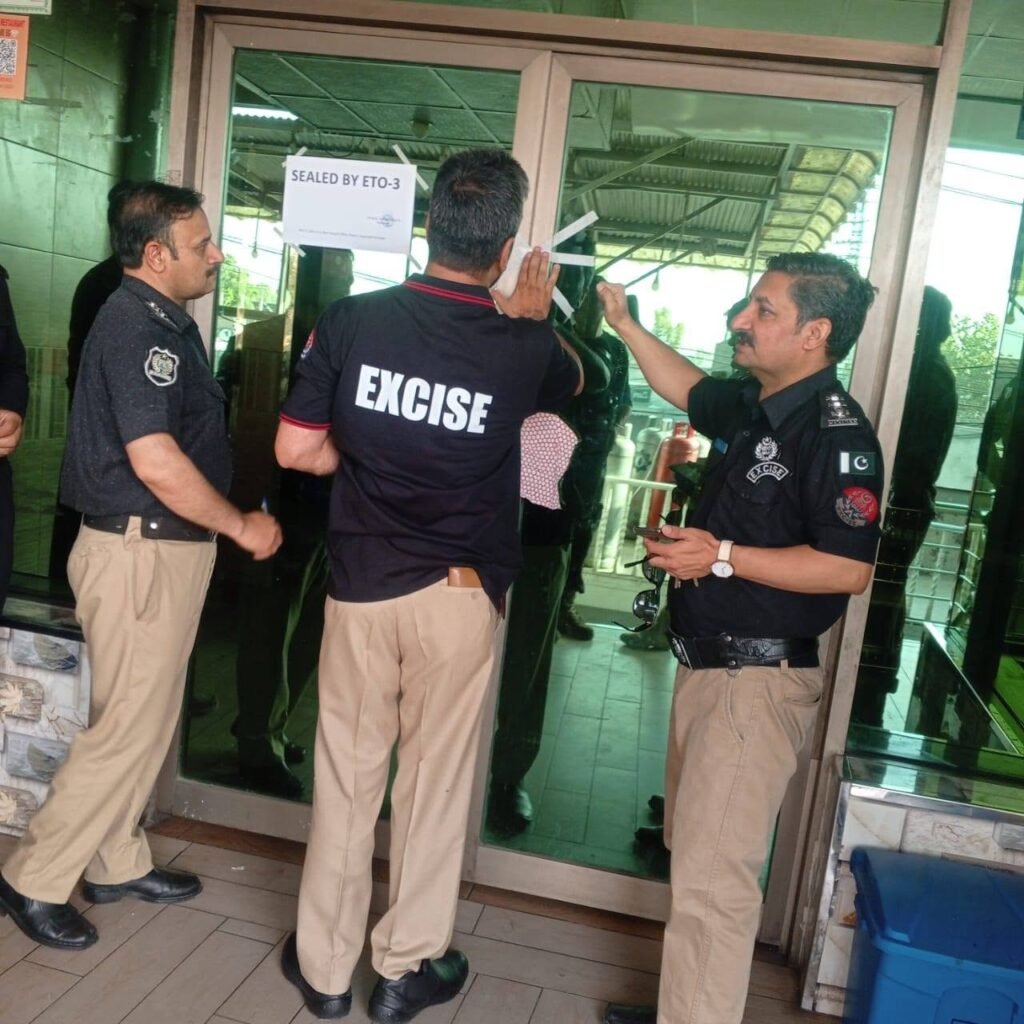
PESHAWAR — The Khyber Pakhtunkhwa Excise, Taxation and Narcotics Control Department intensifies efforts against property tax defaulters. By sealing numerous commercial units and properties in Peshawar and Mansehra, officials aim to recover significant outstanding revenues for the government. This initiative targets property owners neglecting tax payments, reinforcing the government’s commitment to improving tax compliance across Khyber Pakhtunkhwa. Active Enforcement Against Tax Defaulters Dedicated teams conduct raids to identify and seal properties in both cities that fail to comply with tax regulations. The focus is on owners with unpaid tax obligations. Officials use a systematic approach for revenue recovery, addressing financial shortfalls through stringent measures. This strategy aims to enhance fiscal accountability across the province. Focus Areas for Revenue Recovery The property tax enforcement operations target several key areas: Commercial units with outstanding tax dues Residential properties in tax default Efforts to clear accumulated tax arrears Provincial Revenue Strategy and Financial Stability This enforcement drive is part of a broader strategy to strengthen tax collection systems. By reclaiming due revenues, officials aim to ease financial shortfalls. The property tax initiative is crucial for reinforcing the province’s financial stability. Improved compliance will facilitate enhanced public service delivery in the region. Plans for Expansion to More Districts Authorities are monitoring compliance rates and plan to expand enforcement to additional districts soon. This expansion aims to boost provincial revenue collection, ensuring robust financial accountability across Khyber Pakhtunkhwa, and significantly raising tax collection rates province-wide.

Business

LCCI Urges Punjab CM to Rein In PERA Enforcement Activities

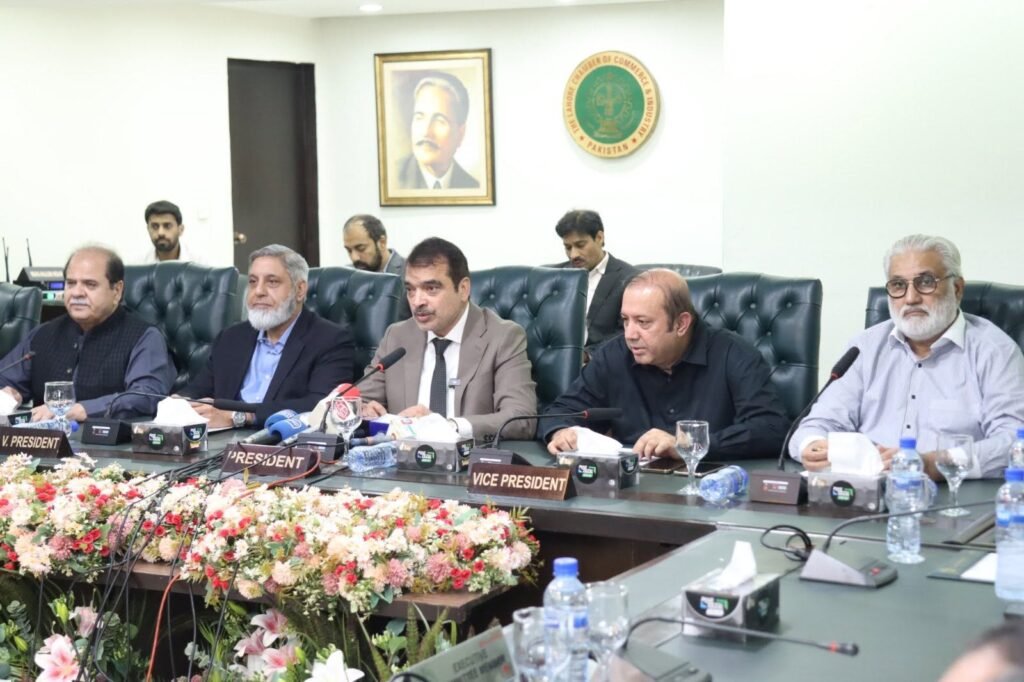
LAHORE — The Lahore Chamber of Commerce and Industry (LCCI) has called on Chief Minister Maryam Nawaz Sharif to tackle challenges associated with the Punjab Enforcement and Regulatory Authority (PERA) activities. The chamber seeks greater transparency, accountability, and protection for legitimate businesses amidst the business community’s concerns. Business Community Demands Regulatory Transparency Business leaders express concerns over enforcement actions interrupting legitimate commercial activities across Punjab. The LCCI emphasizes the importance of establishing clear protocols before any regulatory measures are put into practice. According to industry representatives, abrupt enforcement actions complicate routine business operations and create operational hurdles during inspections. These tactics raise issues of procedural fairness and due process, influencing Punjab’s investment climate. Criticism of PERA Enforcement Methods PERA, responsible for regulating markets and curbing profiteering and hoarding, is facing increasing criticism from traders. Business owners claim that enforcement drives often lack due process, disrupting lawful businesses. Traders are urging for balanced methods that safeguard consumer interests while promoting business growth and economic stability. Current methods are perceived as threats to revenue generation and market confidence. Concerns Raised by Business Leaders The LCCI has outlined several pressing issues affecting the business community: Lack of transparency in enforcement procedures Disruption of lawful commercial operations Absence of clear legal safeguards Need for balanced market regulation Impact on the business environment and investment climate Effects on Investment Climate and Economic Growth The LCCI’s appeal highlights increased tensions between regulatory authorities and the business sector in Punjab. Traders insist on clearer legal safeguards before enforcement actions affecting their businesses are initiated. The business community desires a balance between efficient market regulation and the protection of legitimate commercial interests, both critical to sustaining investor confidence and fostering economic growth. Industry leaders remain hopeful for more transparent enforcement procedures from provincial authorities, believing that clear guidelines will benefit both businesses and regulatory compliance efforts. Collaborating between regulatory bodies and the business sector is vital for improving Punjab’s business investment climate. Fair enforcement practices ensure market integrity and foster corporate revenue generation.

Business

IESCO Schedules Power Outages Across Islamabad on Thursday

ISLAMABAD — The Islamabad Electric Supply Company (IESCO) will implement a scheduled power outage affecting various areas on Thursday. This planned suspension is critical for maintaining and developing the electrical infrastructure. Power Outage Schedule An IESCO spokesperson confirmed that electricity will be halted in the Islamabad Circle from 7:00 a.m. to 11:00 a.m. This interruption is necessary to support infrastructure upgrades. These maintenance activities aim to enhance system reliability and prevent future disruptions. During this four-hour period, IESCO technicians will perform vital work. Effects on Business Operations The power suspension will impact numerous residential and commercial sectors under IESCO’s jurisdiction. Businesses and households should prepare for this scheduled interruption. Morning operations for offices, shops, and manufacturers might face disruptions, potentially affecting peak business activities. IESCO advises businesses to adjust their schedules to minimize potential revenue loss. Advice for Consumers IESCO suggests that consumers take the following steps to mitigate disruption: Complete essential electrical tasks before 7:00 a.m. Delay power-dependent activities until after 11:00 a.m. Plan operations considering the four-hour outage. Charge electronic devices and backup systems in advance. Ensure generators are ready for critical business needs. Infrastructure Improvement Goals While IESCO apologizes for any inconvenience, it stresses the necessity of maintenance to improve electricity reliability in the capital. The utility assures that work will be completed within the scheduled timeframe, reaffirming its commitment to enhancing Islamabad’s power infrastructure to meet growing energy demands. These efforts aim to reduce unscheduled outages and improve long-term service quality for all consumers.

Business

LESCO Chief Pledges Uninterrupted Power Supply to Textile Industry

LAHORE — Engr. Muhammad Ramzan Butt, Chief Executive Officer of the Lahore Electric Supply Company (LESCO), has pledged to ensure an uninterrupted electricity supply for Pakistan’s textile industry. This initiative is vital for export-oriented manufacturing units aiming to boost trade and raise foreign exchange earnings. Prioritizing Export-Oriented Manufacturing LESCO is focusing on textile mills that serve international markets. These export-driven units will get priority in power distribution to maintain constant production. This commitment was emphasized during discussions with the All Pakistan Textile Mills Association. The initiative seeks to eliminate power disruptions that have historically affected production schedules and export deadlines. Boosting Foreign Exchange Earnings The textile sector stands as Pakistan’s largest source of foreign exchange and a key player in industrial output. Reliable electricity is crucial for fulfilling international orders and staying competitive globally. A robust power infrastructure supports Pakistan in sustaining its global market presence, thereby facilitating revenue growth. Advantages of Stable Electricity Supply Maintaining competitiveness in the global market Attracting investments in the textile sector Ensuring timely delivery of international orders Increasing export volumes and earnings Supporting uninterrupted manufacturing processes Reliable power distribution is expected to significantly boost export volumes, energize economic activity, and promote steady revenue growth across Pakistan’s manufacturing sector. Strategic Power Policy Shifts LESCO’s dedication marks a strategic shift, focusing on a stable supply for top-tier industrial clients. This move aligns with government objectives to enhance trade performance and drive economic growth through targeted support. The textile industry’s success is closely tied to consistent electricity access, aiming to elevate Pakistan’s competitiveness in the global textile market and expand trade opportunities. These policy adjustments should secure steady revenue growth, attract foreign investment, and foster broader economic development, consolidating Pakistan’s status as a leading textile exporter.

Business

RDA Reviews Land Use Plan Along Rawalpindi Ring Road Corridor

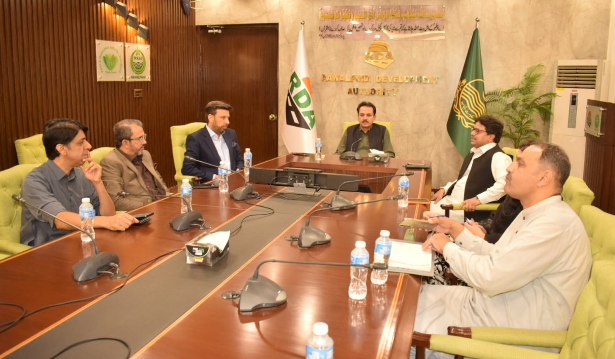
RAWALPINDI — The Rawalpindi Development Authority (RDA) has conducted a review of the proposed land use plan for the Rawalpindi Ring Road (RRR) corridor. Key stakeholders stress the urgent need for coordinated planning and sustainable development in this vital region. Infrastructure Planning Framework Masood Ahmad, Additional Director General of RDA, chaired a crucial meeting in the RDA Conference Room. During the session, officials evaluated the land use framework around the corridor to enhance economic benefits for residents and businesses. Investment Opportunities The Ring Road corridor offers significant investment prospects. Structured urban growth aims to attract corporate entities, thereby boosting revenue in the metropolitan area. Expanding infrastructure is expected to bring new commercial zones, enhancing trade activities and strengthening the local economy. Benefits for Rawalpindi and Islamabad Stakeholders are committed to structured development along the Rawalpindi Ring Road, which promises numerous advantages: Reduced traffic congestion in Rawalpindi and Islamabad Creation of zones for organized urban and commercial expansion Promotion of coordinated infrastructure development Support for sustainable development practices Enhanced connectivity for trade and business operations Long-Term Urban Planning The RDA and stakeholders are aligning the corridor’s growth with long-term urban planning objectives. This initiative aims to foster economic growth in the twin cities, marking significant progress in the region’s transportation infrastructure. The Rawalpindi Ring Road project is critical in positioning the Rawalpindi-Islamabad area as a key economic hub in Pakistan.

Business

Pakistan Furniture Council Delegation Visits Saudi Arabia to Boost Exports

ISLAMABAD — Led by CEO Mian Kashif Ashfaq, a delegation from the Pakistan Furniture Council (PFC) began a strategic three-day visit to Saudi Arabia on Wednesday. The mission aims to explore export opportunities, establish marketing channels, and form joint ventures with Saudi partners to increase Pakistan’s furniture exports. Exploring Trade Channels in the Gulf Market The delegation focuses on creating new trade channels for Pakistan’s furniture industry within the Saudi market. Saudi Arabia, as a major importer of home and commercial furnishings in the Gulf, presents expansive opportunities. The mission intends to expand Pakistani furniture exports while strengthening economic ties between Pakistan and Saudi Arabia. Objectives of the Delegation During the three-day visit, the Pakistan Furniture Council delegation will engage with Saudi business leaders and trade bodies. Their main objectives include: Evaluating the demand for Pakistani furniture products in Saudi markets Identifying reliable distribution networks and logistics partners Exploring joint venture opportunities with Saudi counterparts Establishing bilateral commercial arrangements for sustainable trade growth Enhancing Export Revenue This initiative holds the potential to significantly enhance Pakistan’s furniture export revenue in the Gulf region. The vigorous construction sector in Saudi Arabia generates a substantial demand for quality furniture. Additionally, the expanding hospitality industry in the Kingdom presents major opportunities for Pakistani manufacturers. Successful partnerships from this visit could help Pakistan capture a larger share of the Gulf furniture market. This trade mission aligns with Pakistan’s broader strategy to diversify exports and strengthen economic ties with Middle Eastern markets.

Business

Experts Warn Against Unilateral Actions Undermining Indus Waters Treaty

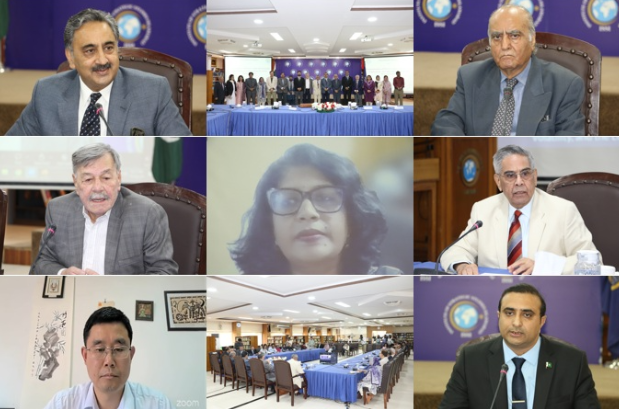
ISLAMABAD — During an international seminar on Wednesday, experts highlighted the dangers posed by unilateral actions threatening the Indus Waters Treaty (IWT). For over 60 years, this treaty has been essential in managing river flows between India and Pakistan. Treaty Threats Discussed at Seminar The India Study Centre at the Institute of Strategic Studies Islamabad (ISSI) hosted a seminar titled “Weaponisation of Water: Legal and Strategic Implications of Undermining the Indus Waters Treaty.” Regional scholars and analysts gathered to explore the legal and strategic threats challenging this 1960 agreement. Protecting regional water governance frameworks Exploring treaty’s role in bilateral cooperation Assessing ongoing threats to the agreement Legal and Security Concerns Established by the World Bank in 1960, the Indus Waters Treaty is vital for regional water governance and resource allocation between Pakistan and India. Experts warned that weaponizing water resources could lead to significant legal challenges and heightened tensions, worsening South Asia’s fragile security environment. Economic Impact on Regional Growth Bilateral cooperation is crucial for regional stability since water security is key to both nations’ economic growth. Experts cautioned that treaty disruptions could adversely affect trade relations and investment flows, which depend on stable water governance. Vulnerable Economic Sectors A breakdown in water-sharing agreements could threaten several economic sectors: Agriculture and food security Energy production and hydropower Manufacturing and industrial output Cross-border trade networks The Indus Waters Treaty has supported decades of cross-border economic initiatives. Upholding this framework is vital for maintaining regional economic growth and investment stability.

Business

Pakistan Disburses Rs5.4bn Fuel Subsidy, Rs4.61bn Farm Support

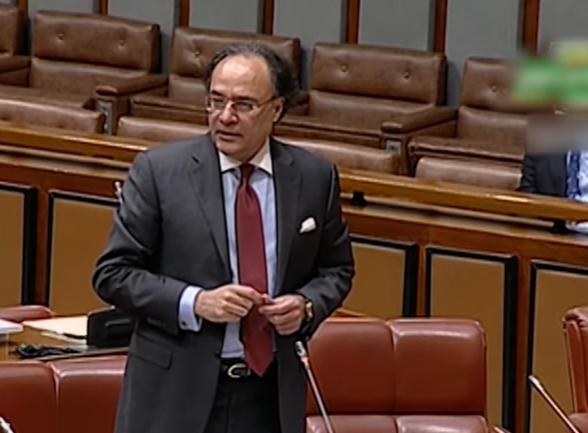
ISLAMABAD — Finance Minister Muhammad Aurangzeb announced the disbursement of Rs5.4 billion through Pakistan’s targeted fuel subsidy programme. Additionally, Rs4.61 billion has been allocated to support small farmers affected by rising international fuel costs. Economic Relief Measures in Senate Briefing In a Senate session, Minister Aurangzeb addressed a Calling Attention Notice from Senator Mohsin. He detailed government strategies to protect vulnerable groups from escalating global energy prices. These initiatives are essential parts of the federal government’s broader economic strategy. Targeted Approach of Pakistan Fuel Subsidy The Pakistan fuel subsidy programme emphasizes targeted relief instead of universal price cuts. This approach ensures that support reaches those most in need while maintaining fiscal sustainability. The strategy allows efficient resource allocation to protect vulnerable populations from fuel price surges without overstressing the national budget. Key Features of the Subsidy Programme Direct financial assistance for eligible beneficiaries Focus on low-income households and essential services Regular monitoring of disbursements through federal channels Designed for fiscal sustainability and continuous implementation Support Package for Agricultural Sector The government has committed Rs4.61 billion to support the agricultural sector in Pakistan. This financial aid is aimed at counteracting increased input costs driven by rising fuel prices. Small-scale farmers face difficulties as fuel costs affect transportation, irrigation, and equipment use, impacting yields and incomes across the country. Federal assistance is crucial to maintain agricultural production amid high energy prices, ensuring food security and supporting the livelihoods of farmers in rural areas of Pakistan.

Business

Senate Secretariat Returns Rs 1.436 Billion to National Exchequer

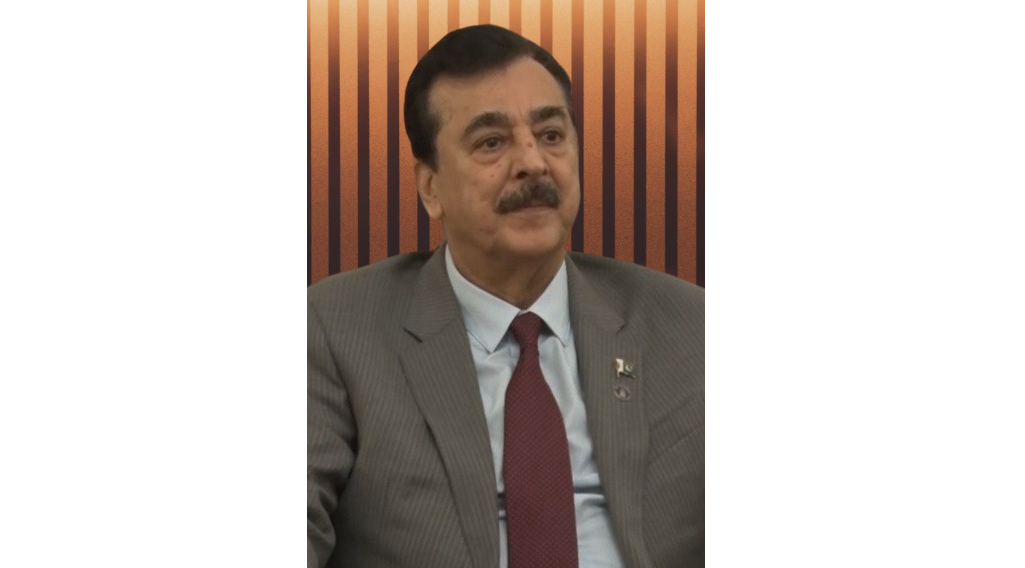
ISLAMABAD — Chairman Syed Yousaf Raza Gilani announced that the Senate Secretariat has returned Rs 1.436 billion to the national exchequer. This initiative aims to enhance fiscal discipline in Pakistan, reflecting a broader effort across governmental bodies. Parliamentary Leadership in Fiscal Discipline Addressing the Upper House, Gilani emphasized the return of funds as part of a comprehensive expenditure rationalization program. This decision strengthens financial governance and demonstrates parliament’s dedication to responsible financial management. The Senate chose to return unspent funds rather than keep them within the secretariat’s budget. Rs 1.436 billion in unspent allocations returned to the national exchequer Comprehensive expenditure rationalization in Senate operations Commitment to responsible budget management and transparency Alignment with national austerity measures and economic recovery goals Setting an Example in Economic Stabilization This initiative underscores the legislature’s intent to lead by example in Pakistan’s economic recovery efforts. Government institutions are adopting economic stabilization strategies to improve the national fiscal position. The Senate’s decision is part of a larger push for austerity within federal institutions, aiming to minimize unnecessary spending and enhance budget efficiency. Boosting Economic Recovery in Pakistan The funds returned will directly support ongoing economic recovery initiatives in Pakistan. Government bodies nationwide are adopting similar financial management practices to strengthen the national exchequer. These budget strategies focus on reducing fiscal deficits and boosting economic stability. The Senate’s actions highlight fiscal discipline across federal entities, setting a benchmark for responsible governance.

Scroll to Top