Business

Business – NEN Agency

Welcome to the Business section of NEN Agency, where we decode Pakistan’s economy, spotlight entrepreneurs, and track global market trends. From corporate boardrooms to small-town startups, our coverage connects you to the decisions, deals, and developments shaping financial life in Pakistan and beyond.

Inside This Category

  • Pakistan Economy: Government policies, taxation, inflation, trade, and growth indicators.

  • Startups & SMEs: Success stories of Pakistani entrepreneurs and innovative ventures.

  • Stock Market & Finance: Updates on PSX, forex, banking, and financial literacy.

  • Global Business: Trends from international markets, MNC activities, and economic events.

Why Our Business Coverage Stands Out
We don’t just report the numbers — we explain what they mean for you. Our team digs deeper into the “why” behind every headline, giving readers the context they need to make informed decisions.

Business

Pakistan Remittances Hit Record $4.3bn in May 2026

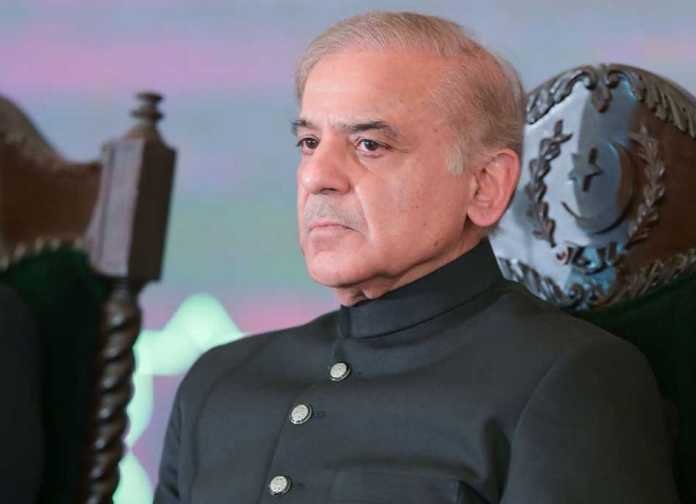
ISLAMABAD — Prime Minister Shehbaz Sharif expressed satisfaction as remittances from overseas Pakistanis reached a record $4.3 billion in May 2026. This marks a 20.2% increase from April and is the highest monthly inflow in Pakistan’s history. This achievement significantly boosts the country’s foreign exchange reserves, thereby strengthening the current account position. The surge in remittances arrives at a crucial time, enhancing Pakistan’s external financial stability. Banking Reforms Drive Remittance Growth According to the PM Office Media Wing, Prime Minister Sharif attributed the surge to growing confidence among overseas Pakistanis. He highlighted economic policies designed to channel funds through official banking channels. The federal government has introduced several measures to facilitate remittance transfers, including: Streamlined banking procedures for overseas transfers Incentives for using formal financial channels Reduced transaction costs and processing times Enhanced transparency in remittance tracking These reforms encourage the use of formal financial channels, reducing reliance on informal money transfer systems that do not contribute to official reserves. Impact on Foreign Exchange Reserves The record inflow of remittances directly enhances Pakistan’s external account position. Increased remittances immediately benefit the foreign exchange reserves, thus helping stabilize the national economy. This supports Pakistan’s ability to meet international payment obligations. Overseas Pakistanis continue to bolster economic stability by contributing through official banking channels. Economic Growth and Financial Outlook The sustained rise in remittances eases pressure on the current account deficit. This financial support remains crucial for achieving Pakistan’s economic growth and development objectives. Economists are optimistic, noting that consistent remittance flows offer reliable support for Pakistan’s balance of payments position. Banking sector reforms have successfully channeled overseas Pakistani investment through formal channels.


Business

Faisalabad Chamber, GCWUF Unite at First International Recycling Conference

FAISALABAD — The Faisalabad Chamber of Commerce and Industry (FCCI) and Government College Women University Faisalabad (GCWUF) joined forces at the First International Recycling Conference. This collaboration marks a significant step toward sustainable business growth in Pakistan’s textile hub. Strategic Partnership for Economic Development FCCI President Farooq Yousaf Sheikh presented a souvenir to GCWUF Vice Chancellor Prof. Dr. Kanwal Ameen, symbolizing a formal commitment between the city’s commercial sector and academic institutions. Their partnership focuses on advancing recycling initiatives to foster environmental sustainability and economic growth. Uniting industry with academia holds potential for substantial impacts on Pakistan’s industrial landscape. Exploring Sustainable Revenue Streams The conference brought together business leaders and academics to explore innovative recycling practices and sustainable industrial solutions. Faisalabad is addressing environmental and economic challenges through innovation. Industry representatives discussed ways to integrate recycling into manufacturing processes, achieving competitive advantages and cost reductions through efficient resource management. Industrial Growth Benefits Reduced production costs via efficient resource use New revenue streams from recycled materials Improved competitive position in global markets Enhanced waste management systems Building a Circular Economy Framework This conference marks the beginning of cooperation on recycling and waste management initiatives. Both sectors aim to create frameworks supporting circular economy principles within Pakistan’s industrial centers. Faisalabad is poised to lead in sustainable business growth, with the city’s textile and manufacturing sectors set to benefit from greater resource efficiency and lower operational costs. The FCCI and GCWUF partnership exemplifies industry-academia cooperation, crucial for economic development and environmental sustainability in major industrial regions of Pakistan.

Business

Traders Ferry Traditional Brooms Across Chenab River to Local Markets

MULTAN — Traders ferry traditional brooms across the Chenab River by boat, fulfilling the needs of local markets in the region. This waterborne commerce is a crucial economic lifeline for small-scale vendors in Punjab’s interior. Importance of River Transport for Vendors River transport is essential for efficiently moving bulk goods, benefiting traders transporting handmade brooms by boat. Daily crossings play a vital role in delivering goods to commercial centers along the riverbanks. The Chenab River trade actively supports artisans and market vendors throughout the area. This cost-effective logistics strategy directly connects rural producers with urban demand, cutting transportation expenses to maintain competitive pricing. Chenab River: Geographical and Commercial Significance The Chenab River serves as both a geographical divide and a vital commercial pathway in Punjab. Local vendors rely on this route for swift movement of goods, linking production areas in the countryside directly to urban markets. Such connections help small enterprises efficiently overcome logistics barriers. Economic Growth and Trade via River Routes The traditional trade route on the Chenab is crucial for linking rural producers to urban markets, thereby promoting economic growth for small enterprises. Waterborne commerce along the river propels local trade, providing vital market access for artisans and vendors in Punjab’s interior. The river-based distribution system ensures traditional goods remain competitively priced, allowing small vendors to minimize transportation costs while meeting regional demand.

Business

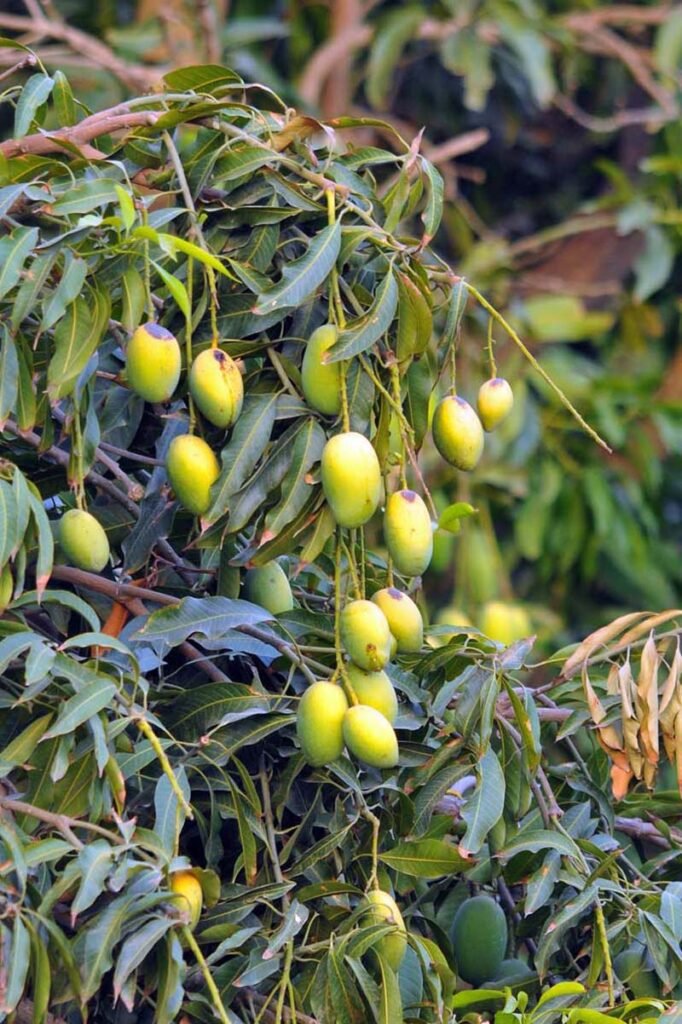
Multan Orchards Brim With Unripe Mangoes Ahead of Harvest Season

MULTAN — In the orchards of Multan, unripe mangoes cluster heavily on the trees. As the region prepares for its annual harvest, the abundant yield is set to significantly benefit Pakistan’s mango export trade and agricultural revenue. Premium Varieties Drive Market Demand Situated at the heart of Pakistan’s mango belt, Multan is renowned for its premium mango varieties. These varieties command high prices both domestically and internationally. Key Varieties Chaunsa Anwar Ratol Langra Dusehri These high-value cultivars are pivotal to Pakistan’s fruit exports. Traders and agricultural economists closely monitor this season’s crop to forecast market performance. Multan’s Strategic Role in Agricultural GDP Multan’s rich soil and favorable climate position it as a leading mango-producing area in Pakistan. Its contribution to the nation’s agricultural GDP through fruit production is immense. The orchards in this region are crucial for national agricultural revenue, strengthening local supply chains and international trade routes. Export Growth and Revenue Prospects As the peak summer harvest nears, local growers are intently observing crop progress. Initial signs suggest favorable conditions for this year’s mango export trade. This promising yield offers local farmers considerable opportunities for revenue growth. Analysts anticipate robust demand from international markets this season. Pakistani mango exports continue to thrive in key markets such as the Middle East, Europe, and North America. Current developments indicate a positive outlook for export volumes and agricultural revenue as the season progresses.

Business

Vendor Hawks Inflatable Pools in Qasimabad Amid Scorching Heat

HYDERABAD — Under a flyover in Qasimabad, a resourceful street vendor showcases inflatable swimming pools, targeting buyers in need of affordable cooling amidst intense heat. Growing Demand for Cooling Products With summer temperatures soaring, Sindh’s demand for cooling products significantly increases. Residents actively seek budget-friendly solutions to combat the heat. This change in consumer spending is particularly evident during extreme weather conditions. The informal economy quickly adapts to these shifts, creating a vital market for heat-relief goods. The Impact of Street Vendors Street vendors offering portable pools, water toys, and various cooling accessories frequently appear along roadsides and underpasses in urban areas. These vendors serve families without air-conditioned homes or access to public recreational facilities. The burgeoning market for economical cooling options highlights how informal trade addresses unmet consumer demands. Street vendors significantly contribute to Pakistan’s informal economy, especially during peak summer months. Opportunities for Seasonal Revenue This trend highlights the entrepreneurial prowess within the informal sector, efficiently meeting immediate market demands. Their quick adaptation to changing consumer spending patterns creates substantial seasonal revenue opportunities. Urban centers in Pakistan showcase the informal economy’s resilience and adaptability, effectively satisfying consumer needs amid challenging weather.

Business

Pakistan Remittances Hit Record $4.3 Billion in May 2026

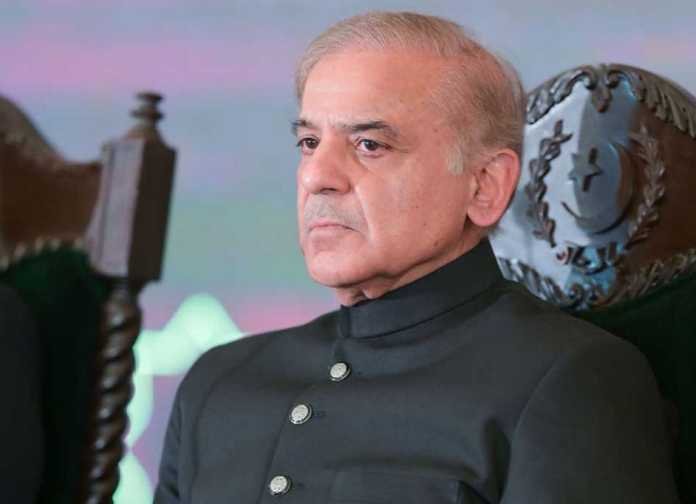
ISLAMABAD — Prime Minister Shehbaz Sharif celebrated as remittances sent by overseas Pakistanis reached a remarkable $4.3 billion in May 2026. This achievement marks a 20.2% increase from April, setting a new record for Pakistan’s highest single-month inflow. Acknowledging Overseas Contributions A statement from the PM Office Media Wing credited this surge in remittances to the significant contributions of overseas Pakistanis. The Prime Minister highlighted their critical role in sustaining economic stability during challenging times. This $4.3 billion milestone reflects growing confidence in Pakistan’s formal banking channels for remittance transfers. Enhancing Foreign Exchange Reserves Remittances are a key source of foreign exchange for Pakistan, greatly improving the current account balance. These record inflows bolster the country’s foreign reserves amidst ongoing economic challenges. Such funds are vital for meeting import demands and servicing debt, reinforcing Pakistan’s economic foundation. Economic Advantages of Remittance Inflows Overseas Pakistanis’ contributions play an indispensable role in the national economy. Remittance inflows provide several financial benefits, including: Increase in foreign exchange reserves Improvement of the current account balance Reduction in pressure on the Pakistani rupee Enhanced household consumption nationwide Government Policies Supporting Banking Channels The government proactively promotes policies that encourage remittance transfers through official banking channels. These efforts maximize economic benefits and support families across Pakistan. The record-breaking remittance inflow signals growing trust in Pakistan’s financial system, paving the way for sustained economic recovery and growth.

Business

PSX Sheds 903 Points as Bearish Trend Returns

ISLAMABAD — The KSE-100 Index, a pivotal benchmark in Pakistan’s stock market, saw a sharp decline on Wednesday, dropping 903.12 points. This marks a return of bearish sentiment among investors and signals a significant shift in market confidence. Significant Decline in KSE-100 Index On Wednesday, the Pakistan stock market witnessed a 0.53 percent decline. The KSE-100 Index closed at 169,427.44 points, down from 170,330.56 points the previous day. This drop has instilled renewed caution among investors despite recent trading gains. Market Activity and Trading Volume Despite the index’s downturn, market activity remained robust. The session’s ready market trading volume reached 791.636 million shares. This high volume underscores several aspects of the current market: Active investor participation in the Pakistan stock market Strong engagement from traders despite price declines Maintained liquidity across trading platforms Stable confidence in fundamental market conditions Impact on Investor Sentiment The KSE-100 Index serves as an essential indicator of Pakistan’s economic health and corporate sector performance. It reflects overall market confidence in financial stability. The resurgence of a bearish trend suggests investors are re-evaluating current economic conditions. Analysts will watch closely to determine if this is a temporary correction or a more extended adjustment in the Pakistan stock market.

Business

Pakistani Rupee Edges Up Marginally Against US Dollar

ISLAMABAD — The Pakistani rupee experienced a slight appreciation against the US dollar on Wednesday during interbank trading. It closed at Rs278.36, marking an increase of one paisa from the previous session’s Rs278.37. This minor change suggests ongoing stability in Pakistan’s forex market. Minimal Volatility in Interbank Trading The Forex Association of Pakistan noted that the rupee’s minor appreciation indicates limited movement within the interbank market. This slight fluctuation highlights stable trading conditions across various forex platforms. In the open market, buying and selling rates closely aligned with official figures, suggesting consistent market dynamics. Currency traders reported balanced conditions, with the rupee-dollar exchange facing no significant pressure. Stable Rupee Within Narrow Band Recently, the Pakistani rupee has traded within a narrow band. Over the past weeks, its performance against the dollar has shown limited volatility. This stable exchange rate reflects balanced demand and supply conditions, fostering predictable trading patterns. Such consistency is beneficial for importers and exporters managing foreign currency exposure. Observing Market and Economic Factors Market participants are closely monitoring macroeconomic indicators. Forex traders focus on external account developments to anticipate future currency movements. Remittance inflows and export performance remain critical factors. The stable rupee-dollar exchange rate offers predictability for businesses engaged in international trade. Financial analysts expect the narrow trading range to persist, supporting economic planning for firms involved in cross-border transactions.

Business

KP Excise Department Seals Properties Over Unpaid Tax Dues

PESHAWAR — The Khyber Pakhtunkhwa Excise, Taxation, and Narcotics Control Department has sealed several properties in Peshawar due to unpaid property tax dues. This decisive action targets owners who ignored repeated warnings to settle their liabilities. Intensified Efforts for Tax Recovery The department has escalated efforts to recover unpaid taxes throughout the provincial capital. Officials confirmed this strategy was adopted after defaulters exhausted all the compliance opportunities offered to them. This sealing initiative imposes greater pressure on provincial authorities to expand the tax base and boost property tax revenue. Khyber Pakhtunkhwa is committed to enhancing revenue collection across the province. Stricter Enforcement After Warnings Actions were executed when defaulters ignored multiple notices, signifying a shift toward stricter enforcement of tax obligations. Property owners were provided several opportunities to settle their dues voluntarily. Sealing is the final measure in this compliance process. Enforcement Action Details Multiple notices were issued before any action. The number of properties sealed remains undisclosed. The cumulative value of outstanding dues is not revealed. Enforcement focused predominantly on properties in Peshawar. Strategic Revenue Generation Goals This action is part of the department’s strategy to expand the province’s tax base, aiming to recover significant arrears from non-compliant property owners. The government of Khyber Pakhtunkhwa prioritizes revenue generation through improved tax collection methods. Enforcing property tax is essential for strengthening financial stability and increasing revenue streams in the province.

Business

CPEC Can Drive Blue Economy Growth, Says PCJCCI Official

LAHORE — The China-Pakistan Economic Corridor (CPEC) has the potential to significantly boost the blue economy, fostering regional economic transformation, a senior trade official confirmed on Tuesday. CPEC Unlocks Maritime Trade Opportunities Adeel Munawar, Commercial Ambassador of the Pakistan China Joint Chamber of Commerce and Industry (PCJCCI), highlighted CPEC’s strategic importance. He emphasized that the corridor enhances maritime and aquatic economic opportunities, creating new avenues for trade expansion between Pakistan and China. The blue economy focuses on sustainably utilizing ocean and water resources for economic growth. This sector offers substantial revenue potential for Pakistan’s coastal regions and maritime trade development. Key Sectors for Investment in the Blue Economy Fisheries and aquaculture development Shipping and maritime trade expansion Coastal tourism infrastructure Offshore energy production facilities Pakistan is focused on developing these sectors along its Arabian Sea coastline. Additionally, the country’s inland waterways present untapped opportunities for sustainable resource use. Infrastructure Investment Drives Economic Transformation CPEC is a multi-billion-dollar framework dedicated to infrastructure and investment across Asia, linking China’s Xinjiang region directly to Pakistan’s Gwadar port on the Arabian Sea. Since its inception over a decade ago, CPEC has been pivotal in fostering economic cooperation between the two nations. This strategic partnership strengthens bilateral trade and investment flows. Infrastructure investments via CPEC include ports, highways, railways, and energy projects. These developments create new revenue streams and employment opportunities within Pakistan’s economy. Gwadar Port: A Vital Trade Gateway Gwadar port serves as a crucial gateway for maritime trade and blue economy development. Its strategic location bolsters Pakistan’s influence in regional commerce and international trade routes. This investment provides direct access to global shipping networks, enhancing Pakistan’s role in regional economic integration and boosting export capabilities. The port’s expansion supports CPEC’s blue economy growth objectives by facilitating fisheries exports, maritime services, and coastal industrial development.

Scroll to Top